
Hämeenpuisto
Tampere's widest and most heavily planted boulevard.
Trogain — CC BY-SA 3.0 · Trogain at Finnish Wikipedia — CC BY-SA 3.0 · Yalgin — CC0 · M62 — CC BY-SA 3.0
Tampere's Workers' Hall is a building of 1900 on the Hämeenpuisto boulevard, put up by workers' own subscriptions as their headquarters, theatre and meeting hall — and among the most politically significant buildings in Finnish history. The reason is single: in this hall, on **1 December 1905**, **Vladimir Lenin** gave a speech at a Bolshevik conference, **and met Stalin for the first time**. The first meeting between the two men who went on to rule the Soviet Union took place in Tampere. And in the same hall the **Finnish Workers' Republic** was proclaimed in January 1918 as the civil war began. For decades the building held a **Lenin Museum** — the last one outside Russia — which closed in 2016 and was replaced by the Nootopia exhibition on the Finnish-Russian relationship, taking a critical view. The building today is a working events hall and theatre. **Seen from outside** except when an exhibition or event is on.
Tampere's widest and most heavily planted boulevard.
A workers' building of 1900 preserved in form.
Hämeenpuisto 28, Tampere
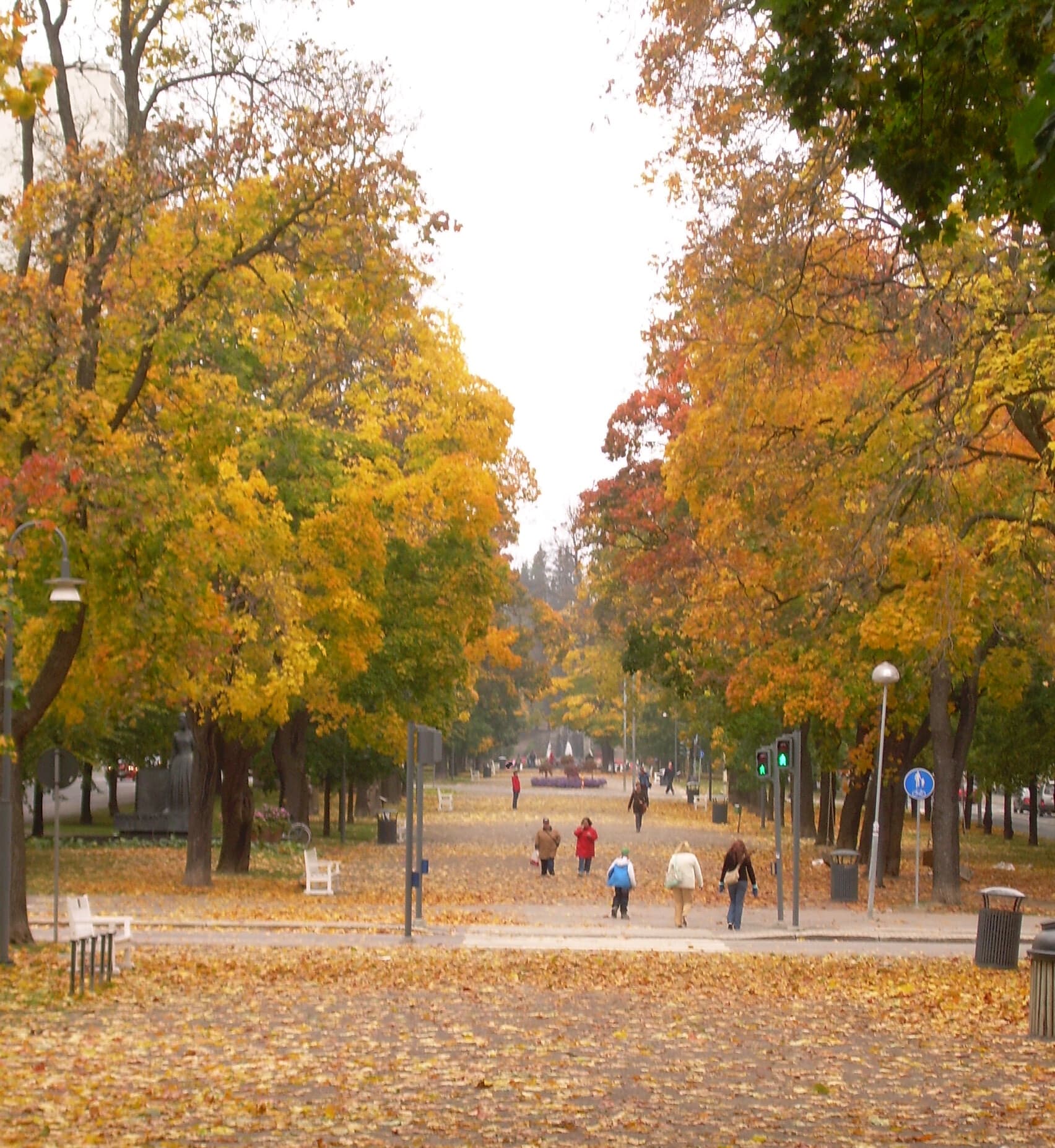 HämeenpuistoA wide tree-lined avenue cutting through central Tampere from north to south, th1 minute walk4.2
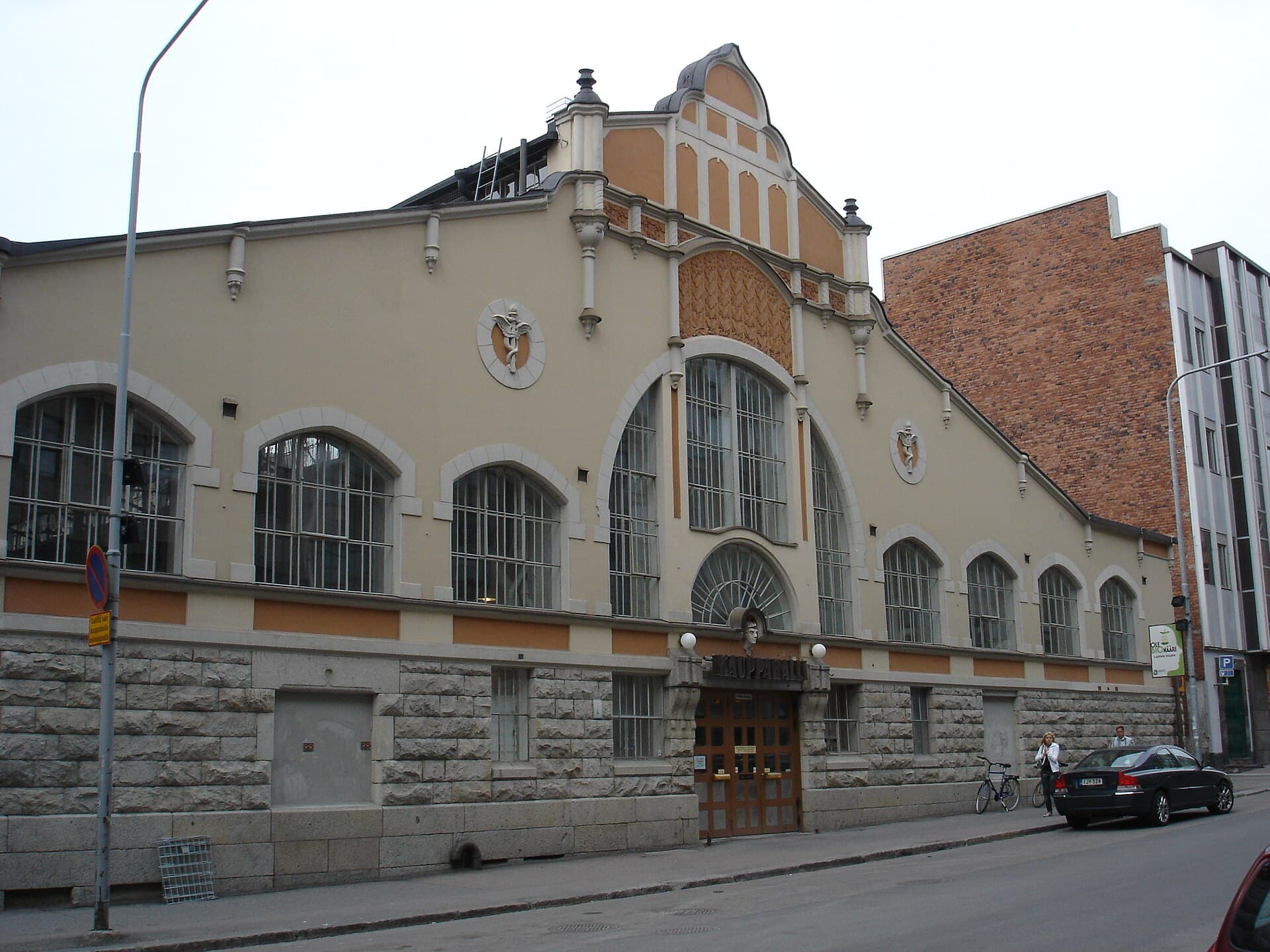 Tampere Market HallTampere Market Hall is **the largest covered market hall in the Nordic countries5 minutes walk4.7
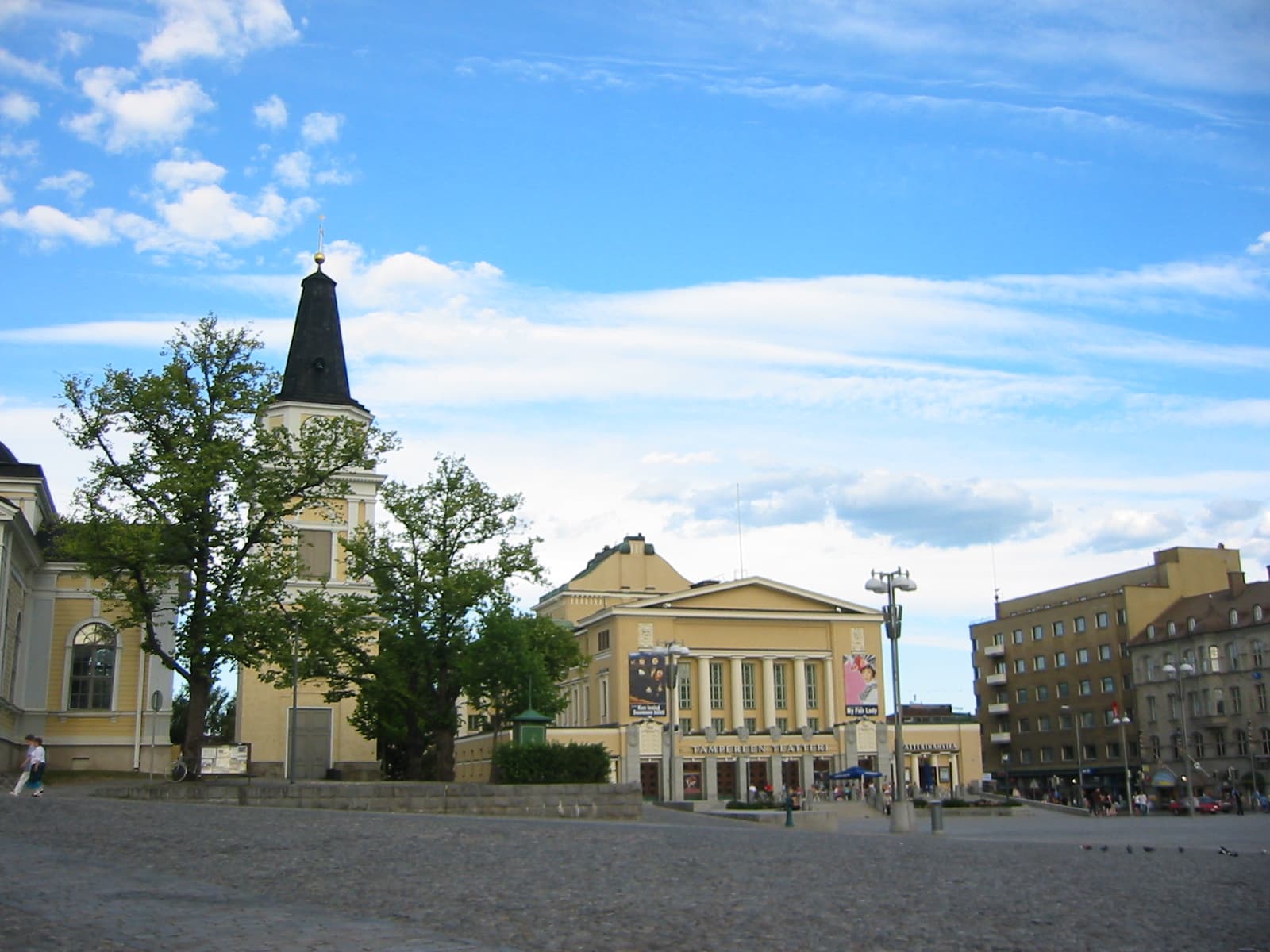 KeskustoriKeskustori — the Central Square — is the heart of Tampere and its largest square7 minutes walk4.3
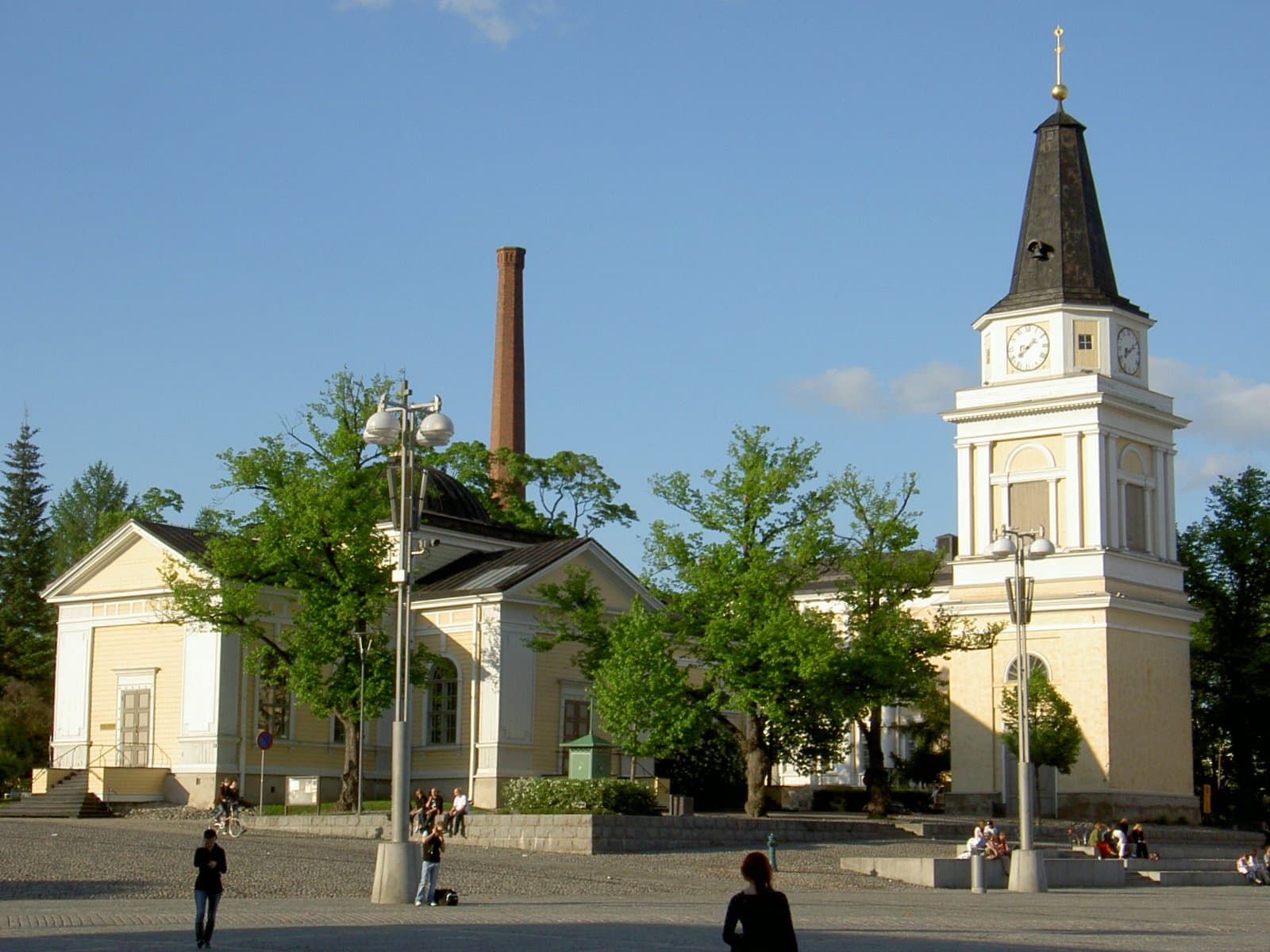 Tampere Old ChurchTampere Old Church is **the oldest building in the city centre**: a timber churc7 minutes walk4.3
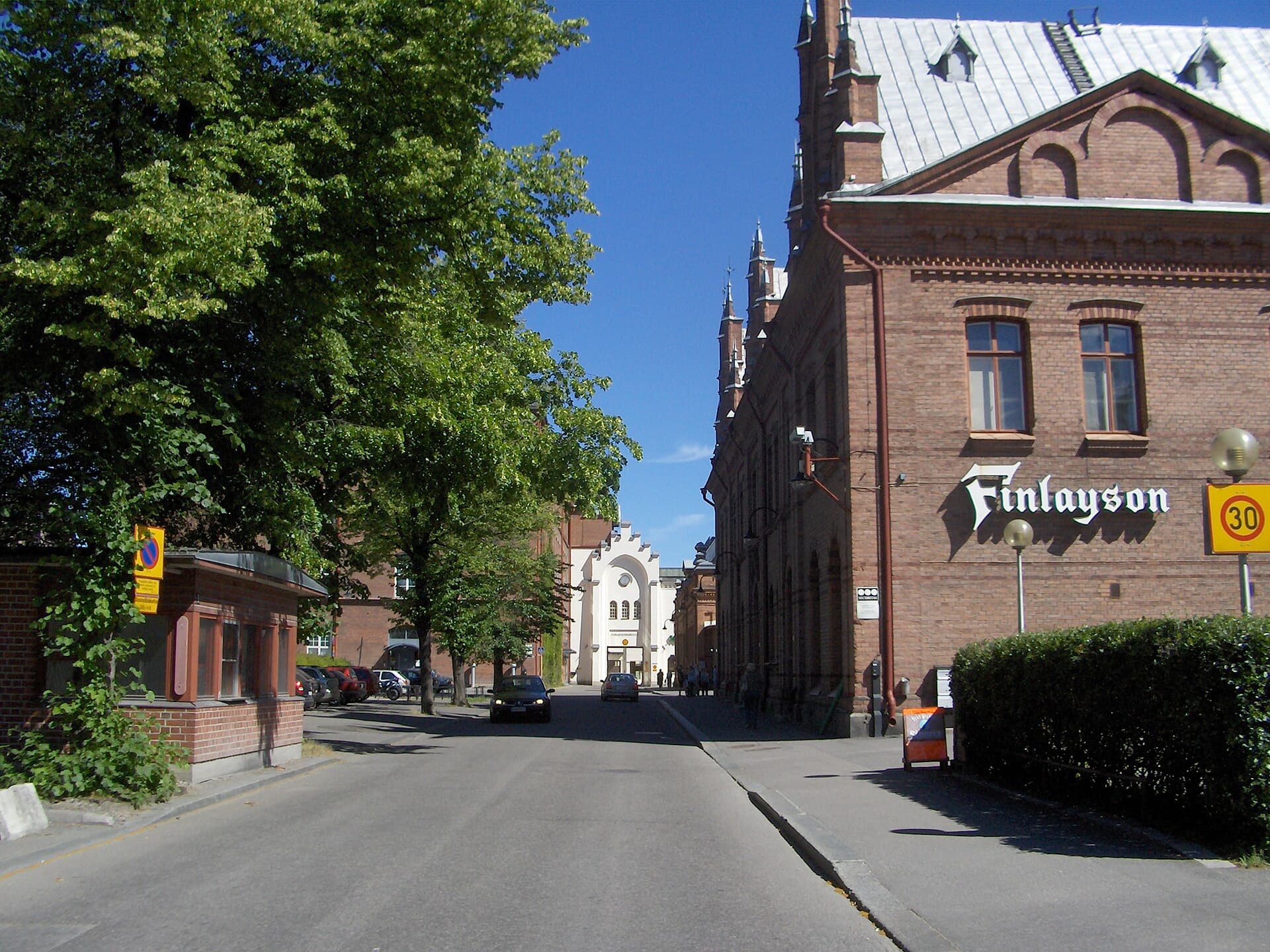 The Finlayson AreaThe factory that made the city: the Scot James Finlayson founded a cotton mill o9 minutes walk4.4
Because Finland was part of the Russian empire but autonomous with its own laws — making it **a safe refuge for Russian revolutionaries** fleeing the tsarist police. The Bolsheviks held conferences there, Lenin stayed repeatedly, and he hid there in 1917 before returning to Petrograd. When Finland declared independence in December 1917, Lenin himself was the first to recognise it — a decision generally read as political calculation rather than generosity. That double relationship — refuge, then threatening neighbour — is the core of Finland's twentieth century, and it is the subject of the exhibition in this building.