
The glass and iron roof
Covering the rectangular court, the building's outstanding feature after restoration.
Photoglob Co., publisher — Public domain · Ricardalovesmonuments — CC BY-SA 4.0 · FrDr — CC BY-SA 4.0 · FrDr — CC BY-SA 4.0
The historic exchange building in central Antwerp, among the first buildings anywhere raised specifically as a commercial exchange. The first bourse on this site dates from 1531, when Antwerp was the most important trading centre in northern Europe. What stands today is not the original: the exchange burned more than once, and the present building is from the 1880s in a neo-Gothic manner. But it reproduces the original plan: a rectangular inner court ringed by a covered arcade, the form later copied by the exchanges of London and Amsterdam. The glass and iron roof over the court is its outstanding feature, and the building was fully restored and reopened in 2019 after decades of closure and neglect. It is used today as an events and conference space rather than a museum. Entry to the court is normally possible at set hours or when no event is on, and the visit is short and entirely architectural.
Covering the rectangular court, the building's outstanding feature after restoration.
The court-and-arcade plan was reproduced in the London and Amsterdam exchanges.
After decades of closure and neglect, a full restoration returned it to use.
Twaalfmaandenstraat, central Antwerp
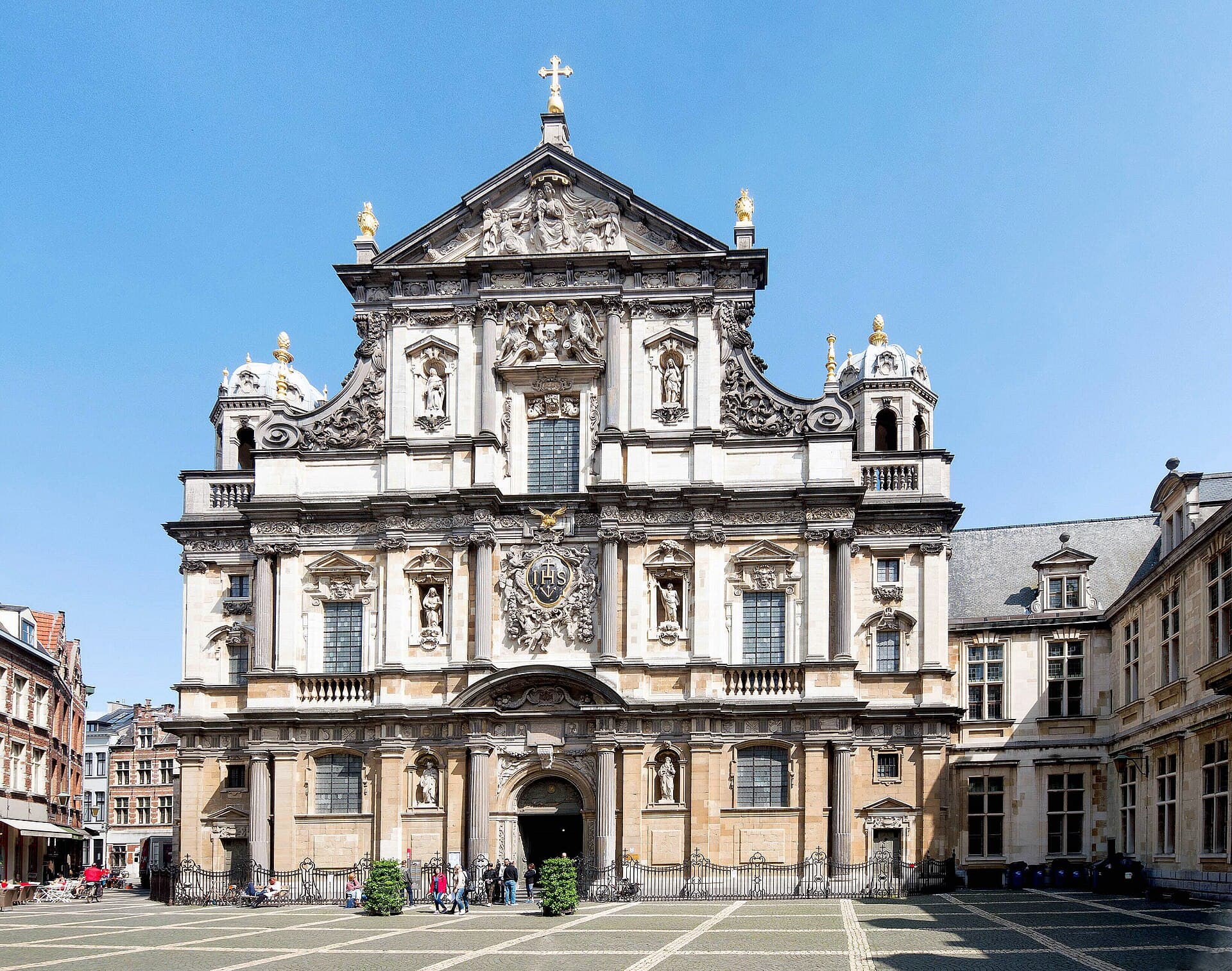 St Charles Borromeo ChurchSt Charles Borromeo is the baroque Jesuit church (1615–1621) and the first great3 minutes walk4.7
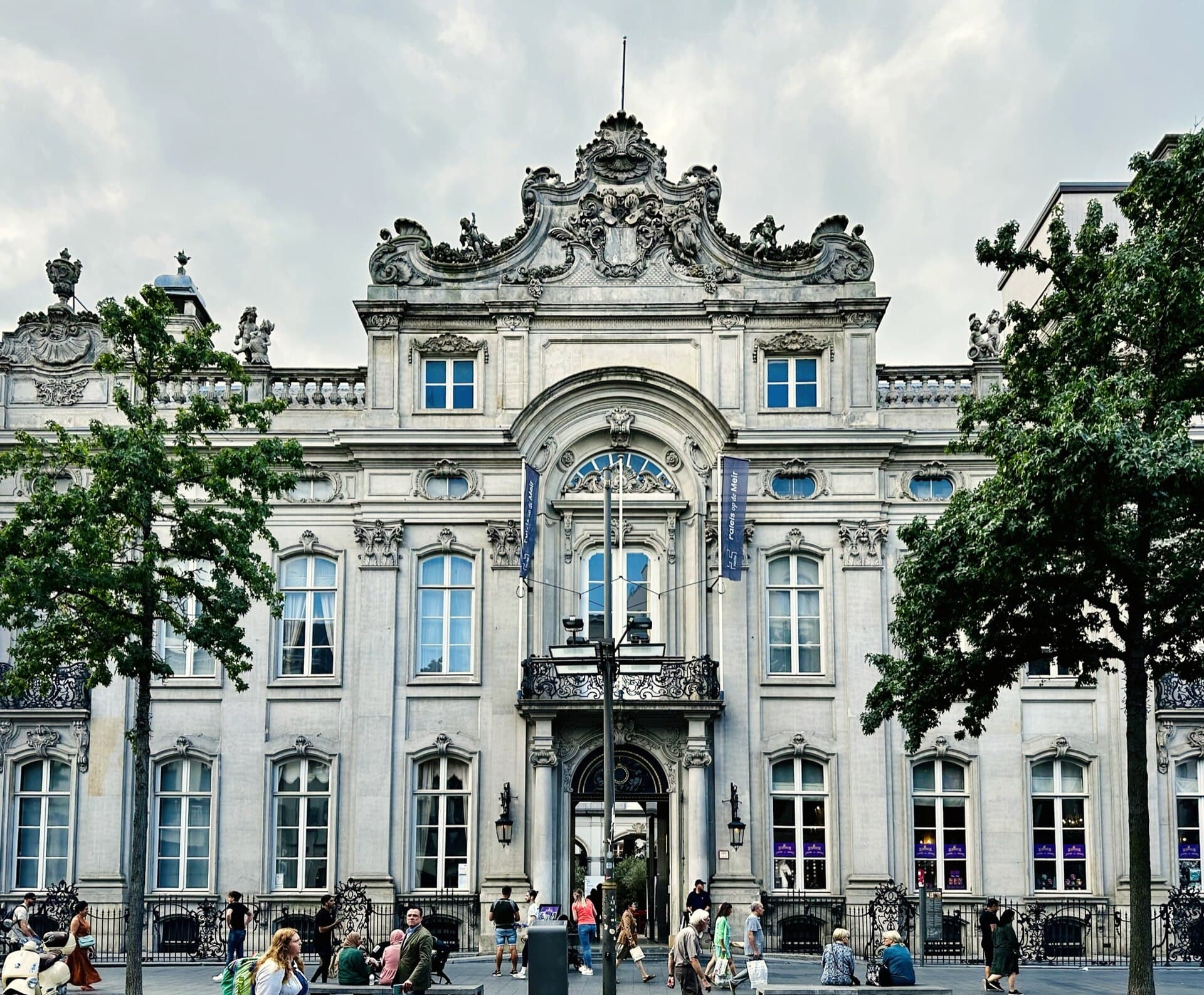 Palace on the MeirThe Palace on the Meir is a rococo palace of 1745 in the heart of Antwerp's most3 minutes walk4.2
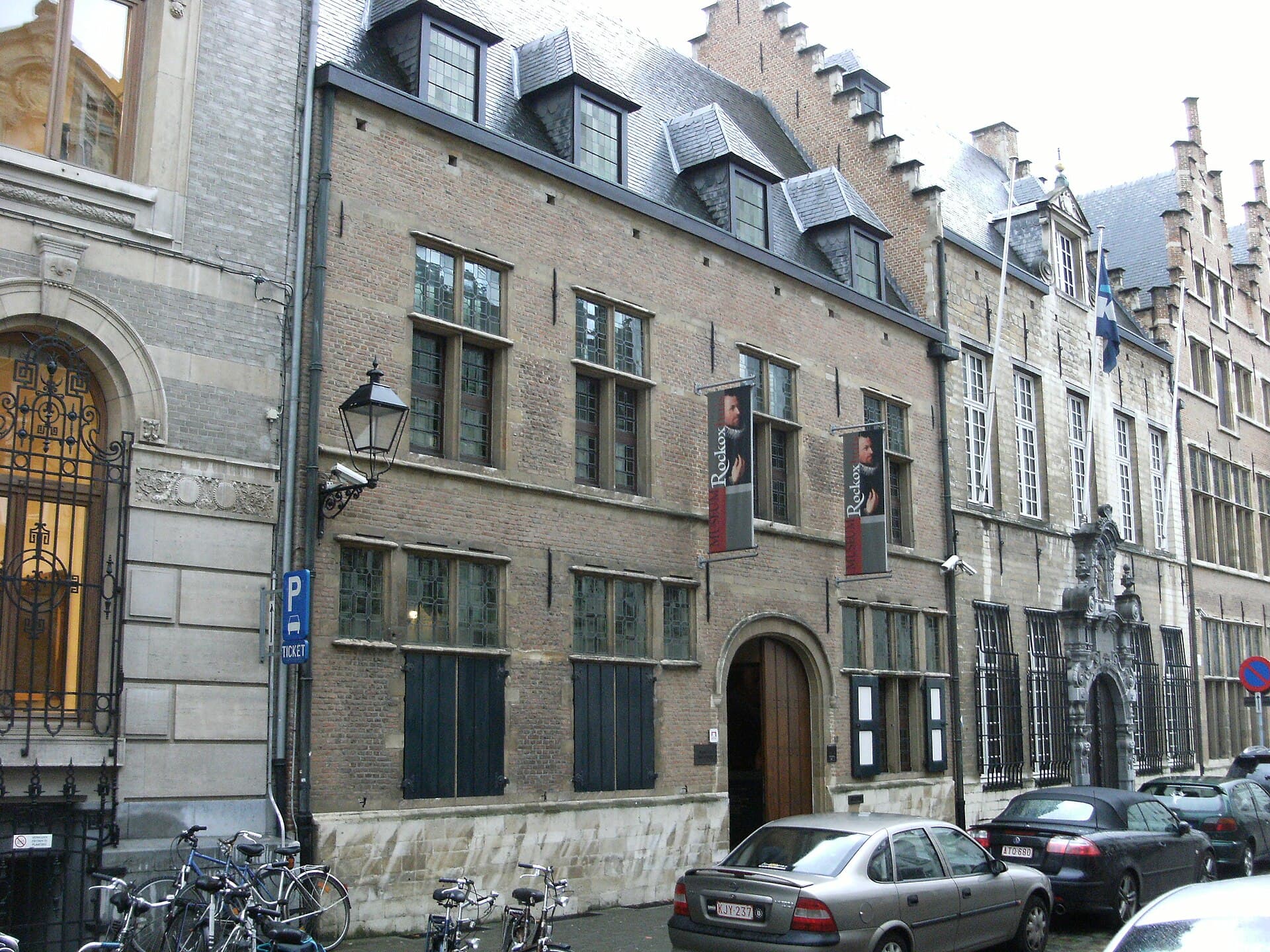 Snijders&Rockox HouseThe Snijders&Rockox House is two adjoining seventeenth-century houses of two fig3 minutes walk4.7
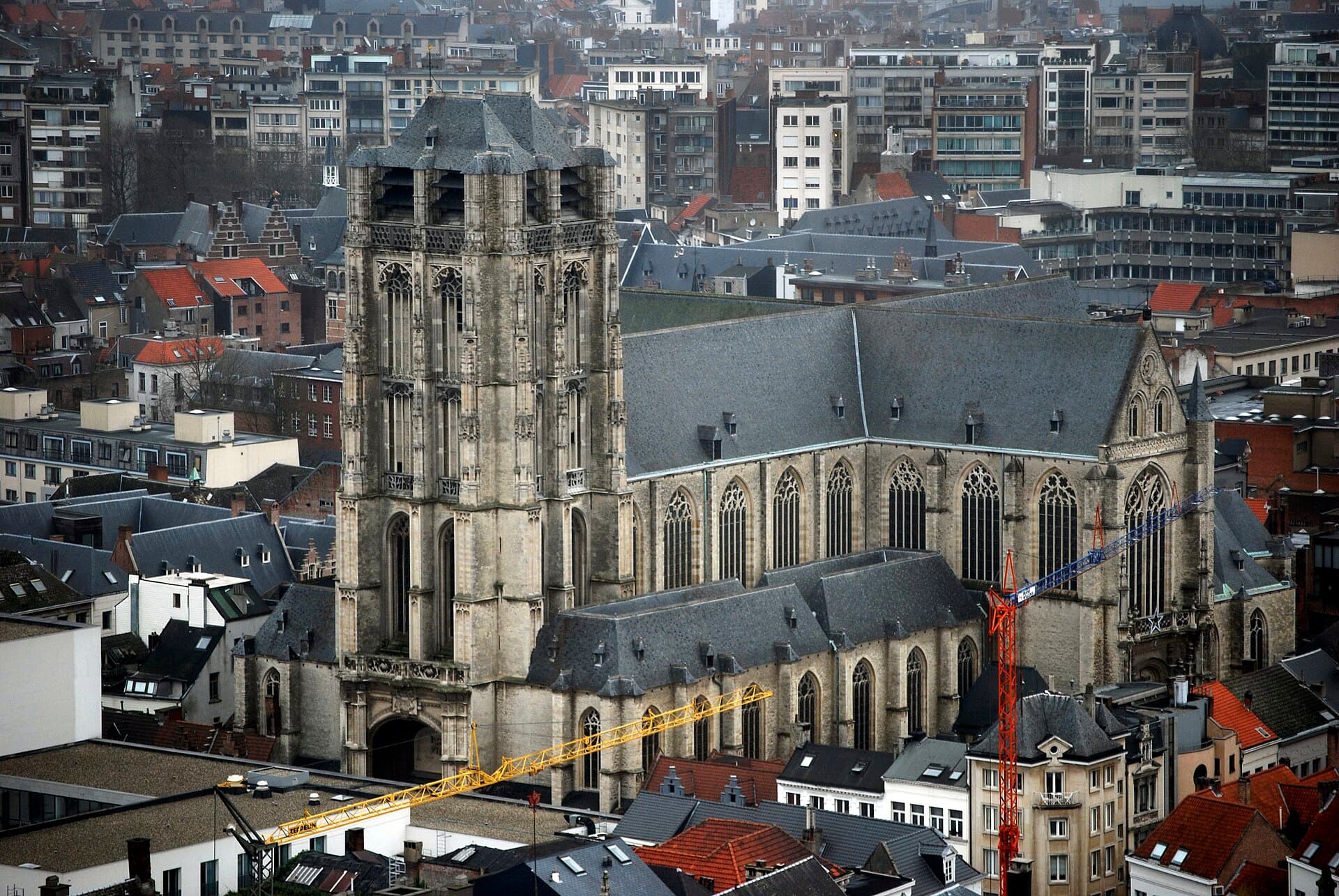 St James's Church (Rubens' Tomb)St James's Church is Rubens' resting place: a huge late-Gothic church (1491–16564 minutes walk4.6
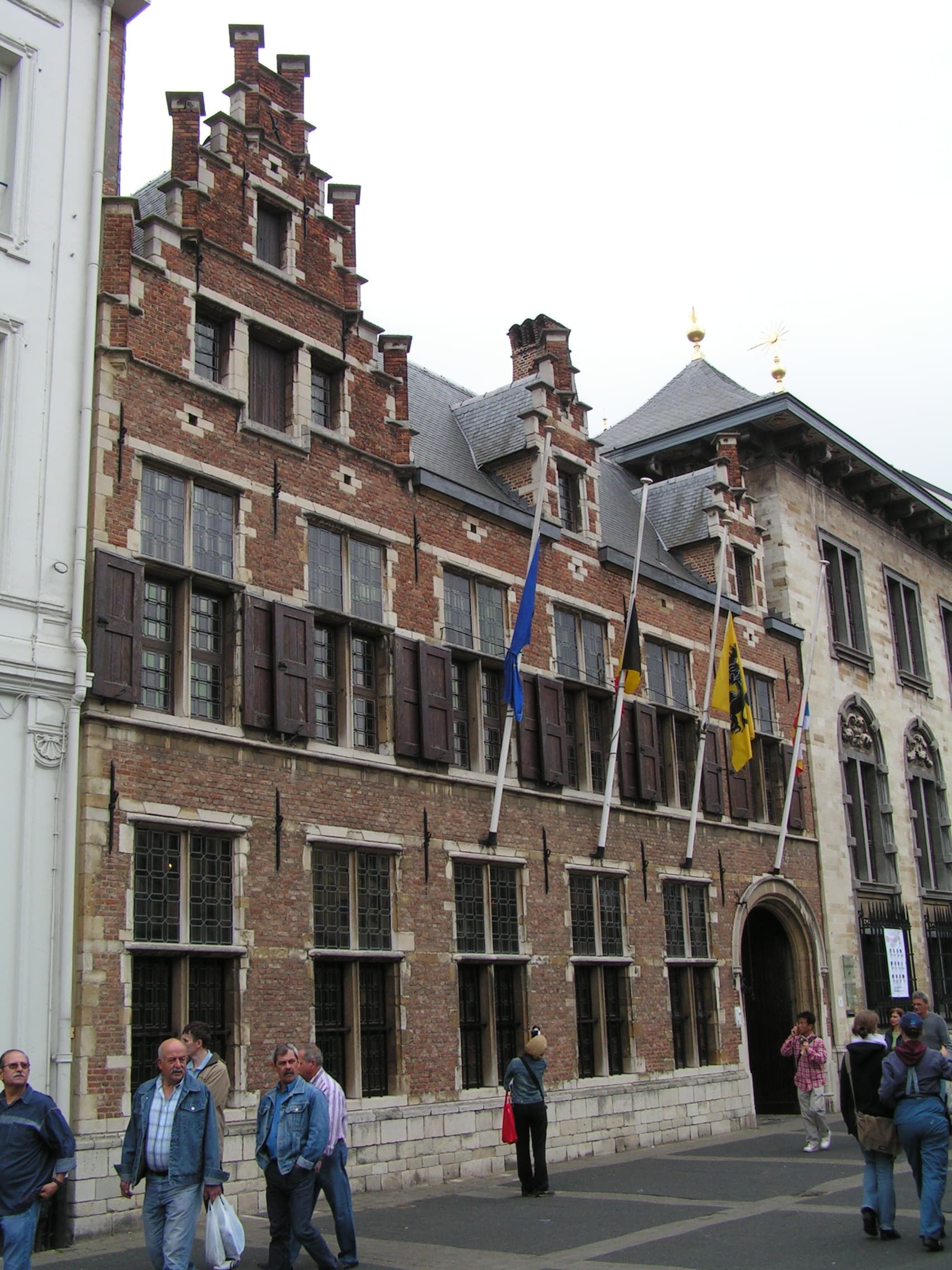 Rubens HouseThe Rubens House is the palace Peter Paul Rubens built for himself in 1610 on re4 minutes walk4.3
In the sixteenth century Antwerp was the most important port and the largest financial centre in northern Europe, handling the spice, textile and New World silver trades. That prosperity built the city you see, and it ended with the siege of 1585 and the closing of the Scheldt to shipping.
No. The building works as an events and conference space and may close to visitors for whole days. Entry to the court is normally free at set hours when no event is running. If the building is your main reason for coming, check the position for your day.