
The Rubens chapel
Our Lady Surrounded by Saints — Rubens and family in the painting.
Lieven Smits — CC BY-SA 3.0 · Qwertzu111111 — CC BY-SA 4.0 · FrDr — CC BY-SA 4.0 · FrDr — CC BY-SA 4.0
St James's Church is Rubens' resting place: a huge late-Gothic church (1491–1656) that was the church of Antwerp's wealthy and nobles — so its interior is grander than the cathedral's, with marble baroque altars, family tombs bearing gilded arms and sculptures by Antwerp's great carvers (Quellinus and Verbrugghen) in 23 chapels, and it was a station on the Santiago pilgrimage route (hence the name). Behind the high altar is the Rubens family chapel: the painter was buried here in 1640, and above his tomb hangs his painting "Our Lady Surrounded by Saints" which he painted for himself — said to depict himself (as St George), his two wives and his father. The quietest and deepest Rubens visit in the city, far from the cathedral's crowds. The interior was fully restored in recent years. Five minutes from the Meir and the Rubens House — open afternoons for a token fee. For the Rubens and baroque lover: an unmissable stop.
Our Lady Surrounded by Saints — Rubens and family in the painting.
Baroque marble and the gilded tombs of Antwerp's nobles.
Lange Nieuwstraat 73, 2000 Antwerp
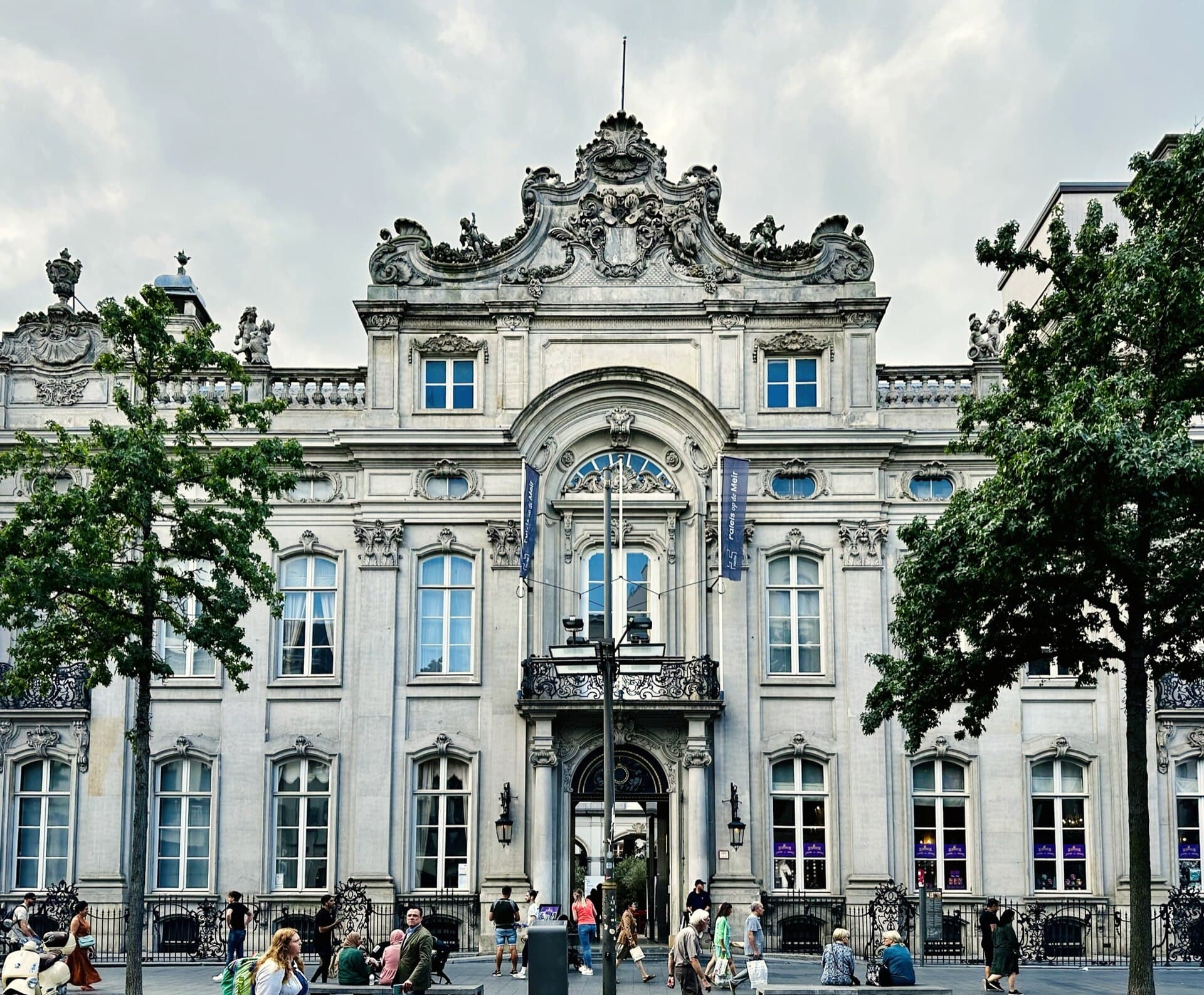 Palace on the MeirThe Palace on the Meir is a rococo palace of 1745 in the heart of Antwerp's most4 minutes walk4.2
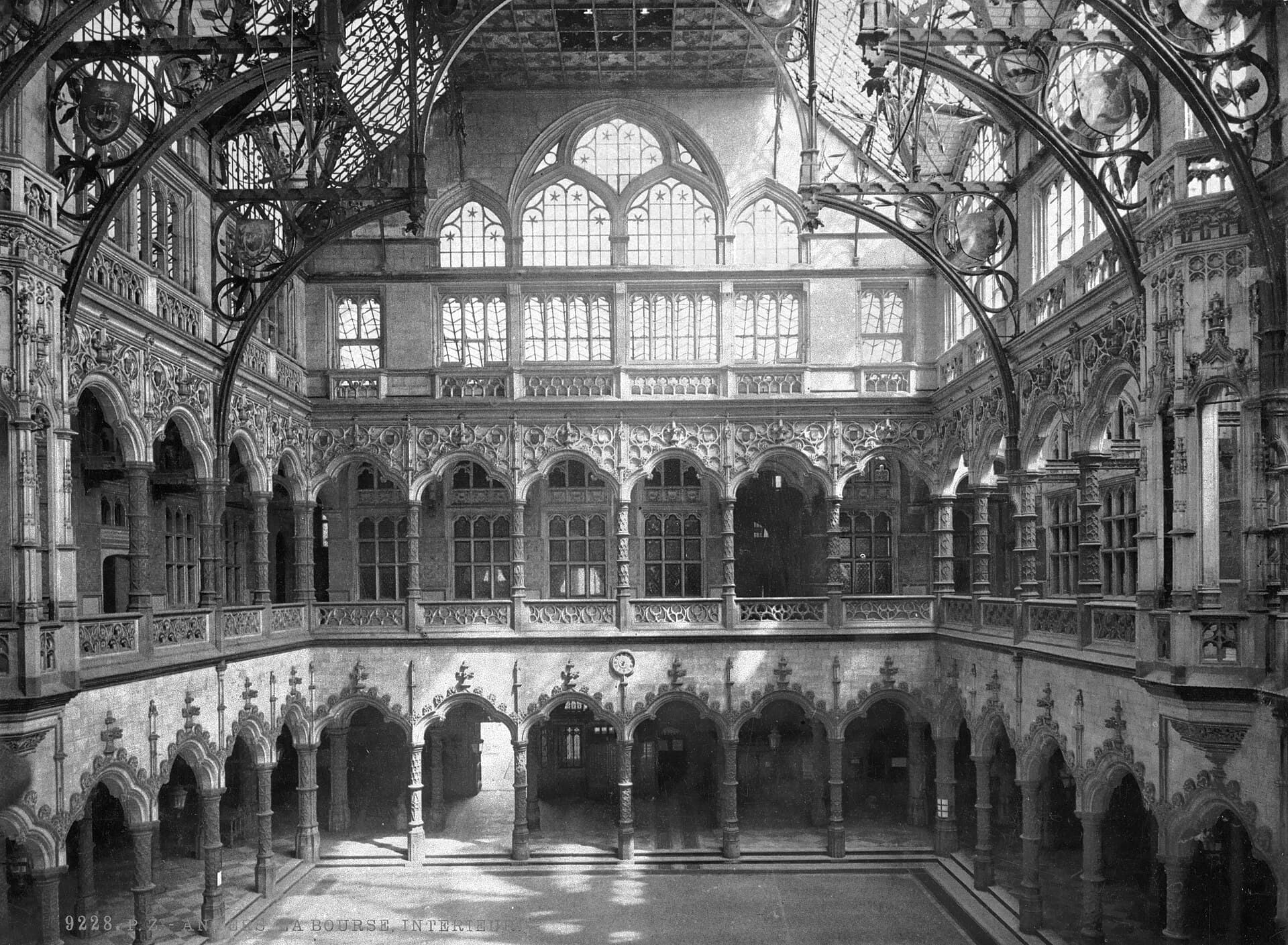 Antwerp Stock Exchange (Handelsbeurs)The historic exchange building in central Antwerp, among the first buildings any4 minutes walk4.6
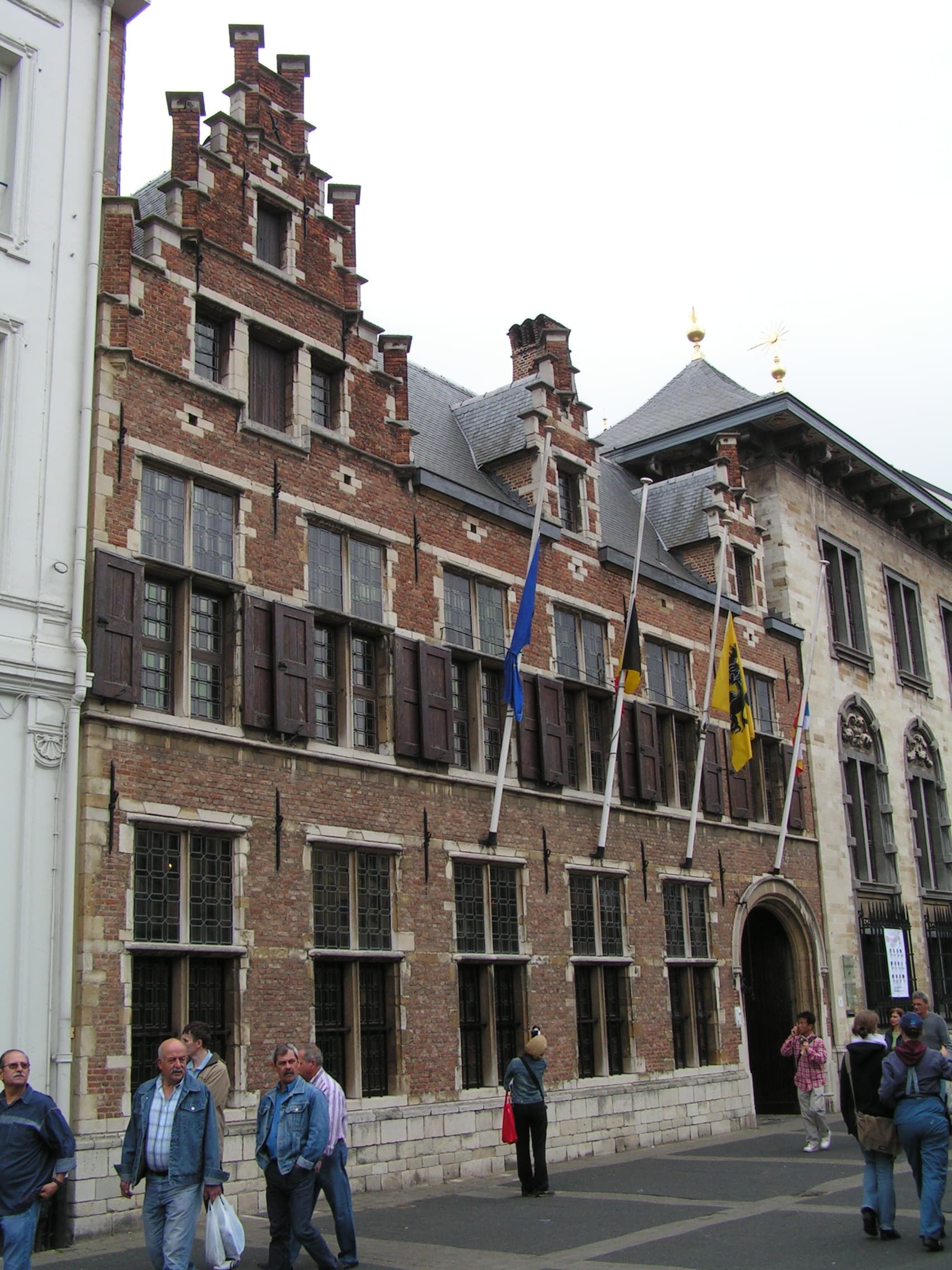 Rubens HouseThe Rubens House is the palace Peter Paul Rubens built for himself in 1610 on re4 minutes walk4.3
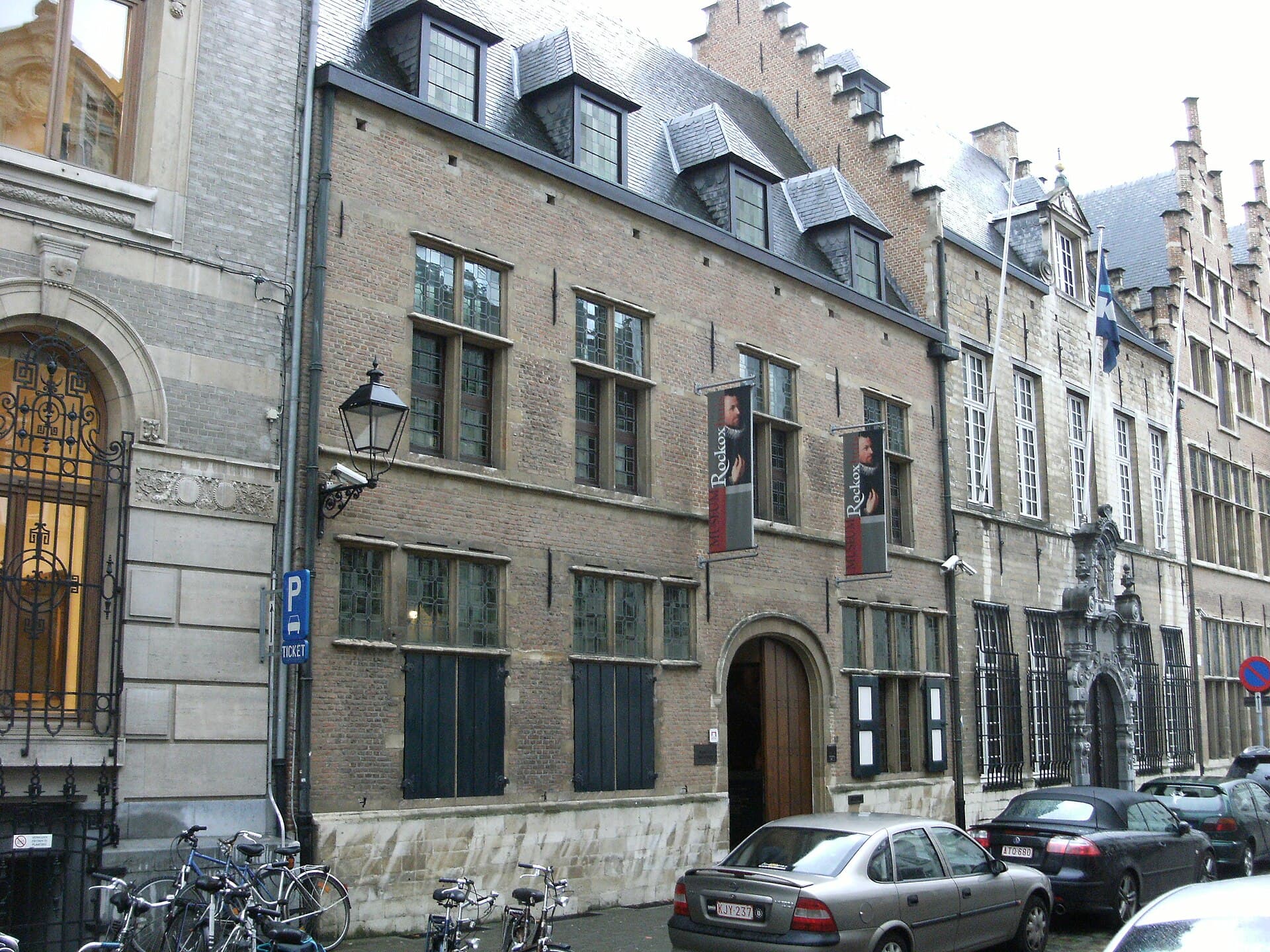 Snijders&Rockox HouseThe Snijders&Rockox House is two adjoining seventeenth-century houses of two fig4 minutes walk4.7
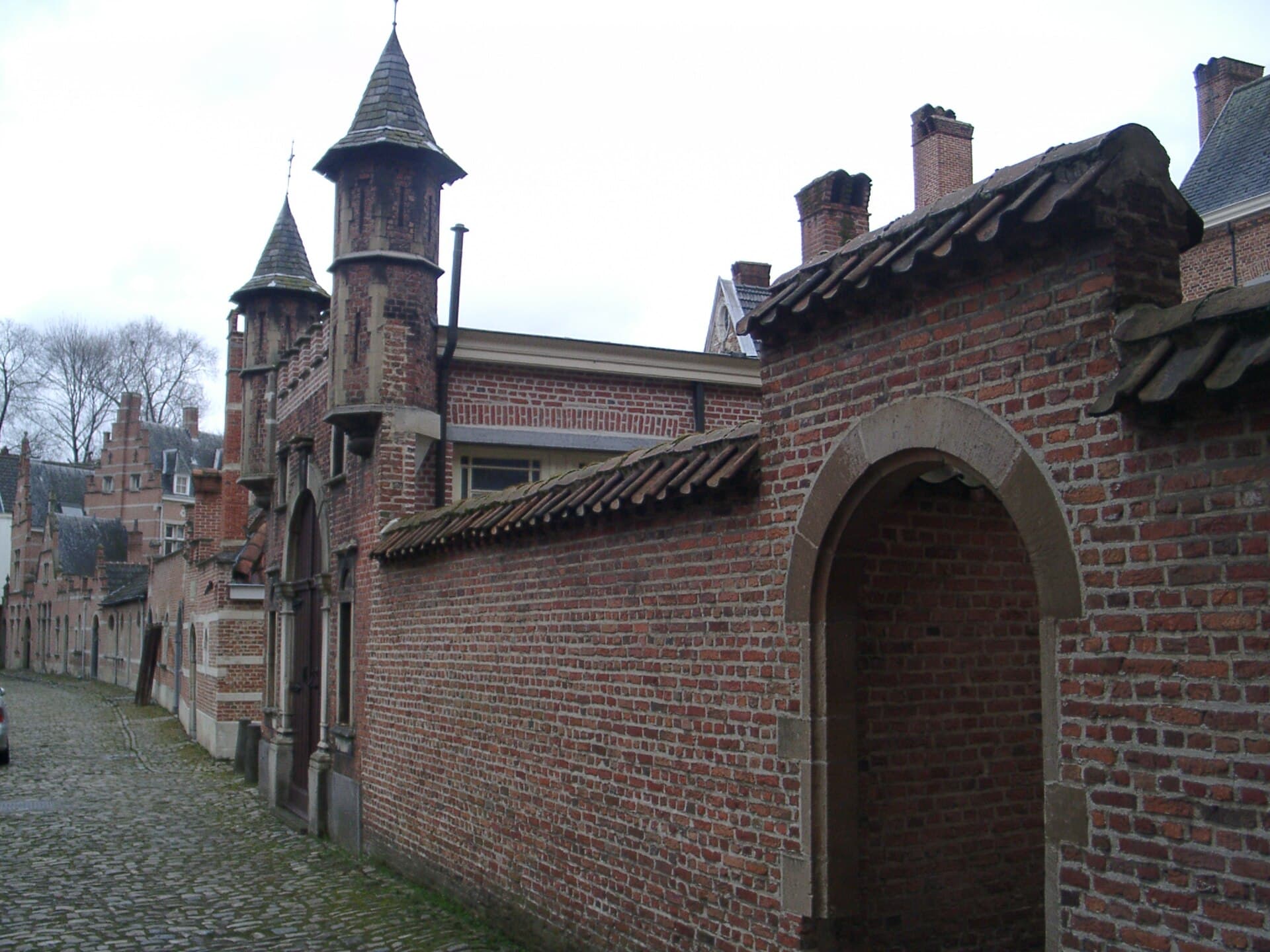 Beguinage of AntwerpAntwerp's beguinage is a hidden oasis of silence on the edge of the old town: a 5 minutes walk4.7
Tradition says so: St George in armour is Rubens, the Virgin his second wife Helena Fourment, the Magdalene his first wife Isabella Brant, and the old man his father or grandfather. Never proven for certain, but the painting was made for his funerary chapel late in life, and the idea enriches the visit — stand before it and look for the faces.