
The art cabinet
How the golden age's wealthy collected their paintings.
Mark Ahsmann — CC BY-SA 3.0 · Dosseman — CC BY-SA 4.0 · FrDr — CC BY-SA 4.0 · FrDr — CC BY-SA 4.0
The Snijders&Rockox House is two adjoining seventeenth-century houses of two figures of Antwerp's golden age: Nicolaas Rockox, mayor of the city, humanist collector and Rubens' friend and first patron, and Frans Snijders, the most famous painter of animals and still life (he painted the animals in Rubens' works). The two houses were restored and opened as one museum in 2018, recreating the atmosphere of a wealthy Flemish collector's home. The rooms are furnished with period pieces around an inner courtyard with a small garden, and on their walls hangs a first-rate collection (on loan from the KMSKA during its closure and after): Rubens, Van Dyck, Jordaens and Snijders himself, Quentin Matsys, Brueghel the Younger, plus manuscripts and ceramics — an "art cabinet" as the rich collected. A quiet museum explaining how Antwerp's wealthy lived and collected when the city was the centre of the world. Five minutes from the Grote Markt on the quiet Keizerstraat — for the golden-age lover after the cathedral.
How the golden age's wealthy collected their paintings.
A seventeenth-century rest in the city.
Keizerstraat 10-12, 2000 Antwerp
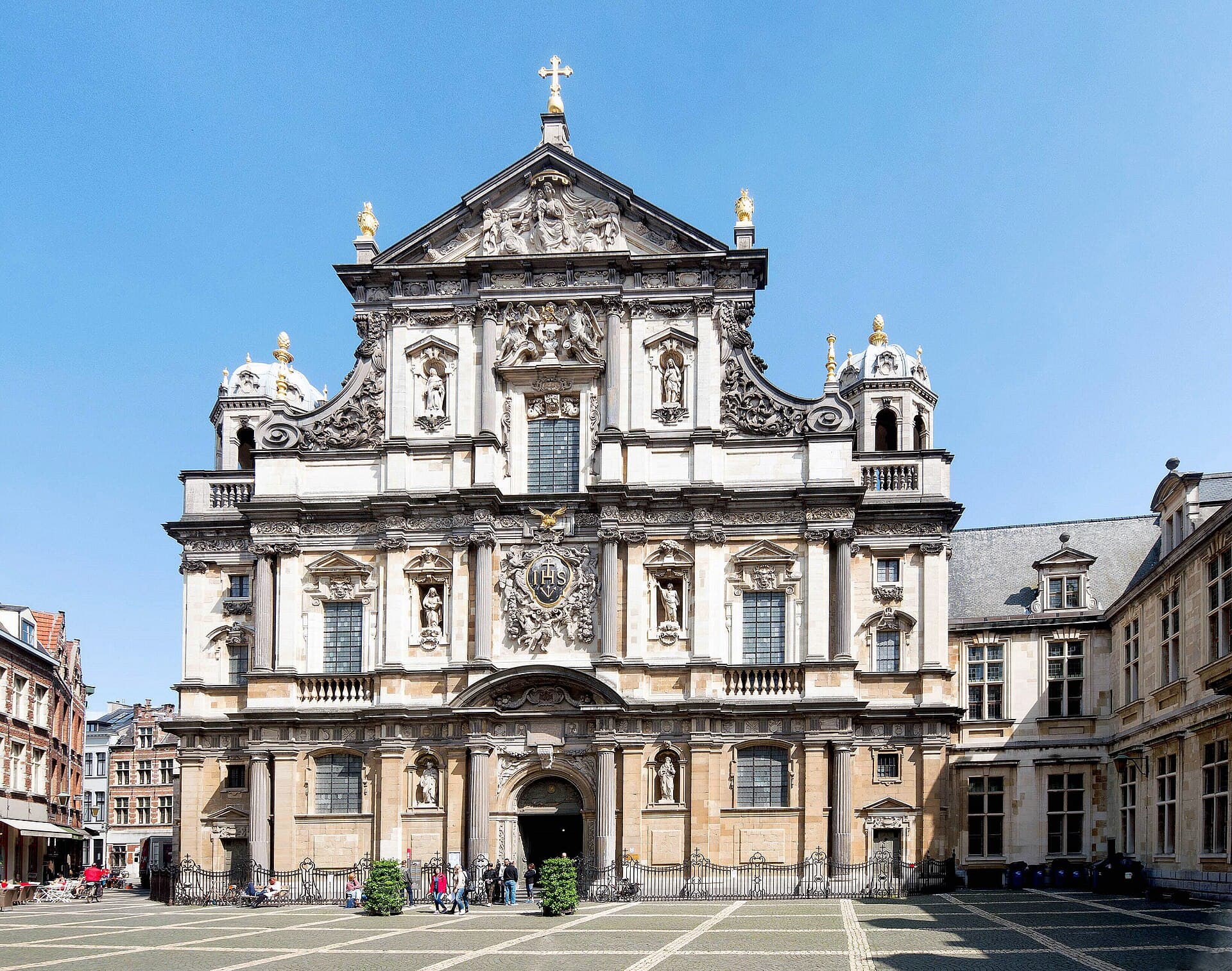 St Charles Borromeo ChurchSt Charles Borromeo is the baroque Jesuit church (1615–1621) and the first great2 minutes walk4.7
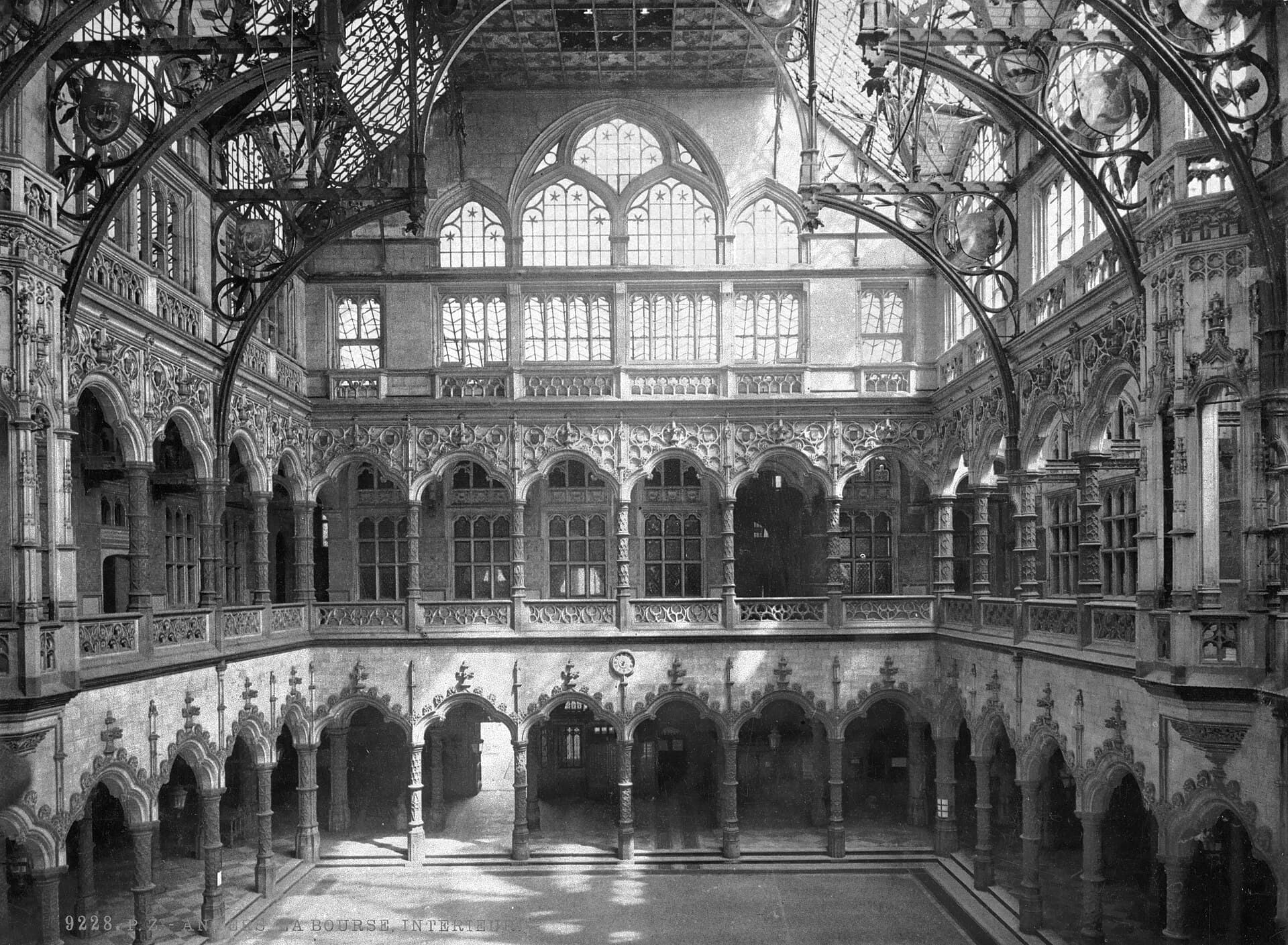 Antwerp Stock Exchange (Handelsbeurs)The historic exchange building in central Antwerp, among the first buildings any3 minutes walk4.6
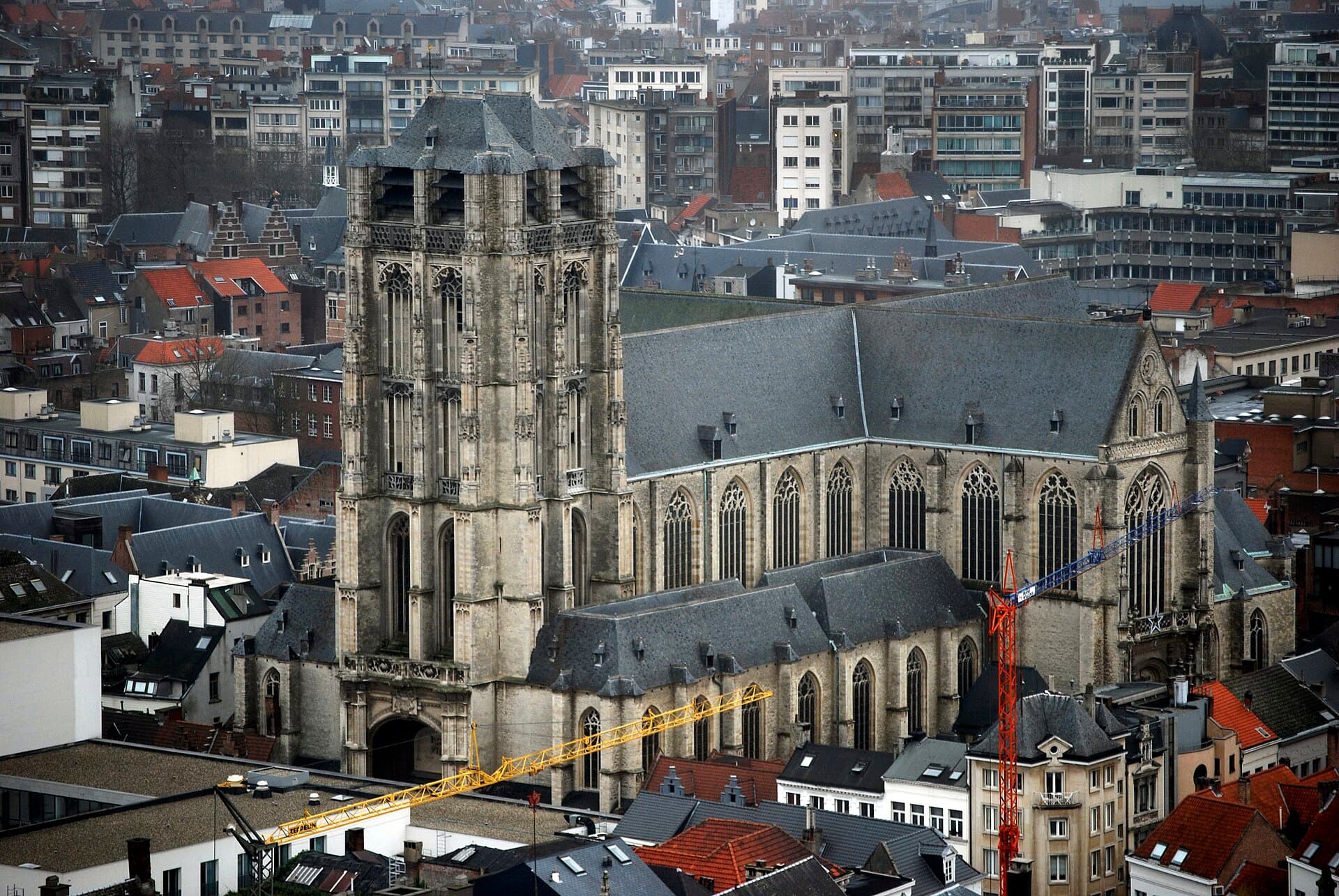 St James's Church (Rubens' Tomb)St James's Church is Rubens' resting place: a huge late-Gothic church (1491–16564 minutes walk4.6
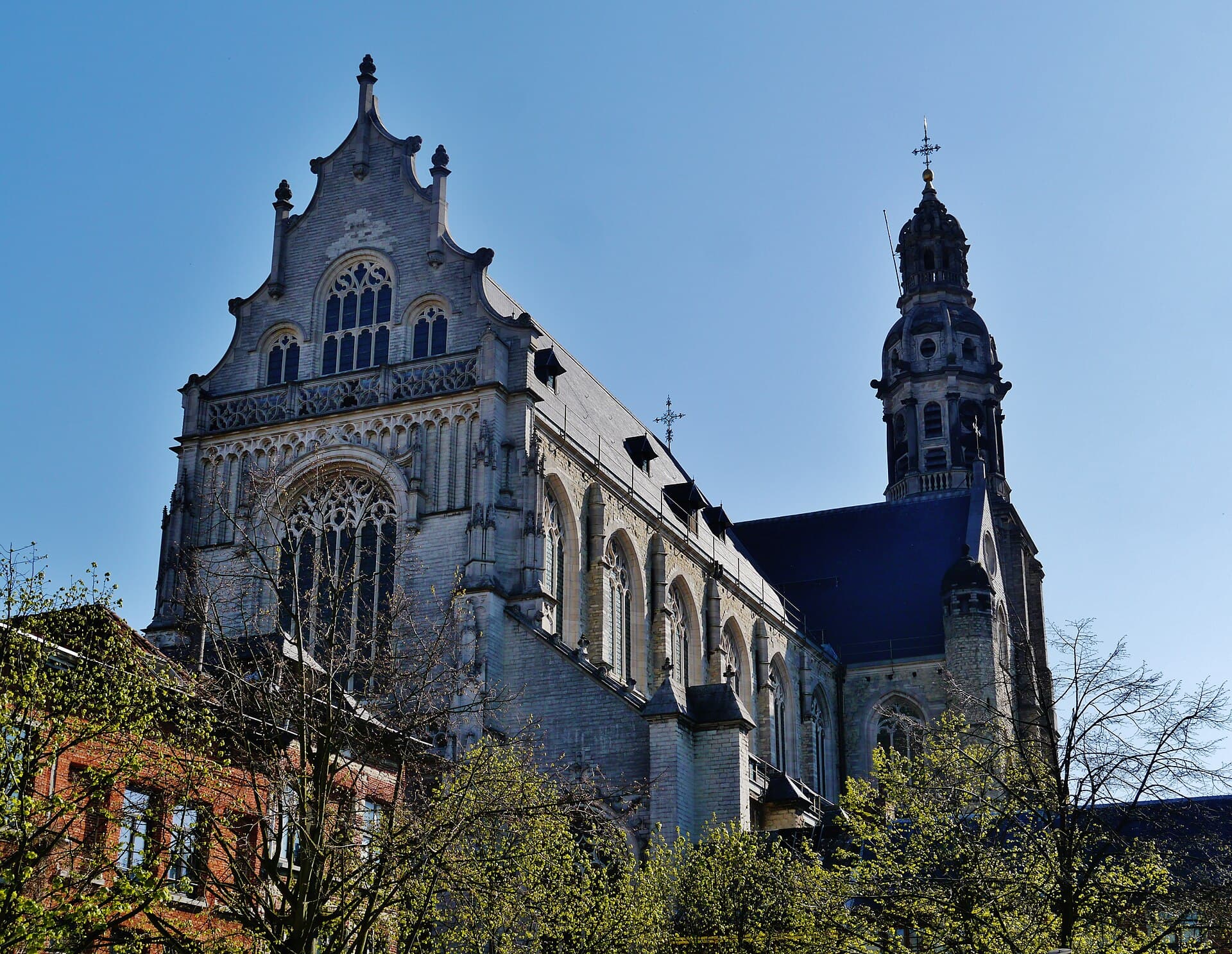 St Paul's ChurchSt Paul's Church is Antwerp's hidden treasure: the Gothic Dominican church (15715 minutes walk4.5
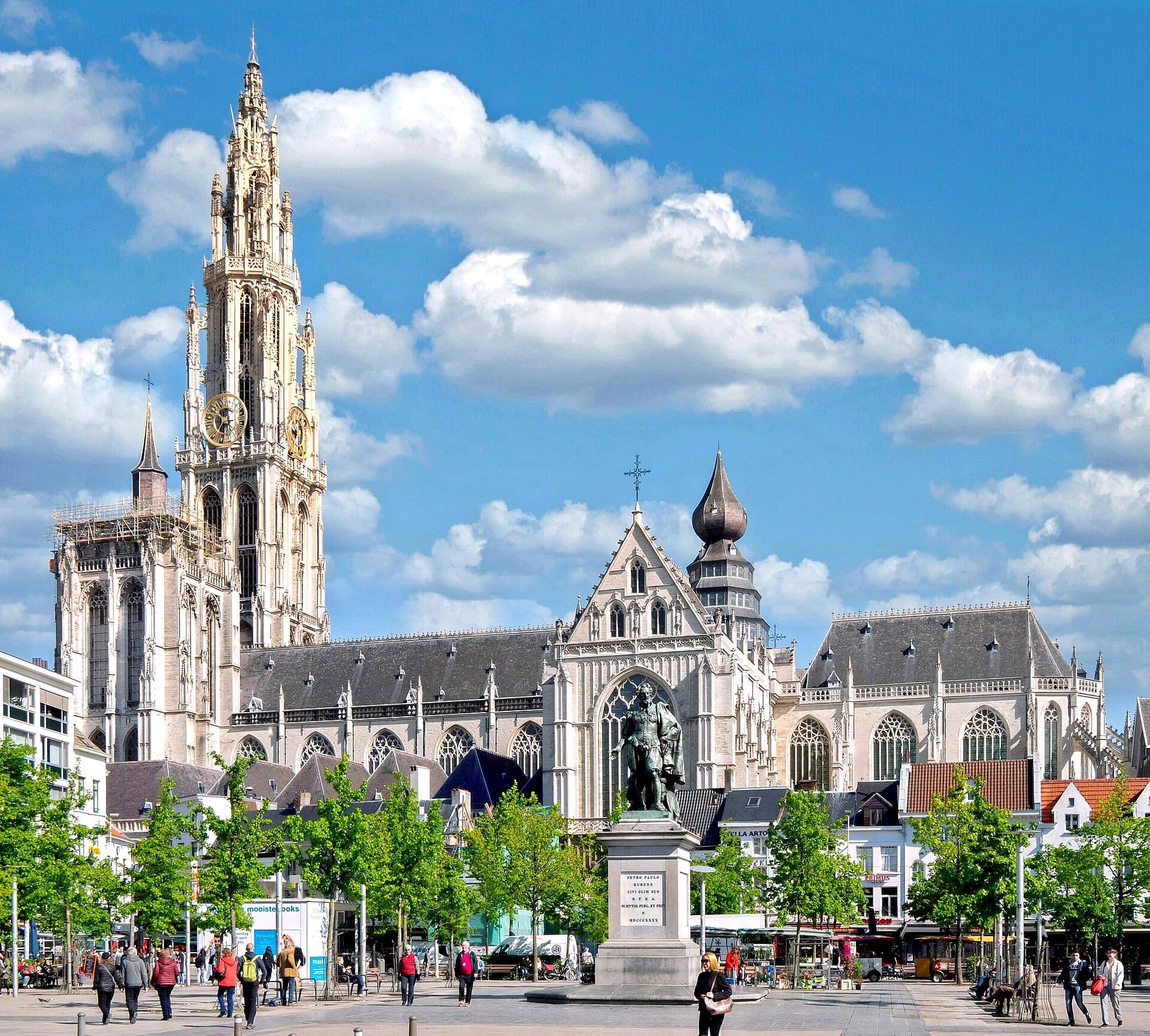 Cathedral of Our LadyAntwerp's Cathedral of Our Lady is the largest and greatest Gothic church in the5 minutes walk4.7
Yes, especially now: it is the closest thing to the feel of a wealthy Antwerp house of Rubens' era with original paintings — an excellent substitute for the Rubens House during its restoration, and quieter. An hour suffices. Combine it with the neighbouring St Charles Borromeo's Church.