
The Punt expedition reliefs
Ships, monkeys and incense trees — a living record of a real trading voyage.
Ian Lloyd — CC BY-SA 3.0 · Holger Uwe Schmitt — CC BY-SA 4.0 · Holger Uwe Schmitt — CC BY-SA 4.0 · Holger Uwe Schmitt — CC BY-SA 4.0
The mortuary temple of Queen Hatshepsut, set into the foot of an immense rock cliff at Deir el-Bahari — and the ancient Egyptian building that looks most modern to a contemporary eye. Three stepped terraces are reached by straight ramps, with colonnades of plain square pillars and severe horizontal lines set against the vertical cliff behind. Nothing in Egyptian architecture resembles it, which is why so many people compare it with modern buildings despite its three and a half thousand years. Its architect was Senenmut. Hatshepsut herself is the temple's story: a woman who ruled Egypt as pharaoh for more than twenty years, and who had herself shown in the reliefs wearing the pharaoh's false beard and male royal dress, because the office itself required it. After her death Thutmose III attempted to erase her name and images from the temple and from the records, and the traces of that erasure are visible on the walls — figures deliberately chiselled away. That erasure is the thing you can actually see and have explained. Its most important reliefs are the register showing the trading expedition to the land of Punt: ships, monkeys and incense trees, a living record of a real voyage. On the upper terrace are chapels of Hathor and Anubis with colours still strong. The temple is entirely open and the cliff behind reflects the sun's heat — an early morning visit is essential in summer. An hour to an hour and a quarter, and it visits with the nearby Valley of the Kings on a west bank day.
Ships, monkeys and incense trees — a living record of a real trading voyage.
Hatshepsut's figures deliberately chiselled from the walls, plainly visible.
On the upper terrace, with colours still strong.
Deir el-Bahari, West Bank, Luxor
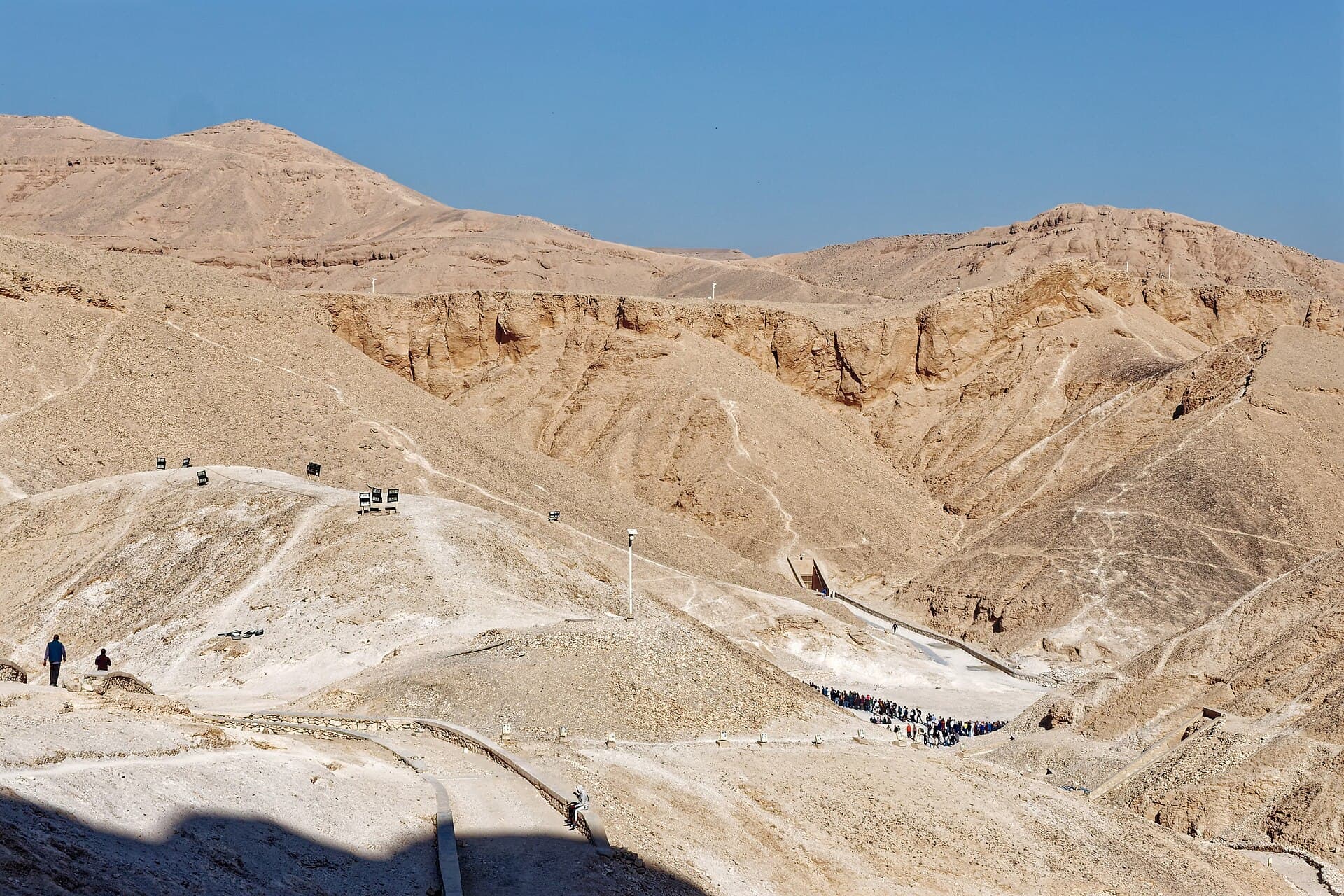 Valley of the KingsThe royal necropolis of the New Kingdom — a rock valley on the west bank where E7 minutes walk4.7
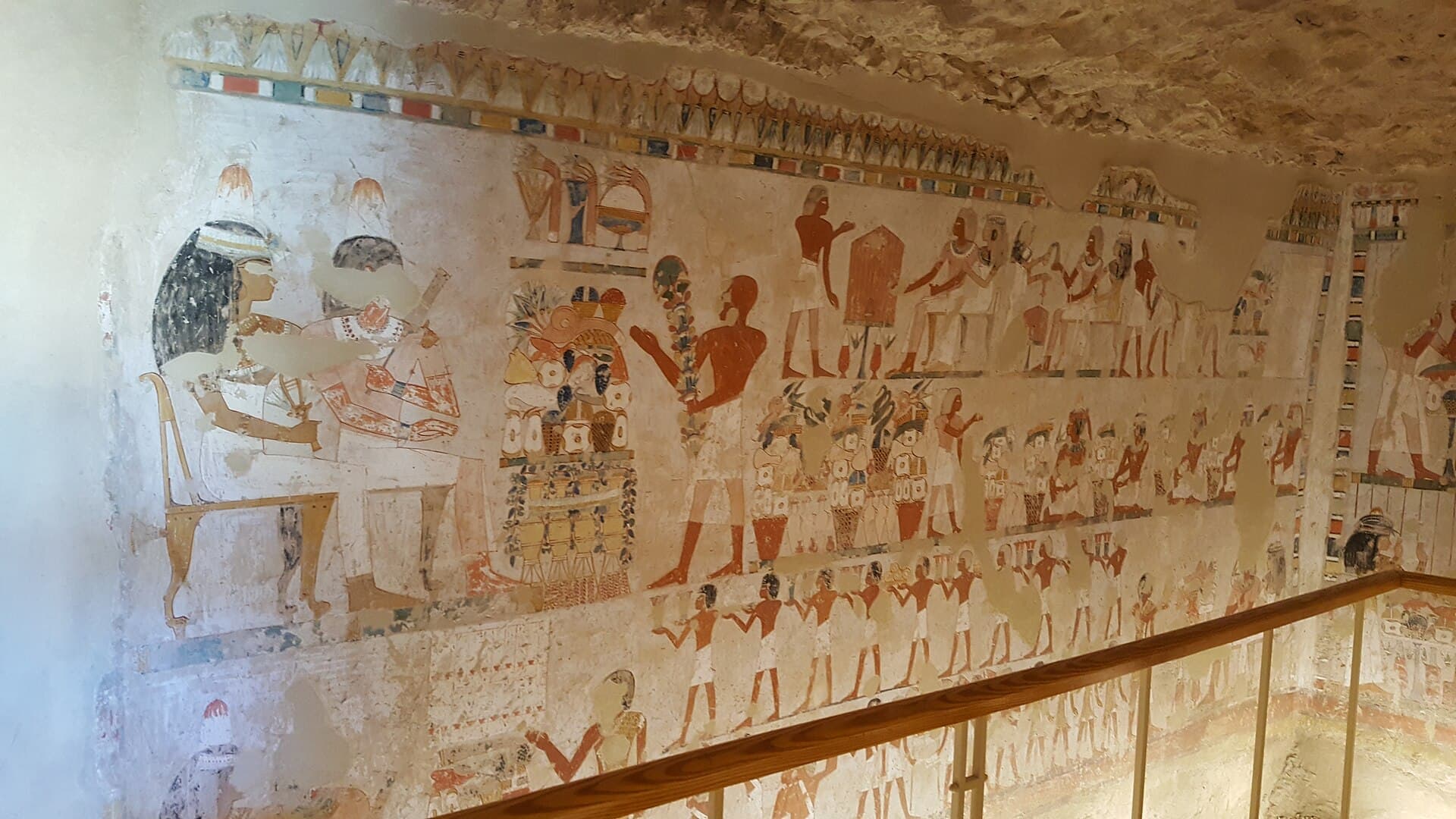 Tombs of the Nobles (Sheikh Abd el-Qurna)A necropolis on the slopes of the West Bank hills, the largest group of private 11 minutes walk4.4
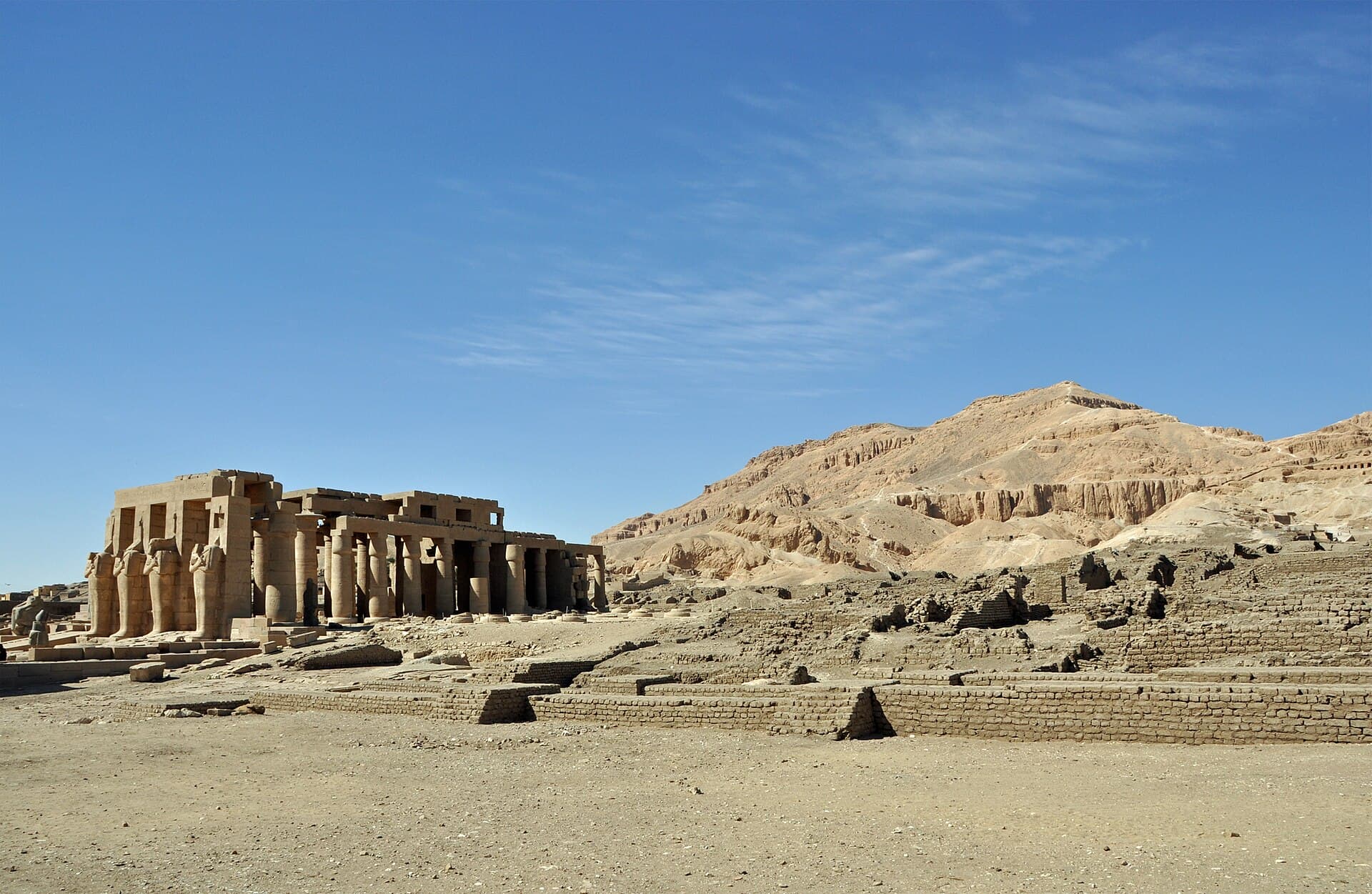 RamesseumThe memorial temple of Ramesses II on Luxor's West Bank, built to keep his memor15 minutes walk4.6
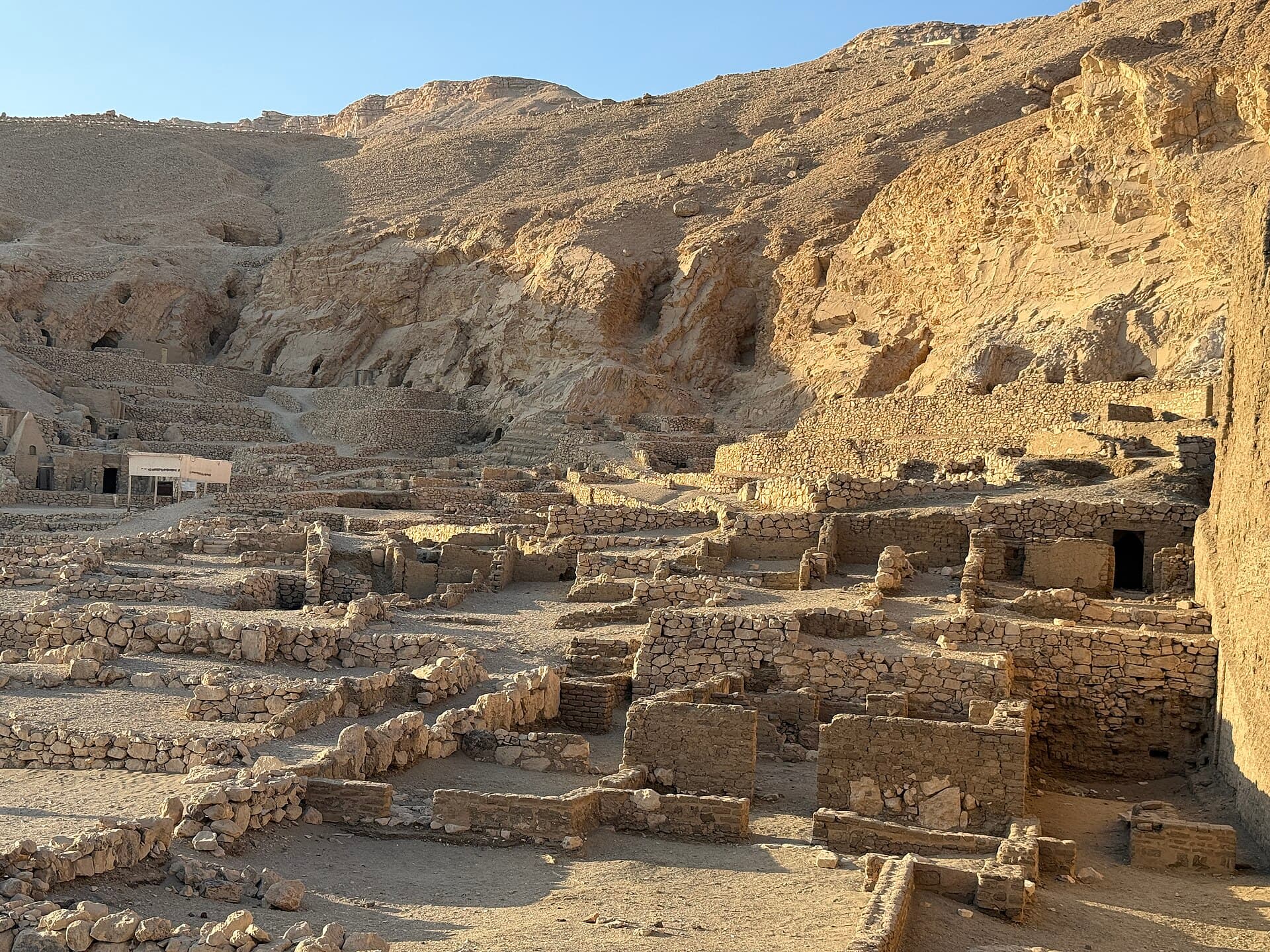 Deir el-Medina (Workers' Village)The village of the craftsmen and artists who cut and decorated the royal tombs i16 minutes walk4.8
 Valley of the QueensA rocky valley on Luxor's West Bank where queens, princes, princesses and senior22 minutes walk4.6
Historians mostly think it was not immediate personal revenge — the erasure began years into his reign rather than at once. The common explanation is that he wanted to secure the succession for his son and remove from the official record the precedent of a woman ruling as pharaoh. The erasure is selective: her images as pharaoh were destroyed while she survives as queen in places.
An hour to an hour and a quarter. The temple is clear and orderly and does not require getting lost the way Karnak does. The effort is all in climbing the terraces under the sun, so make it the second stop of the morning right after the Valley of the Kings rather than the end of the day.