
The tomb of Ramesses VI
Among the richest in relief and colour, with one of the greatest astronomical ceilings.
Holger Uwe Schmitt — CC BY-SA 4.0 · Holger Uwe Schmitt — CC BY-SA 4.0 · Holger Uwe Schmitt — CC BY-SA 4.0 · Marc Ryckaert — CC BY-SA 4.0
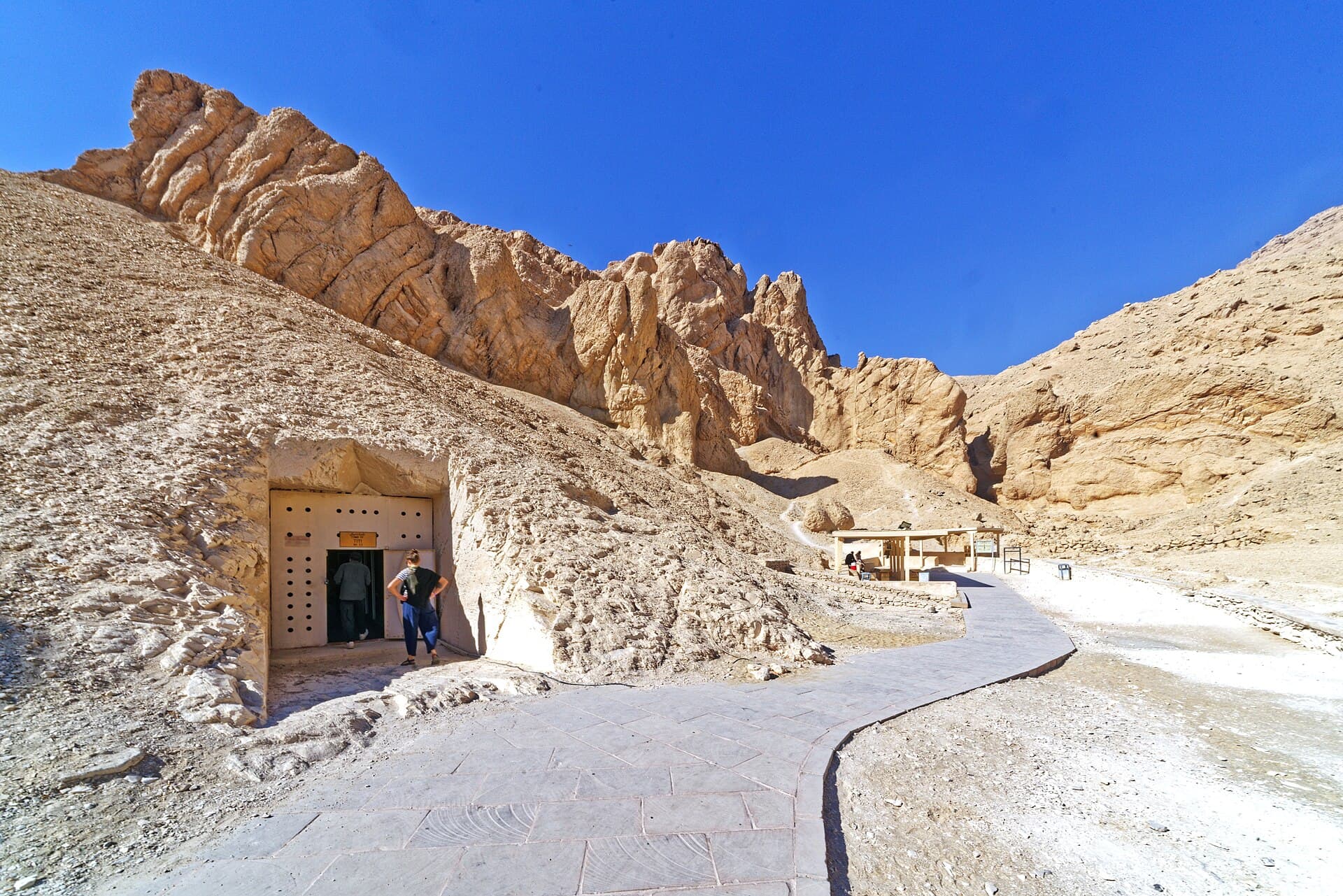
The royal necropolis of the New Kingdom — a rock valley on the west bank where Egypt's pharaohs were buried for some five hundred years, and where more than sixty tombs have been found so far. The site was chosen for an obvious reason: the pyramids announced themselves and every one of them was robbed. So the kings of the New Kingdom decided to hide their tombs — tunnels cut into an isolated mountain behind a peak that is naturally pyramid-shaped. Most were robbed anyway, except one that survived because the debris of another tomb buried its entrance: that of Tutankhamun. The most important practical thing to know before buying: the general ticket admits you to three tombs only, from a list that changes according to what is open. Tutankhamun's tomb is a separate extra ticket, and Seti I's a much more expensive one. A great many visitors discover this at the gate. A frank recommendation: Tutankhamun's tomb is small and its decoration limited, because the king died young and suddenly and it was never properly finished; his mummy is there. Anyone paying for the paintings will be disappointed; anyone paying for the place itself and what it means will not regret it. The tombs of Ramesses VI and Seti I are far richer in relief and colour. The colours inside the tombs survive to a degree that shocks people: blue, red and yellow three thousand years old looking as though painted yesterday, because the tunnels are sealed, dark and dry. The valley is very hot with no shade at all and the rock radiates heat — visiting after ten in the morning in summer is genuinely punishing.
Among the richest in relief and colour, with one of the greatest astronomical ceilings.
Small and unfinished in decoration, holding his mummy — a separate ticket.
The longest and finest in the valley, and by far the most expensive ticket.
West Bank, Luxor
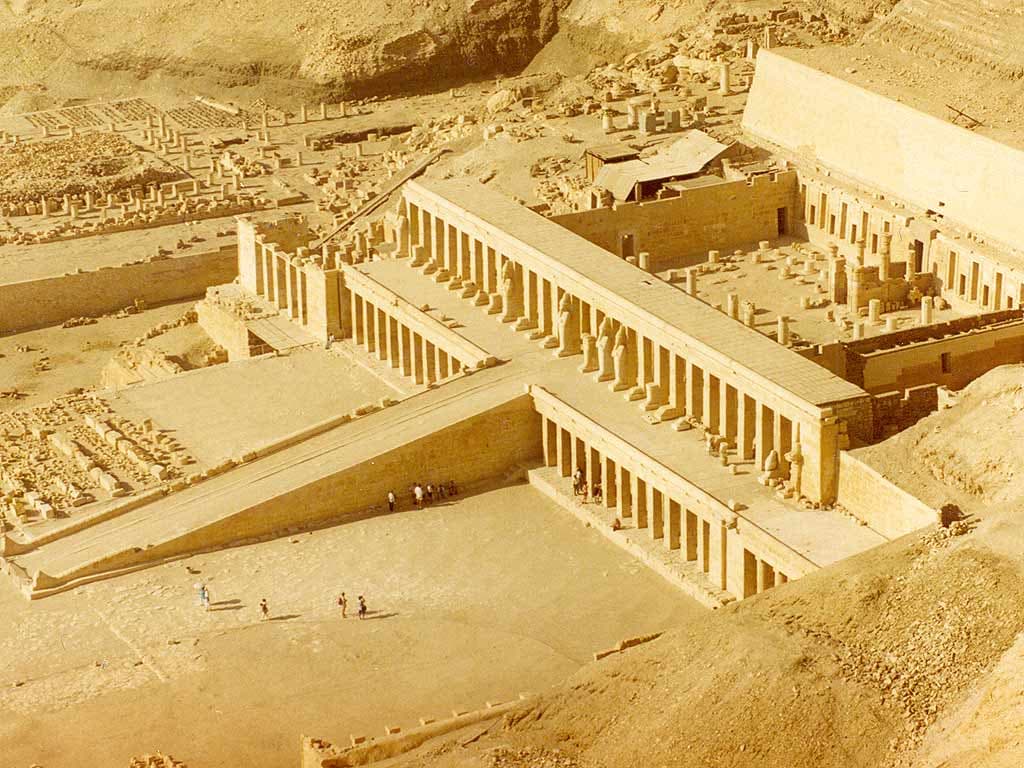 Temple of HatshepsutThe mortuary temple of Queen Hatshepsut, set into the foot of an immense rock cl7 minutes walk4.6
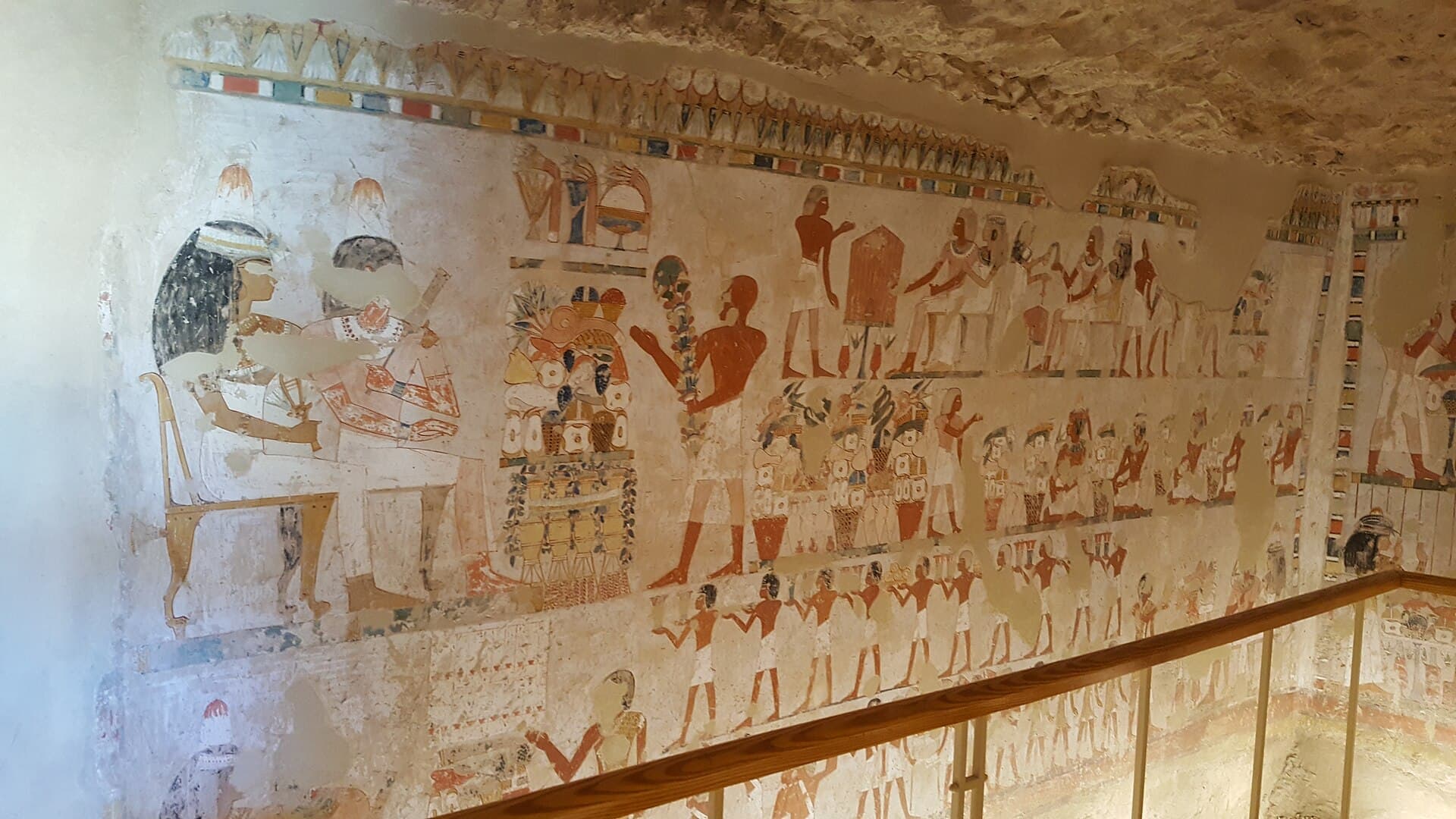 Tombs of the Nobles (Sheikh Abd el-Qurna)A necropolis on the slopes of the West Bank hills, the largest group of private 16 minutes walk4.4
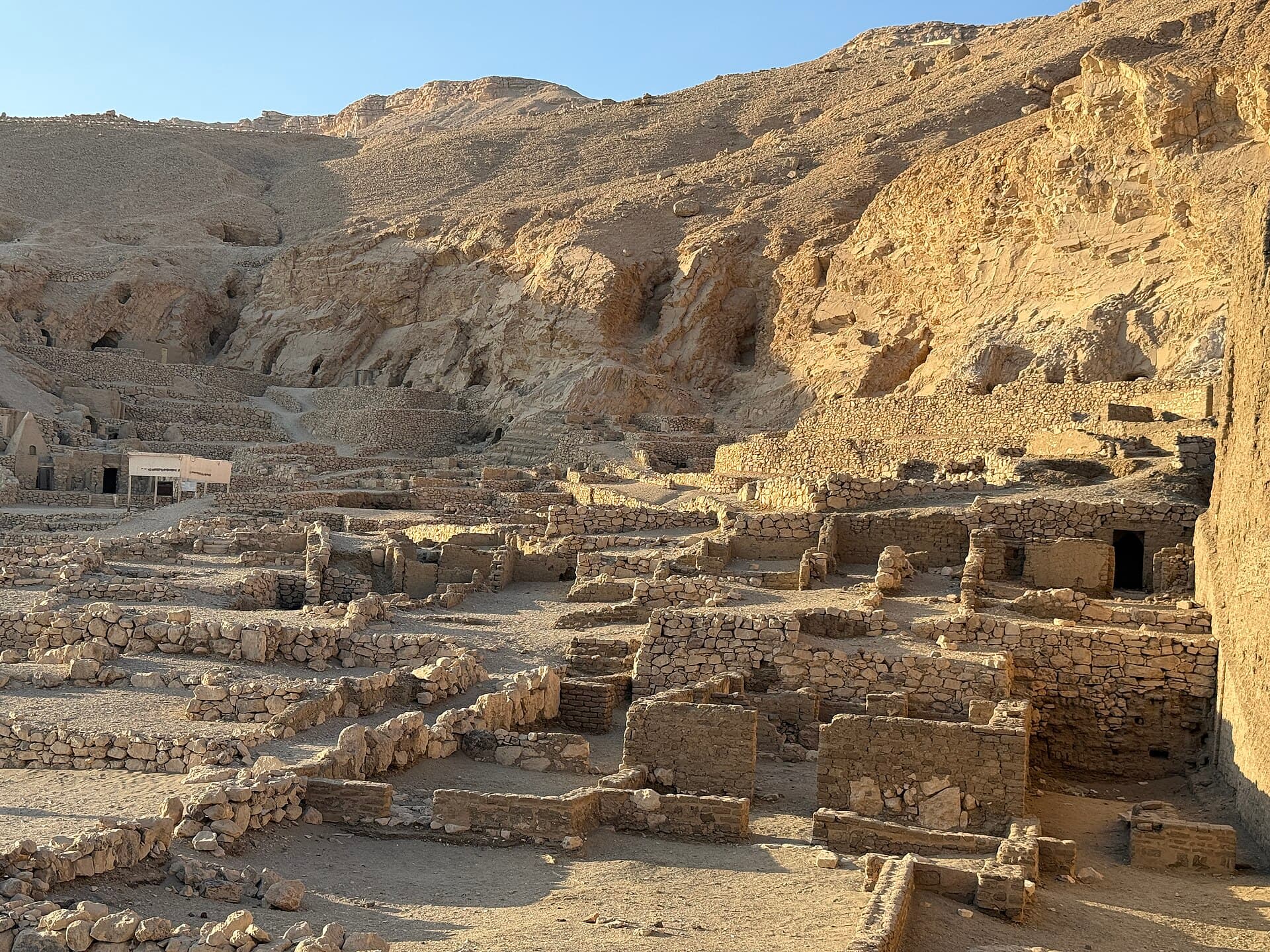 Deir el-Medina (Workers' Village)The village of the craftsmen and artists who cut and decorated the royal tombs i17 minutes walk4.8
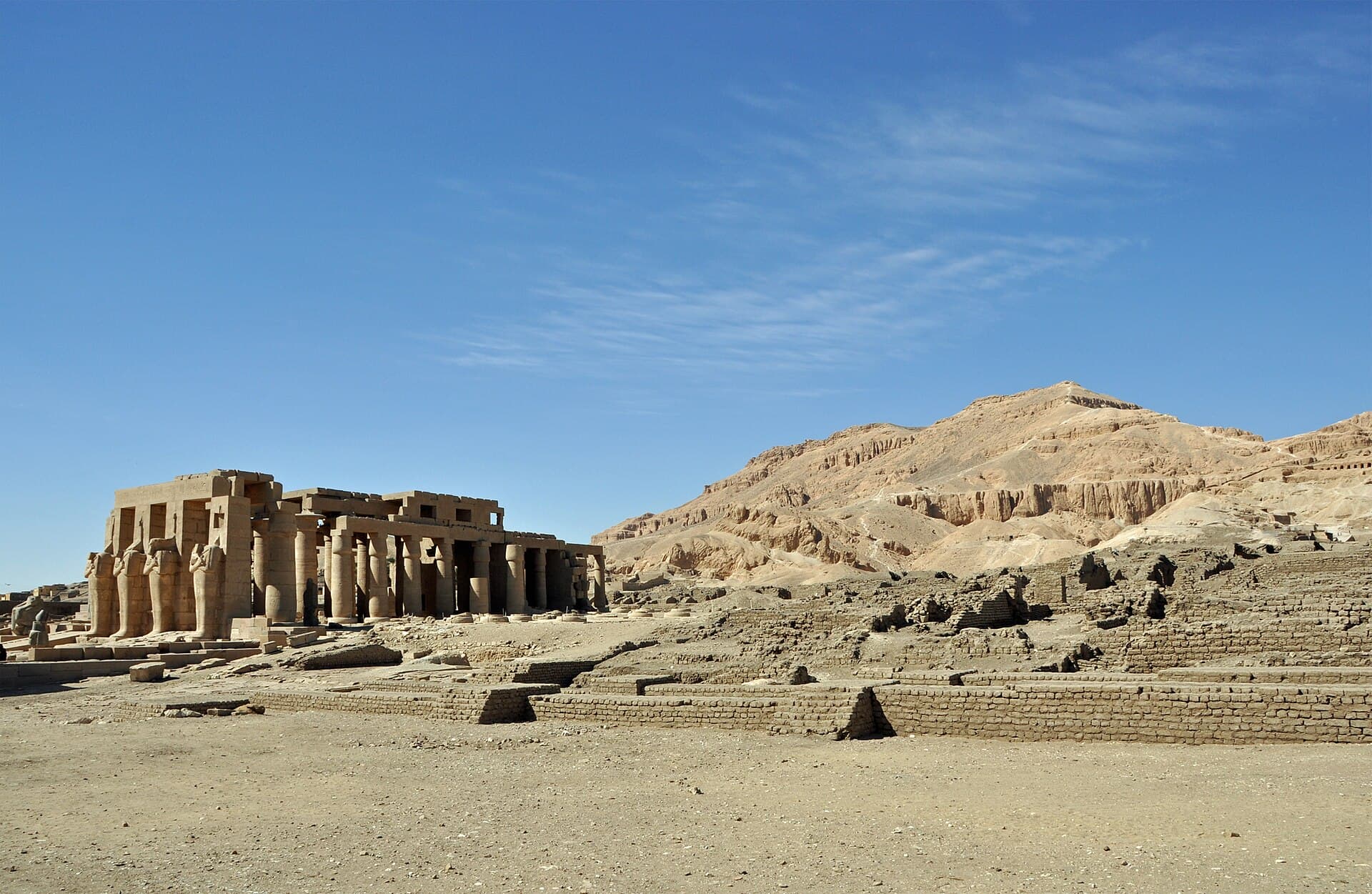 RamesseumThe memorial temple of Ramesses II on Luxor's West Bank, built to keep his memor20 minutes walk4.6
 Valley of the QueensA rocky valley on Luxor's West Bank where queens, princes, princesses and senior20 minutes walk4.6
The open list rotates to protect the tombs, so ask at the gate what is open that day. The general rule: choose the longest and deepest tombs, which are the richest in decoration, and avoid picking three that are similar. Ramesses IX, Ramesses III and Merenptah are good choices when open.
If the treasure is what you want to see, no — all of it is in the Grand Egyptian Museum in Cairo, not here. What the tomb holds is the mummy and the small chamber itself. The value is symbolic and historical rather than visual. On a limited budget, put the money into Seti I or into an extra tomb from the general list.
Start at the Valley of the Kings right at opening — it is both the most important and the hottest — then the Hatshepsut temple, then the Colossi of Memnon on the way, a short free stop, then Medinet Habu if time and energy remain. Be back at the hotel before midday in summer. A car or driver for the day is far easier than piecing the transport together.