
The raised stucco
Shells, leaves and flowers over the entire front.
Ikiwaner — CC BY-SA 3.0 · Simon Legner (User:simon04) — CC BY-SA 4.0 · Simon Legner (User:simon04) — CC BY-SA 4.0 · Simon Legner (User:simon04) — CC BY-SA 4.0
The Helblinghaus stands directly opposite the Golden Roof in the heart of the old town, and is the most ornamented facade in Innsbruck: every centimetre covered in raised white stucco in the form of shells, leaves, flowers and interlaced geometry. The paradox is that the house itself is Gothic, of the fifteenth century, and structurally as plain as the rest of the street. The decoration was added in the 1730s when the rococo was at its height, so the Gothic structure was left as it was and wrapped in a complete decorative skin — which explains the odd sense that the facade is larger than the house. It is named after Sebastian Helbling, a later owner rather than the builder or the decorator. The house is private and cannot be entered, but the facade is the point and it is free at any hour. Standing in front of it with the Golden Roof behind you gives the best-known image of the old town.
Shells, leaves and flowers over the entire front.
The angle that gives the old town's best-known image.
Herzog-Friedrich-Strasse 10, 6020 Innsbruck
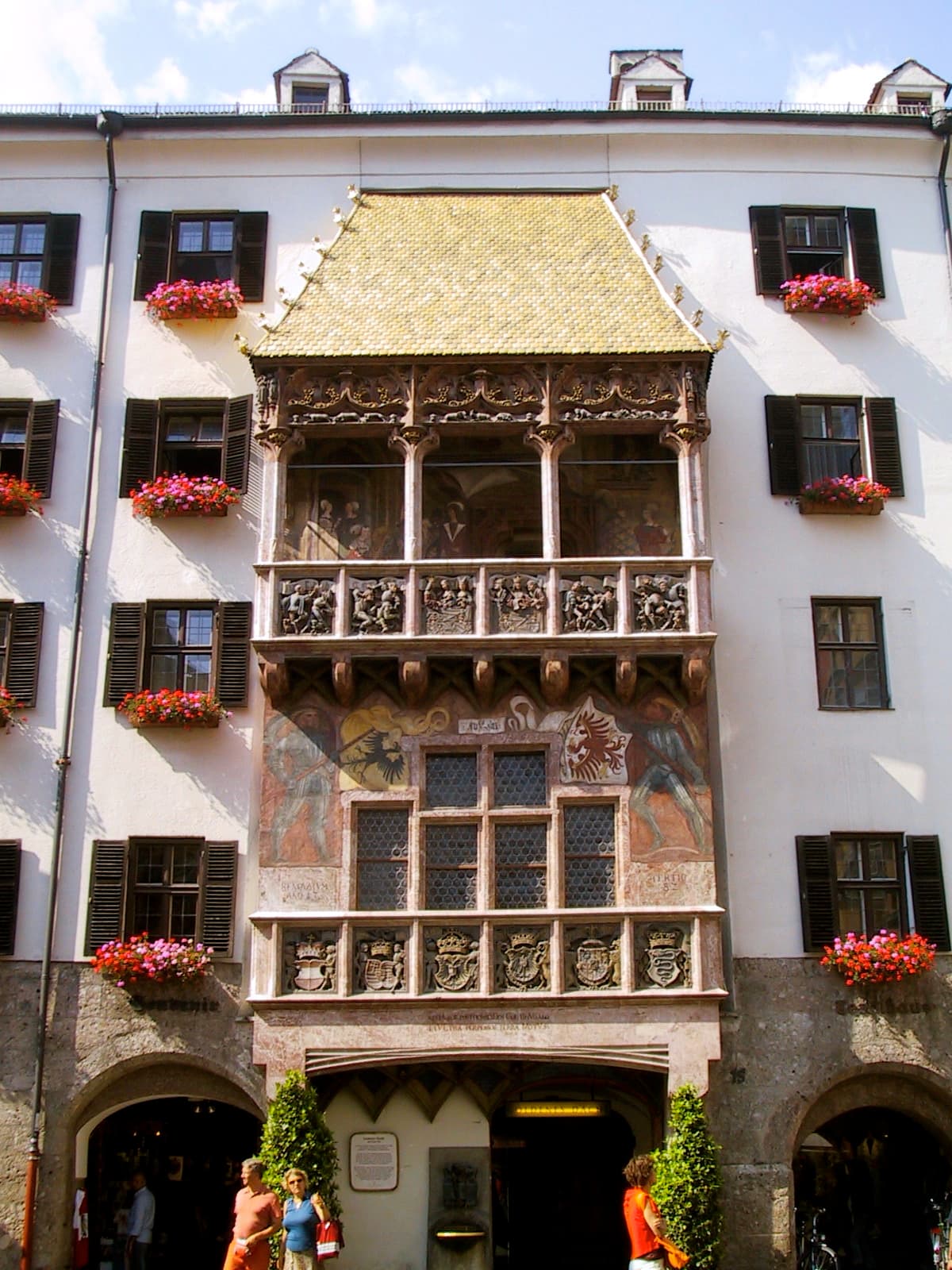 The Golden Roof & Old TownThe Golden Roof is Innsbruck's absolute symbol: a balcony of 2,657 gilded copper1 minute walk4.5
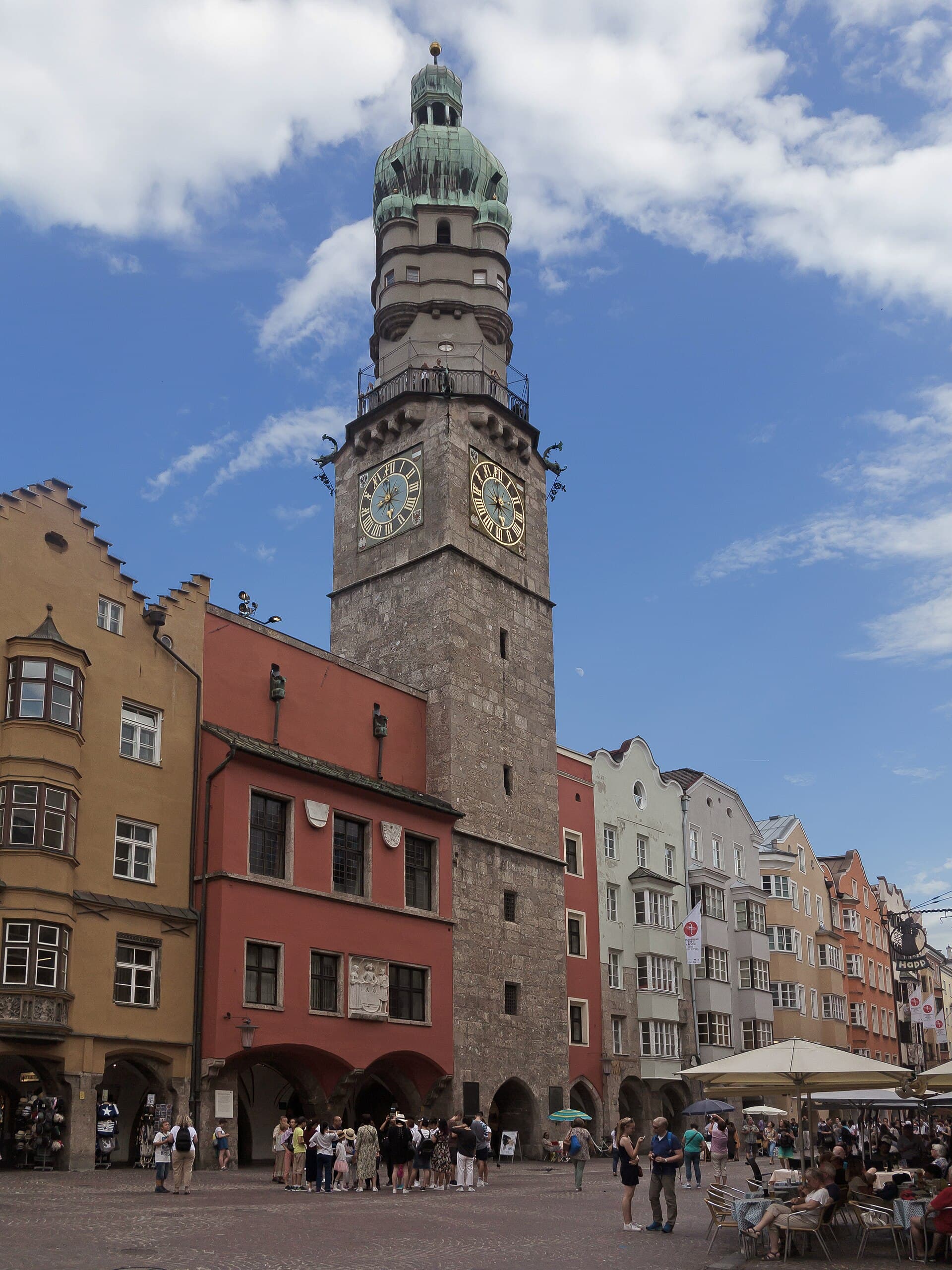 The City TowerThe City Tower is the Gothic lanes' balcony: a fourteenth-century watchmen's tow1 minute walk4.7
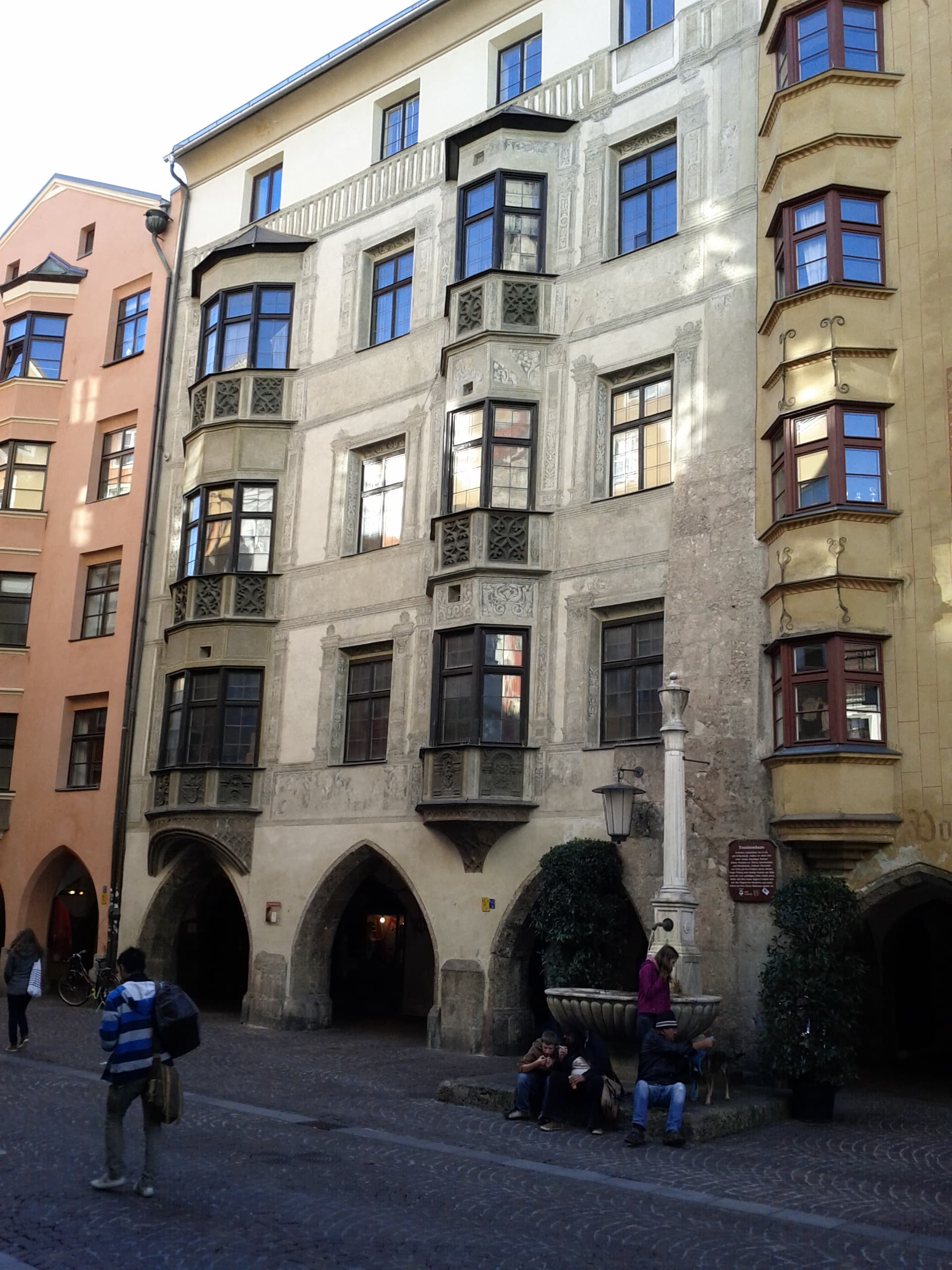 The TrautsonhausA Gothic-era house in the old town carrying the name of the Trautson family, amo1 minute walk4.6
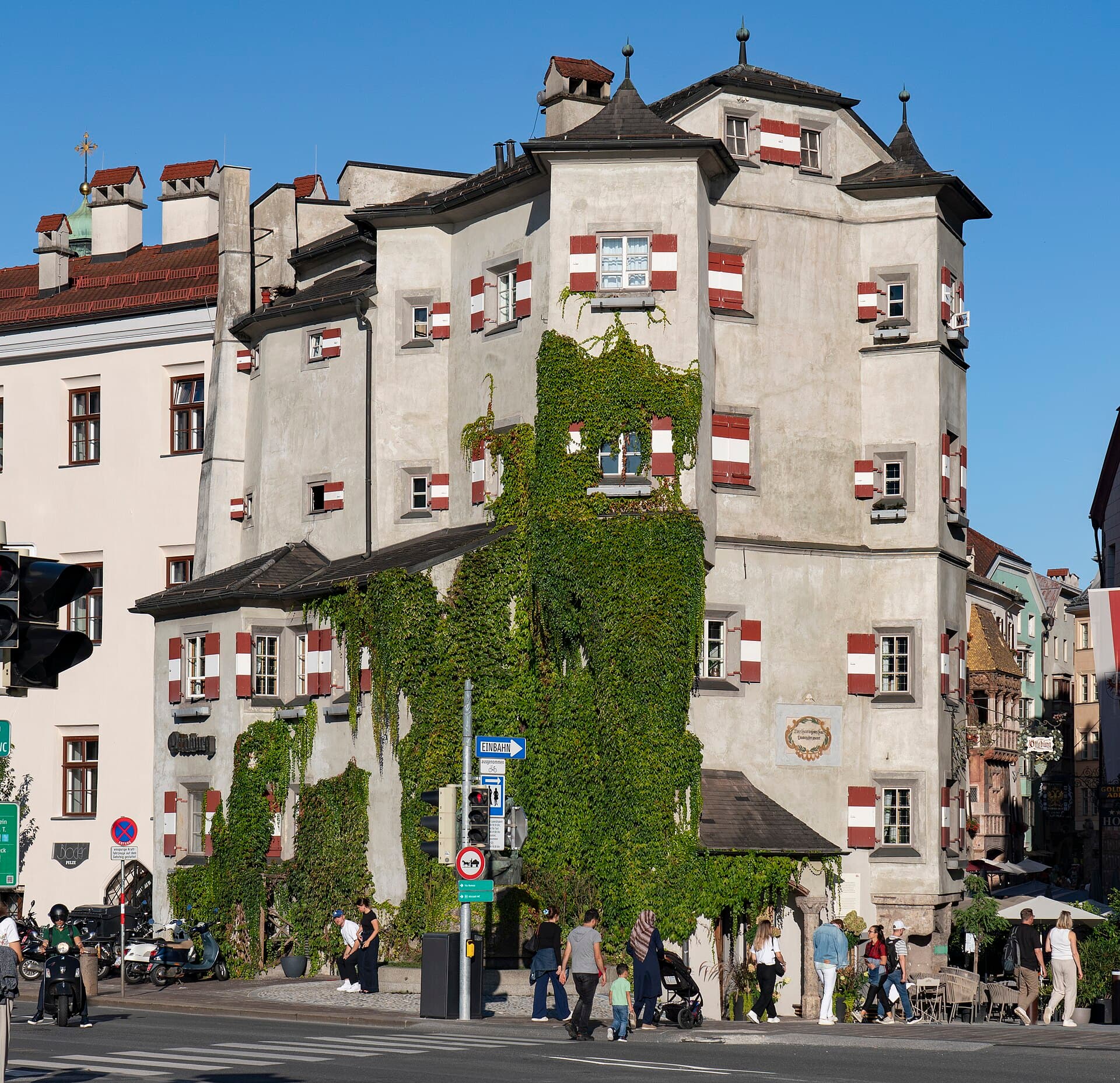 OttoburgA medieval residential tower on the bank of the Inn at the edge of Innsbruck's o1 minute walk4.0
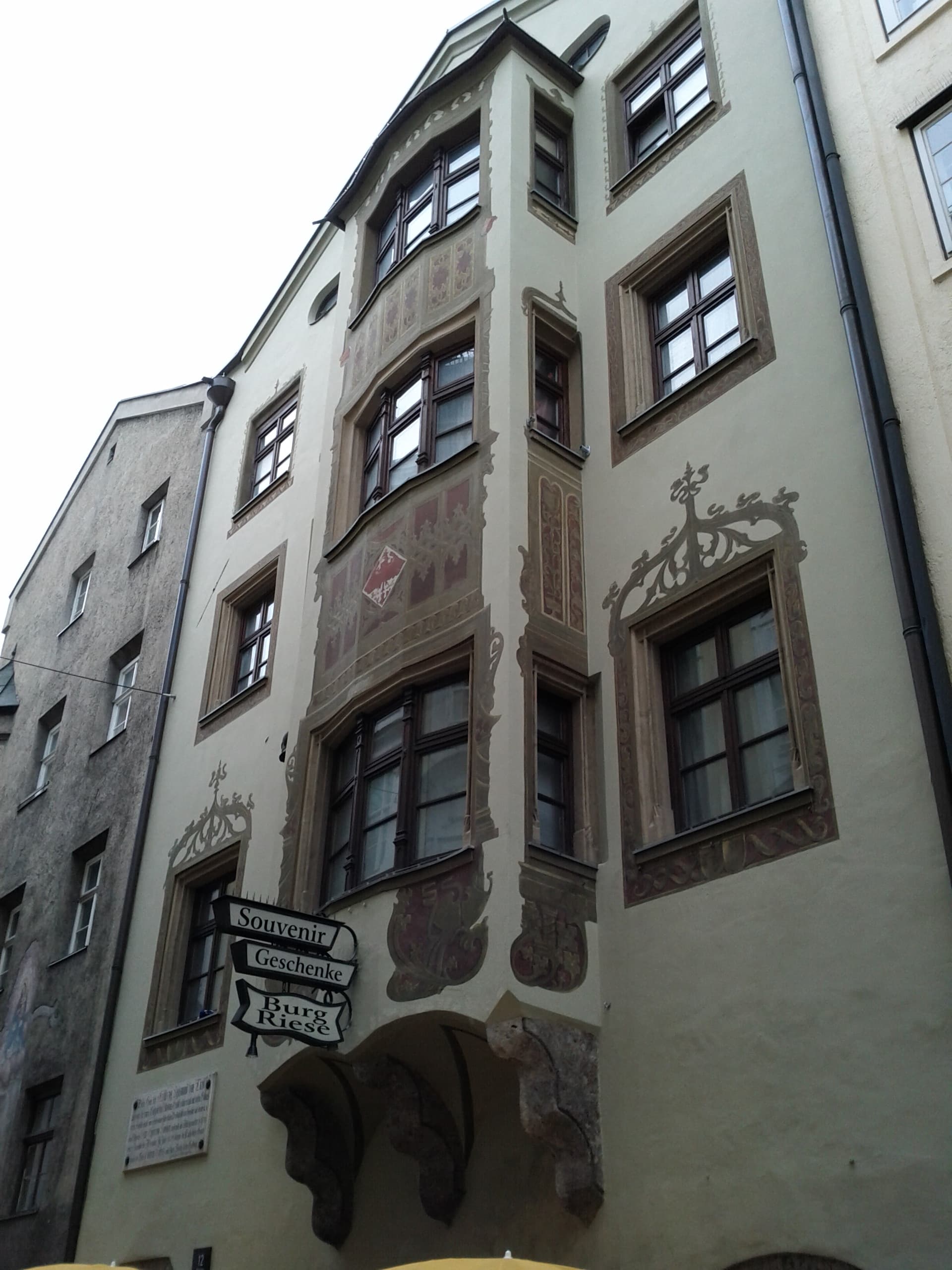 The BurgriesenhausA historic house on the Hofgasse in the old town, between the Golden Roof and th1 minute walk3.1
A balcony covered with some 2,657 gilded copper tiles, built by Emperor Maximilian I in 1500 so he could sit and watch the festivities in the square below. The tiles are gilded copper rather than solid gold. Beneath it is a small museum about Maximilian, and the balcony itself is free to see from the square — it is Innsbruck's first emblem and appears in every picture of the city.