
The tower climb
A view over all of Helsinki, by lift.
Joneikifi — CC BY-SA 4.0 · Archives of the Finnish Broadcasting Company Yle — Public domain · Unknown authorUnknown author — CC BY 4.0 · Leonhard Lenz — CC0
Helsinki's Olympic Stadium was built between 1934 and 1938 in the **functionalist** manner — clean white lines and quiet curves without ornament, and among the purest examples of functionalist architecture anywhere. It was built for the 1940 Olympics, cancelled by the war, so the stadium hosted the **1952 Games** instead — the games at which the Soviet Union competed for the first time, and a founding event in post-war Finland. Its mark is the **white tower**, seventy-two metres and thirteen centimetres high — and the figure is deliberate: the length of the javelin throw achieved by the Finn Matti Järvinen. A lift climbs to its top, with a view over the whole of Helsinki. The stadium was closed for years for a complete renovation and reopened in 2020 with modern facilities placed underground while its outward form was kept. It is visited on a tour or by climbing the tower, and the **Finnish Sports Museum** is on the site.
A view over all of Helsinki, by lift.
Clean white lines without ornament, from the 1930s.
Paavo Nurmen tie 1, Helsinki
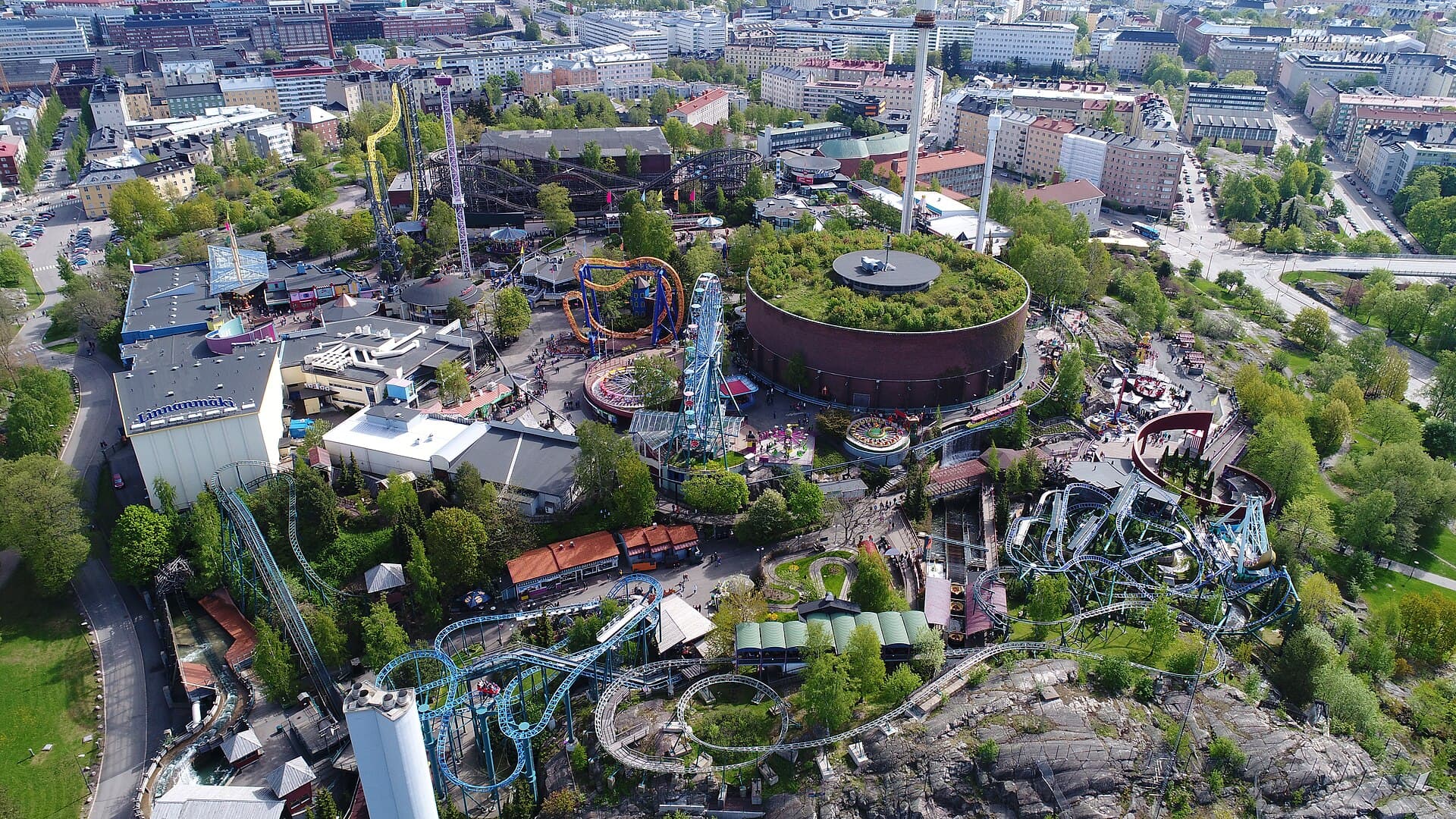 Linnanmäki Amusement ParkFinland's oldest amusement park and its best loved: Linnanmäki on a hill north o9 minutes walk4.4
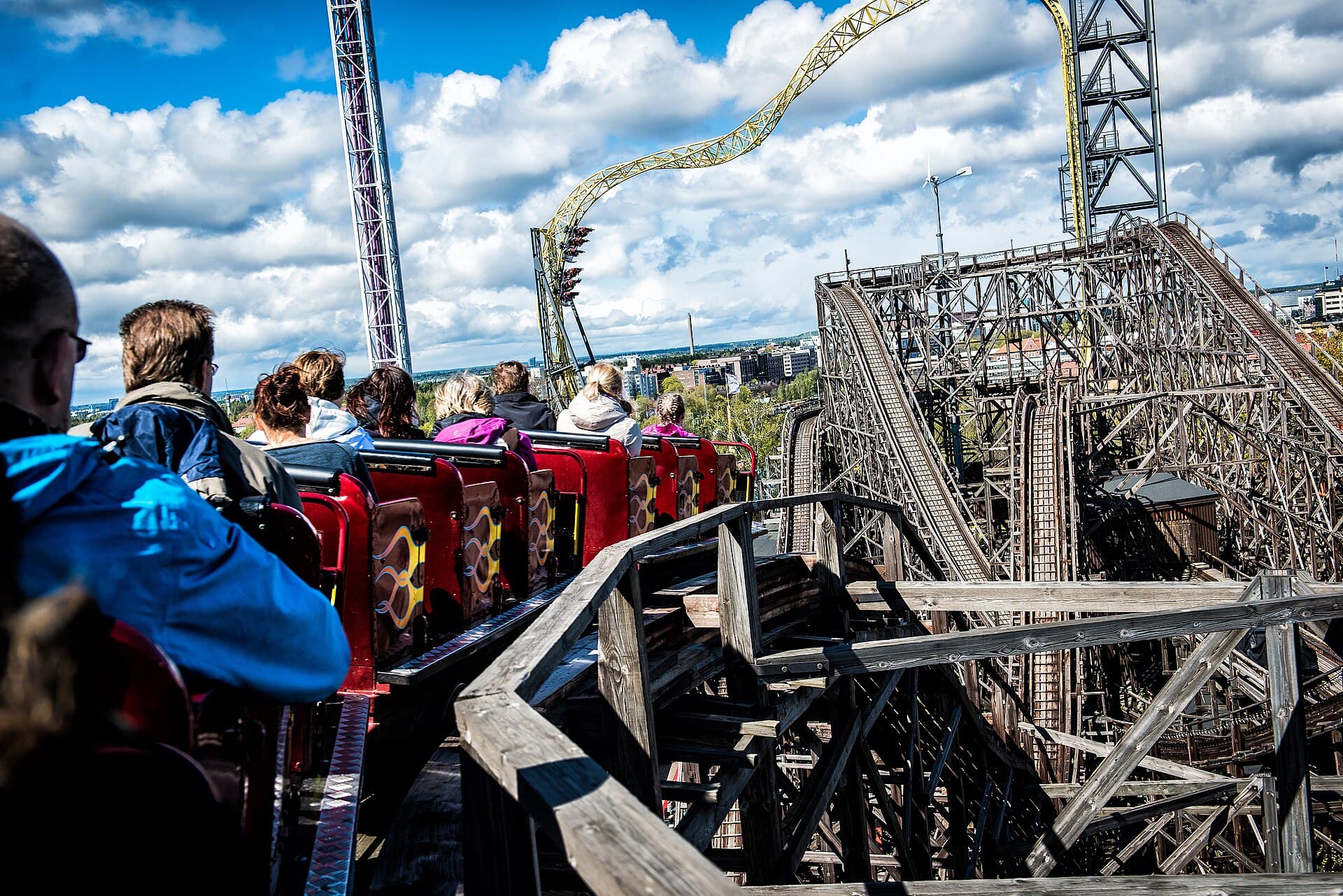 Vuoristorata at LinnanmäkiA wooden roller coaster running since 1951 at the Linnanmäki amusement park nort10 minutes walk4.6
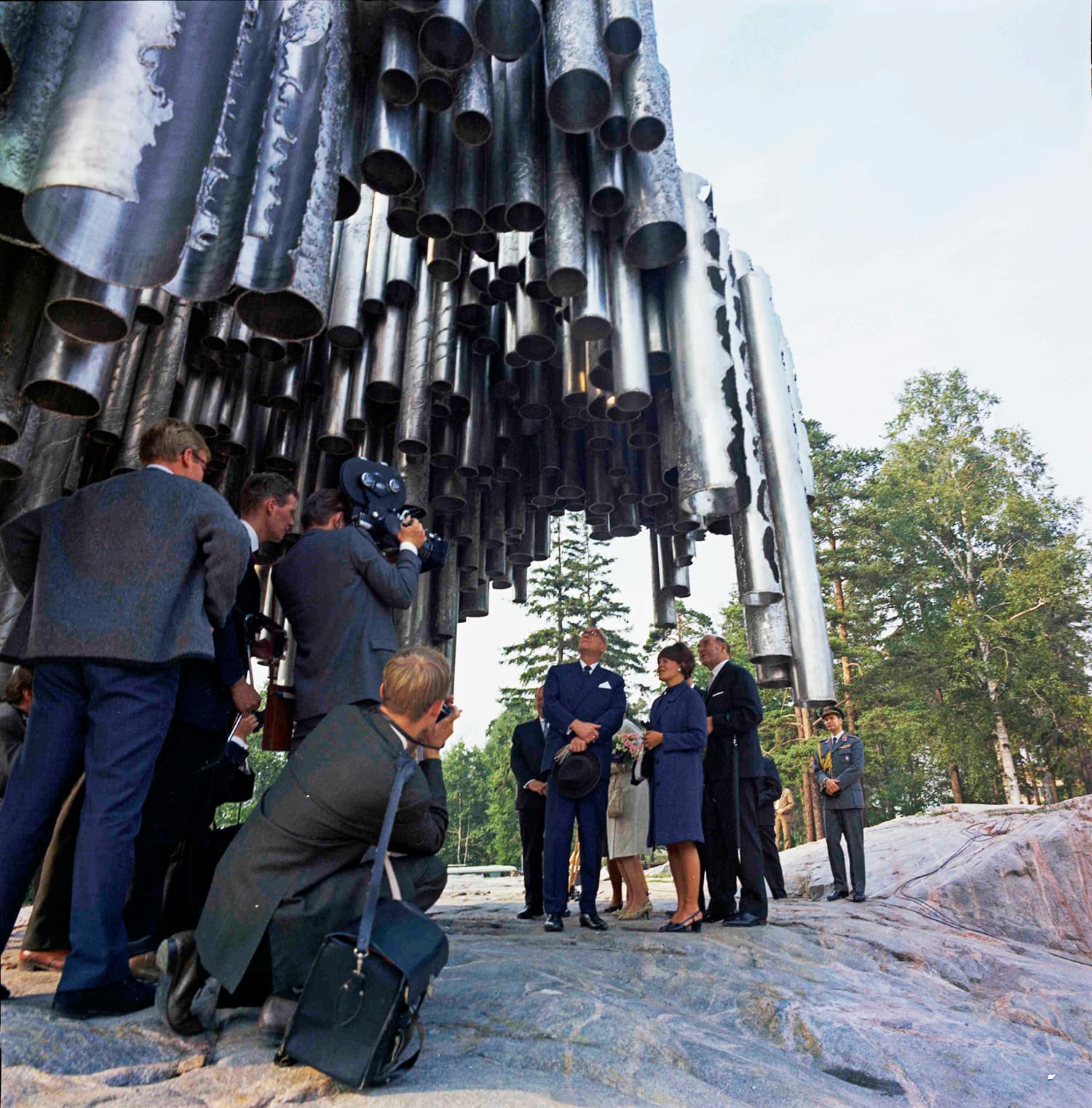 Sibelius MonumentSix hundred steel pipes hanging in the air: Eila Hiltunen's Sibelius Monument (112 minutes walk4.5
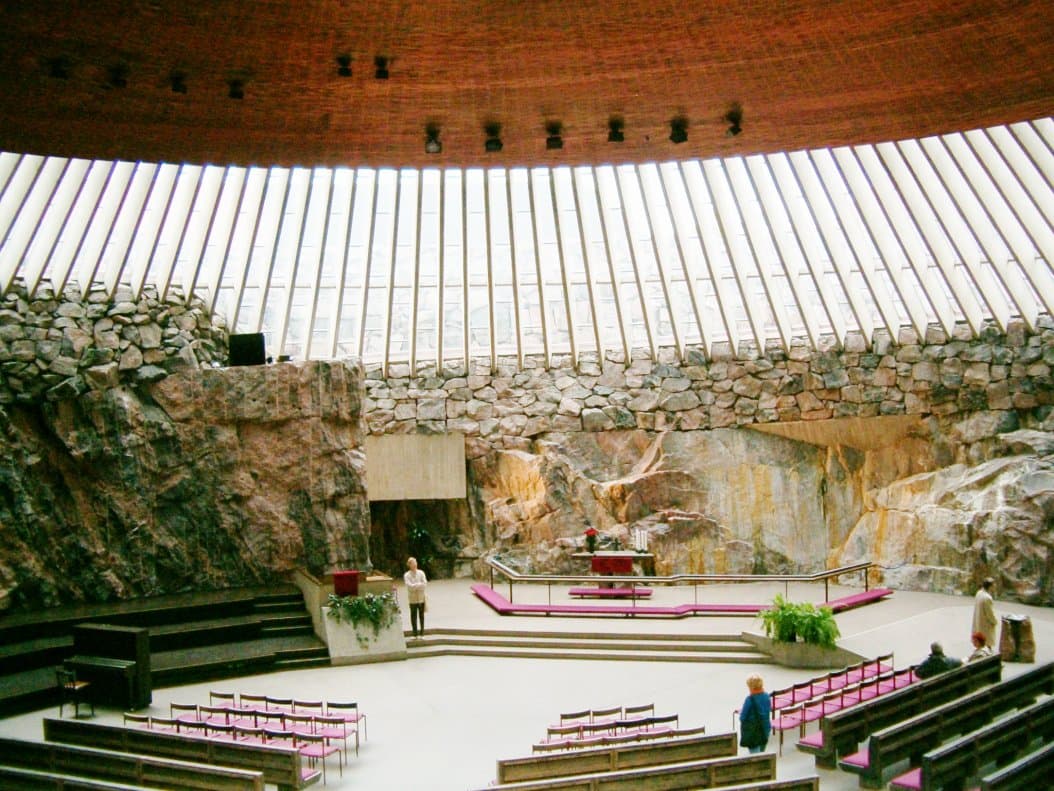 Temppeliaukio Rock ChurchA church carved into rock: Temppeliaukio was hewn inside a granite outcrop in th20 minutes walk4.5
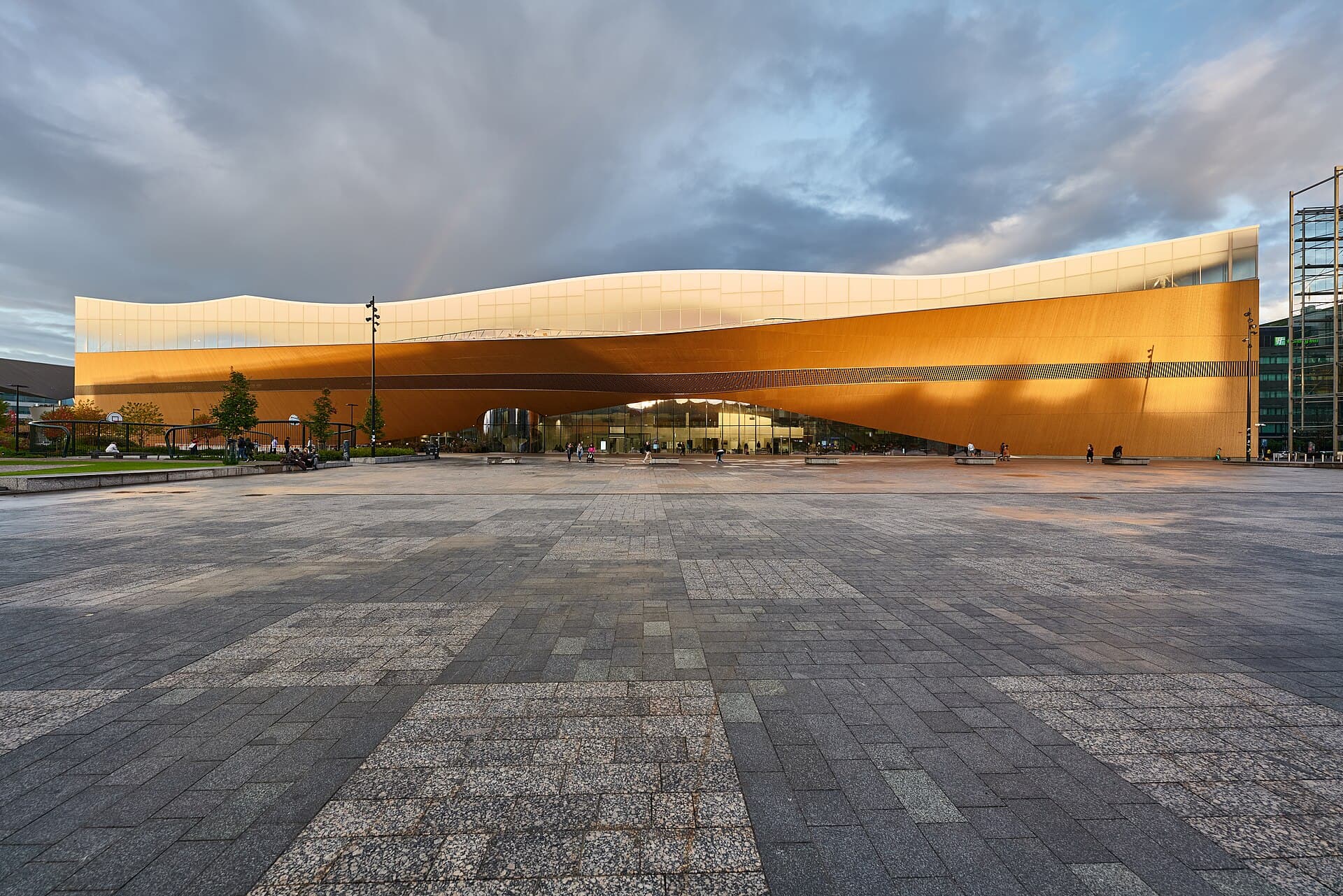 Oodi Central LibraryThe most famous library in the world today: Oodi (2018) was Finland's gift to it20 minutes walk4.9
The name given to the Finnish long-distance runners who dominated the Olympics between 1912 and 1936, the greatest of them **Paavo Nurmi**, who won nine gold medals and broke twenty-two world records. In a small newly independent country those victories were a way of introducing the state to the world — it was said that Finland was run onto the map. Nurmi's statue stands running, naked, in front of this stadium and is among Finland's best-known sculptures. The street to the stadium carries his name, and his portrait was on the Finnish currency before the euro.