
City Hall
A colonial facade at the top.
Steffen Schmitz (more photos) — CC BY-SA 4.0 · Steffen Schmitz (more photos) — CC BY-SA 4.0 · Ondrej Pospisil — CC BY-SA 2.0 · Steffen Schmitz (more photos) — CC BY-SA 4.0
A broad pedestrian boulevard running from the riverfront to the yellow-and-white City Hall, the main promenade of central Saigon. It was a canal until the 1880s, when the French filled it in to create Boulevard Charner, and became a pedestrian square in 2015, with its full width closed to traffic on weekend evenings. At the top stands the colonial City Hall of the early twentieth century, with a bronze statue of Ho Chi Minh in front, and a short walk away is the Opera House of 1900, its facade modelled on the Petit Palais in Paris. Along the boulevard, old apartment blocks have filled up with small cafes and shops, the best known being the building at number 42, its balconies crowded with signs. The street comes alive after dark, when families stroll, children ride toy cars and a musical fountain plays in the middle. Every year it hosts the city's flower street for the Lunar New Year. Opera House station on metro Line 1 is close by.
A colonial facade at the top.
Balconies crowded with signs.
Modelled on the Petit Palais.
From the Saigon River waterfront to City Hall, central Saigon
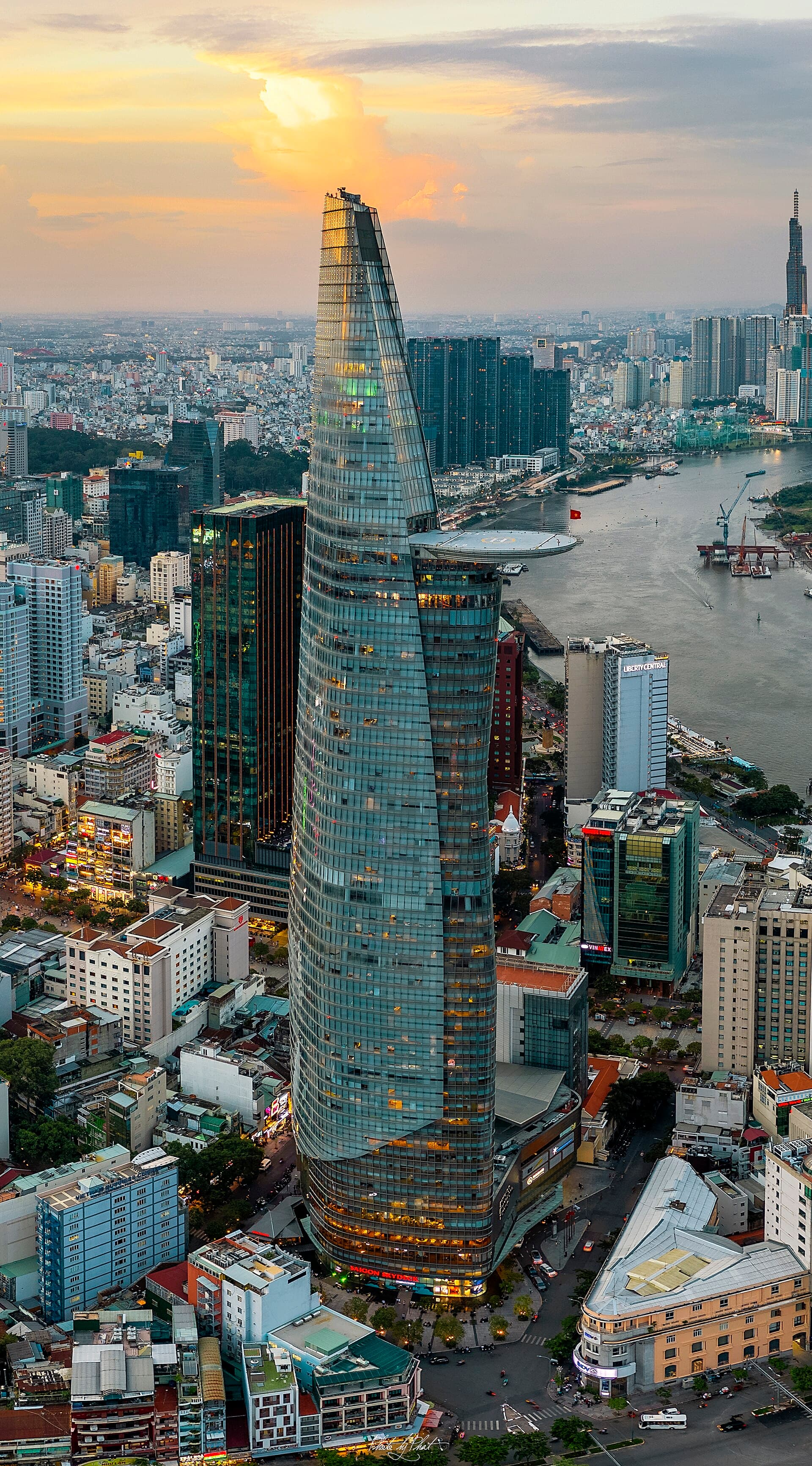 Saigon Skydeck (Bitexco Tower)Saigon Skydeck is the observation deck of the Bitexco Financial Tower, the skysc3 minutes walk4.5
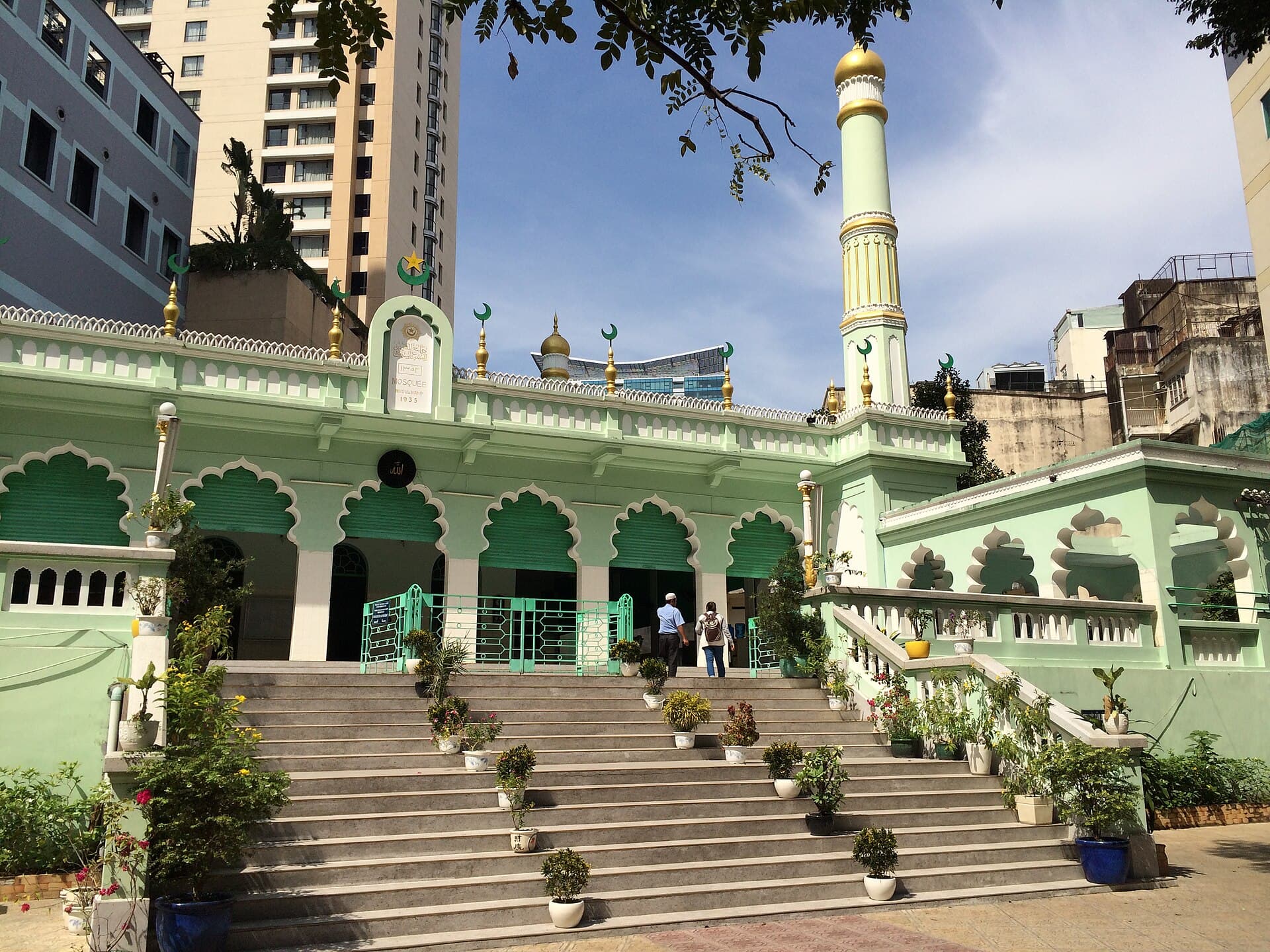 Saigon Central MosqueThe best-known mosque in Ho Chi Minh City, on Dong Du Street in the heart of Dis3 minutes walk4.6
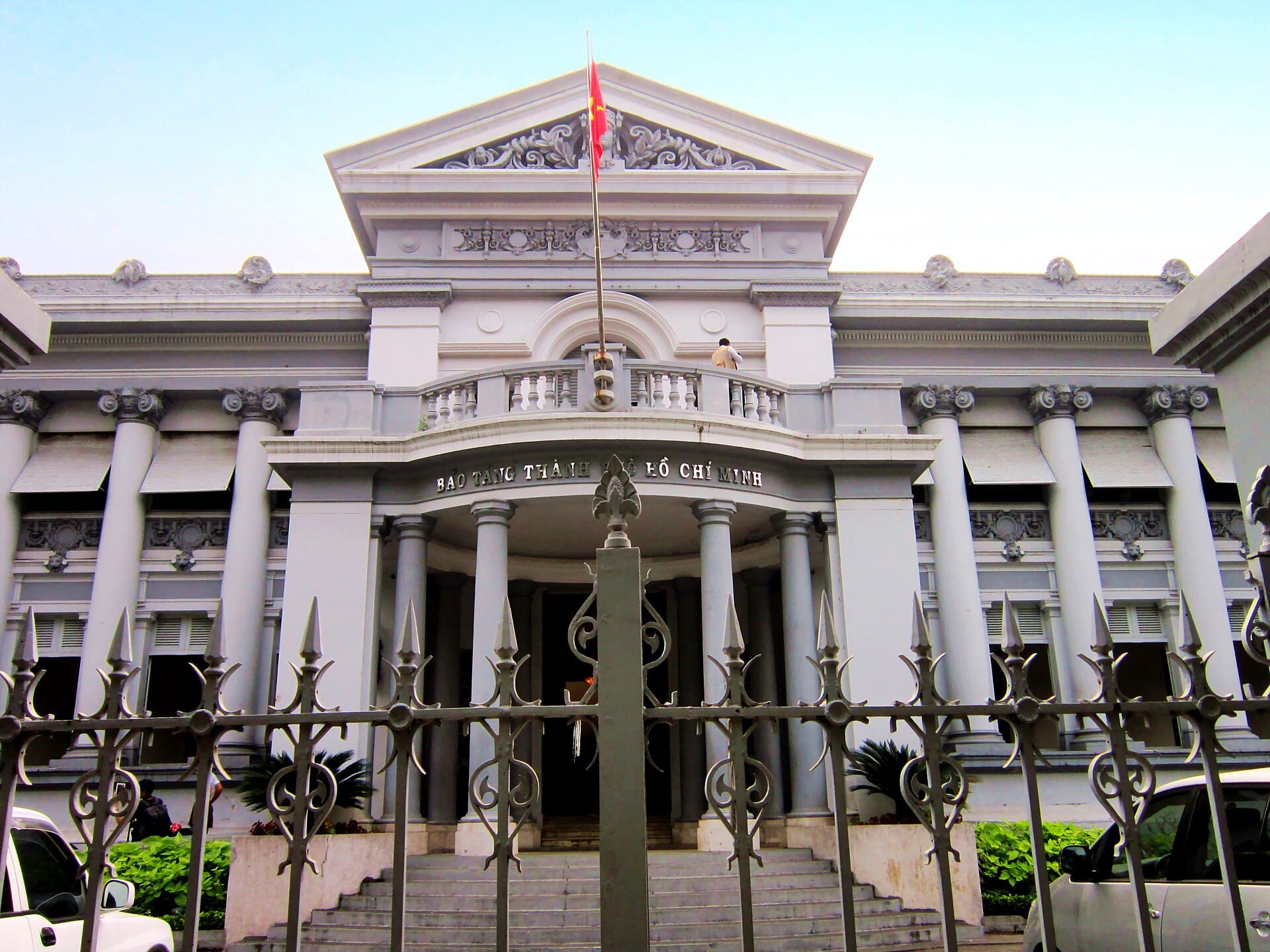 Museum of Ho Chi Minh CityA grand colonial mansion of 1890 that tells the story of the city, and one of th6 minutes walk4.3
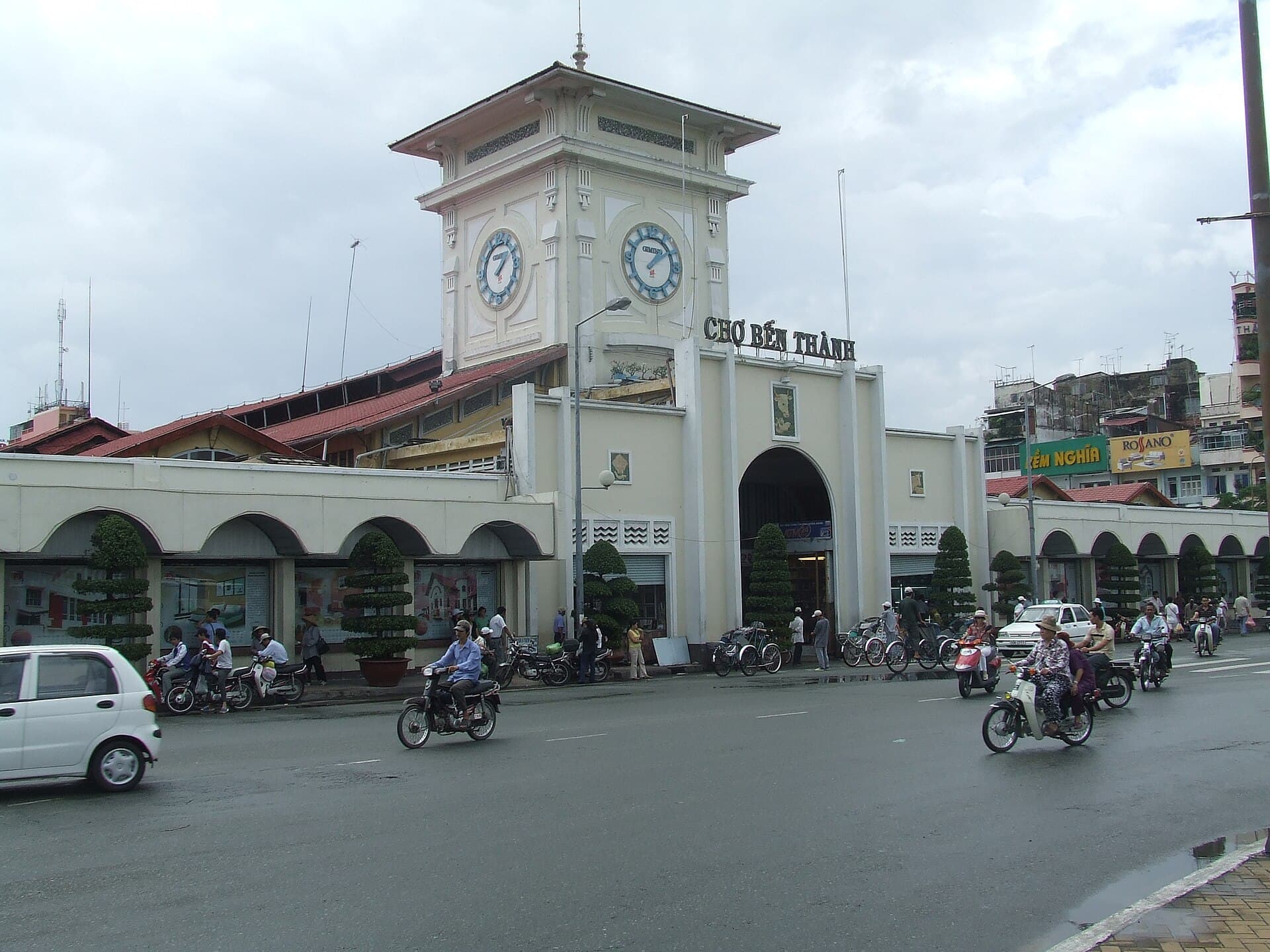 Ben Thanh MarketSaigon's best-known market and one of the oldest surviving buildings in the city8 minutes walk4.2
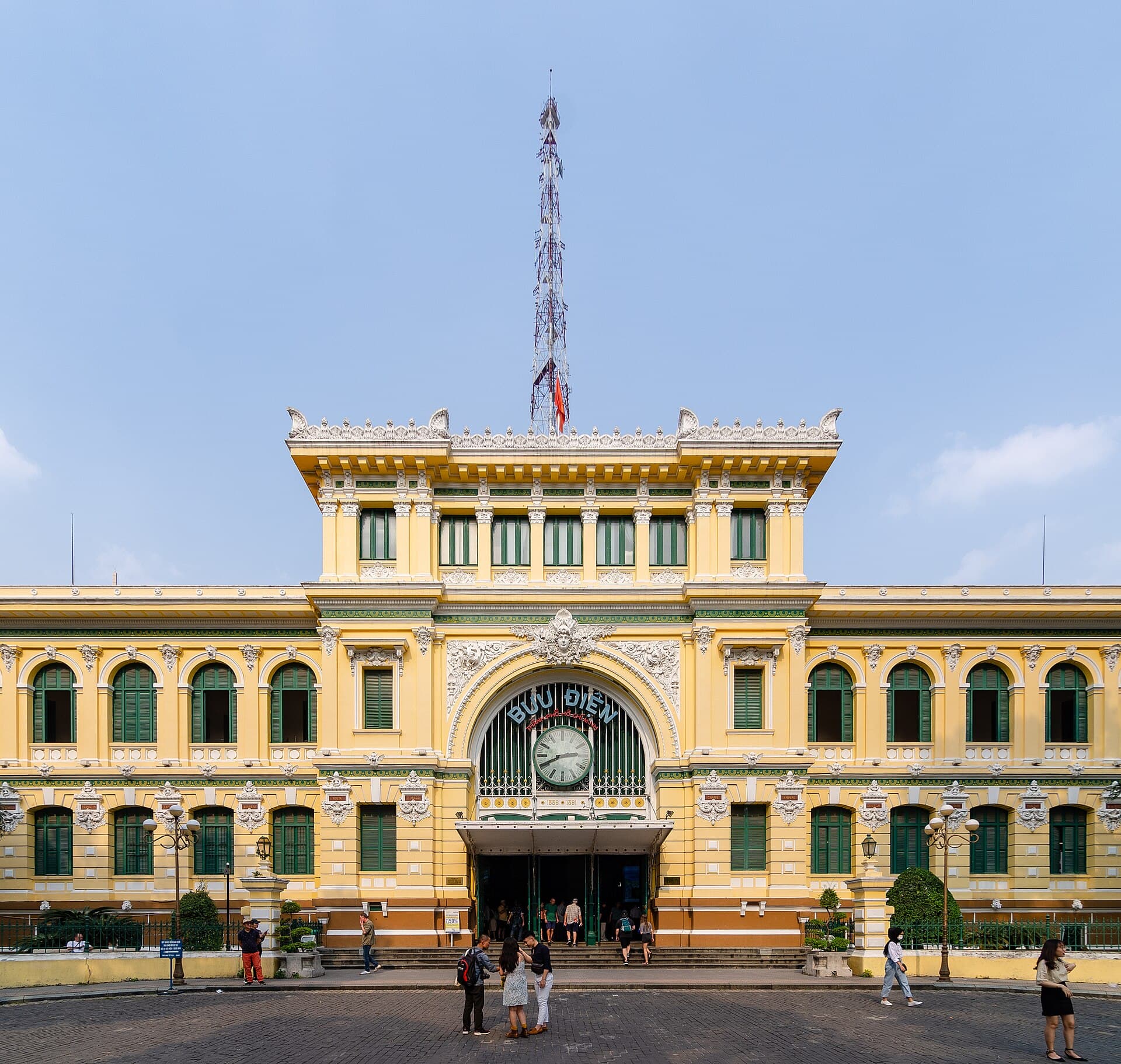 Saigon Central Post OfficeA working post office in a grand colonial hall, built between 1886 and 1891 besi10 minutes walk4.3
After dark, especially on weekend evenings, when the whole street is closed to traffic and the musical fountain plays.