
The Picture Gallery
Gainsborough, Stubbs and Ramsay upstairs among cases of silver and Renaissance bronzes.
David A. Russo — CC BY-SA 4.0 · Lewis Clarke — CC BY-SA 2.0 · Uhooep — CC BY-SA 4.0 · StevenL — CC BY-SA 3.0
Stand on Pulteney Bridge and look dead east down the grandest Georgian street in Bath and the vista does not end in a square or a church but in this building: a honey-stone front that began life in the 1790s as the Sydney Hotel, the gateway and pleasure pavilion for Sydney Gardens behind it, all breakfasts, galas and fireworks. It now houses the city's first art museum and the collection of one man, Sir William Holburne, a naval officer who fought at Trafalgar as a boy and then spent the rest of his life buying paintings, silver, porcelain and portrait miniatures. If the facade looks familiar, it doubled as Lady Danbury's house in «Bridgerton», exterior only; nothing inside has anything to do with the series. The real prize is the top-floor Picture Gallery, with Gainsborough (who lived in Bath for years), Stubbs and Ramsay, and glass cases crammed with silver, porcelain and Italian Renaissance bronzes. The density feels more like a private collector's rooms than a modern museum, which is part of the charm, but it also means a child who dislikes display cases will be restless within twenty minutes. Behind the Georgian block stands Eric Parry's three-storey glass-and-ceramic extension of 2011, with the garden cafe on the ground floor and the temporary exhibition galleries above it. It is small: an hour is enough, ninety minutes if you stop at every painting. The price is the catch. Adult admission is £16.50 and covers the permanent collection and the current exhibitions together; there is no cheaper collection-only ticket at normal times. Under-18s go in free, which softens the sum for a family. The useful loophole is Wednesday after 15:00, when the permanent collection is free and only the temporary show costs £8. You can pay at the door with no advance booking; booking online adds a £2 fee. For perspective, if you have time for one museum in Bath the Roman Baths come first; the Holburne is second or third, for people who love paintings or need a warm refuge on a wet afternoon. Getting there is easy: ten minutes on foot from the Abbey over Pulteney Bridge, about fifteen from Bath Spa station. A lift serves every floor, the entrance is level with automatic doors, and there is baby changing in the toilets, so pushchairs are no trouble. There is no prayer room. Sydney Gardens behind the museum is free, with room for children to run and the Kennet and Avon Canal cutting through it, a genuine relief in the summer crush of the city centre. The museum opens daily until 17:00 with last entry at 16:30, which makes it a good use of the late-afternoon hour in winter when outdoor sites have already shut.
Gainsborough, Stubbs and Ramsay upstairs among cases of silver and Renaissance bronzes.
The Georgian front closing the Great Pulteney Street vista played Lady Danbury's house, exterior only.
Free park behind the museum with the Kennet and Avon Canal running through it, ideal for children after the visit.
Great Pulteney Street, Bath BA2 4DB
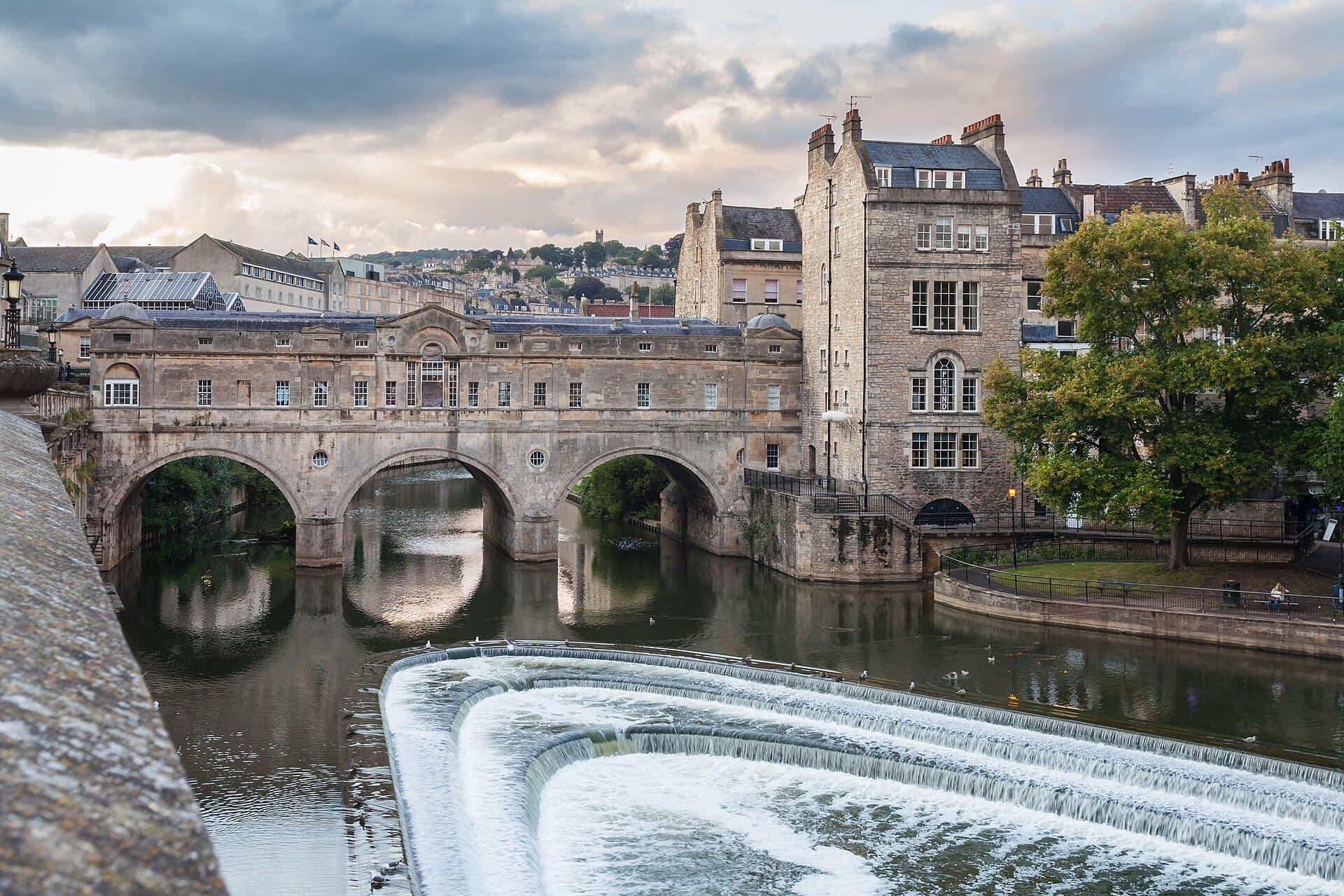 Pulteney BridgeOnly four bridges in the world carry shops along both sides from end to end: the7 minutes walk4.7
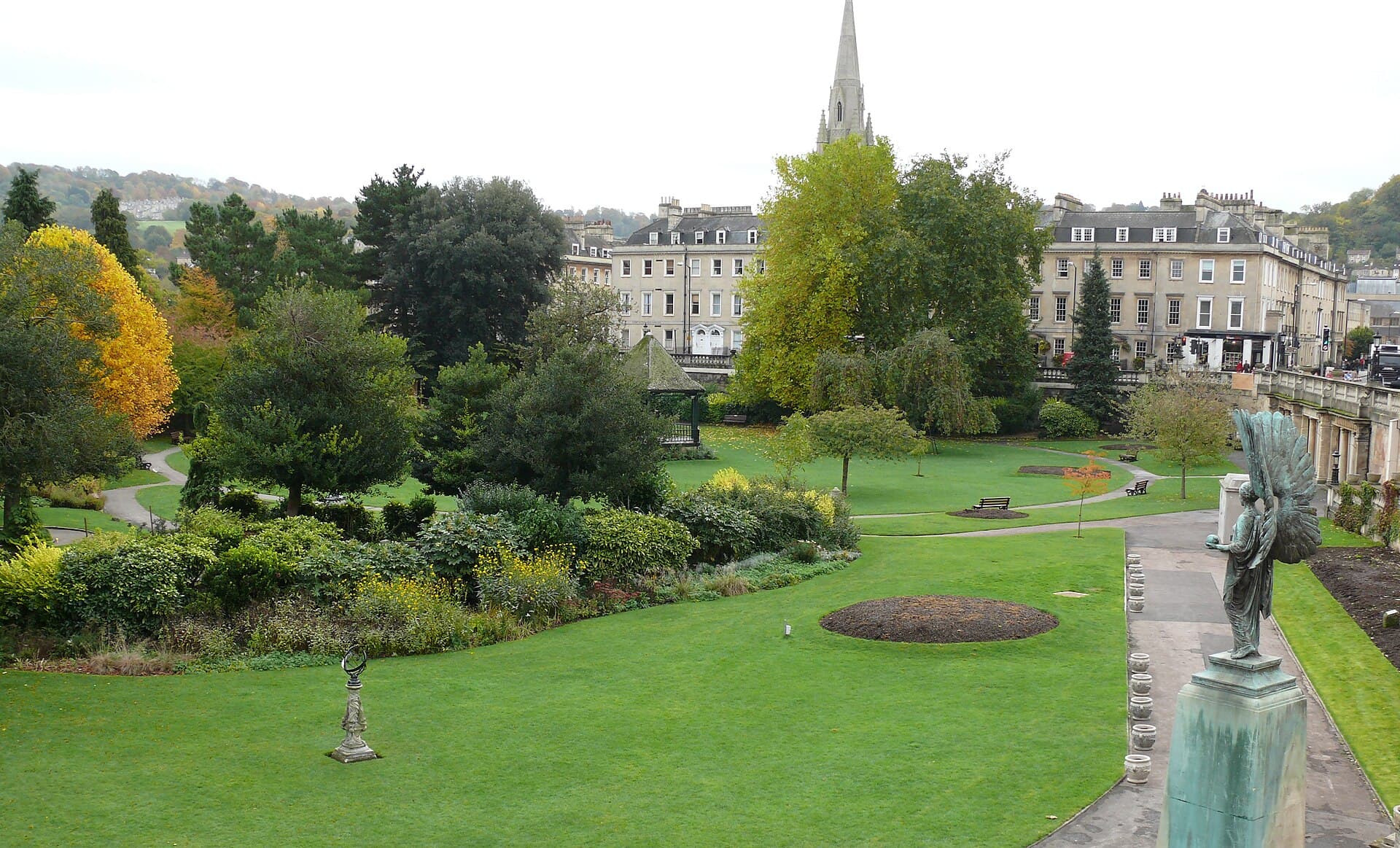 Parade GardensFor well over a century this sunken garden charged a small toll to anyone who wa8 minutes walk4.6
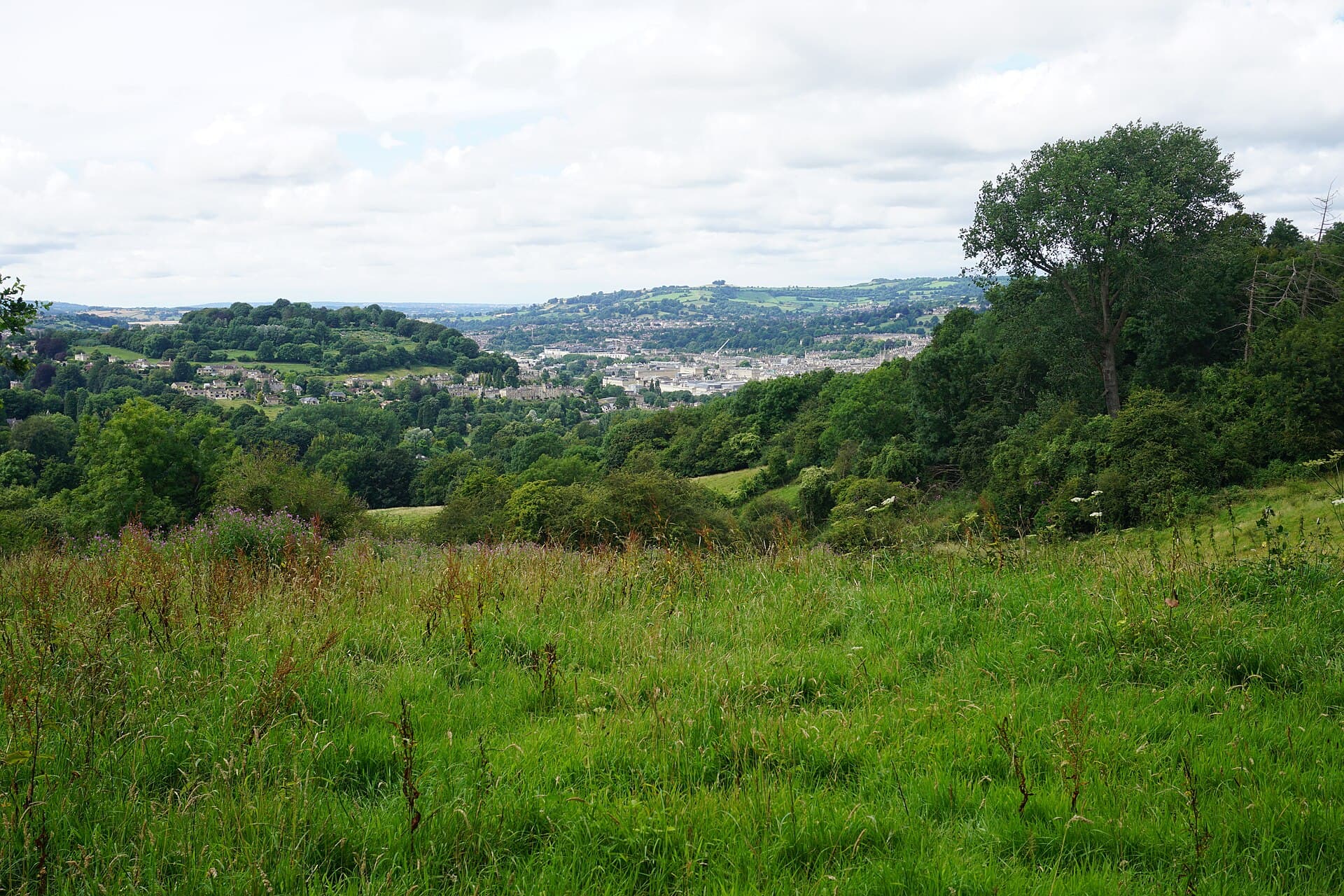 Bath Skyline WalkThe best picture of Bath is not taken inside the city but from the hills that ri8 minutes walk4.8
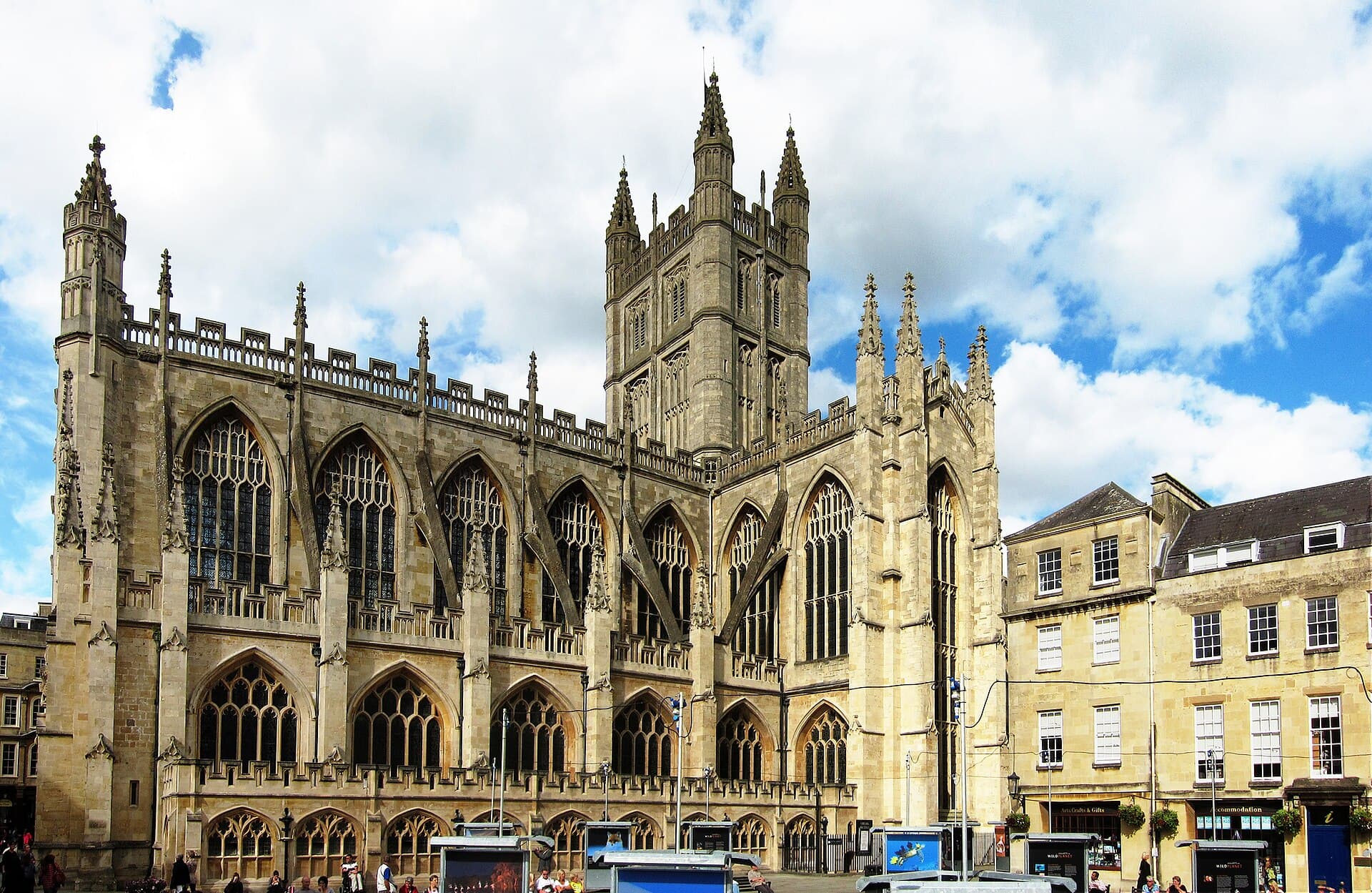 Bath AbbeyCarved angels climb stone ladders up the west front of Bath Abbey, and a few of 9 minutes walk4.5
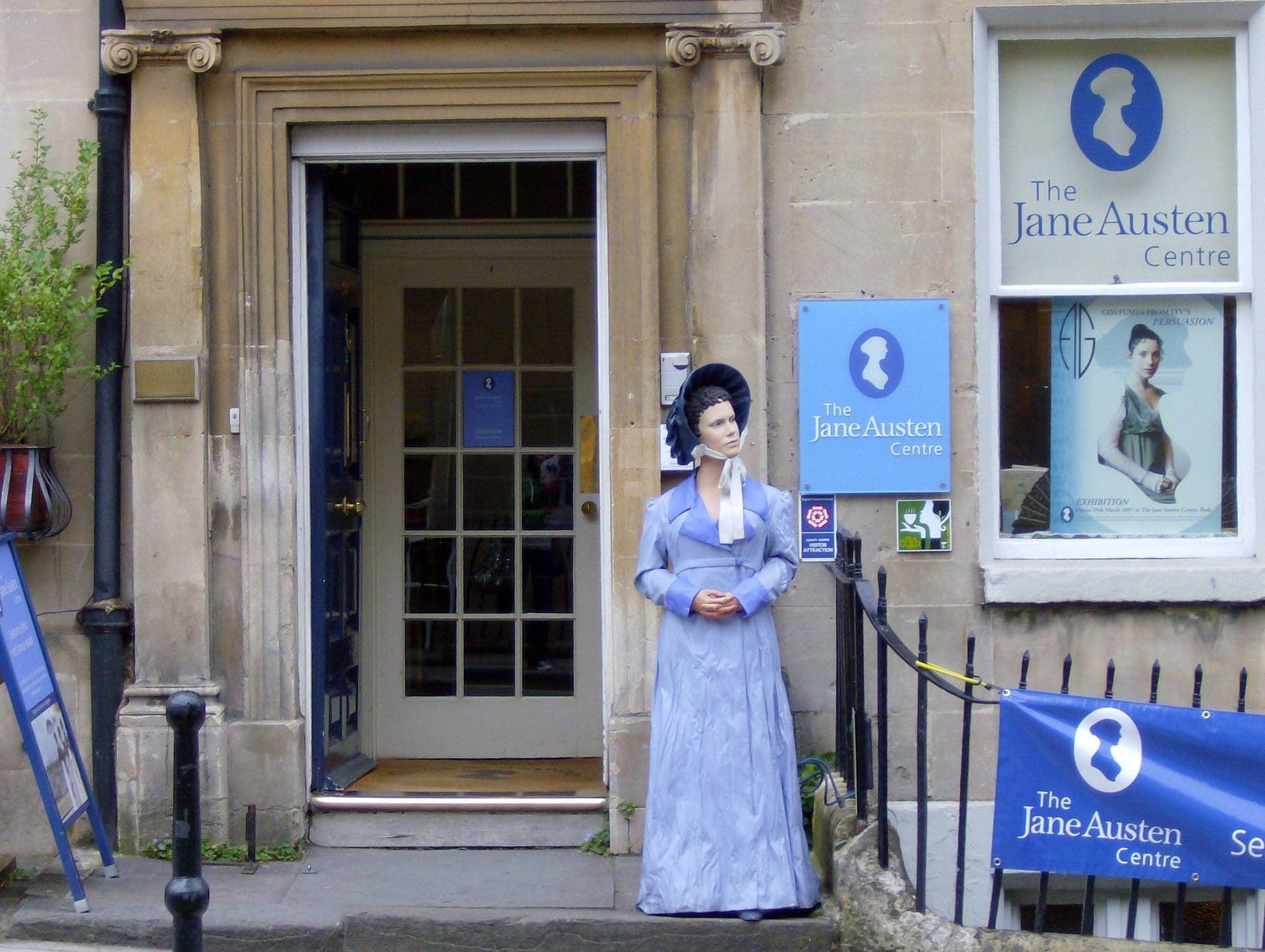 The Jane Austen CentreJane Austen never lived here. She lodged for a few months in 1805 at number 25, 11 minutes walk4.4
Usually not. With a single day, the Roman Baths, the Abbey and Pulteney Bridge come first; admire the Holburne facade from the end of the street and walk into Sydney Gardens for free. Go in if you love paintings, if it rains, or if it happens to be a Wednesday after 15:00 when the collection is free.
Under-18s enter free and the lift and baby changing make pushchairs easy, but the content is cases and paintings, and young children tire of it within twenty minutes. Keep it short and finish in the gardens behind the building.