
Costumed guides
A live introductory talk on Austen's life and her Bath years, given by actors in Regency dress, is the best part of the visit.
Fahdshariff at English Wikipedia — Public domain · FrDr — CC BY-SA 4.0 · FrDr — CC BY-SA 4.0 · Fernando Losada Rodríguez — CC BY-SA 4.0
Jane Austen never lived here. She lodged for a few months in 1805 at number 25, a little further up the same street; number 40 is a Georgian townhouse of the same pattern that a private company chose because it looks the part, and turned into a permanent exhibition about the five years she spent in Bath between 1801 and 1806. She did not much enjoy them, yet they gave Northanger Abbey and Persuasion their Bath scenes. That one detail tells you what you are buying: not a historic house with her belongings, but a storytelling experience about a writer and a city. The visit opens with a short talk by a guide in Regency dress on Austen's life and family, then moves down into the exhibition room proper: prints, maps, costume displays, a wax figure of the author unveiled in 2014 and modelled on a forensic portrait drawn from eyewitness descriptions (the only likeness taken from life, her sister Cassandra's small sketch, was thought a poor one by the family), and a dressing-up corner with bonnets, coats and a quill to try. Two floors up sits the Regency Tea Room, which serves afternoon tea and can be entered without an exhibition ticket. The whole thing takes about an hour, and an hour is genuinely the right amount. A plain word is owed here. If you have read the novels or watched the films, the guides and the atmosphere carry it and you will leave pleased. If Austen means little to you, the exhibition will feel small for the price. For Gulf families doing Bath in a day, the Roman Baths, the Royal Crescent and the Circus come first; add this only if someone in the party is an Austen reader, in which case the costume corner is a real treat for girls and younger children. There is no lift: four steps with a ramp into the exhibition, two flights of about ten steps each to the talk room and two more to the tea room, so pushchairs stay by the door. It sits at the foot of Gay Street, next door to the corner house on Queen Square, at the start of the walk up to the Circus, which is the route you will be taking anyway, and about 15 minutes' gentle uphill walk from Bath Spa station. The nearest car park is Charlotte Street, behind the square. Hours shift with the season: 9:45 to 18:00 in summer (July to late September), 9:45 to 17:30 in spring, 10:00 to 17:30 in autumn, and in winter 10:00 to 16:30 Sunday to Friday and to 17:30 on Saturdays, with last entry an hour before closing. In mid-September the annual Jane Austen Festival fills Gay Street with hundreds of costumed promenaders, a sight worth walking past even if you never go in.
A live introductory talk on Austen's life and her Bath years, given by actors in Regency dress, is the best part of the visit.
The closest thing we have to Austen's face: a figure unveiled in 2014, modelled on a forensic portrait built from eyewitness descriptions, since the only likeness taken from life, her sister Cassandra's small sketch, was thought a poor one.
Bonnets, coats and a quill to try and photograph, which is what makes the hour fly with children.
40 Gay Street, Bath BA1 2NT
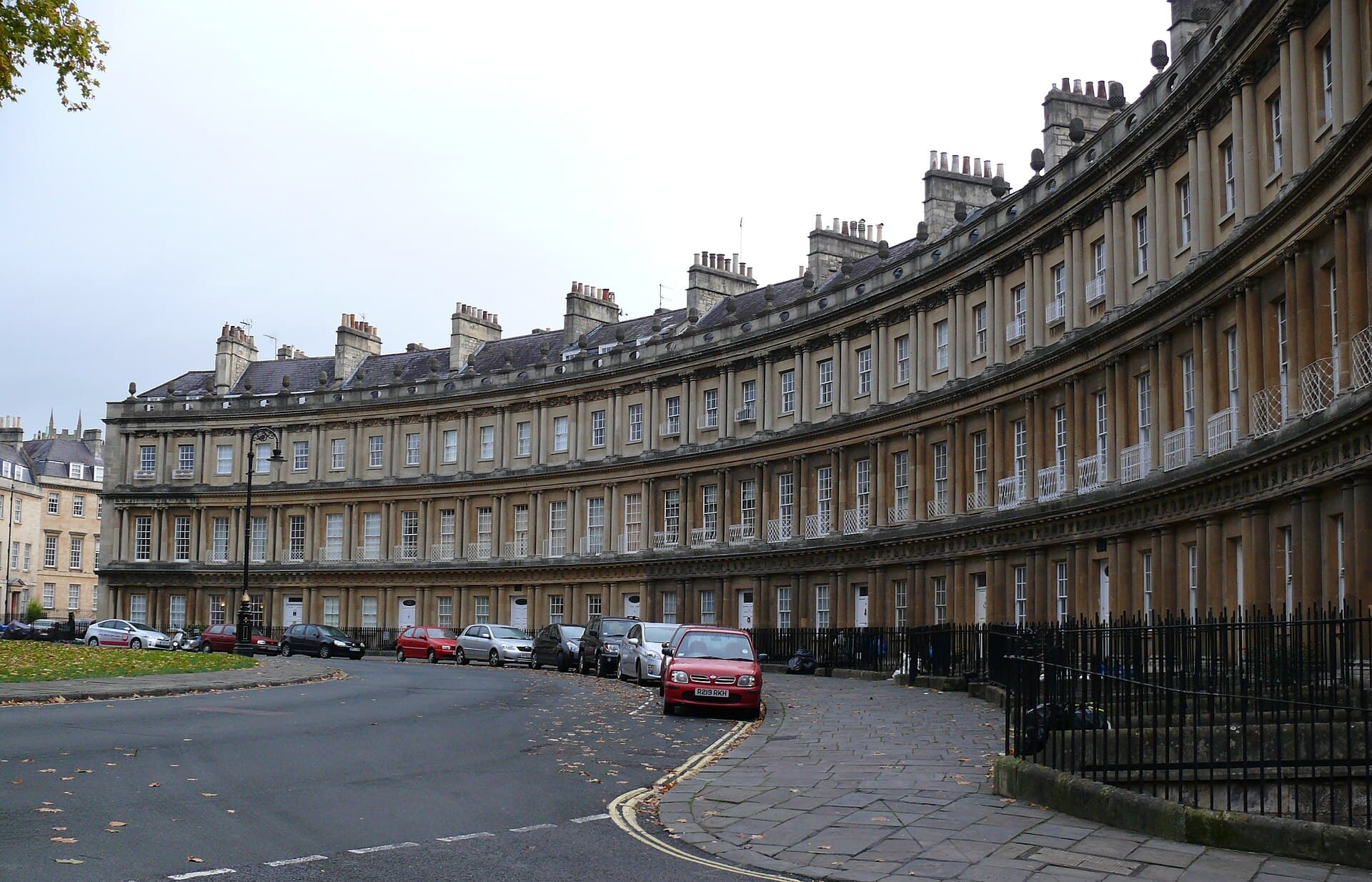 The Circus, BathThe diameter of this ring of stone is, give or take a few feet, that of Stonehen3 minutes walk4.4
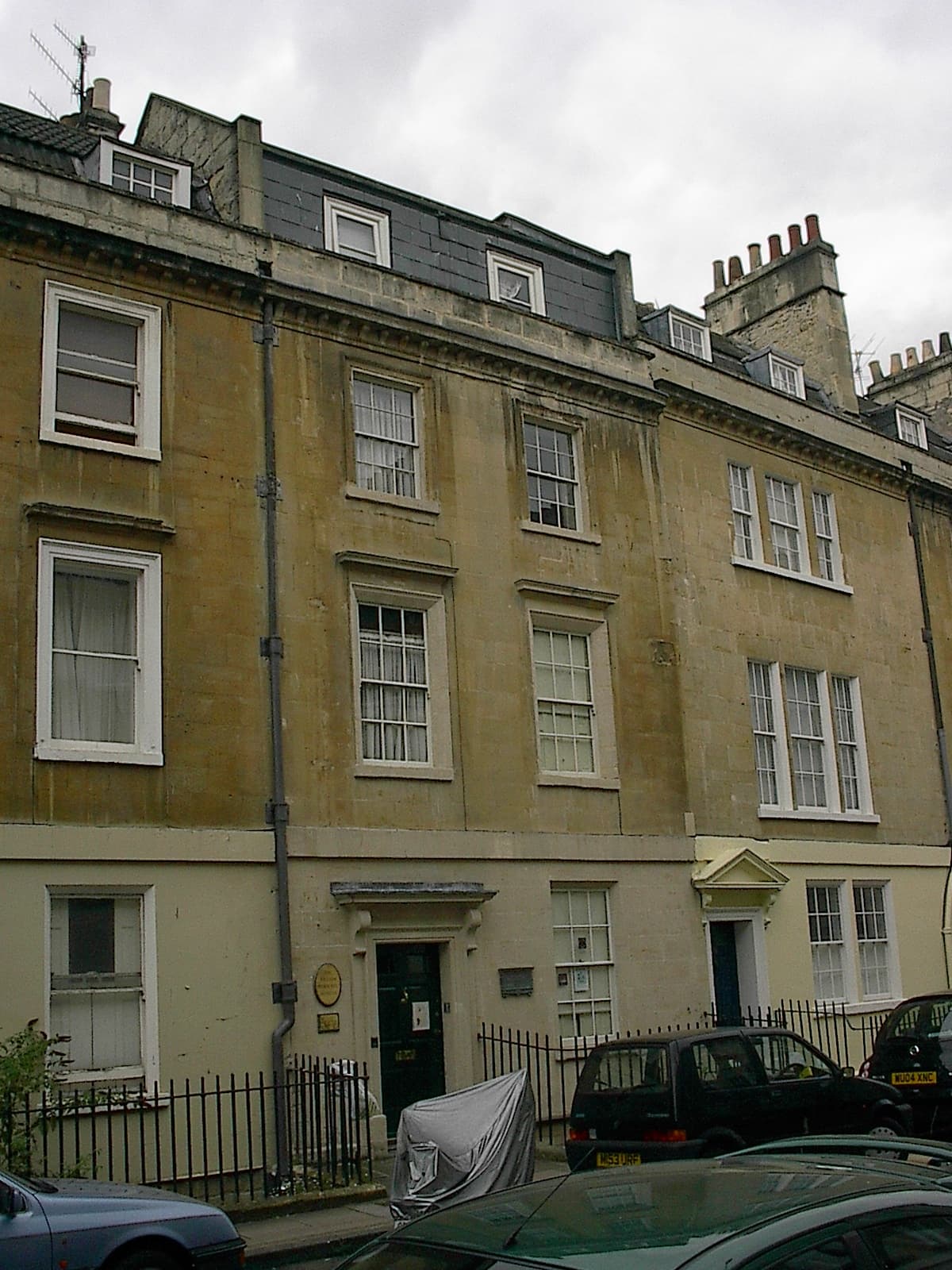 Herschel Museum of AstronomyOn the night of 13 March 1781, in a back garden no bigger than a family living r4 minutes walk4.6
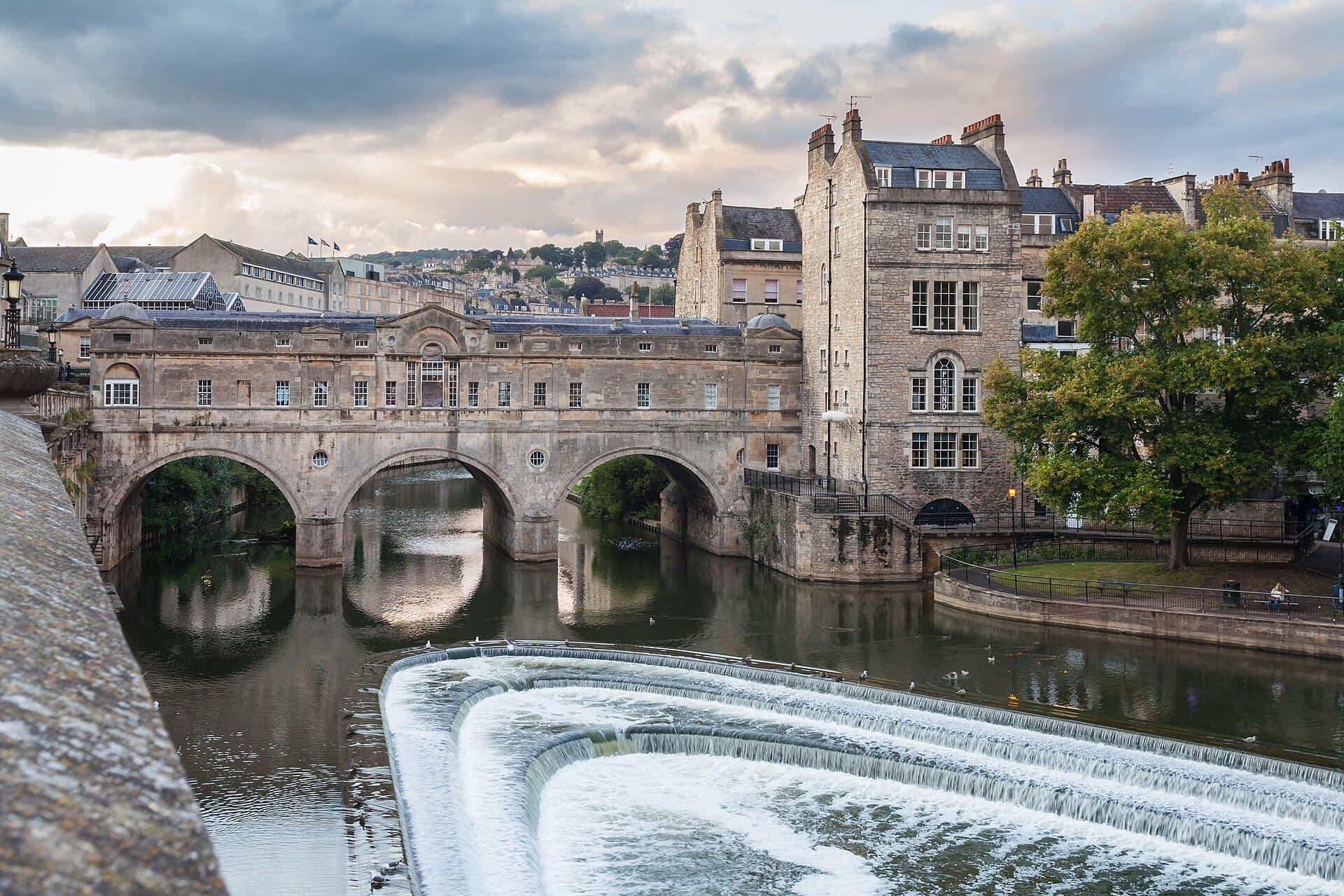 Pulteney BridgeOnly four bridges in the world carry shops along both sides from end to end: the5 minutes walk4.7
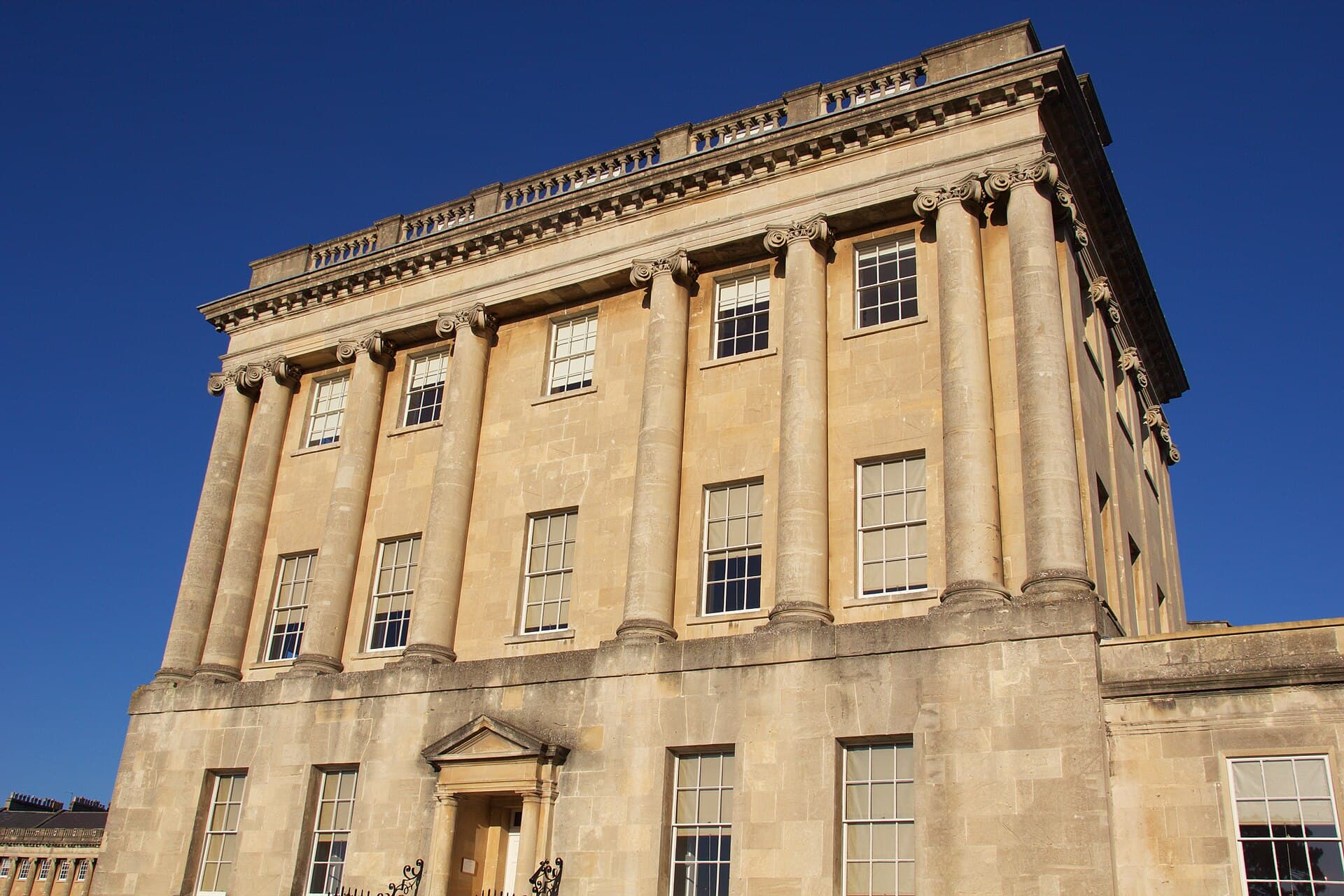 No. 1 Royal CrescentThirty terraced houses in a single sweep of honey-coloured stone above a green l5 minutes walk4.4
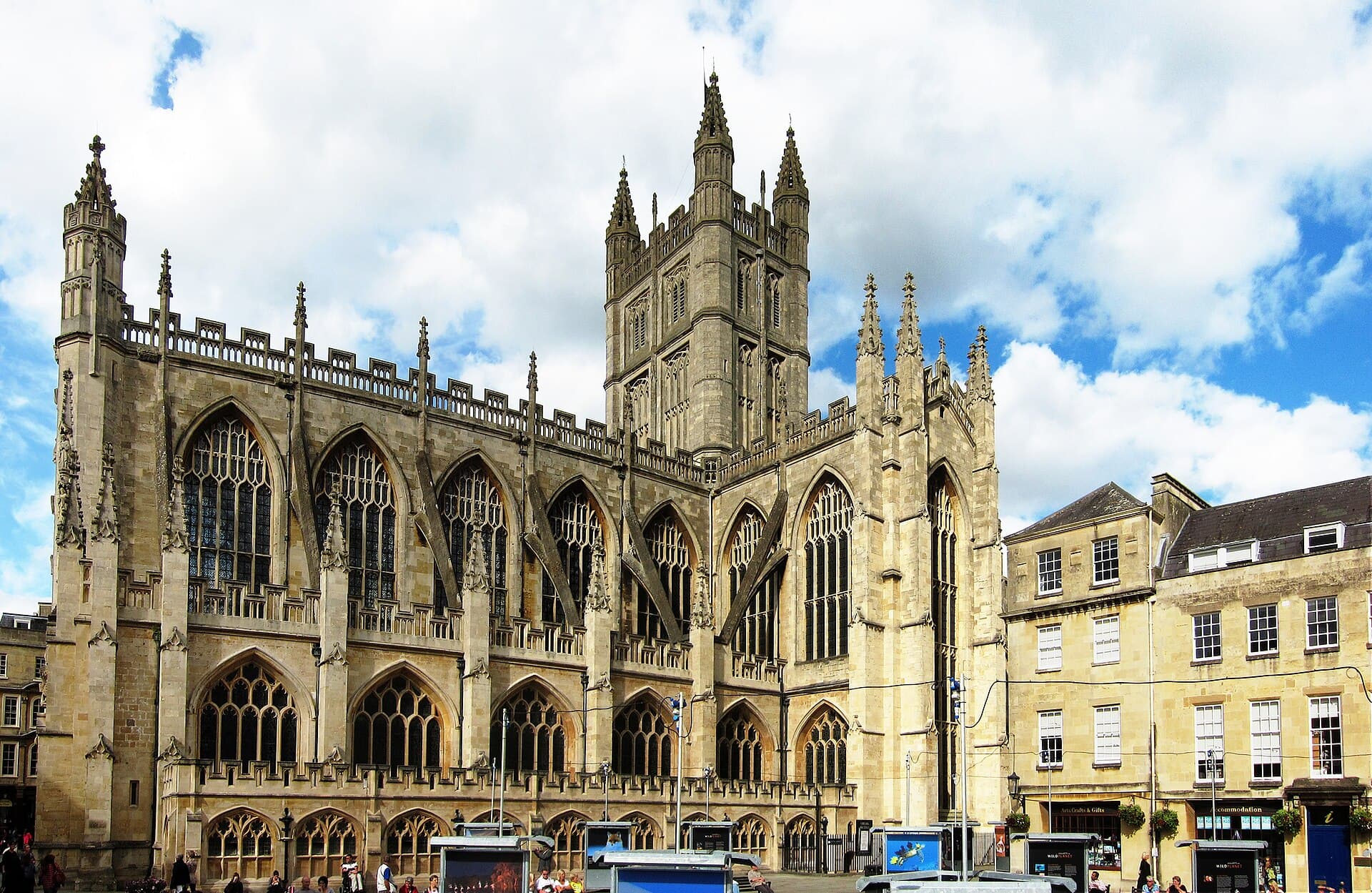 Bath AbbeyCarved angels climb stone ladders up the west front of Bath Abbey, and a few of 5 minutes walk4.5
Probably not. The exhibition is small and leans on what you already know of the novels; visitors who do not know them find it thin for GBP 18. Walk up Gay Street, photograph the facade and the costumed greeter at the door, and spend the time at the Roman Baths or the Royal Crescent instead. If someone in the family is an Austen reader, the hour is worth it.
No. Austen lodged at number 25, further up the same street, for a few months in 1805, and earlier at 4 Sydney Place near Sydney Gardens. Number 40 is a lookalike house chosen because it fits, and holds none of her personal belongings. You can walk up to number 25 and see the plaque on the facade, from the outside only.