
The Jewish section
Largely intact stones, with the last burial in 1880.
Alphacentauri — CC BY-SA 3.0 · MSeses — CC BY-SA 4.0 · MSeses — CC BY-SA 4.0 · Zinnmann — CC BY-SA 3.0 de
This is the oldest surviving cemetery in Stuttgart, laid out in 1626 outside the city walls of the day and closed to burials in 1880. It covers about two point eight hectares, some seventy thousand people were buried here across two and a half centuries, and around sixteen hundred grave monuments still stand. It has been a protected cultural monument since 1986 and functions today as a walled public green in the middle of the western city. Two things make it more than a graveyard. The first is the graves themselves: the sculptor Johann Heinrich Dannecker, the poet Wilhelm Hauff, Gustav Schwab, Christian Friedrich Daniel Schubart and members of the poet Hoelderlin's family, so the stones read almost as a register of Swabian letters. The second is that the oldest Jewish cemetery in what is now Baden-Wuerttemberg is built into the same site, its section largely intact and its last burial in 1880, a rare early example of a Jewish burial ground inside a Christian municipal cemetery. Visiting is free and quiet, and mornings are best. The stones are weathered and many inscriptions have become impossible to read, and there are information panels but mostly in German. Twenty to forty minutes is enough. The Jewish section calls for respectful behaviour, and men may be asked to cover their heads there. This is a place to walk slowly through rather than to photograph.
Largely intact stones, with the last burial in 1880.
Hauff, Schwab, Schubart and the sculptor Dannecker.
Hoppenlaustrasse, 70174 Stuttgart
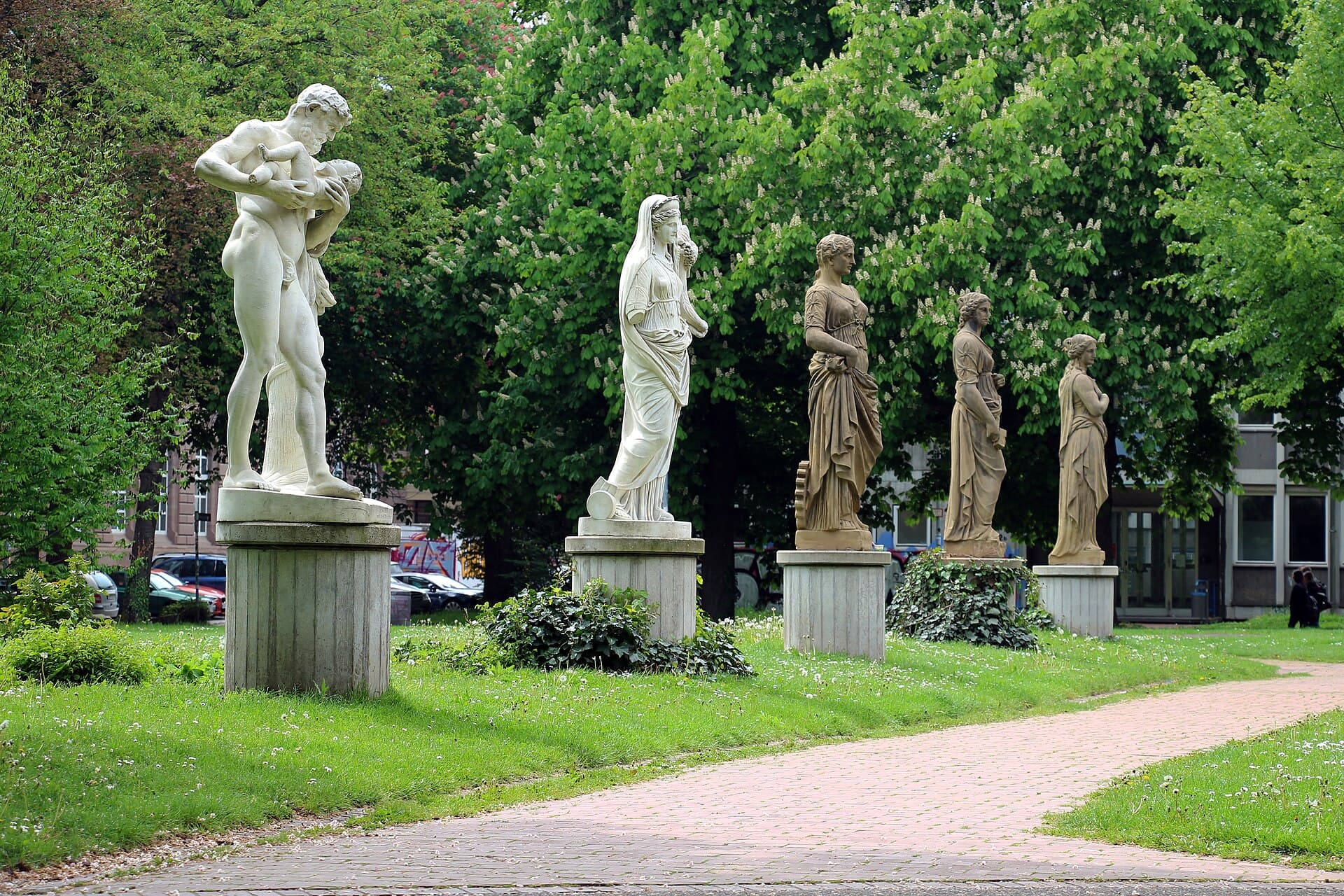 StadtgartenStuttgart's Stadtgarten is a relatively small green space in a pivotal position:6 minutes walk4.4
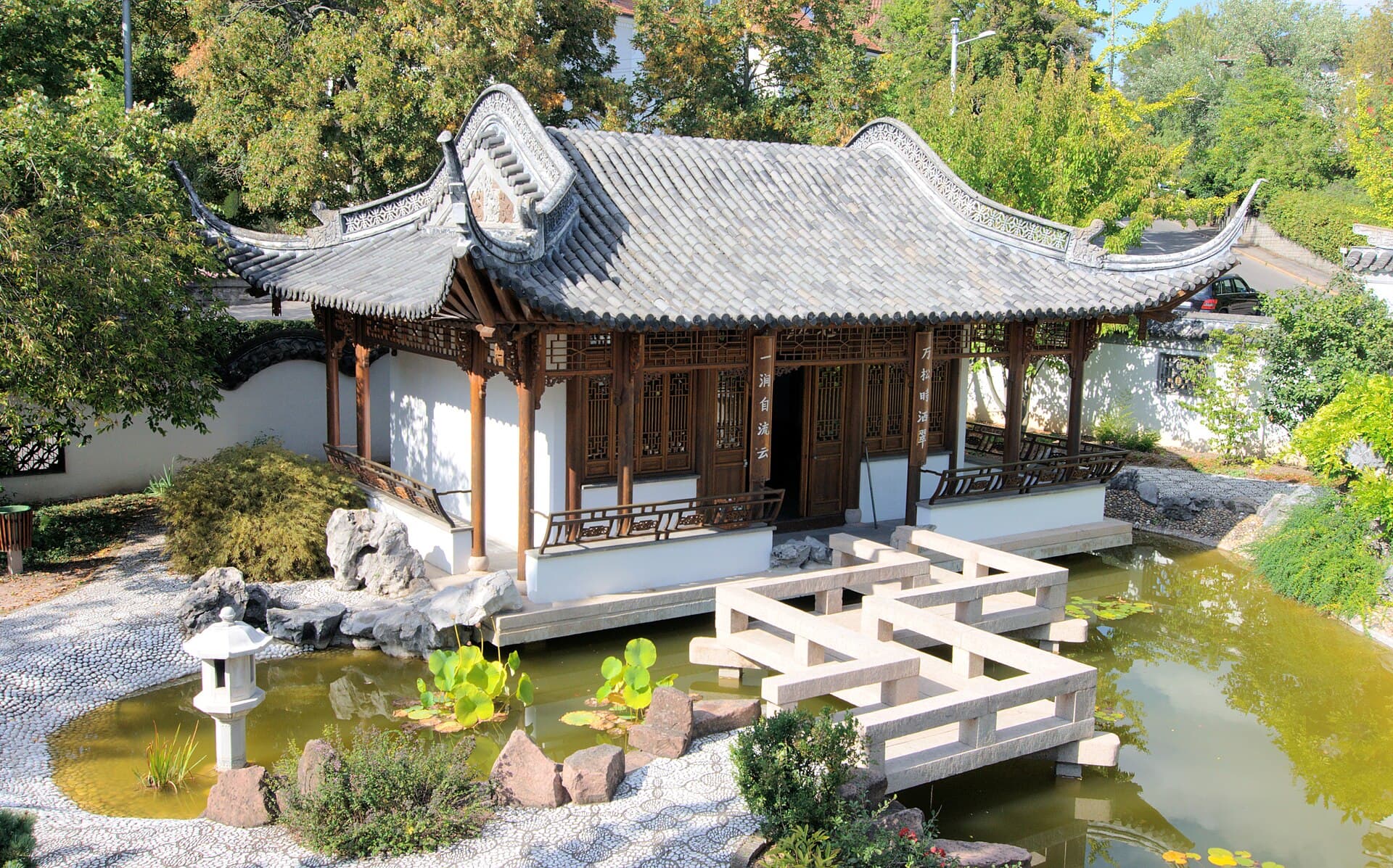 Chinese Garden StuttgartA small Chinese garden on a terrace of the slope between central Stuttgart and t11 minutes walk4.1
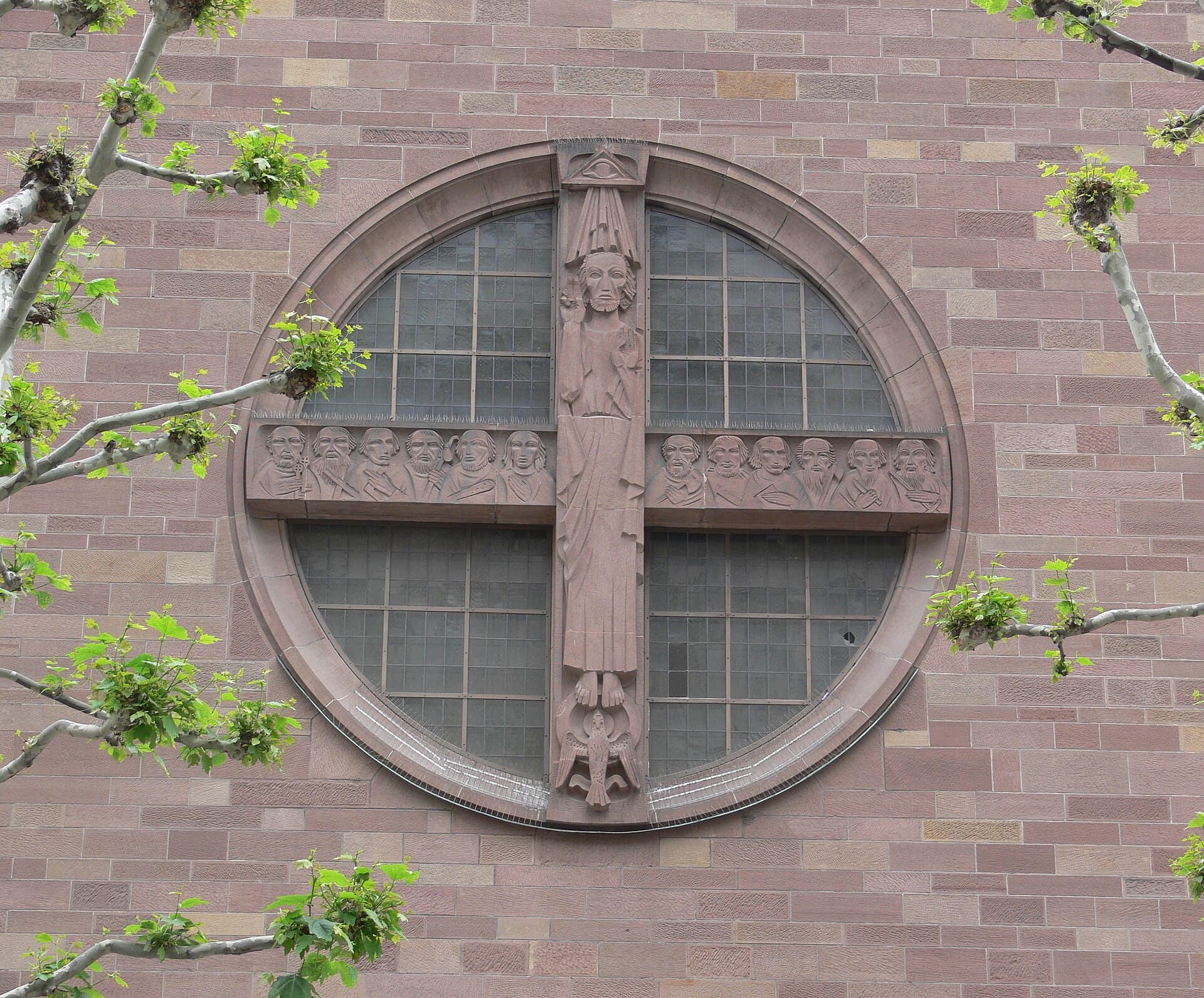 Cathedral Church of St EberhardThis is the Catholic cathedral church of the Diocese of Rottenburg-Stuttgart, st11 minutes walk4.5
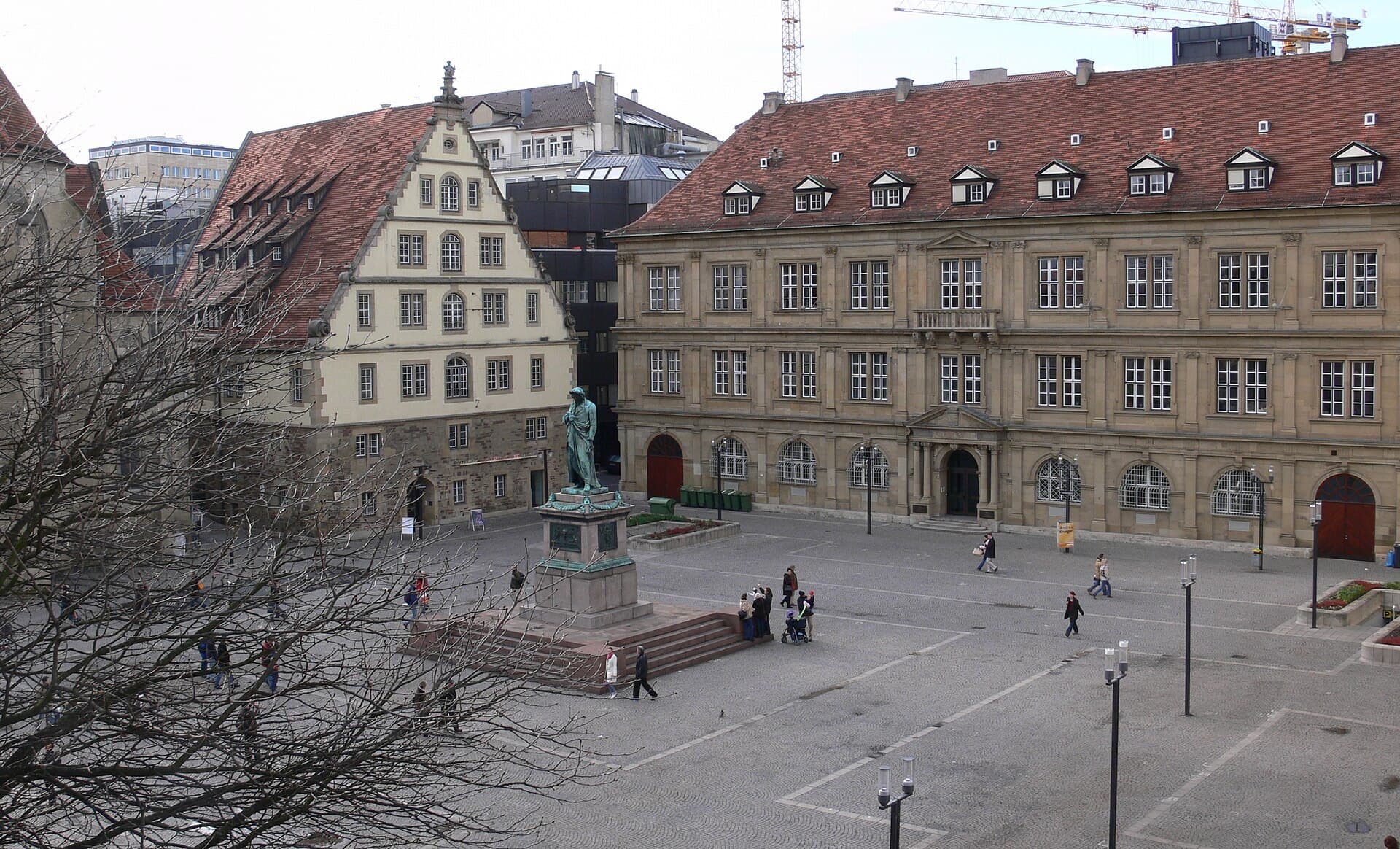 SchillerplatzSchillerplatz is Stuttgart's oldest and prettiest square. It adjoins Schlossplat11 minutes walk4.6
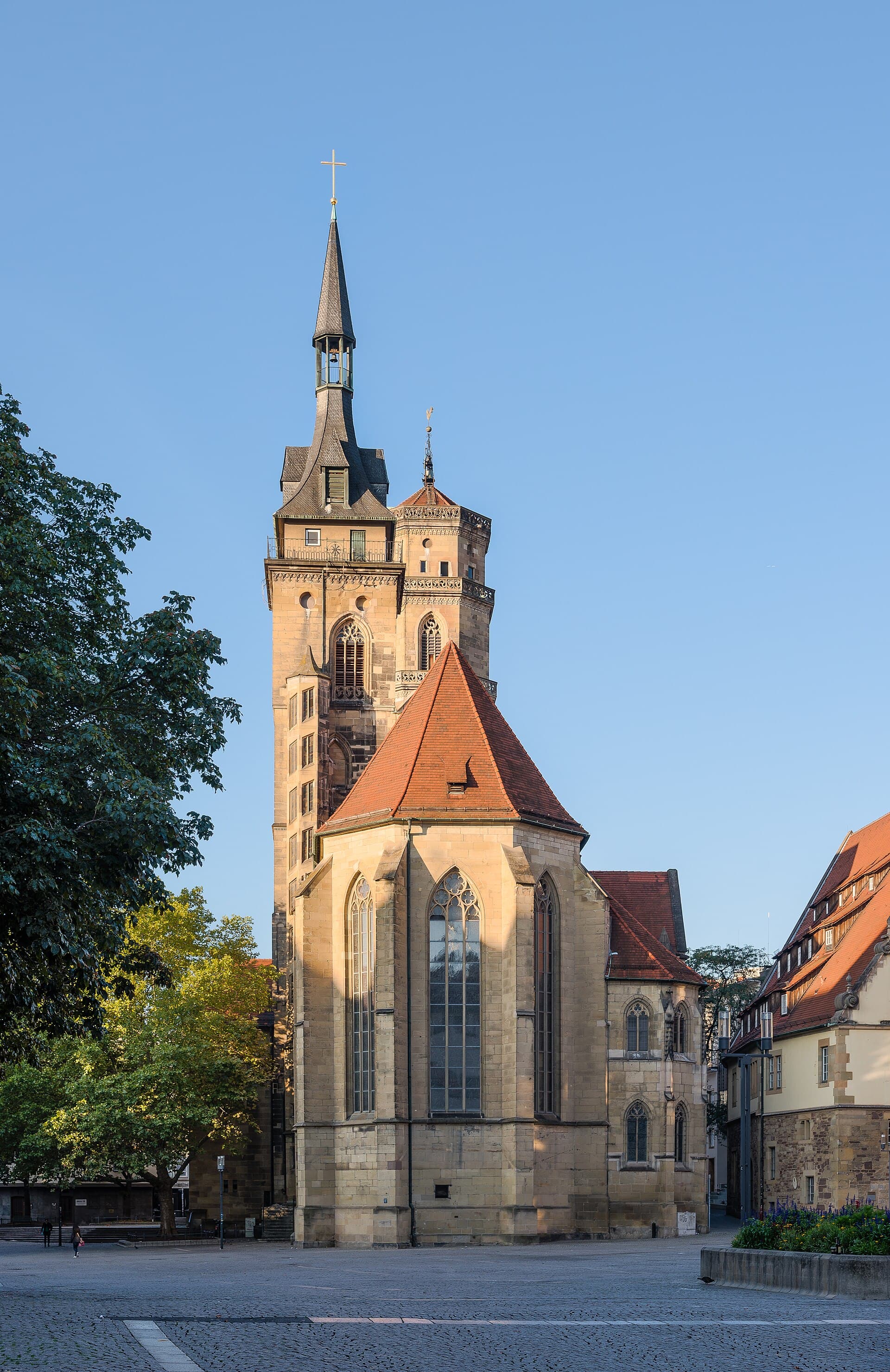 Stiftskirche (Collegiate Church)The Stiftskirche is Stuttgart's mother church and the heart of its old town: its12 minutes walk4.7
Yes. It is a municipal green space today, gated but open through the day, with no ticket and no staff. Photography is generally tolerated, but this is still a historic burial ground and the Jewish section in particular deserves silence and modest dress.