
The staircase
A light well beneath a glass dome, a banister flowing like a whip.
FrDr — CC BY-SA 4.0 · FrDr — CC BY-SA 4.0 · Romaine — CC0 · Jopparn — CC BY-SA 3.0
The Horta Museum is the house and studio of Victor Horta, father of architectural Art Nouveau — and Brussels is the world capital of that art. He built it for himself between 1898 and 1901 in the Saint-Gilles district, and it is the purest example of his style: everything from door handles to chandeliers, mosaics and stained glass is designed in a curving organic unity as if grown. UNESCO-listed (2000) with three other Horta houses. The house's heart is its staircase: a light well rising three floors beneath a glass dome, with an iron banister flowing like a whip and walls in warm golden tones — the most famous Art Nouveau sight in Brussels. The living and dining rooms keep their original furniture designed by Horta himself, and the adjoining studio shows his drawings and models. Numbers are strictly limited (a small house) and it opens afternoons only — book online early. In Saint-Gilles south of the centre (tram), amid a district full of other Art Nouveau façades worth wandering.
A light well beneath a glass dome, a banister flowing like a whip.
From handles to chandeliers — everything designed as one organism.
Other Art Nouveau façades around the museum worth wandering.
Rue Américaine 27, 1060 Saint-Gilles, Brussels
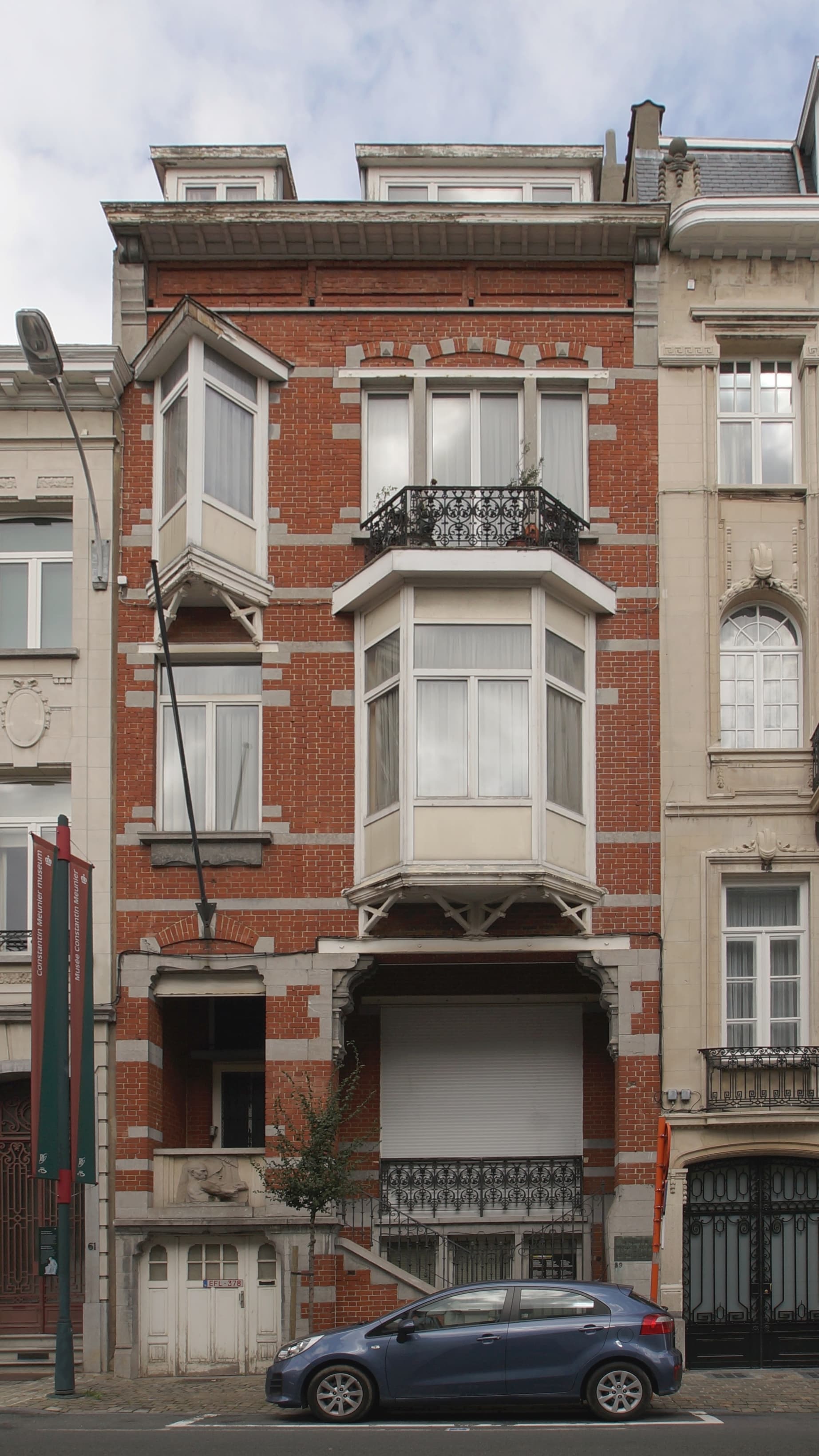 Constantin Meunier MuseumThe house and studio of the Belgian sculptor and painter Constantin Meunier (18312 minutes walk4.5
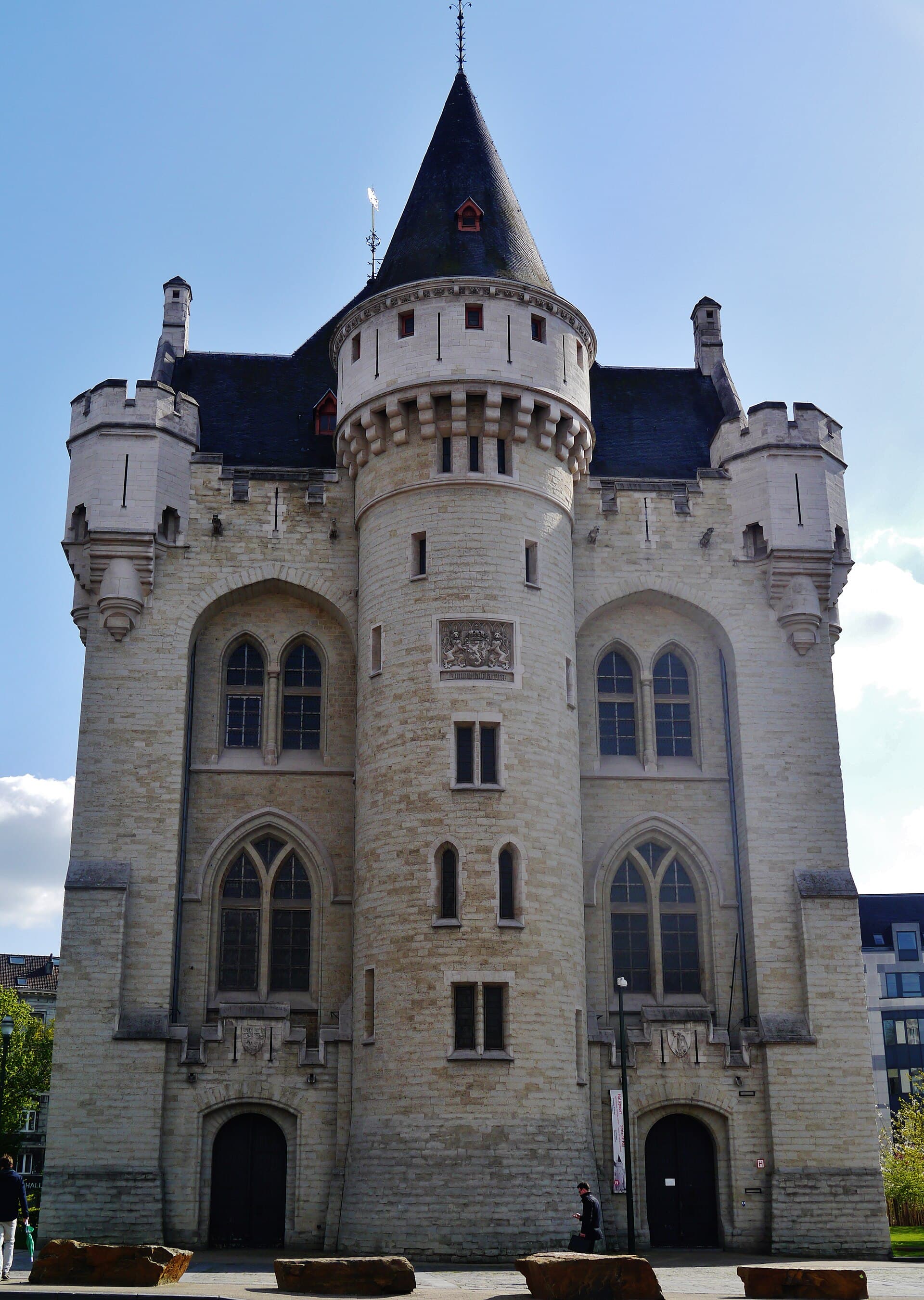 Halle GateThe Halle Gate is the sole survivor of Brussels' second city wall (fourteenth ce15 minutes walk4.2
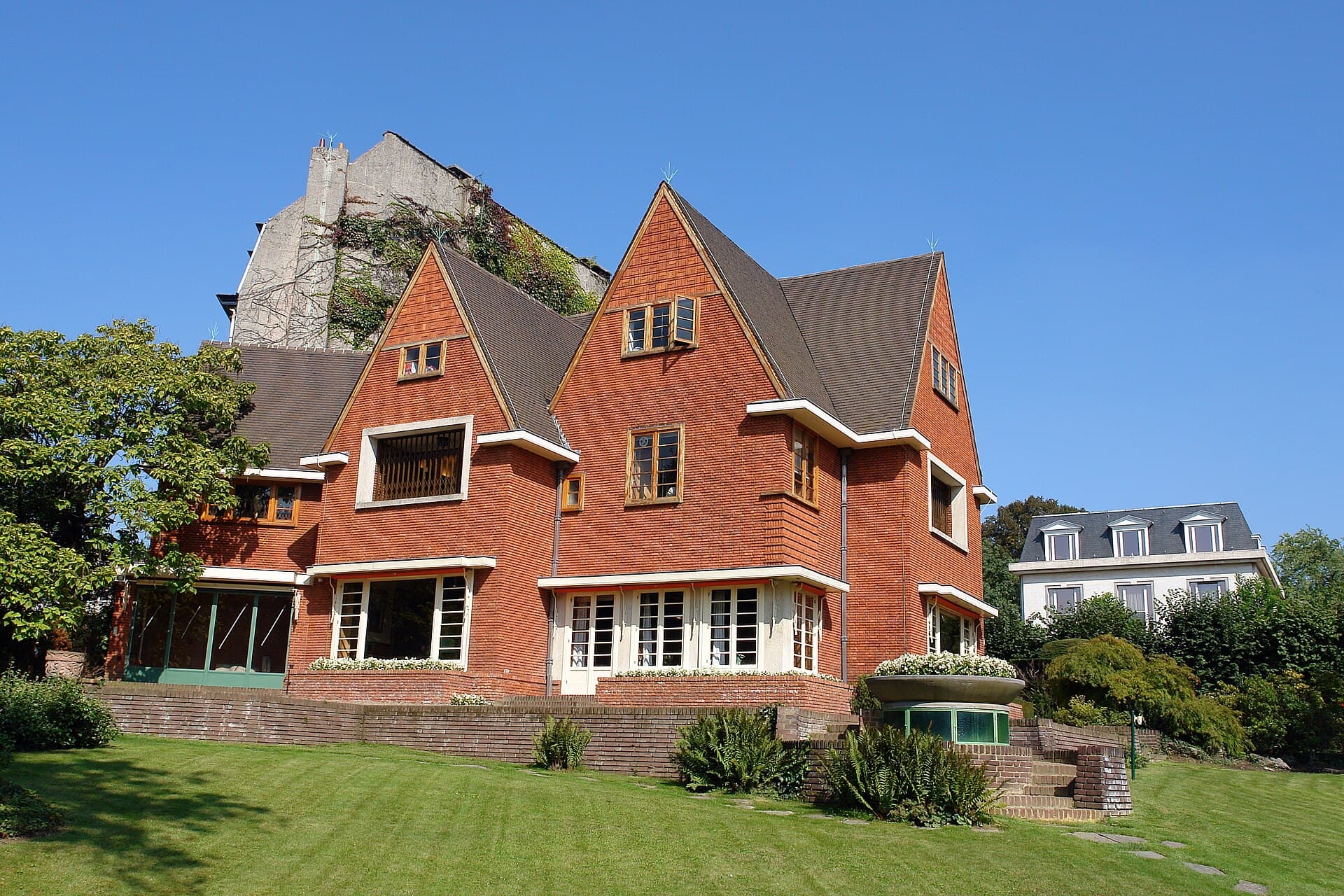 Van Buuren Museum and GardensA private house of the 1930s in Uccle south of Brussels, built by the Dutch bank20 minutes walk4.8
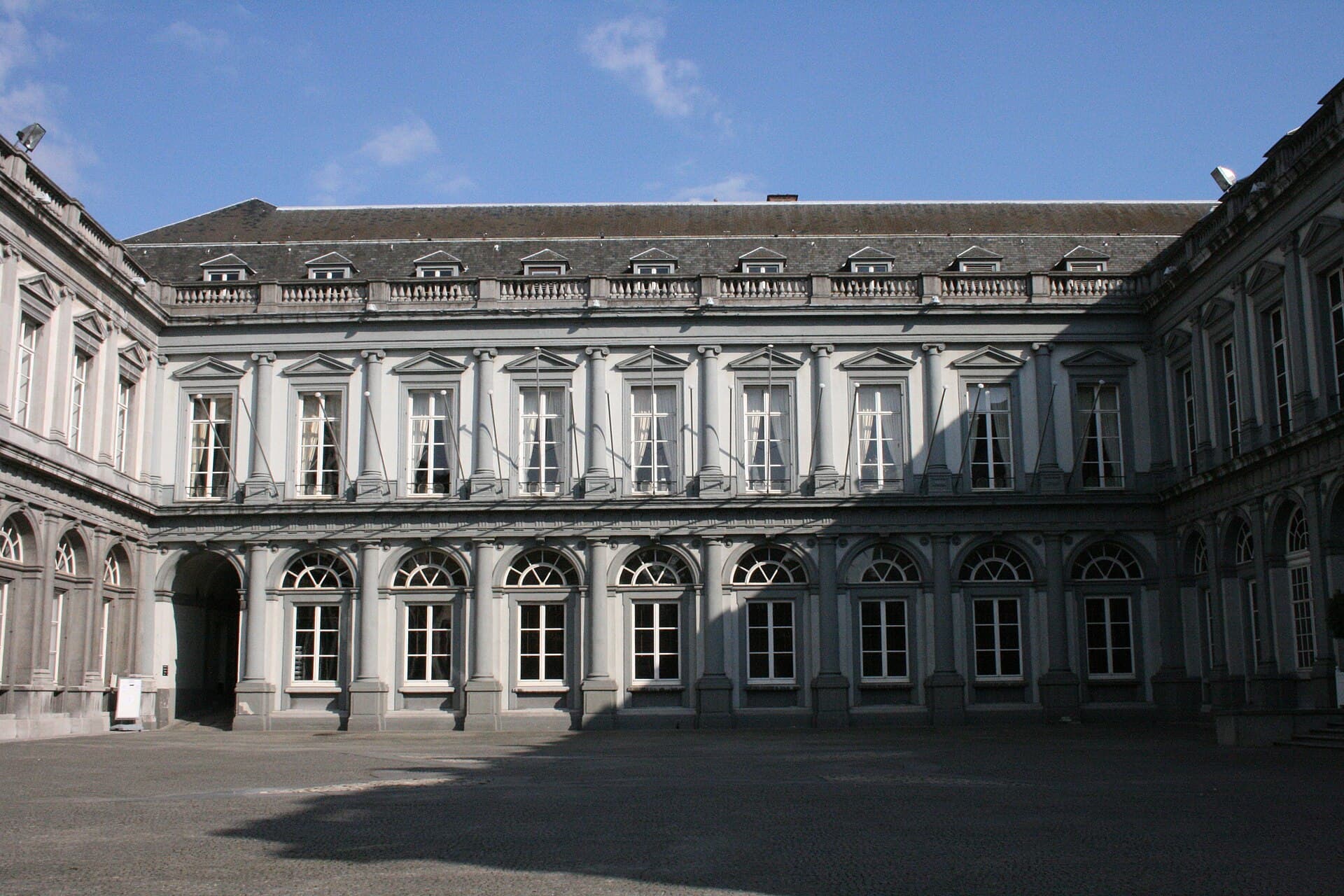 Egmont PalaceAn aristocratic palace in the Sablon district, sixteenth-century in origin and r20 minutes walk4.6
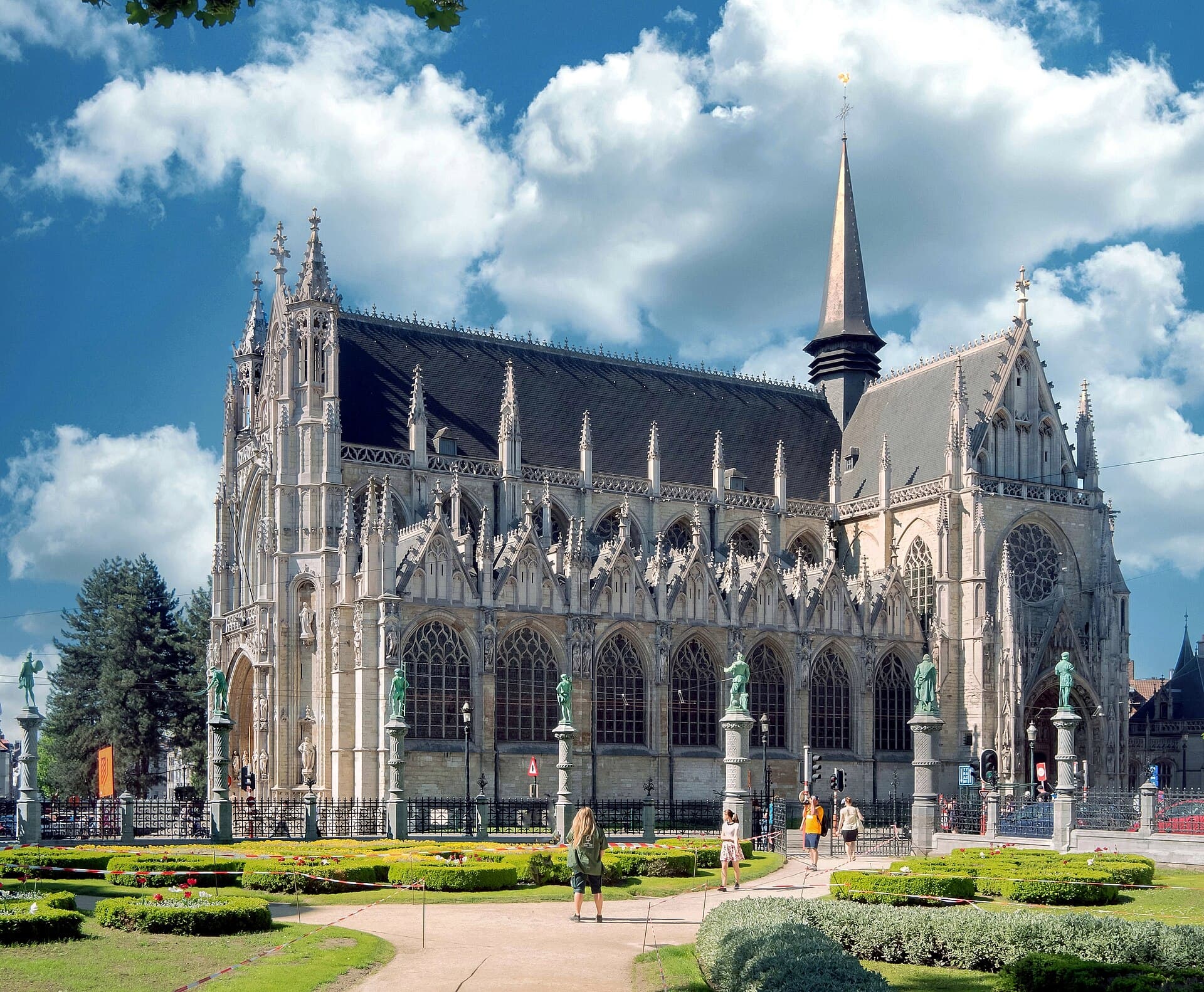 Place du Grand SablonThe Grand Sablon is Brussels' most refined square: an elegant sloping piazza rin22 minutes walk4.2
For the architecture and design lover: absolutely — the purest Art Nouveau in the world, in its cradle. For others: the house is small and the visit short, but the staircase alone justifies the trip. Book days ahead (very few places), and combine it with a walk through the Saint-Gilles and Ixelles streets for the other Art Nouveau façades.