
The studio as left
His tools and clay models in place, not a rearranged display.
IDD5000 — CC BY-SA 4.0 · FrDr — CC BY-SA 4.0 · Szilas — CC BY 4.0 · Romainbehar — CC0
The house and studio of the Belgian sculptor and painter Constantin Meunier (1831-1905), where he spent his last years, now a museum run by the Royal Museums of Fine Arts. Meunier is the artist who made the worker a subject for serious sculpture. At a time when statues were of kings, saints and gods, he cast miners, ironworkers and dockers at the same scale and with the same seriousness. That was a political statement as much as an artistic one. The context is entirely Belgian: Belgium was among continental Europe's first industrial nations, and the Walloon coal basins employed tens of thousands in harsh conditions. Meunier saw that and painted and sculpted it. The studio is preserved as it was with his tools and clay models. The museum is small, normally free and lightly visited, and sits in Ixelles south of the centre.
His tools and clay models in place, not a rearranged display.
The Walloon coal basins employed tens of thousands, and these are who Meunier sculpted.
Choosing the worker as subject was a position, not merely a taste.
Ixelles, southern Brussels
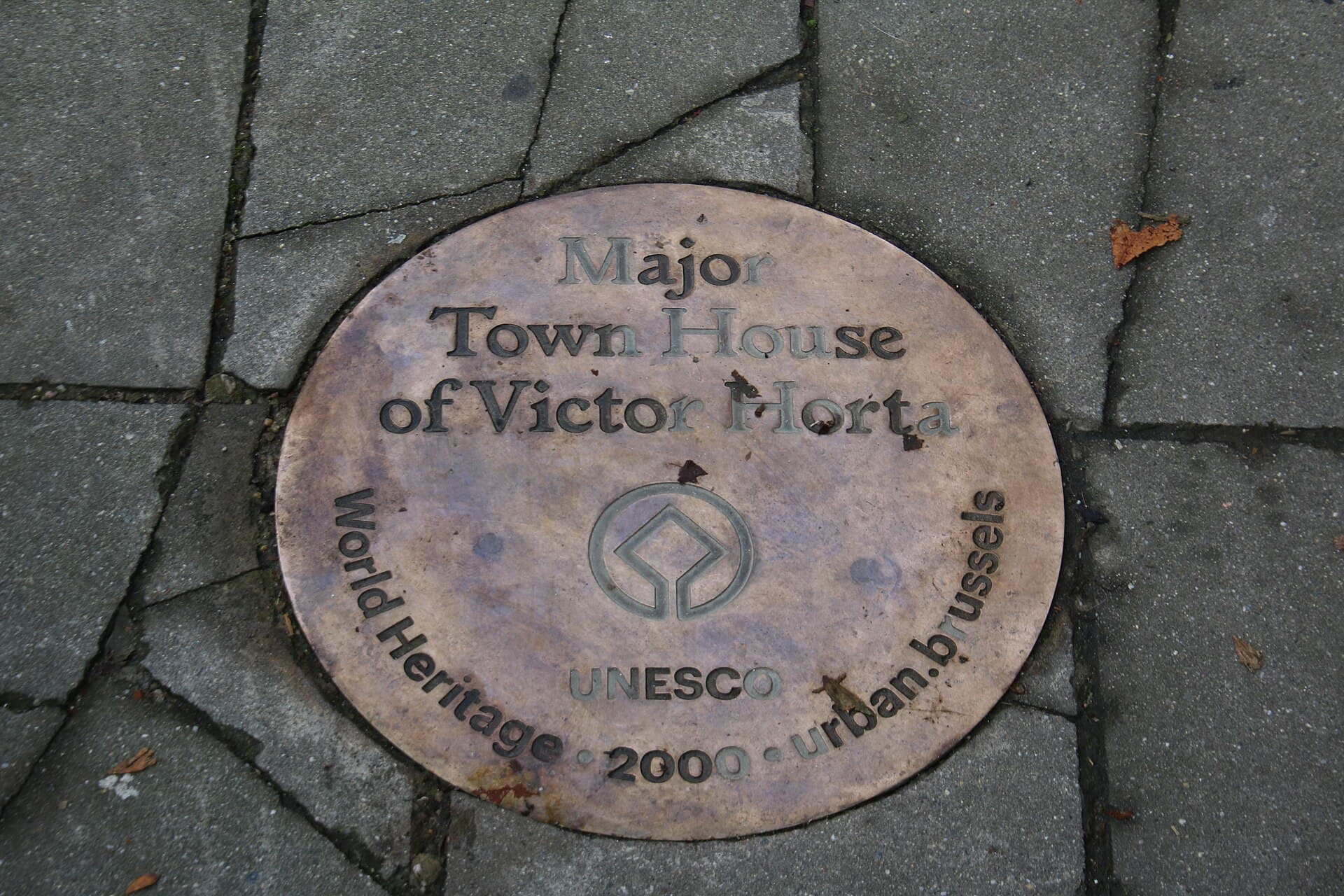 Horta MuseumThe Horta Museum is the house and studio of Victor Horta, father of architectura12 minutes walk4.5
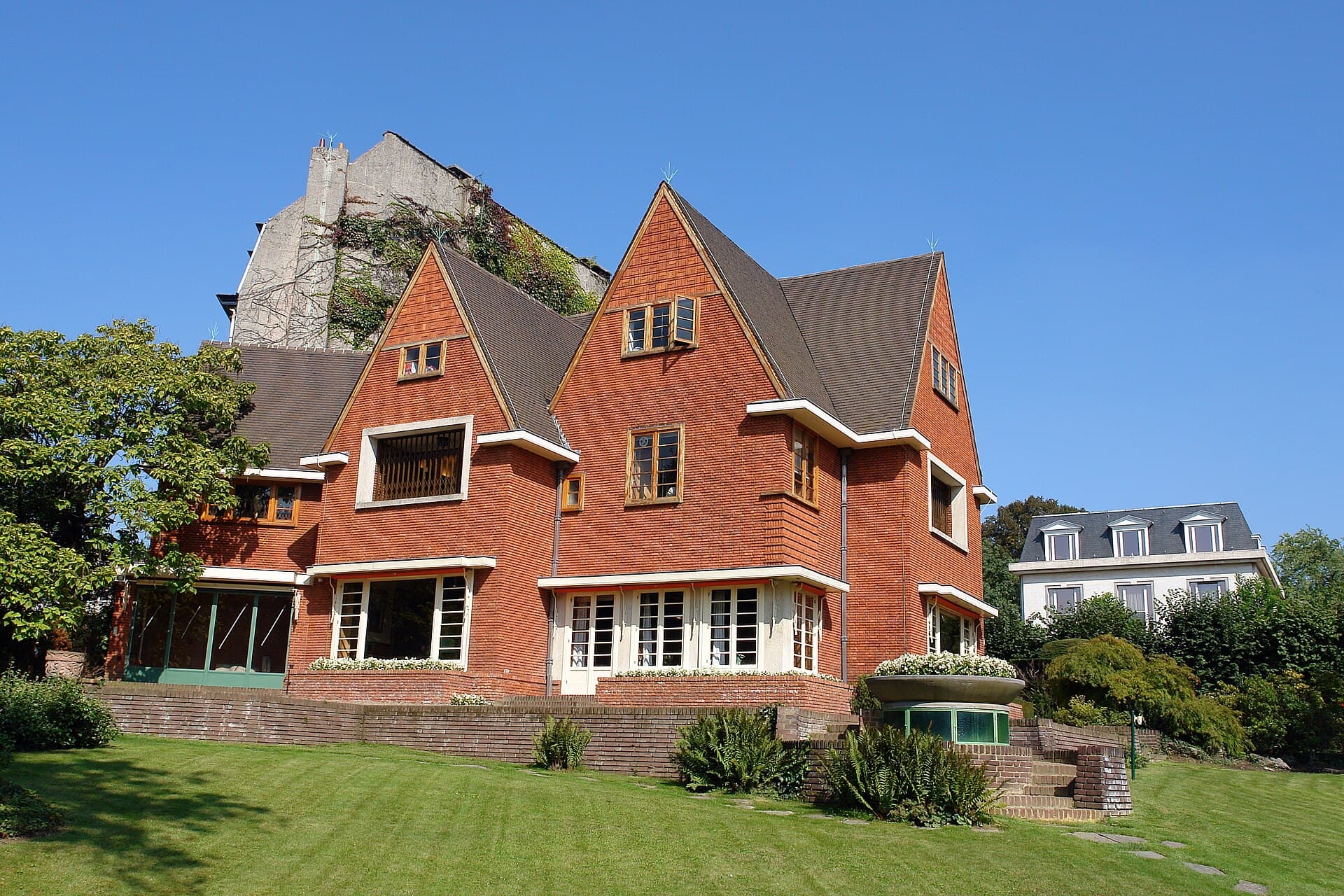 Van Buuren Museum and GardensA private house of the 1930s in Uccle south of Brussels, built by the Dutch bank17 minutes walk4.8
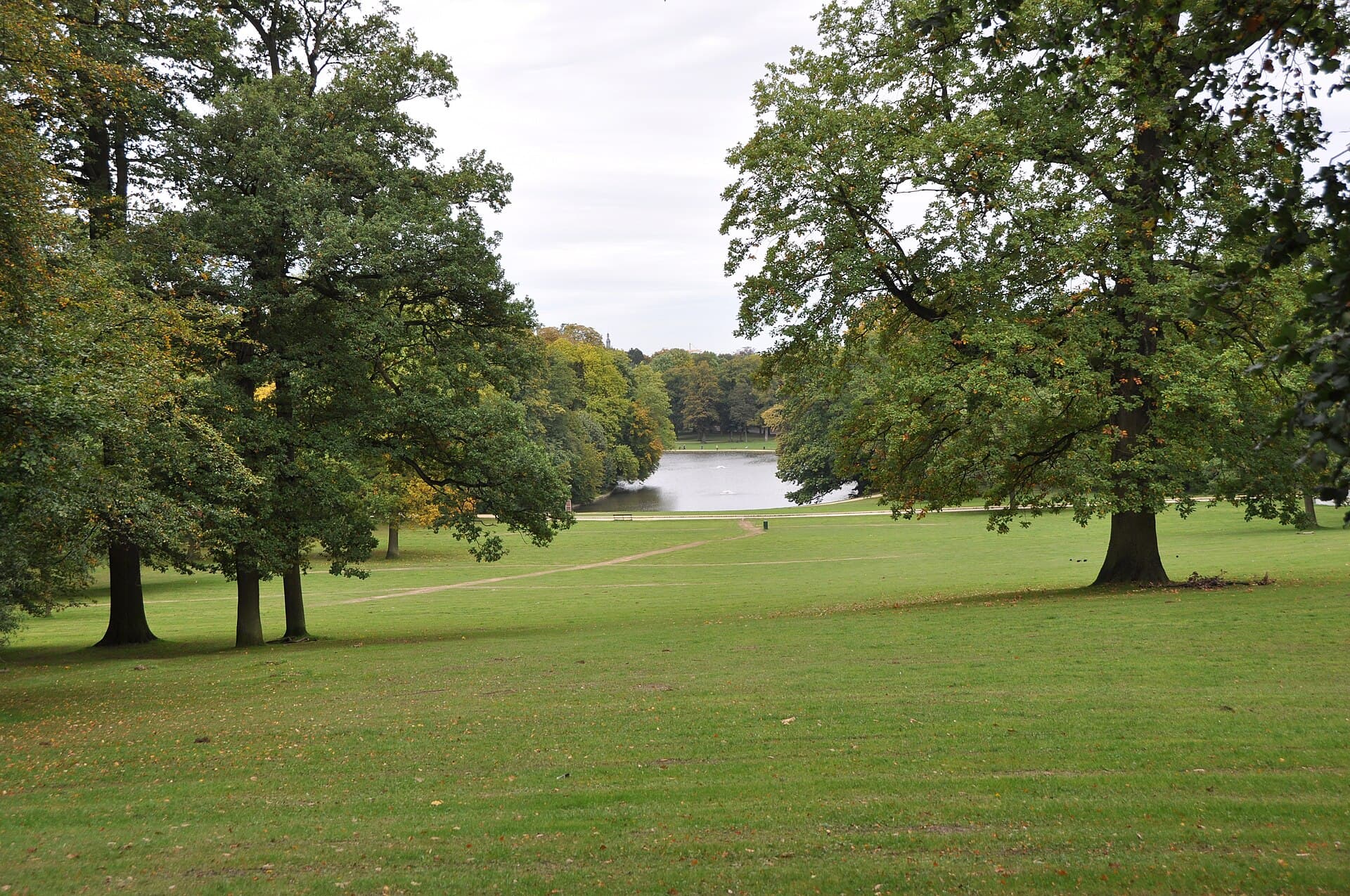 Bois de la CambreThe Bois de la Cambre is Brussels' great natural park — 120 hectares of landscap19 minutes walk4.5
A Belgian sculptor and painter (1831-1905) known for depicting industrial workers. He visited the coal basins and factories of Wallonia and painted and sculpted what he saw, becoming among the foremost representatives of industrial labour in European art. His work is in several museums, but his studio is here.
If sculpture or industrial history interests you, yes, particularly as it is free and entirely quiet. If your days in Brussels are few, the central museums come first. It pairs well with the van Buuren museum in the same southern area.