
Houses without numbers
Before the eighteenth century houses were known by their carved signs, not numbers.
Rémi Diligent — Public domain · Елена Нечипоренко — CC BY-SA 4.0 · Falk2 — CC BY-SA 4.0 · Falk2 — CC BY-SA 4.0
A fourteenth-century house directly behind the Church of Our Lady before Týn, one of the branches of the Museum of the City of Prague. The house itself is part of the exhibit: a Gothic cellar and floors carrying the traces of five centuries of alteration, restored so that the different building layers are left visible rather than hidden under uniform paint. Walking through it is a lesson in how the houses of the old city grew. Its name, like those of Prague's other old houses, comes from the sign carved on its front. Before street numbering in the eighteenth century, houses were known by their signs: the golden ring, the white lamb, the two serpents. Many of these signs are still in place across the Old Town, and noticing them turns a walk into a game. The displays alternate between temporary exhibitions and shows on the city's history, so check the programme. The site is in the very heart of the Old Town yet quieter than the square next to it.
Before the eighteenth century houses were known by their carved signs, not numbers.
The lower floor goes back to the house's fourteenth-century origin.
Look for the signs on the facades — many are still in place.
Týnská, directly behind the Church of Our Lady before Týn
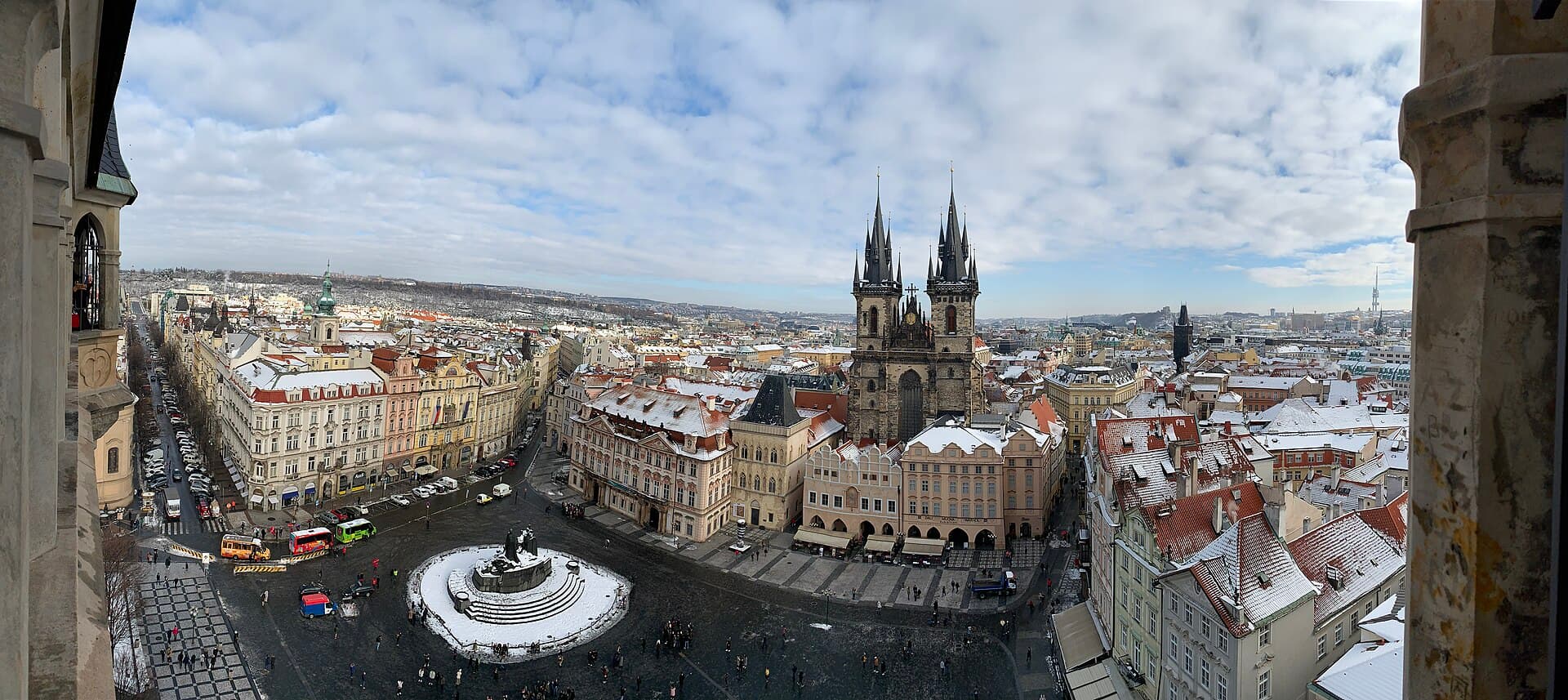 Church of Our Lady before TýnThe two spiked Gothic towers in every photograph of the Old Town Square belong t1 minute walk4.6
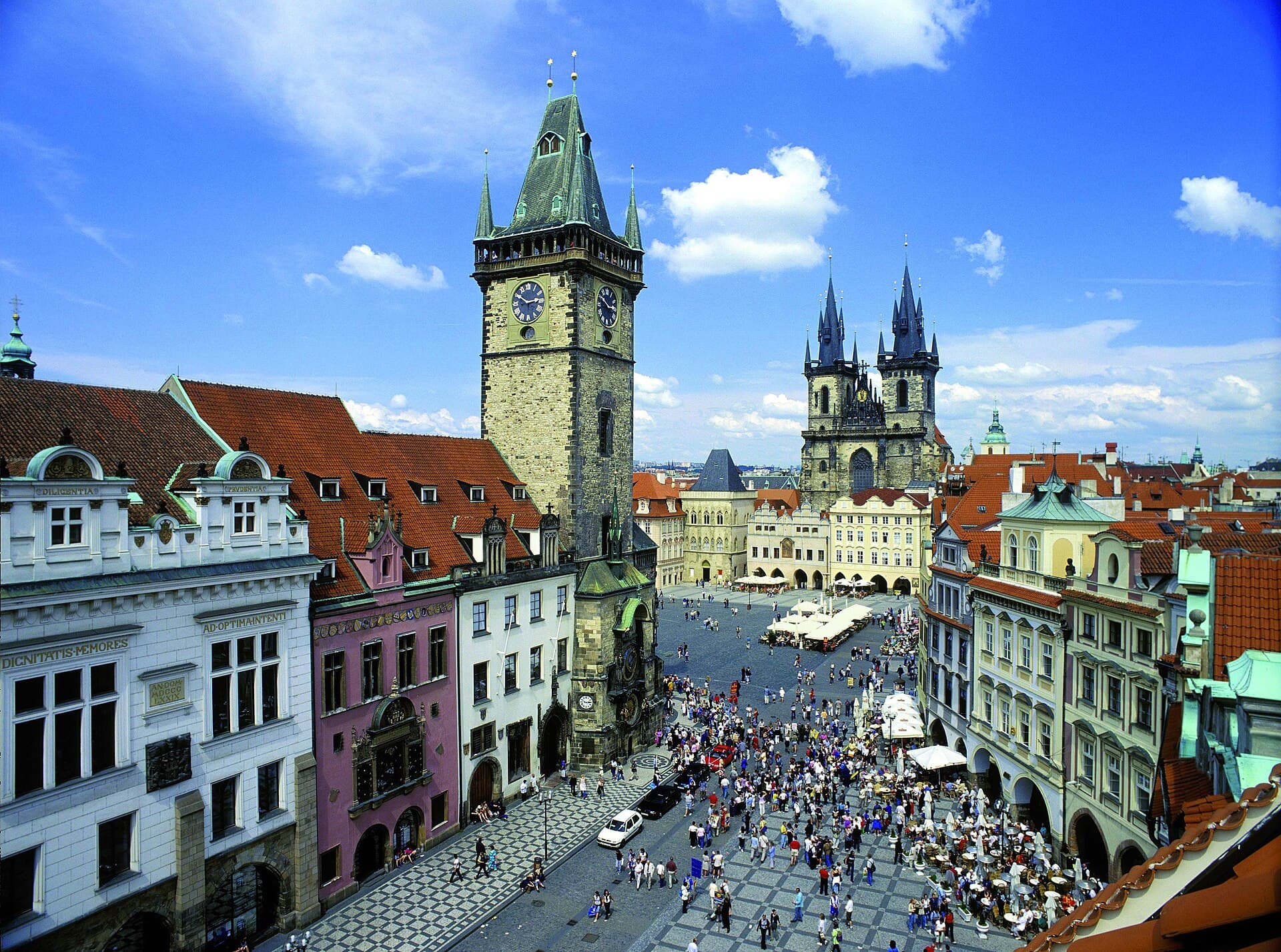 Old Town SquareThe Old Town Square has been Prague's living room since the 12th century: first 2 minutes walk4.9
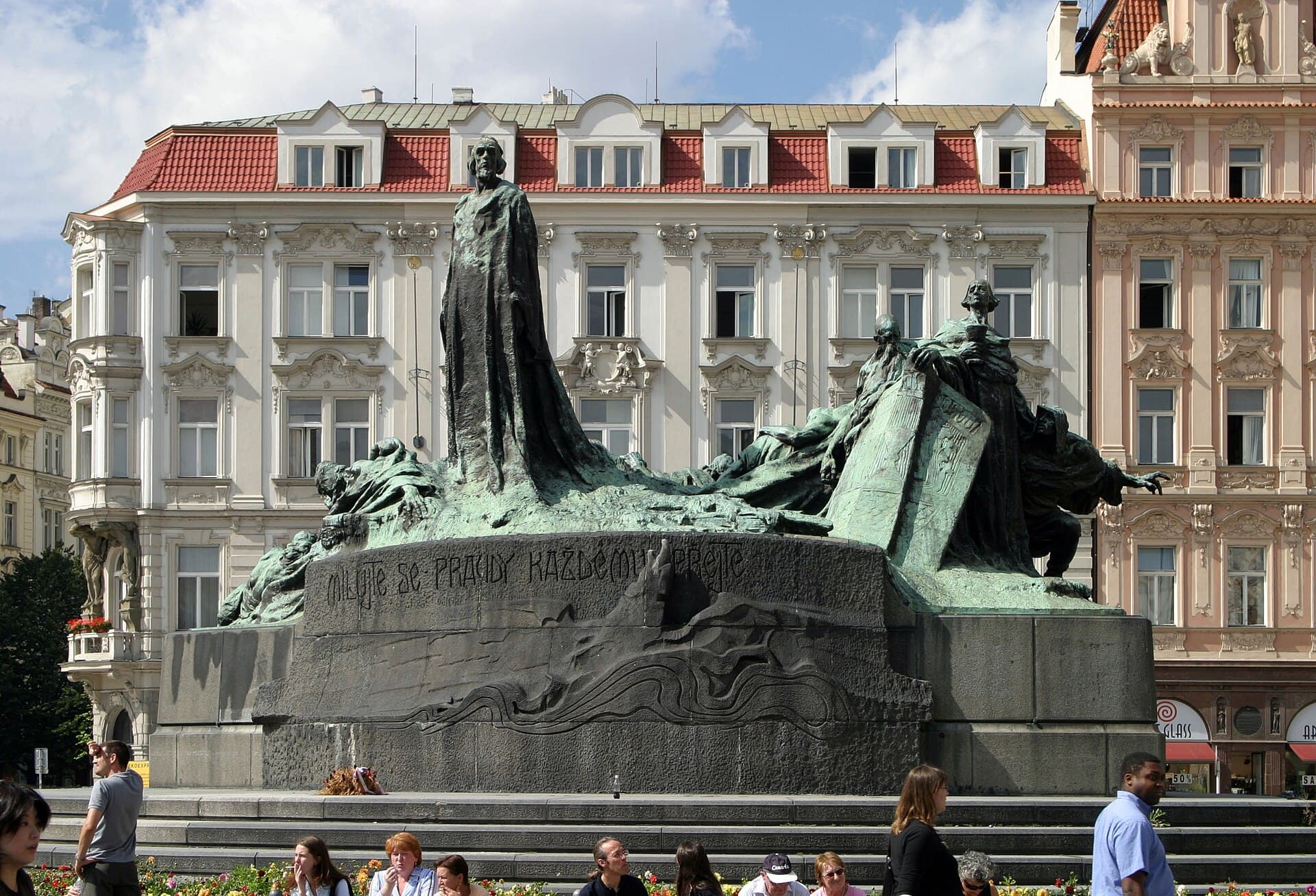 Jan Hus MemorialRight in the middle of the Old Town Square stands a dark bronze mass: the Jan Hu2 minutes walk4.7
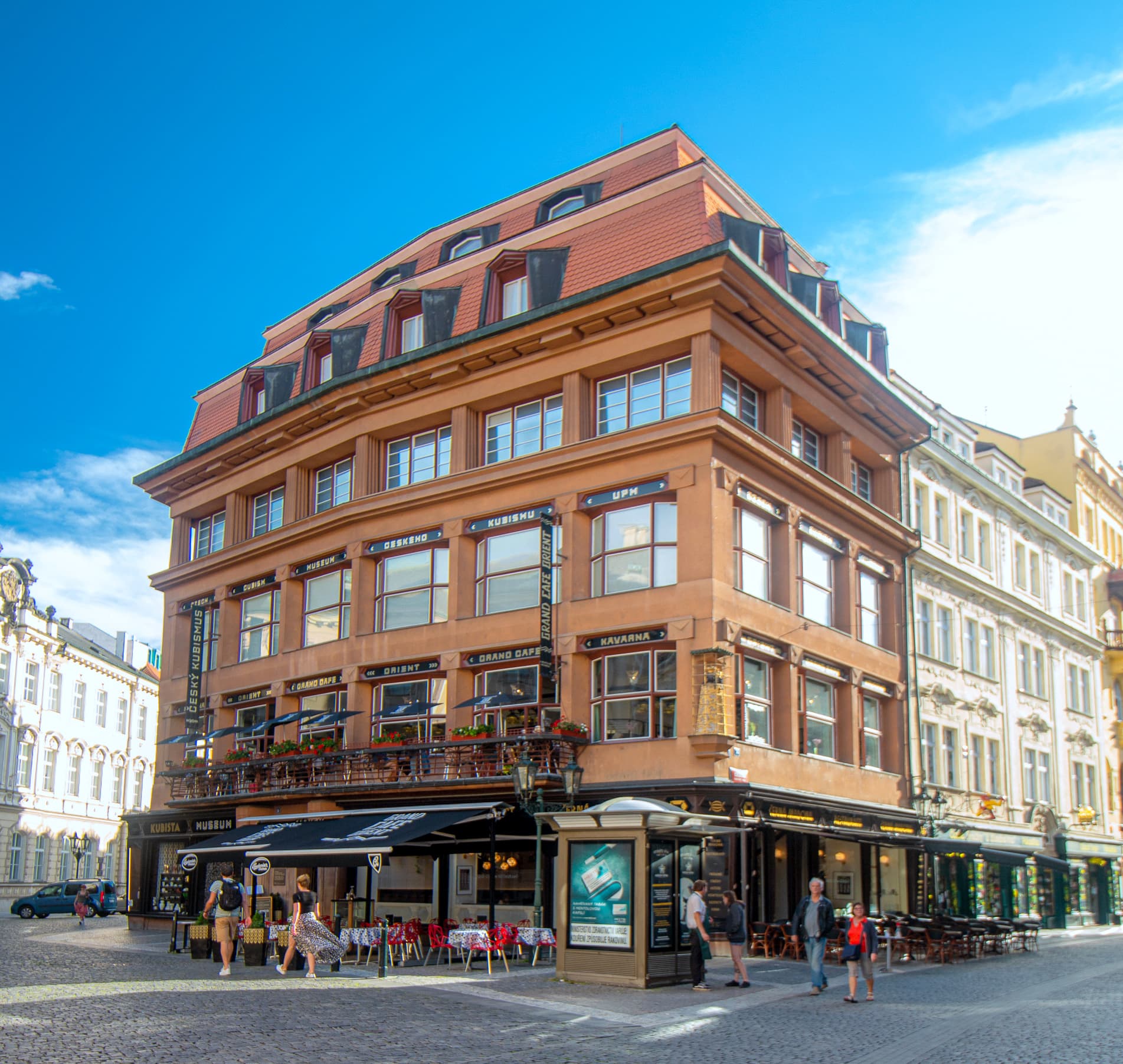 House of the Black MadonnaThe House of the Black Madonna is the first Cubist building in the world, and th3 minutes walk4.5
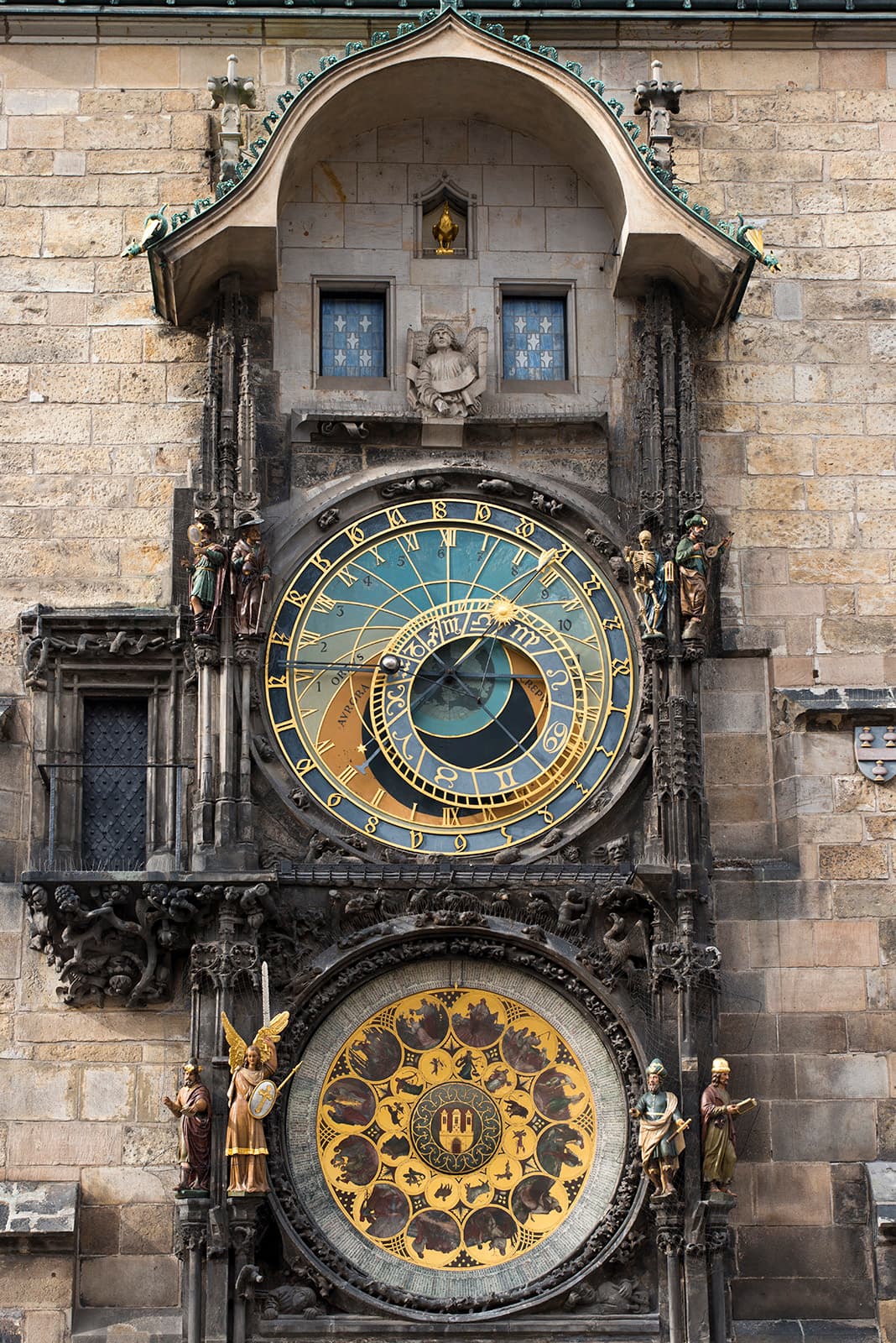 Prague Astronomical ClockPrague's astronomical clock was mounted on the wall of the Old Town Hall in 14103 minutes walk4.6
Every house had a sign carved or painted on its front — an animal, a tool, a shape — and was known by it. You said the house at the two serpents and people knew which house. Emperor Joseph II introduced numbering in 1770 for conscription and taxation, but the signs stayed, and hundreds are still on the facades of the Old Town and Malá Strana.
On a short visit, no. The Old Town Square, the astronomical clock, the Týn church and the Jewish quarter come first. This house is for anyone staying longer, or wanting to understand how the city was built rather than only seeing it from outside.