
The home films
Real twentieth-century family films, the part that affects visitors most.
User:LimoWreck — CC BY-SA 3.0 · Lalieka — CC BY-SA 4.0 · Lamiot — CC BY-SA 4.0 · Lamiot — CC BY-SA 4.0
Ghent's museum of everyday life, in a group of fourteenth-century almshouses built around a quiet inner courtyard. The buildings are themselves a story: they went up as penance after a bloody feud between two city families, and the condition of the settlement was that one of them build a shelter for the poor. The collection is neither art nor archaeology but the possessions of ordinary people in the nineteenth and twentieth centuries: children's toys, kitchen tools, holiday clothes, family photographs and home films. The arrangement is thematic rather than chronological: birth, love, work, death. What makes it among the best museums in Belgium is that it shows what museums usually leave out. No kings and no battles, but how families celebrated, grieved and worked. The home films in particular affect visitors more than they expect. The inner courtyard is open and has a café, and it is among the quietest places in busy central Ghent. The visit runs an hour and a quarter to two hours.
Real twentieth-century family films, the part that affects visitors most.
Raised as the condition of a settlement after a bloody feud between two city families.
Among the quietest places in central Ghent, normally enterable without a ticket.
Kraanlei, historic centre of Ghent
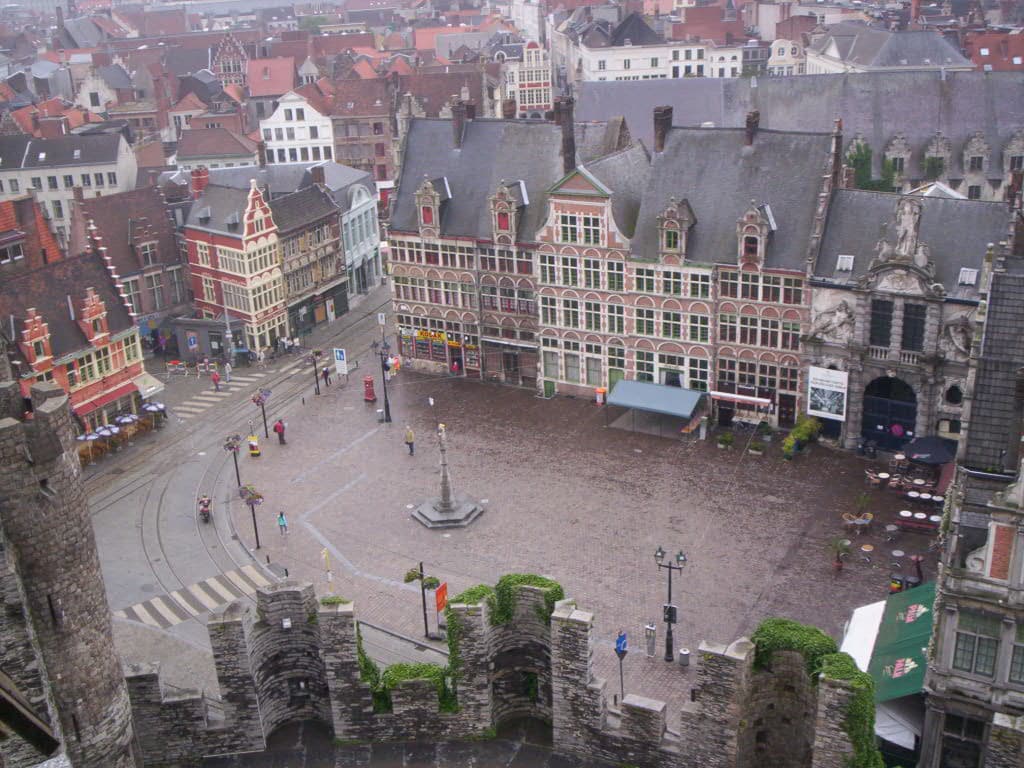 Sint-VeerlepleinA small square directly in front of the Gravensteen castle, among Ghent's oldest2 minutes walk4.6
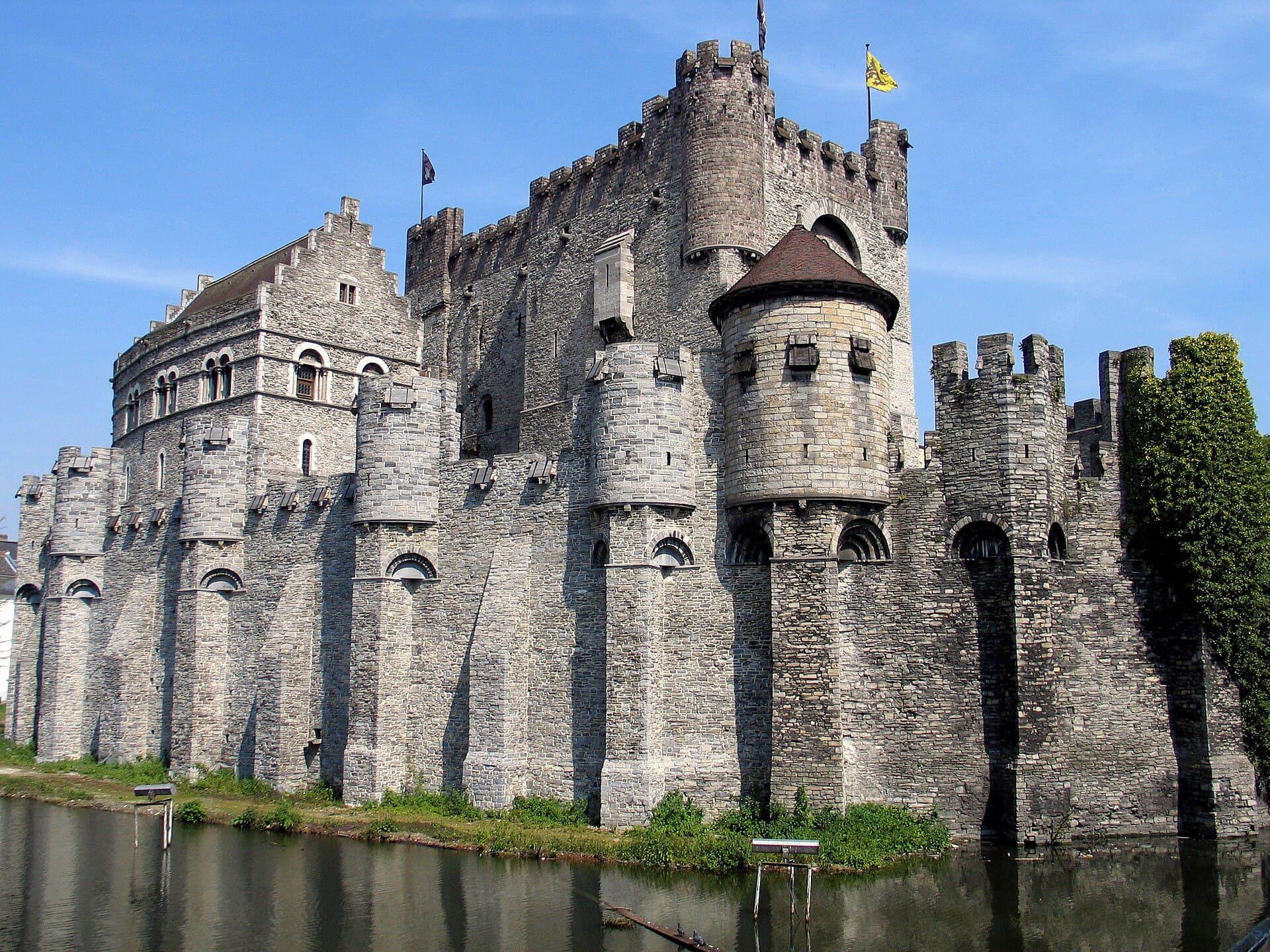 Gravensteen (Castle of the Counts)The Gravensteen — Castle of the Counts — is a real moated medieval castle in the3 minutes walk4.5
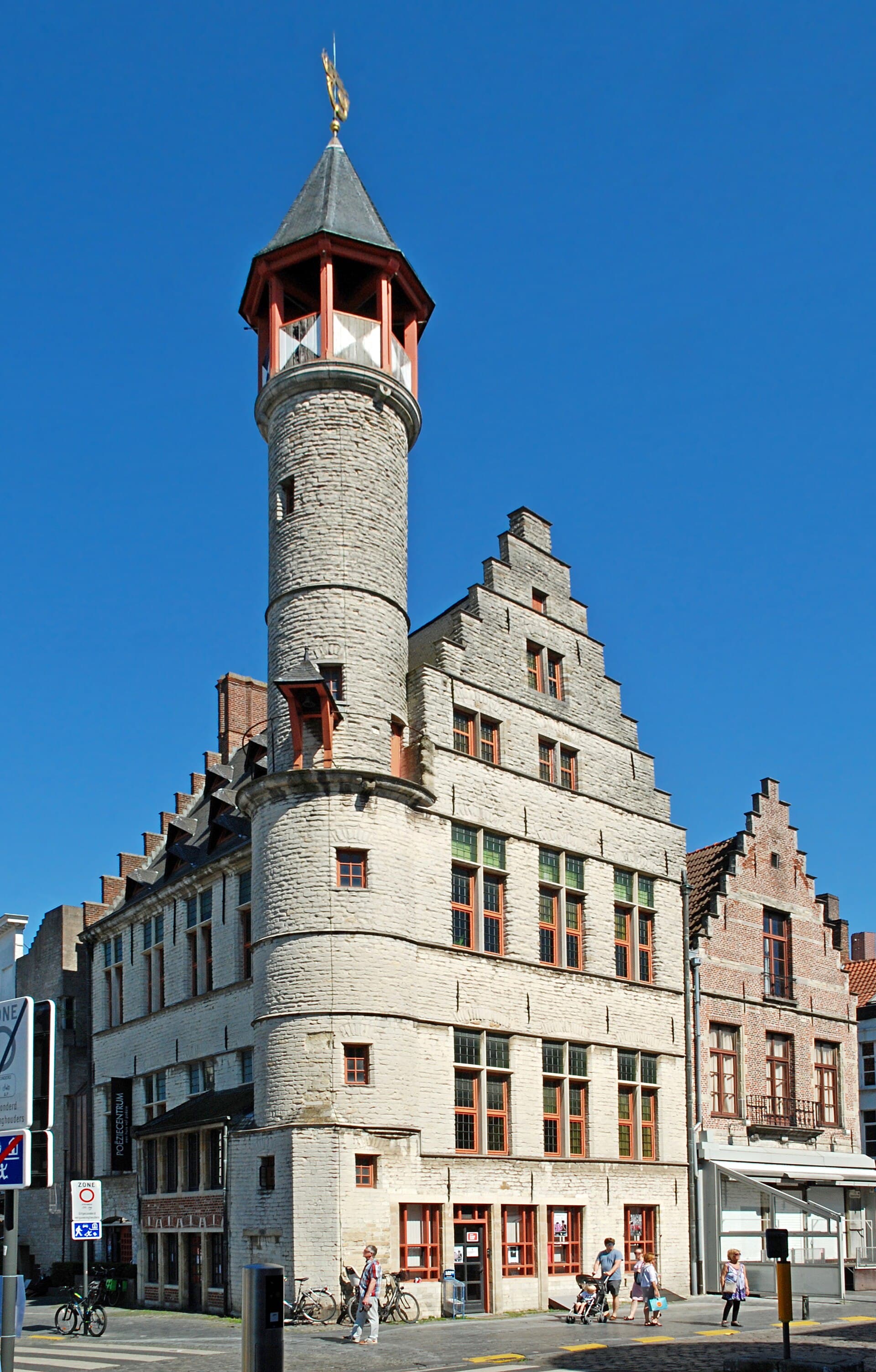 Het TorekenA fifteenth-century building with a small tower on the Vrijdagmarkt, formerly th3 minutes walk4.5
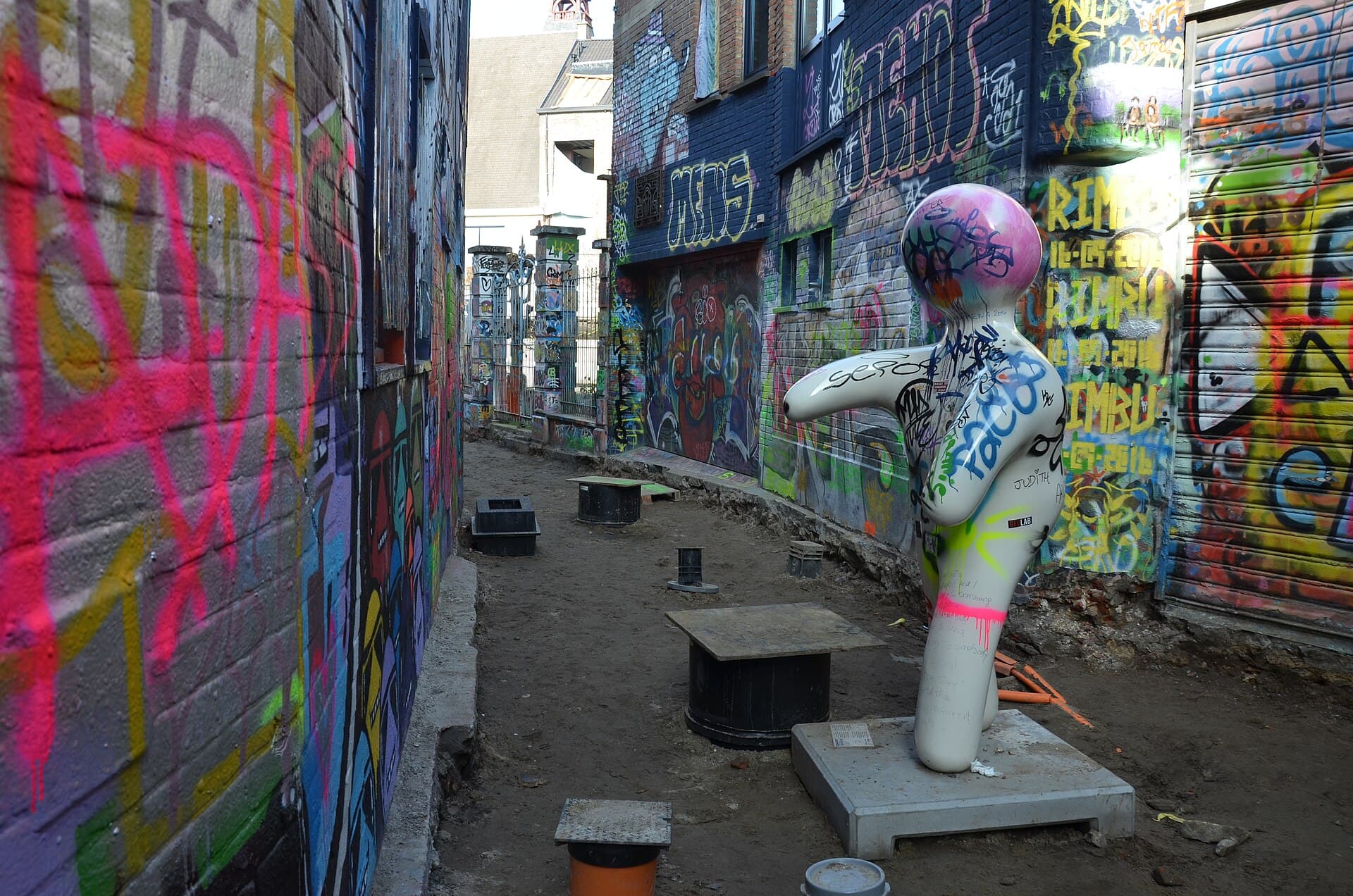 Graffiti Street (Werregarenstraat)Graffiti Street is a narrow, crooked alley in the heart of old Ghent turned into3 minutes walk4.3
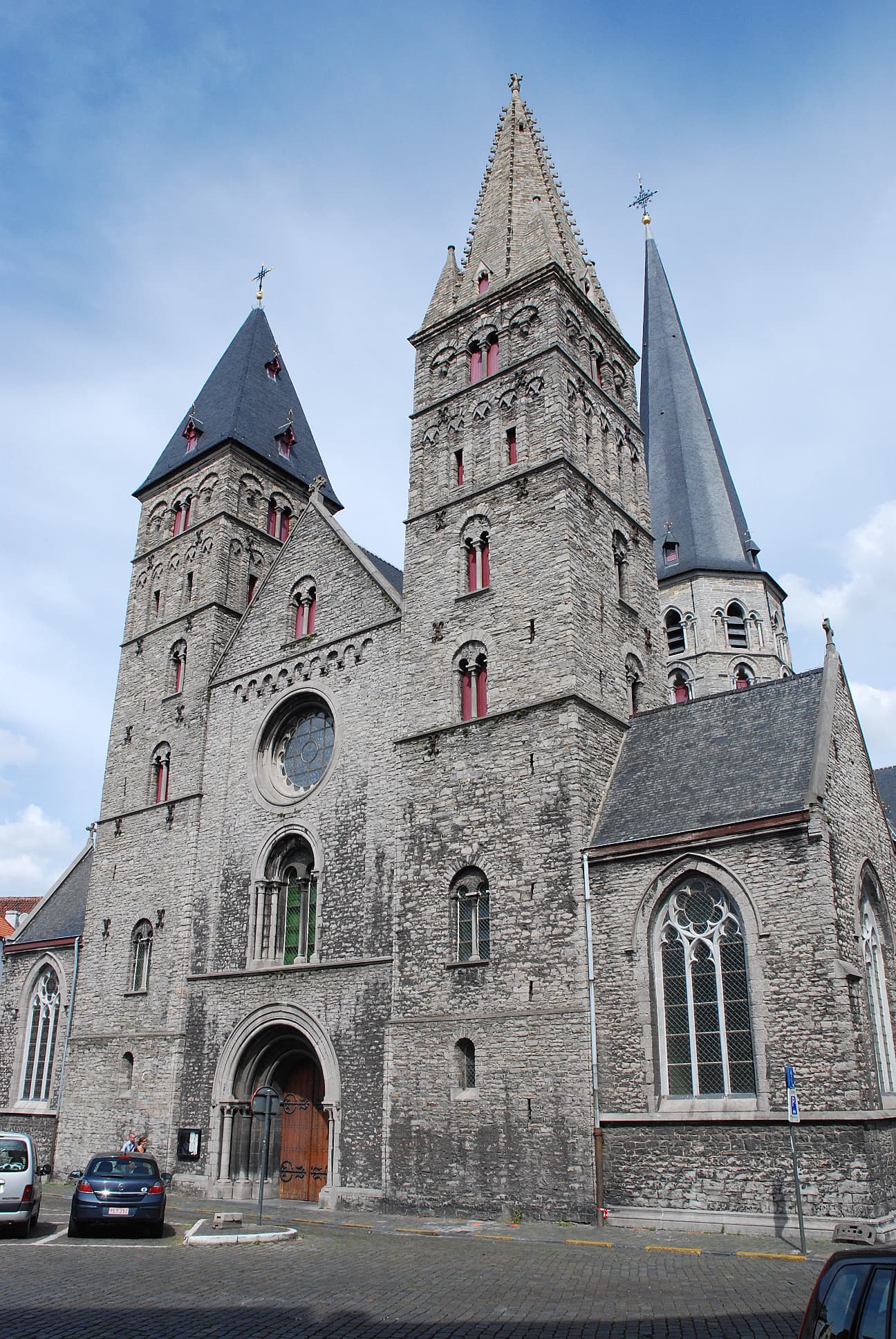 Sint-JacobskerkA church in central Ghent gathering eight centuries of building into one structu4 minutes walk4.3
Yes, well. The exhibits are tangible, familiar things — toys, tools, clothes — rather than long text, and the thematic arrangement is easy to follow. Many local families visit, and it is among the least formal museums in Ghent.
It sits in historic central Ghent within walking distance of the Gravensteen, Sint-Veerleplein and St Bavo's Cathedral. The whole area is walkable, and the museum is a quiet addition between the major sights.