
The watching tower
The market's opening and closing were announced from it, and it has a harsh penal history.
EmDee — CC BY-SA 4.0 · EmDee — CC BY-SA 4.0 · AnonymousUnknown author — Public domain · Ben Bender — CC BY-SA 3.0
A fifteenth-century building with a small tower on the Vrijdagmarkt, formerly the guild house of Ghent's tanners. The tower gave the building its name, which means little tower in Dutch. The tower had an unusual practical function: from it the market was watched and its opening and closing announced, and for a period it carried a cage in which women convicted of gossip were displayed as punishment, a detail that says a good deal about justice in that era. The square in front is the Vrijdagmarkt, for centuries the political assembly ground of Ghent: privileges were proclaimed here and revolts against rulers broke out here, and at its centre stands the statue of Jacob van Artevelde, the city's fourteenth-century leader. The building today houses a poetry centre and is not a museum to visit in the usual sense. The visit is a short exterior stop within a walk of the square.
The market's opening and closing were announced from it, and it has a harsh penal history.
The Vrijdagmarkt saw privileges proclaimed and risings against rulers for centuries.
Ghent's fourteenth-century leader stands at the centre of the square.
Vrijdagmarkt, central Ghent
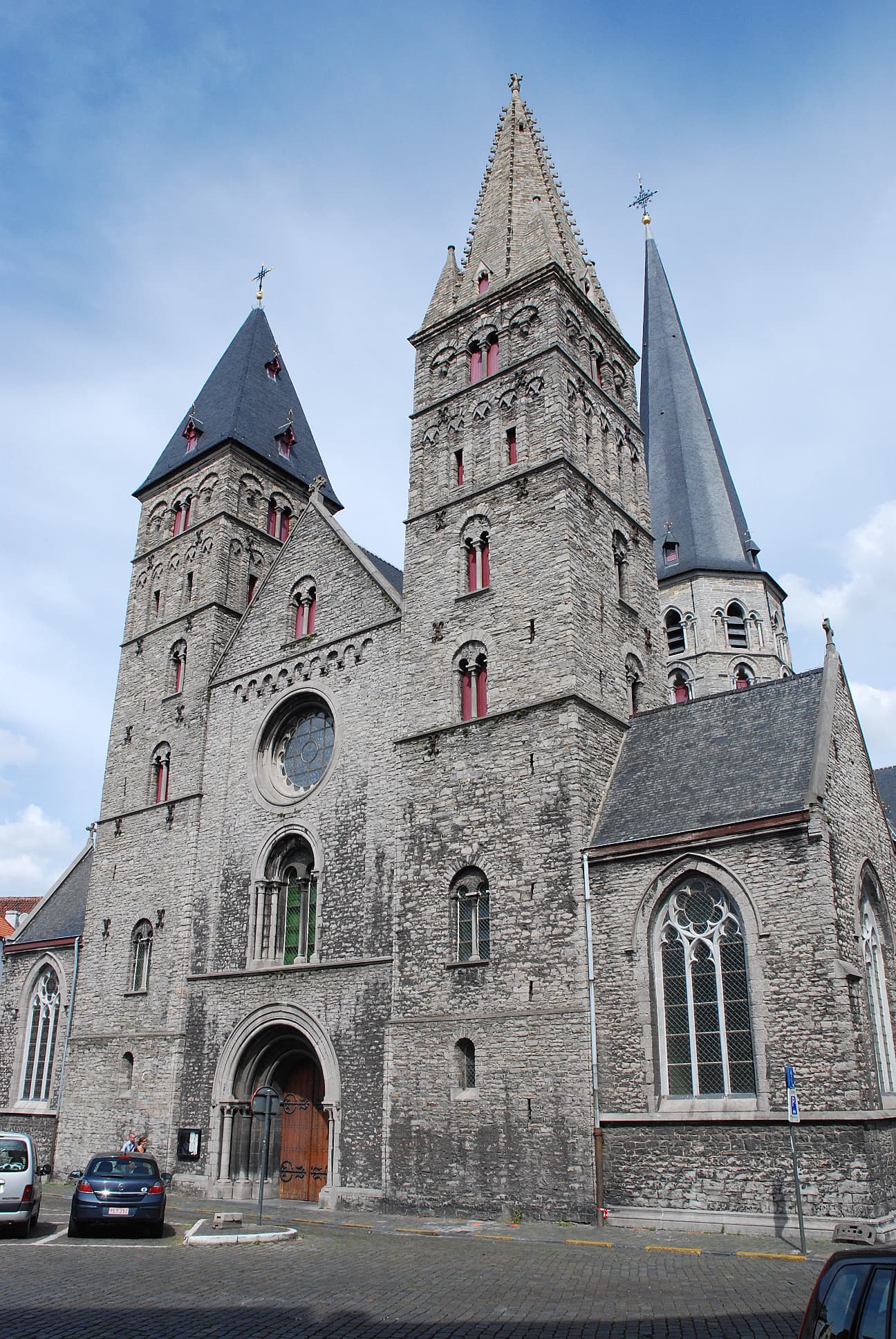 Sint-JacobskerkA church in central Ghent gathering eight centuries of building into one structu1 minute walk4.3
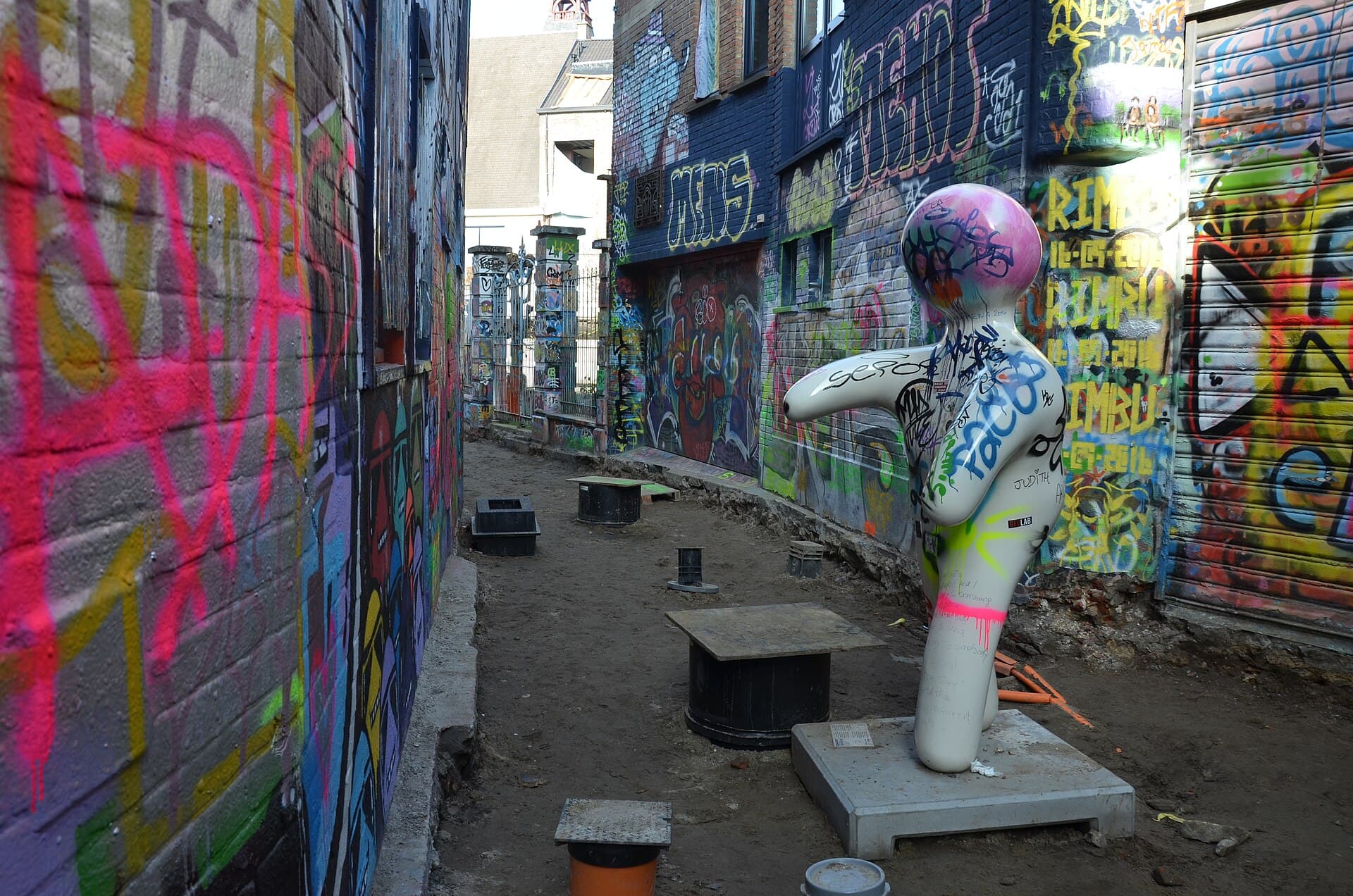 Graffiti Street (Werregarenstraat)Graffiti Street is a narrow, crooked alley in the heart of old Ghent turned into2 minutes walk4.3
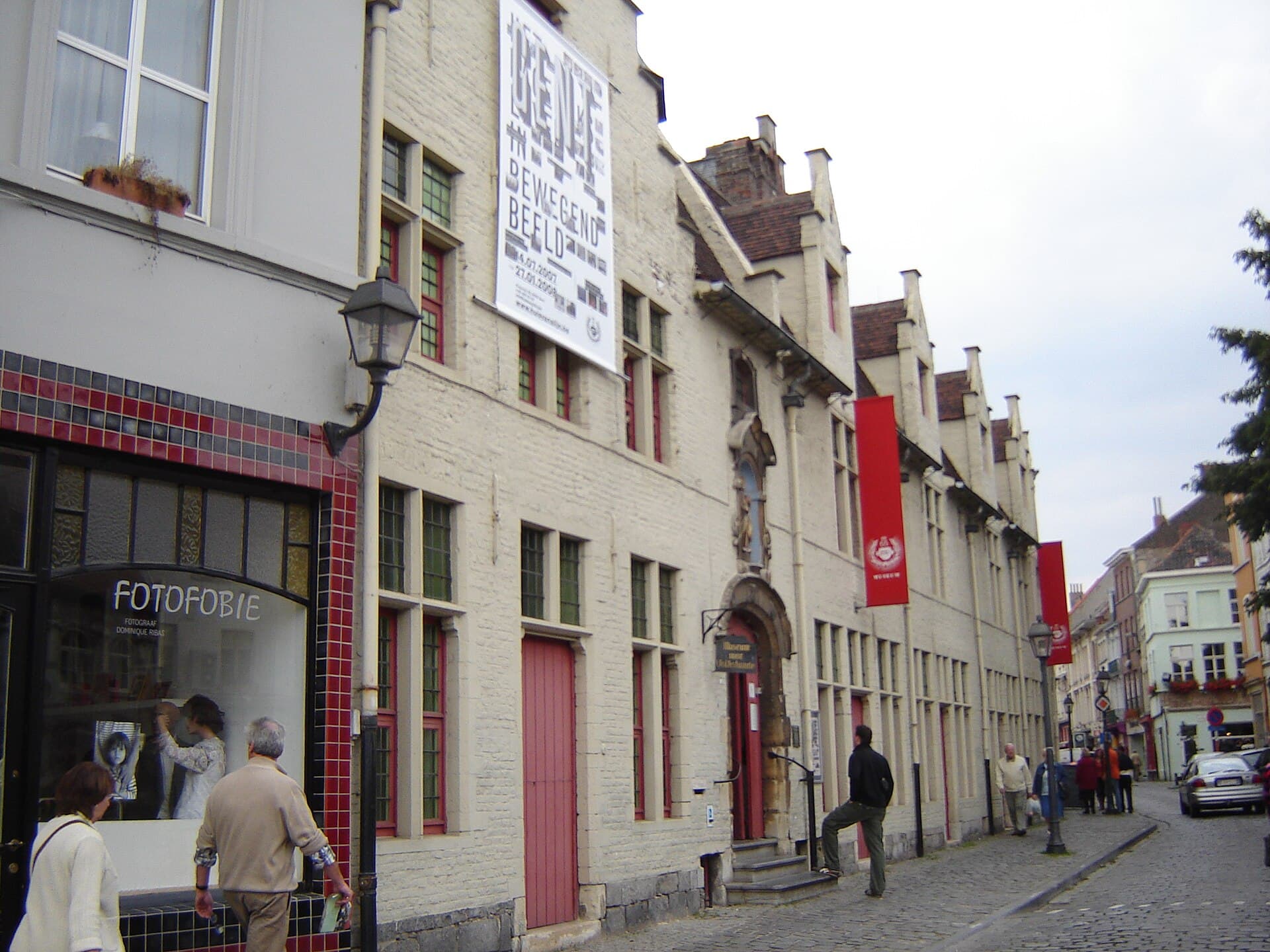 Huis van AlijnGhent's museum of everyday life, in a group of fourteenth-century almshouses bui3 minutes walk4.4
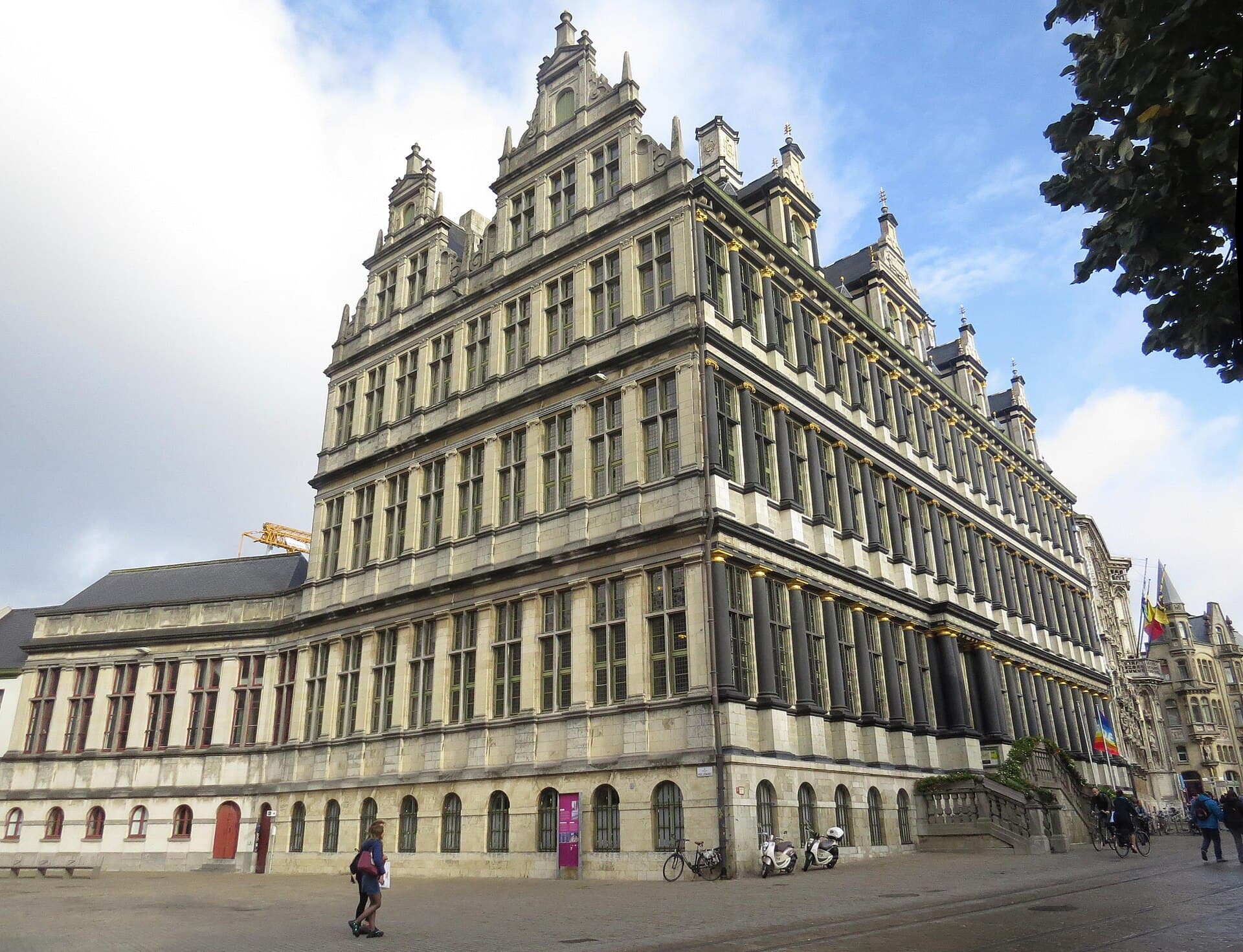 Ghent City HallGhent's City Hall is an architecture lesson on one façade: its northern half (on3 minutes walk3.8
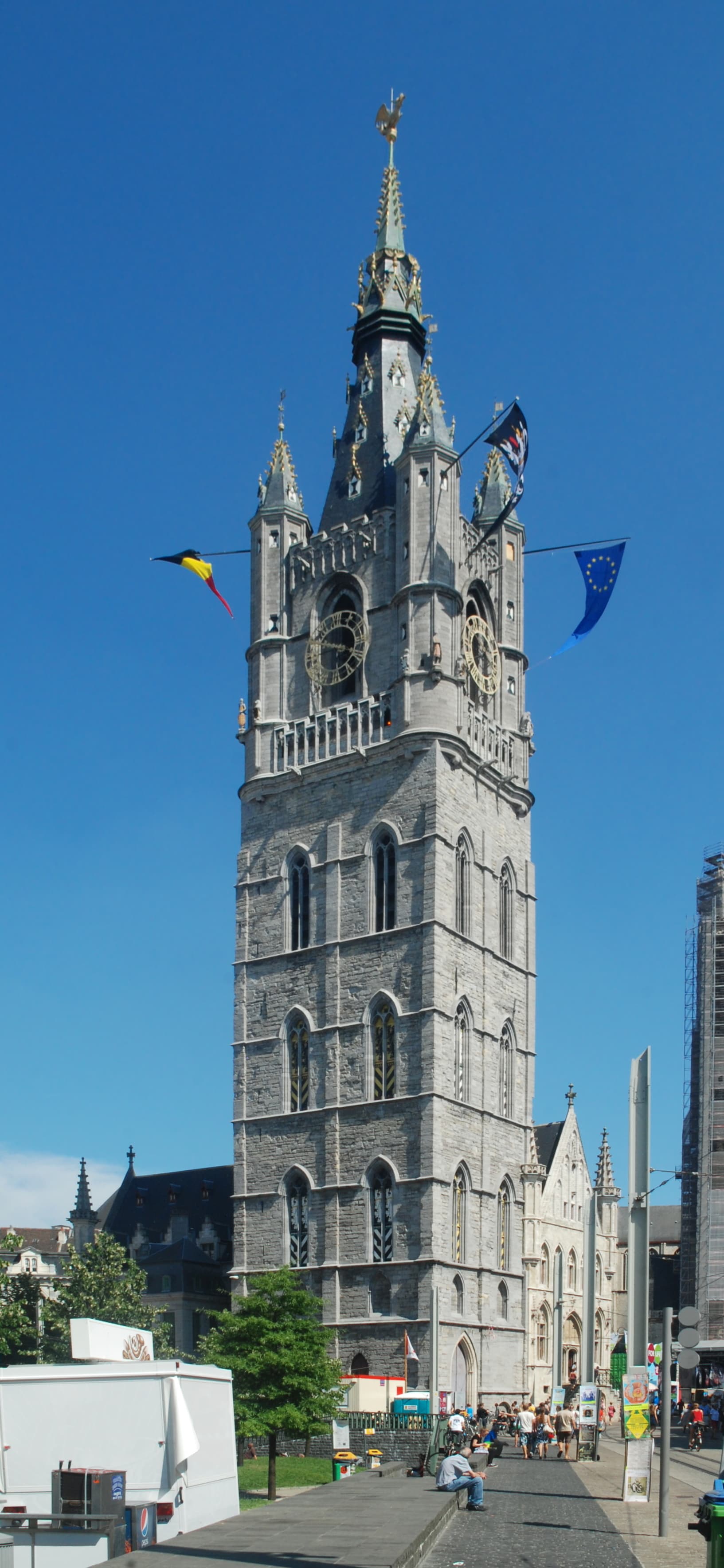 Belfry of GhentGhent's Belfry is the middle and most symbolic of the three towers: a fourteenth4 minutes walk4.5
Not as a museum. The building houses a poetry centre, and entry depends on its events and hours rather than regular visiting. What a visitor normally sees is the facade and the tower from the square, which is the actual point.
It was Ghent's political square for centuries: privileges were proclaimed here, guilds assembled here, and risings against the counts of Flanders and the kings of France began here. Ghent was among Europe's most powerful craft cities, and its political power was exercised in this square specifically.