
Eight centuries by eye
The accumulation can be traced from the Romanesque front to the Baroque interior.
Paul Hermans — CC BY-SA 3.0 · Donar Reiskoffer — CC BY 3.0 · Zairon — CC BY-SA 4.0 · Zairon — CC BY-SA 4.0
A church in central Ghent gathering eight centuries of building into one structure: two Romanesque towers of the twelfth century at the west front, a Gothic nave added later, and seventeenth-century Baroque detail inside. That accumulation is what distinguishes it. Ghent's better-known churches, St Bavo's and St Nicholas's, are more unified and far busier, while this one reads as a continuous construction record you can trace by eye from outside to in. The church is historically tied to the pilgrimage route to Santiago de Compostela, and served as a station for Flemish pilgrims heading south, which is where its name comes from. An antiques market runs around it at weekends, and the historic Vrijdagmarkt square is minutes away. Entry is free, hours follow the services, and it sees far fewer visitors than its two larger counterparts.
The accumulation can be traced from the Romanesque front to the Baroque interior.
It served Flemish pilgrims heading for Santiago de Compostela.
St Bavo's and St Nicholas's are busy; this one is close to empty.
Bij Sint-Jacobs, central Ghent
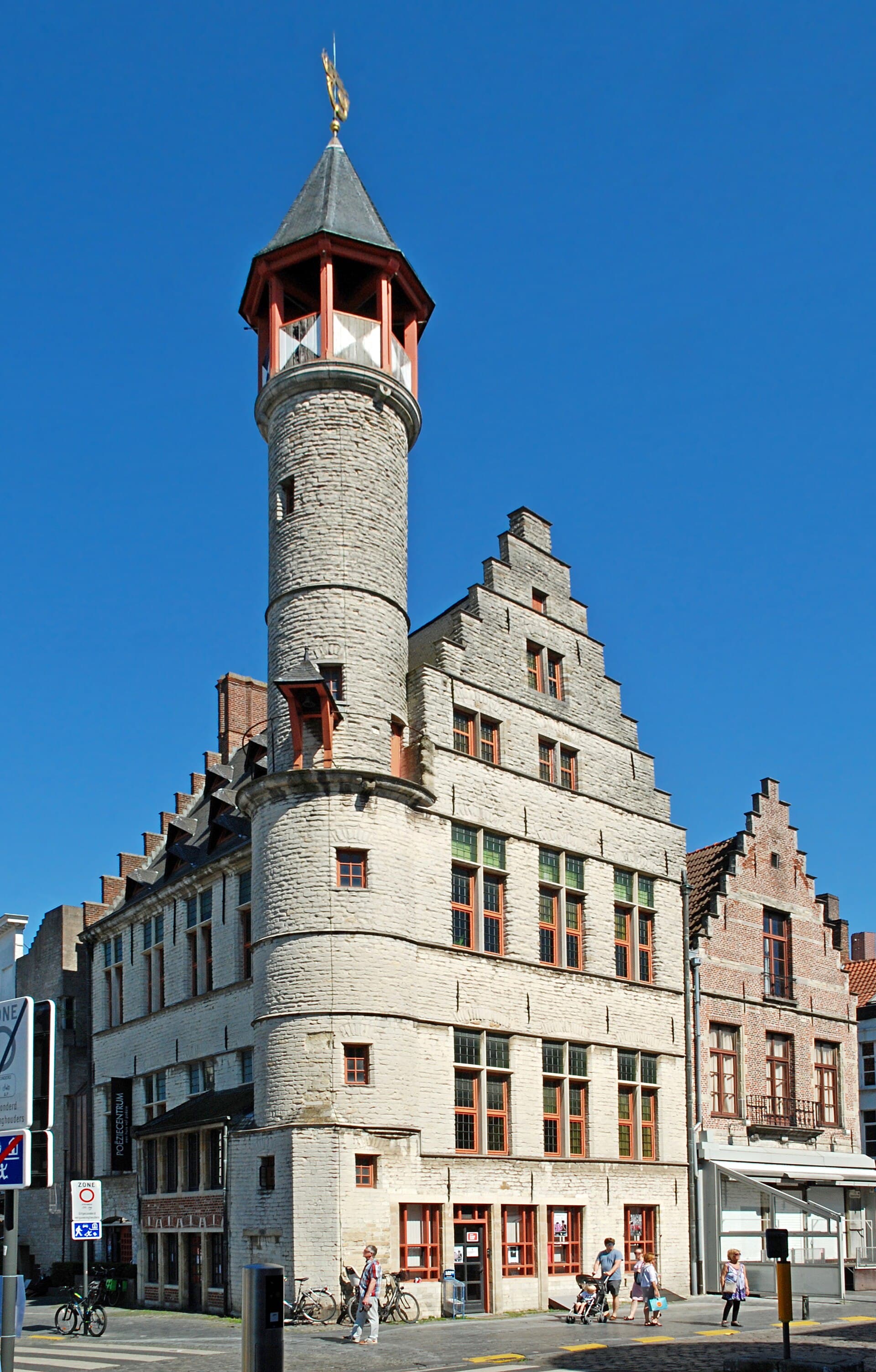 Het TorekenA fifteenth-century building with a small tower on the Vrijdagmarkt, formerly th1 minute walk4.5
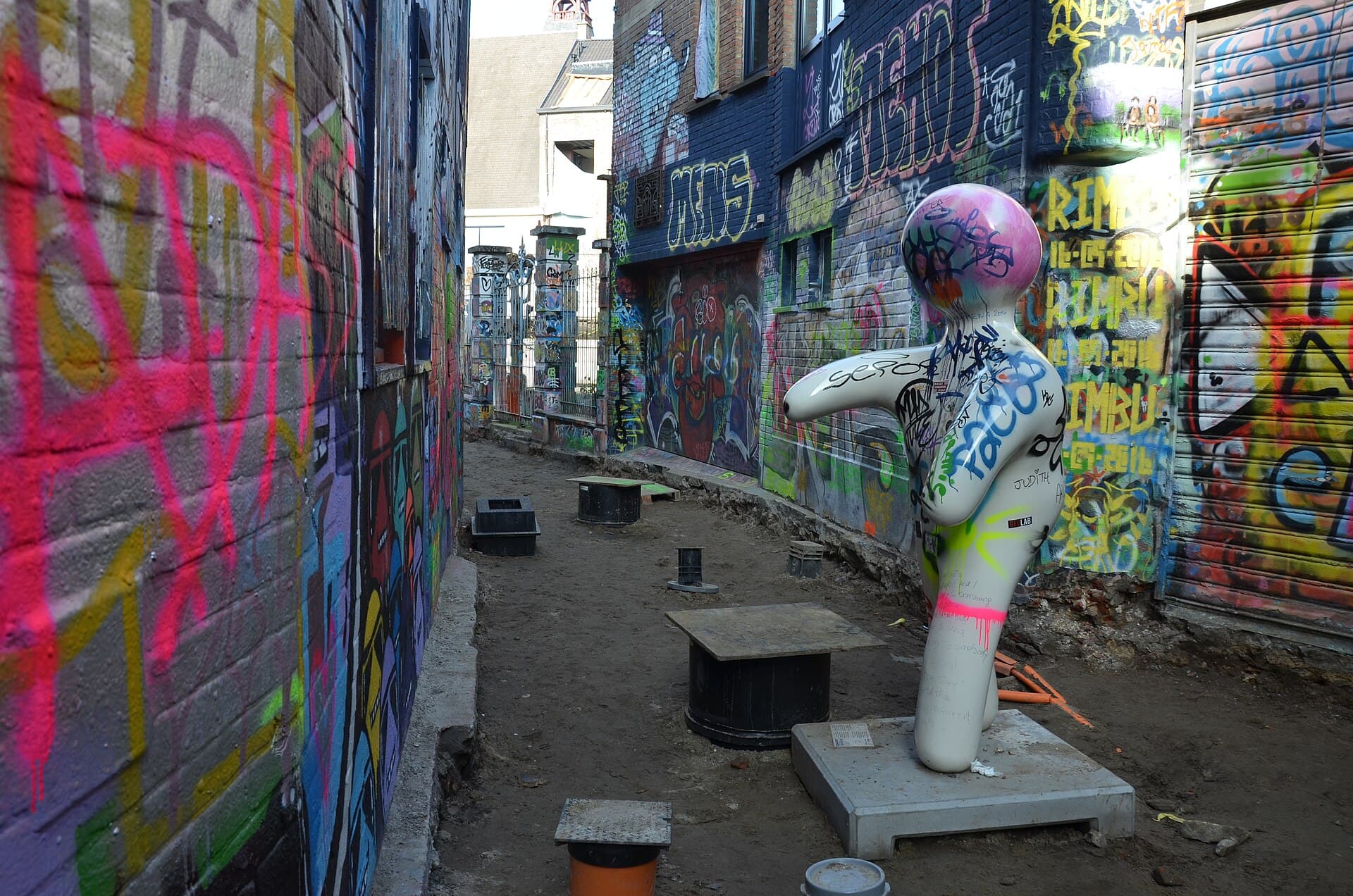 Graffiti Street (Werregarenstraat)Graffiti Street is a narrow, crooked alley in the heart of old Ghent turned into3 minutes walk4.3
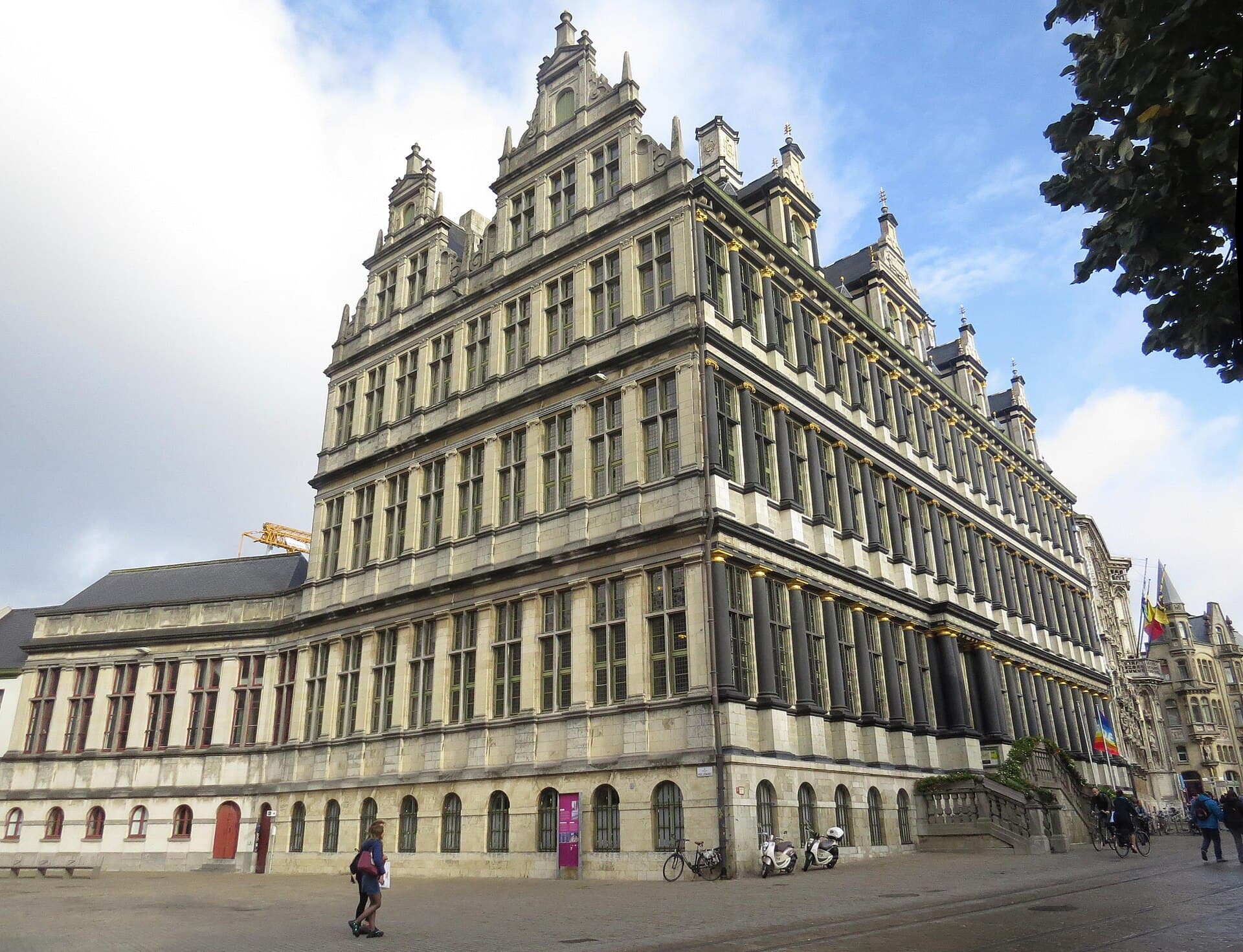 Ghent City HallGhent's City Hall is an architecture lesson on one façade: its northern half (on3 minutes walk3.8
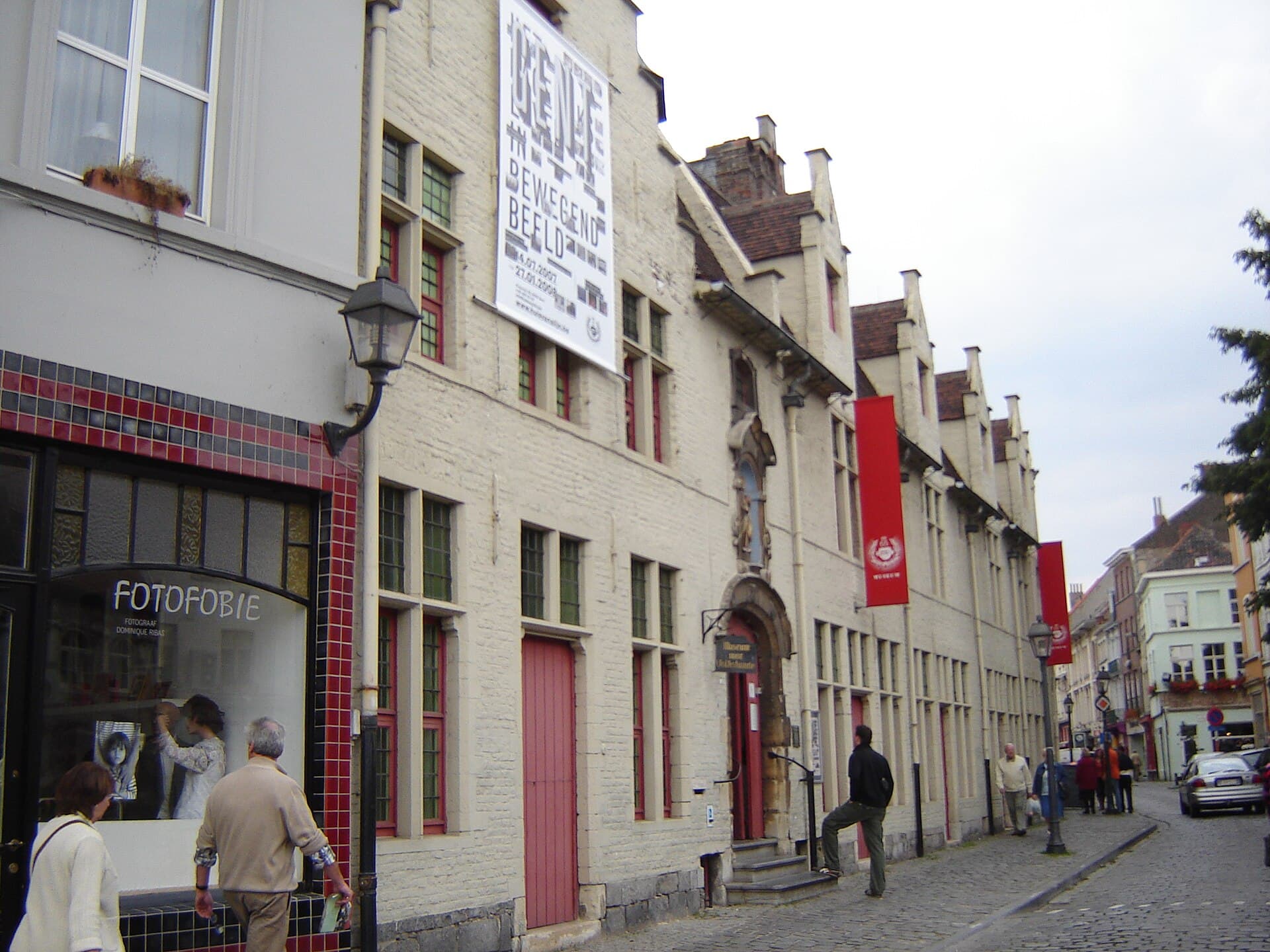 Huis van AlijnGhent's museum of everyday life, in a group of fourteenth-century almshouses bui4 minutes walk4.4
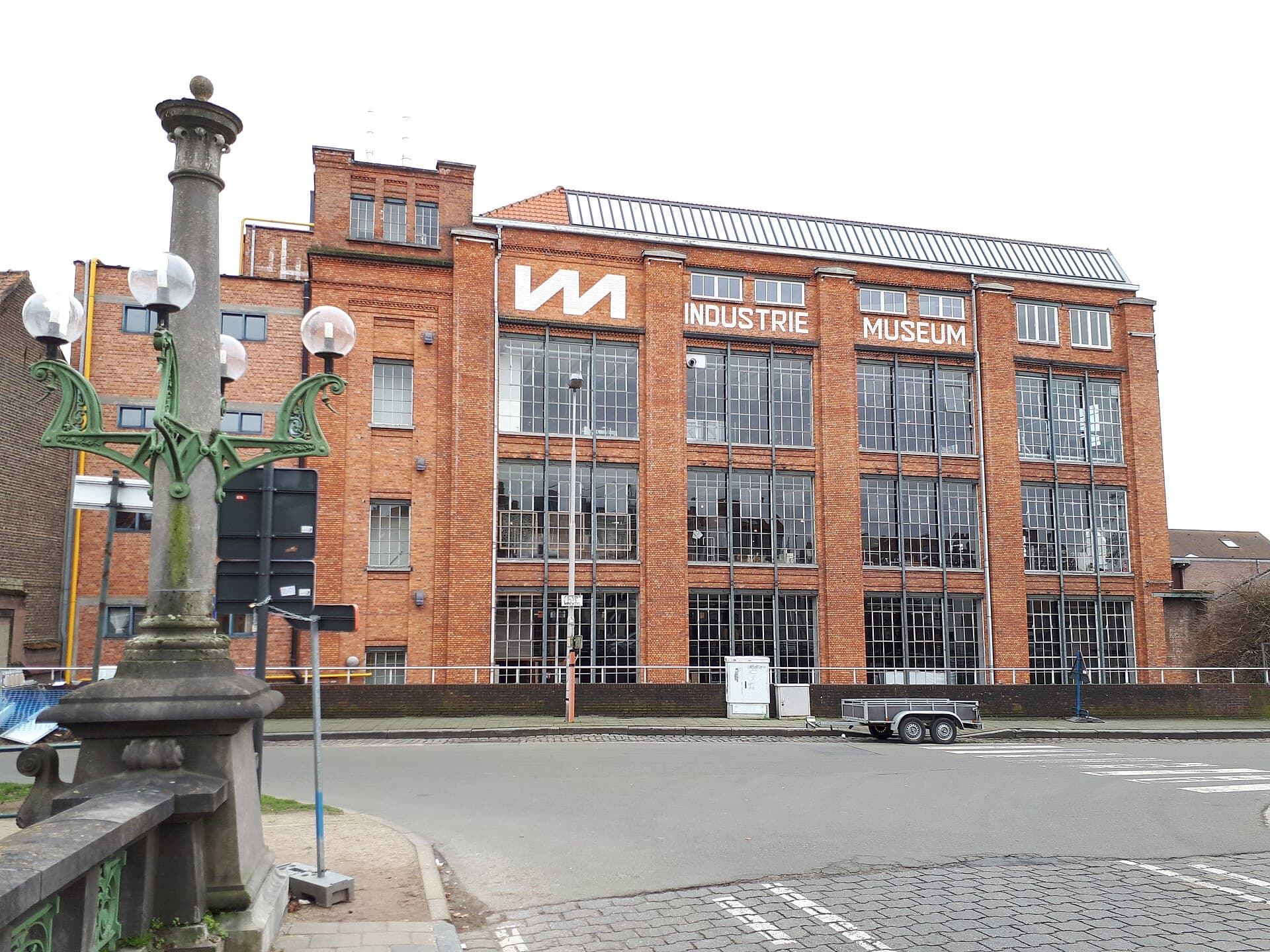 Museum of IndustryGhent's Museum of Industry tells the city's other face: Ghent was not only a med4 minutes walk4.5
St Bavo's is Ghent's major destination and holds the van Eyck brothers' Ghent Altarpiece; it is ticketed and busy. Sint-Jacobskerk is free and quiet, and its value is architectural accumulation rather than one masterpiece. See St Bavo's first, and this if time remains.
A market held in the streets around the church at weekends, selling antiques and second-hand goods. It is among Ghent's oldest markets and part of the district's life, worth walking through even with no intention to buy.