Ancestral halls
Along two streets.
西安兵马俑 — CC BY-SA 4.0 · EditQ — CC BY-SA 4.0 · EditQ — CC BY-SA 4.0 · 西安兵马俑 — CC BY-SA 4.0 · 西安兵马俑 — CC BY-SA 4.0 · 西安兵马俑 — CC BY-SA 4.0 · 西安兵马俑 — CC BY-SA 4.0 · 記小三 — CC BY-SA 4.0
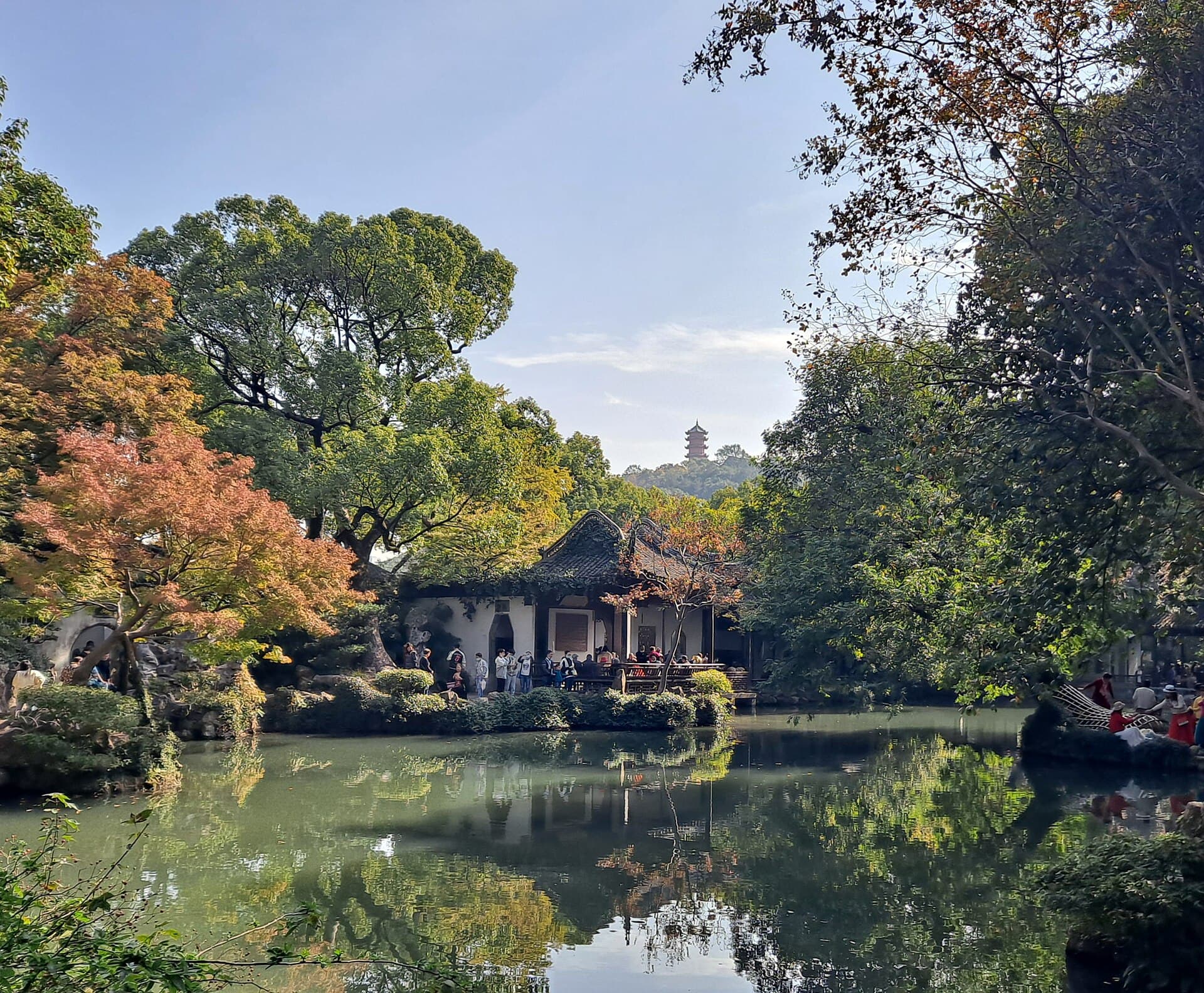
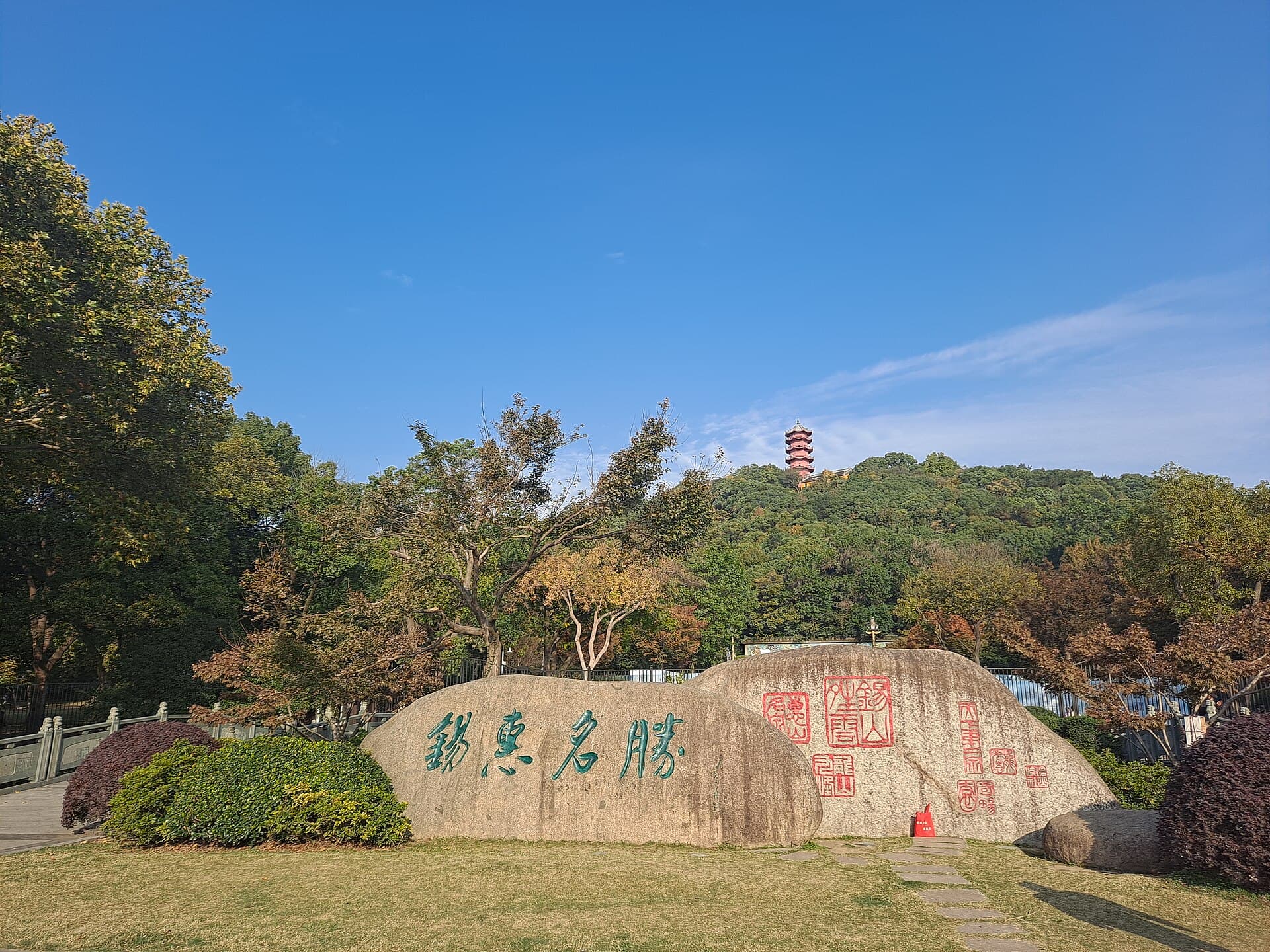
Not an ordinary town but a unique cluster of old ancestral halls at the foot of Mount Hui west of central Wuxi; it began with a temple founded under the Tang, and the halls built by families to honour their forebears, scholars and statesmen multiplied until there were 118 of them before 1949. The halls line two streets, one an old road that people walked to Huishan Temple, said to have been repaved with costly stone when the Qianlong Emperor visited, with a small branch of the Grand Canal running beside it; the styles of the lower Yangtze blend here with Huizhou architecture and a few buildings with Western touches. The town is also known for Huishan clay figures, small cheerful painted clay dolls made here for centuries, with a museum devoted to them and shops for crafts, tea and snacks. Walking the streets is free, while the heritage area together with Jichang Garden and the Second Spring under Heaven is covered by a joint ticket of about CNY 70, per visitor guides. The evening, when lanterns light up the canal, is the loveliest time.
Along two streets.
Painted and cheerful.
And its lanterns.
Northeast foot of Mount Hui, Liangxi District, Wuxi
Walking the streets is free, while the heritage area with Jichang Garden and the Second Spring under Heaven is covered by a joint ticket of about CNY 70, per visitor guides.