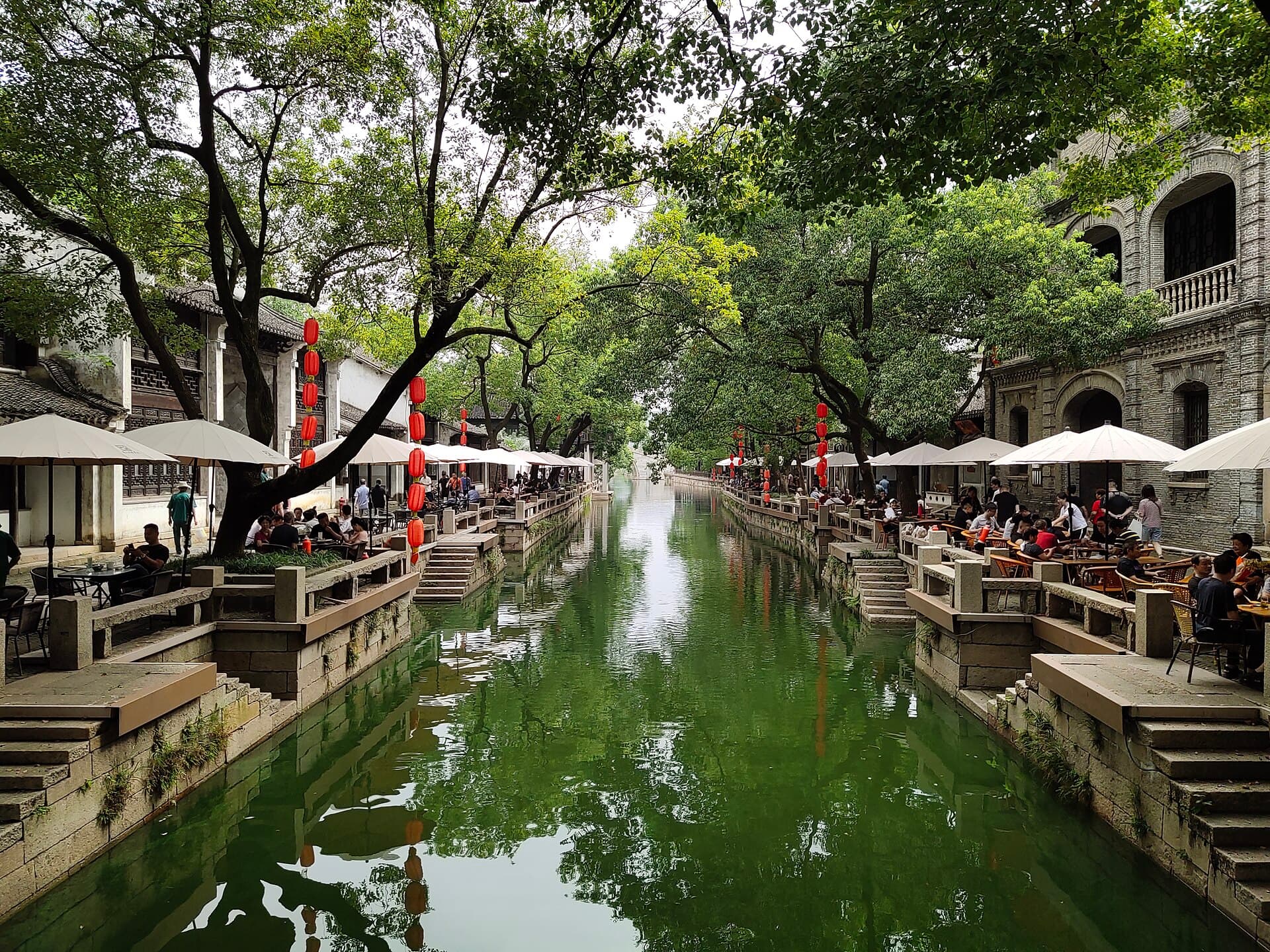
Long pond
And its reflections.
EditQ — CC BY-SA 4.0 · EditQ — CC BY-SA 4.0 · EditQ — CC BY-SA 4.0 · Huang — CC BY-SA 4.0 · EditQ — CC BY-SA 4.0 · Cangminzho — CC BY-SA 4.0 · EditQ — CC BY-SA 4.0 · Huang — CC BY-SA 4.0
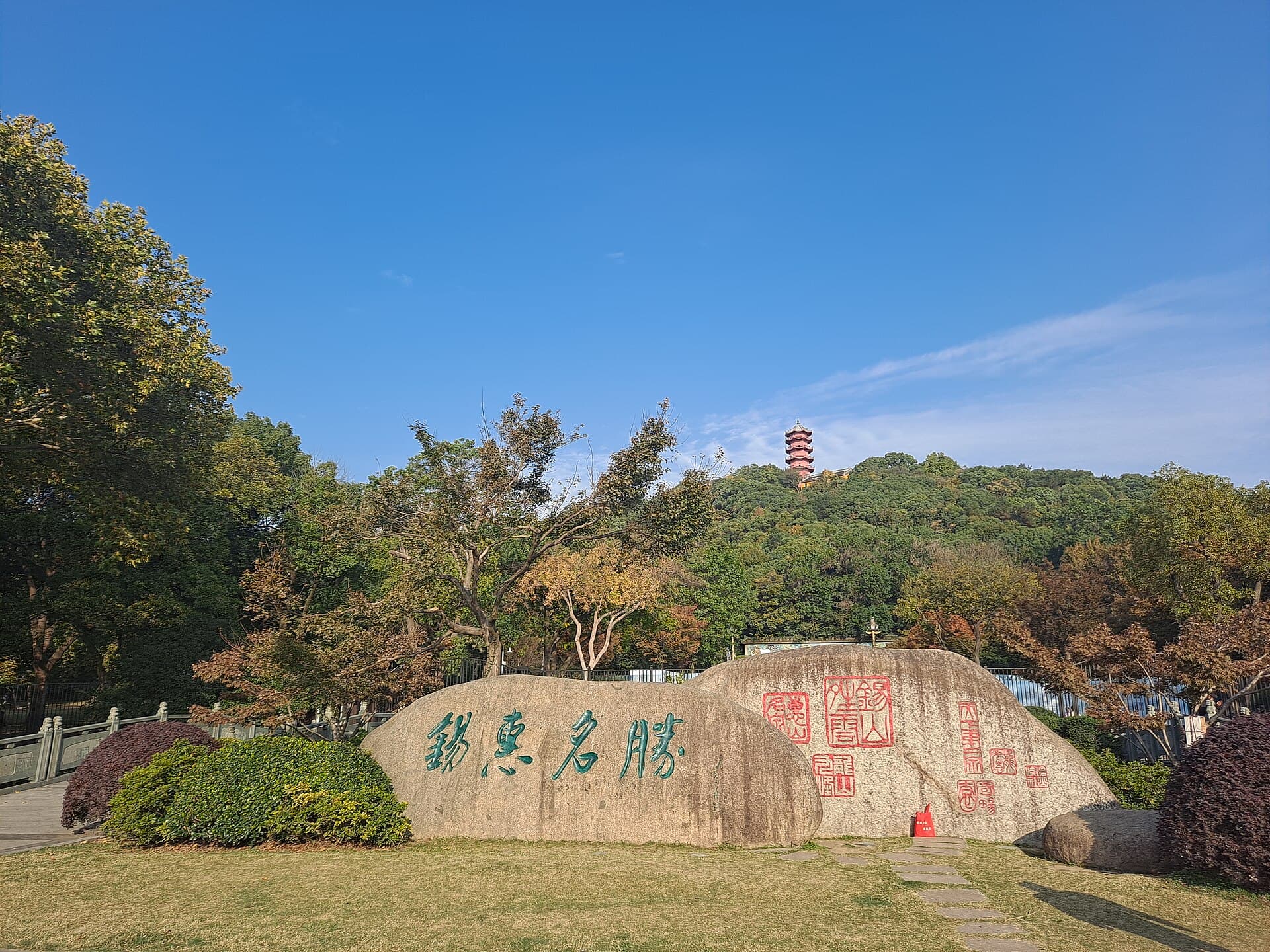
One of the loveliest classical gardens of southern China, laid out in the Zhengde reign of the Ming, between 1506 and 1521, by the minister Qin Jin on the grounds of an old monastery at the foot of Mount Hui; it stayed in the Qin family for centuries and has been a protected national monument since 1988. Its paths wind around a long pond that mirrors trees and pavilions, and the peak of Mount Hui and the pagoda on Xi Hill seem to belong to the garden, a celebrated trick of Chinese garden design known as «borrowed scenery». The Kangxi and Qianlong emperors admired it on their journeys south, and Qianlong had a garden built on its model in the Summer Palace in Beijing; a few steps away lies the Second Spring under Heaven, rated by old tea connoisseurs as the second-best water for tea in China, which inspired the blind musician Abing's most famous piece for the erhu. The garden is entered with the heritage area's joint ticket of about CNY 70, or 65 bought online a day ahead, which also covers Huishan Temple, the spring and Xihui Park, per visitor guides.
And its reflections.
Hill and pagoda.
Famous tea water.
Inside Xihui Park, at the foot of Mount Hui, Wuxi
A joint ticket of about CNY 70 covers Jichang Garden, Huishan Temple, the Second Spring under Heaven and Xihui Park, per visitor guides.