
Mockery turned belonging
A name given in derision became a sign of recognition between Hamburgers.
A memorial to a water carrier who lived in Hamburg in the nineteenth century, whose name became a greeting the city's people still exchange. The story: Johann Wilhelm Bentz carried water in pails to houses before the mains arrived. He lived in a building previously occupied by a man called Hummel, so the neighbourhood children took to calling him that in mockery. He answered them with an obscenity — Mors, Mors — and the whole exchange turned into a call and response. What survives is strange: Hummel, Hummel and Mors, Mors became a genuine Hamburg greeting, used at football matches, at celebrations, and between strangers recognising each other as Hamburgers. A poor man mocked in the street became a badge of belonging. This is a pattern repeated with the lemon seller in the same city: turning Hamburg's known poor into folklore once they were gone. The memorial stands in the open and is free to see, and painted Hummel figures stand across the city.
A name given in derision became a sign of recognition between Hamburgers.
Water was carried to houses in pails — a trade that vanished entirely.
The two represent Hamburg's working class as the city remembers it.
The Neustadt, central Hamburg
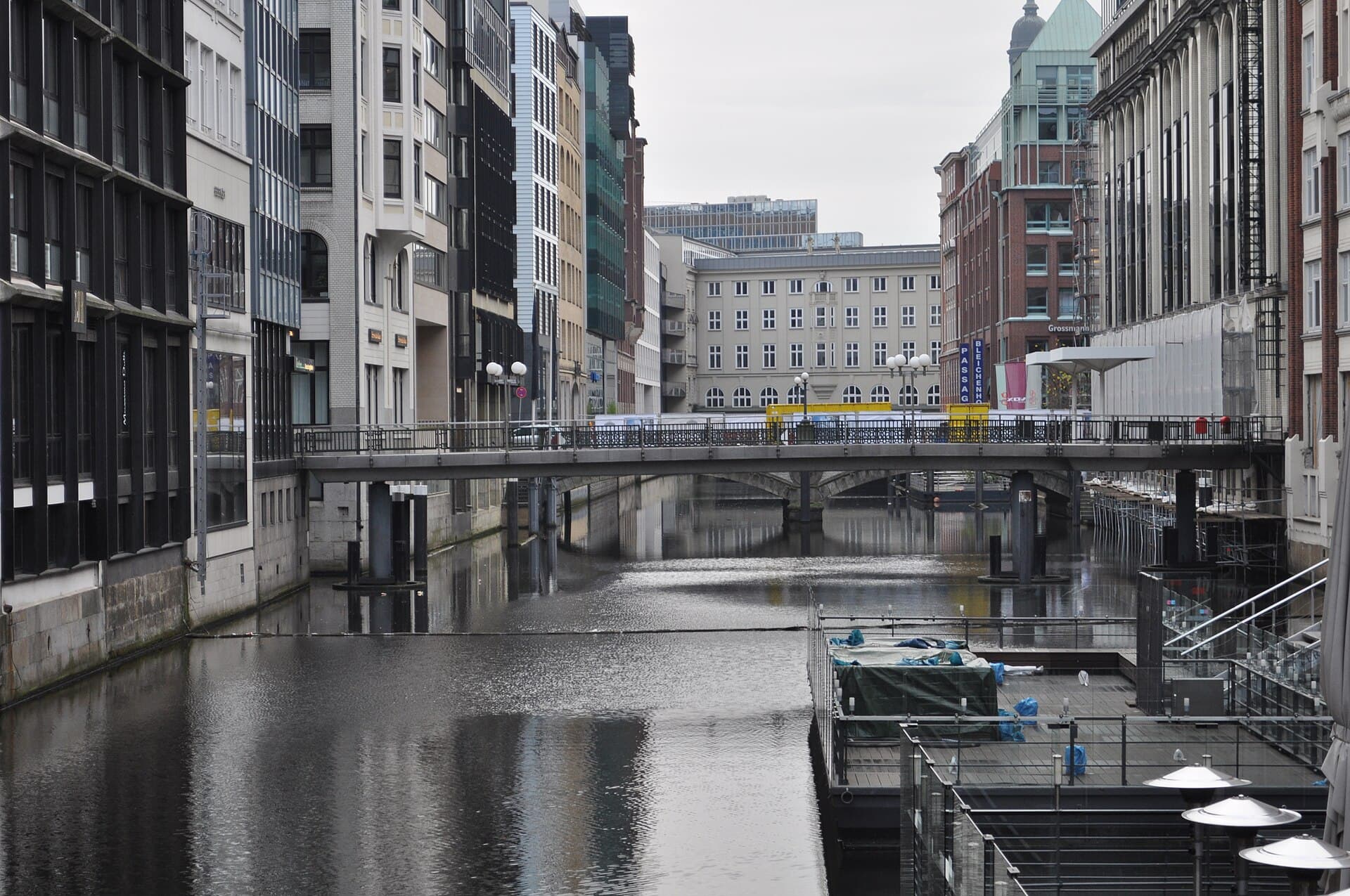 BleichenfleetThe Bleichenfleet is one of the Fleete — the old canals cutting through central 5 minutes walk4.6
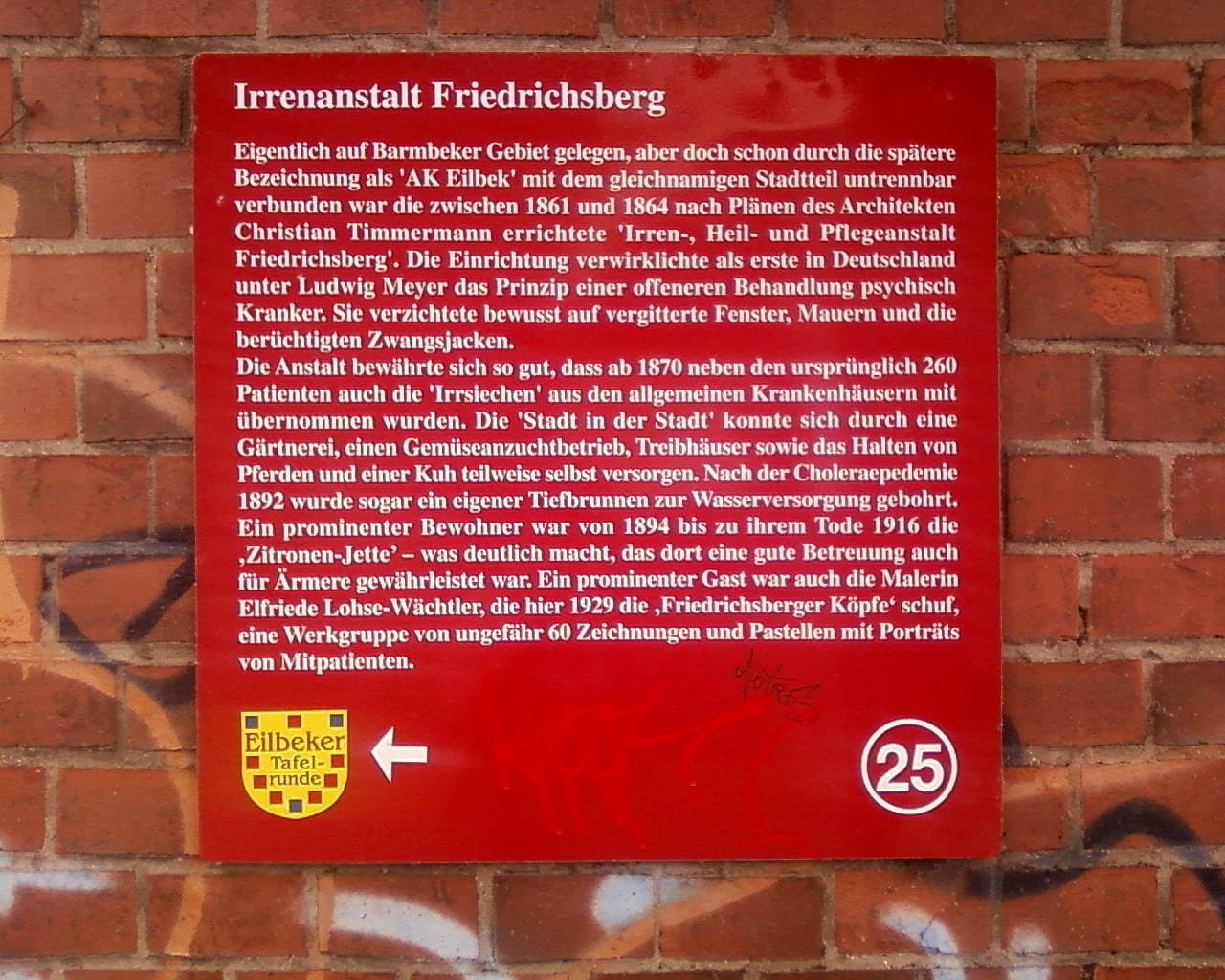 The Zitronenjette StatueA small bronze figure of a woman carrying a basket of lemons, in central Hamburg5 minutes walk4.7
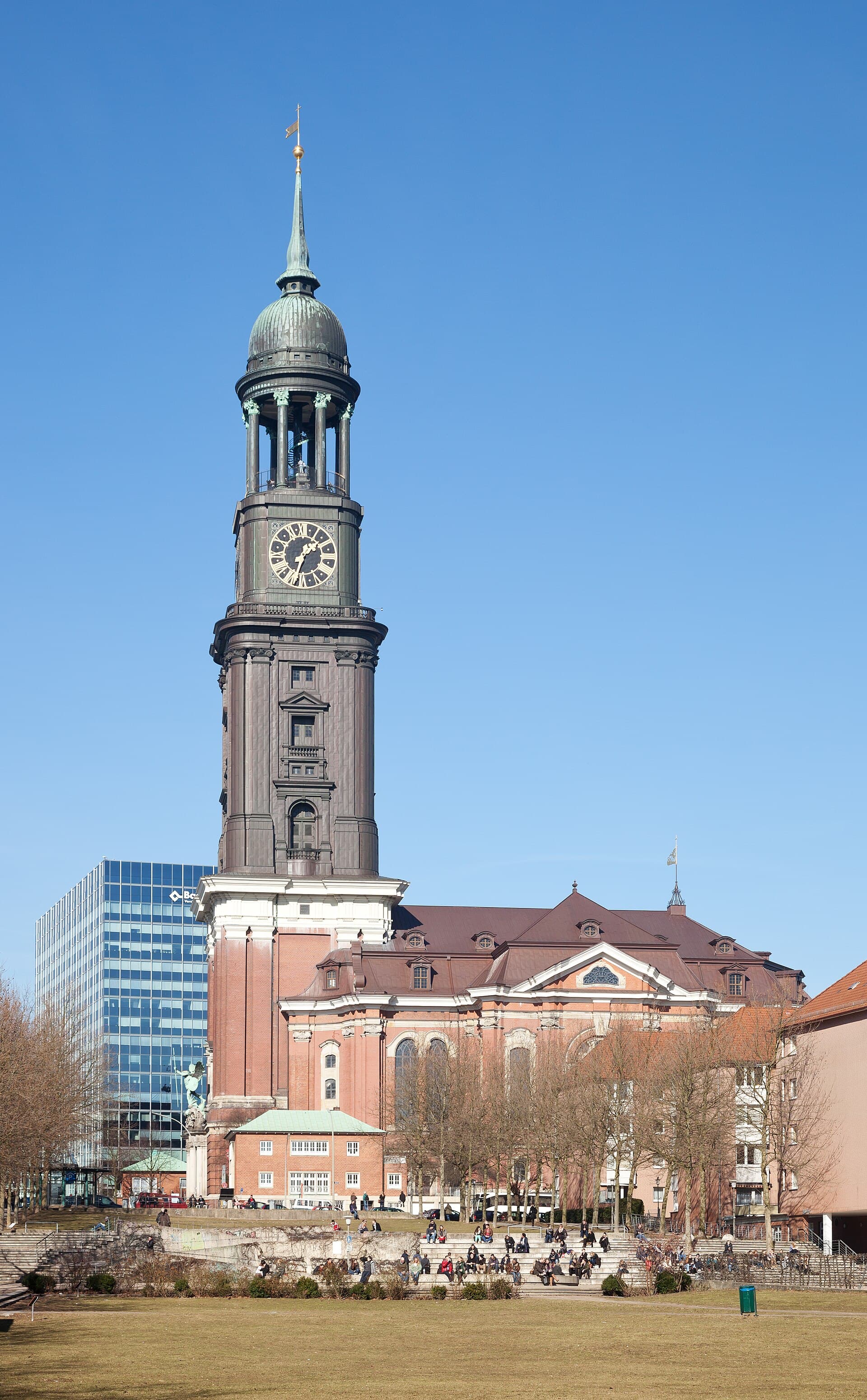 St. Michael's Church (Michel)The "Michel", as Hamburgers fondly shorten it, is the city's undisputed emblem: 6 minutes walk4.6
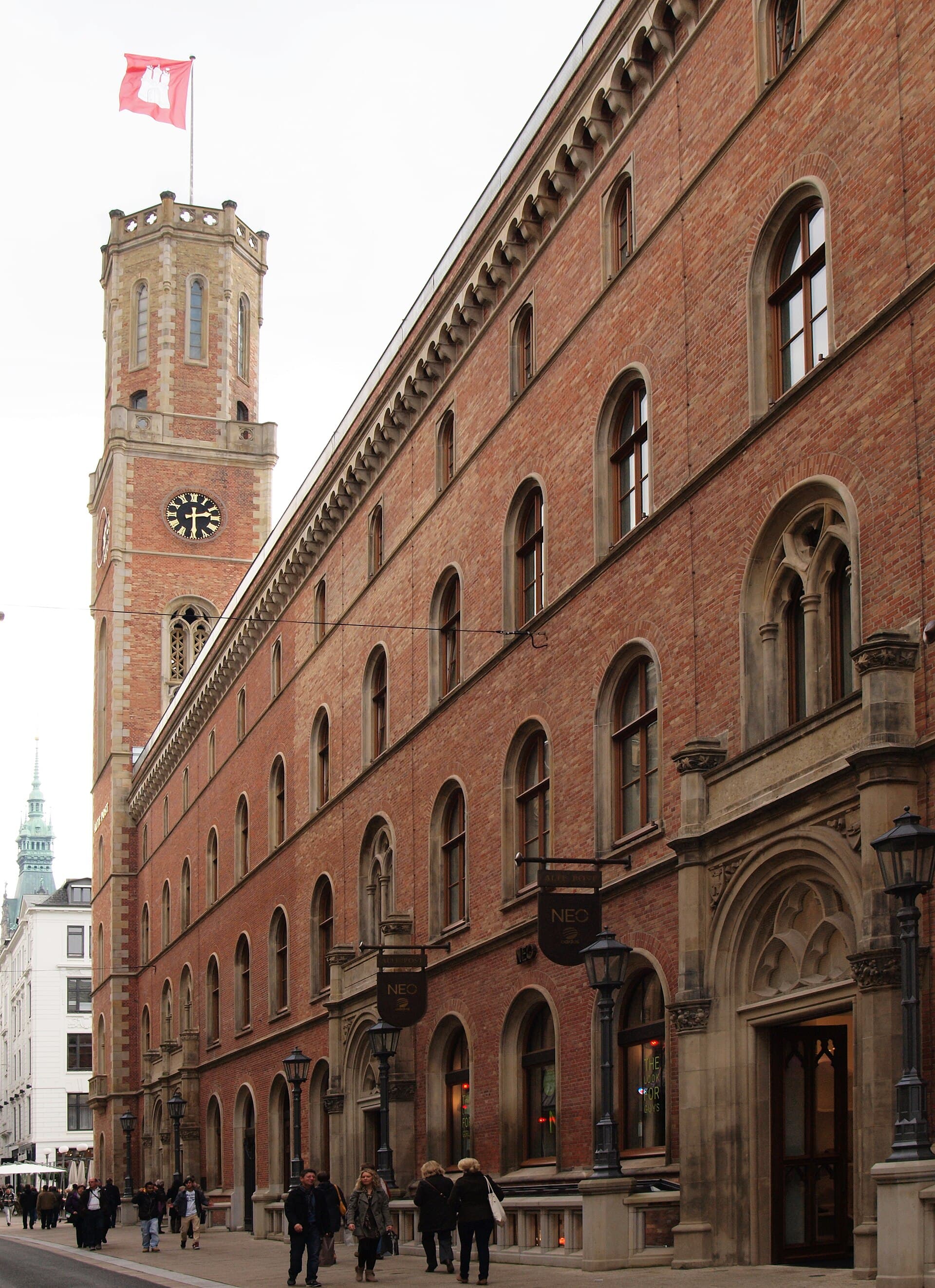 The Alte PostA building of 1847 in central Hamburg, built as the main post office, and among 7 minutes walk4.8
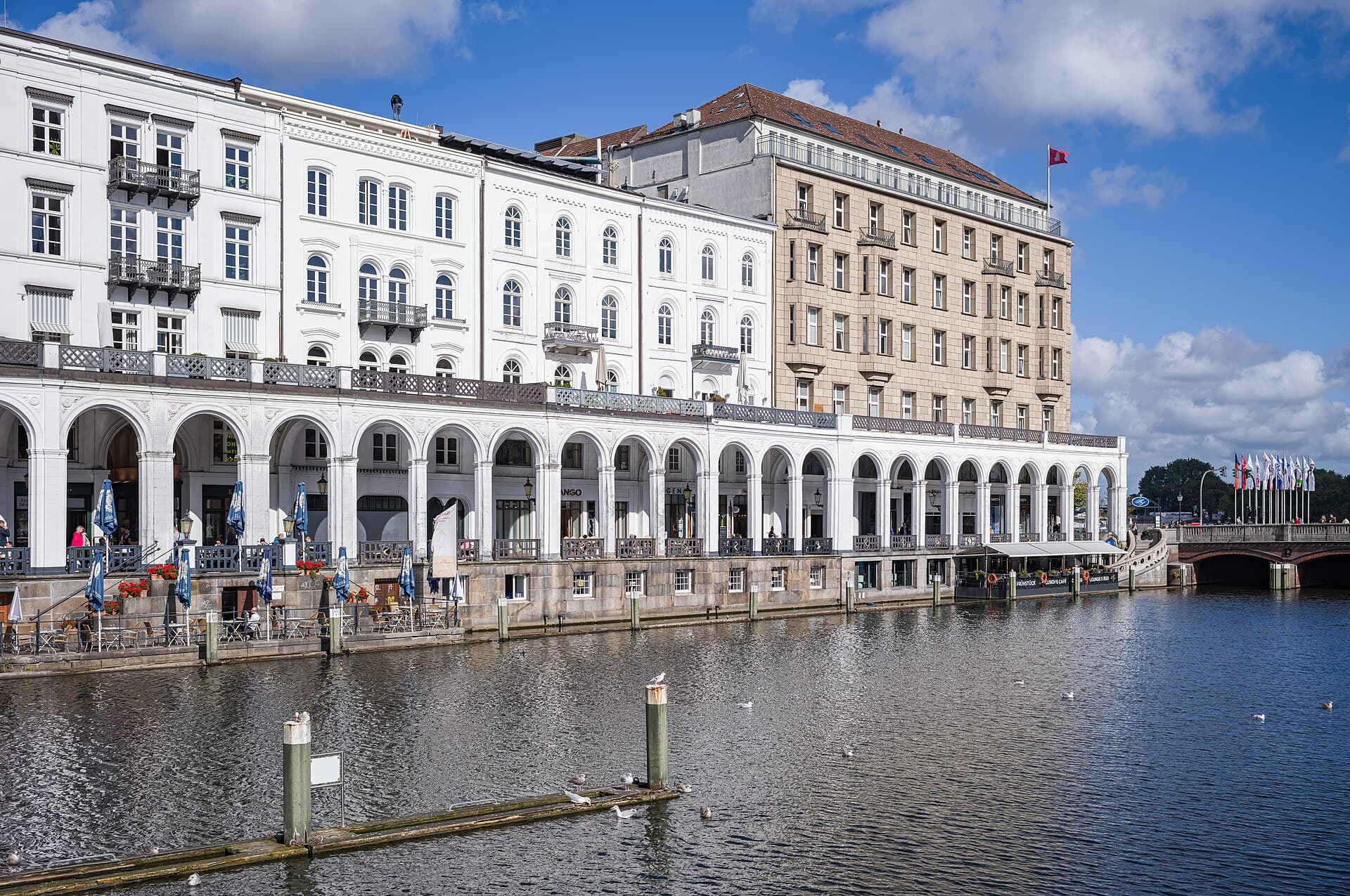 The Alster ArcadesThe Alster Arcades are a white arcaded walk running along the bank of a canal in9 minutes walk4.6
One person calls Hummel, Hummel and the other answers Mors, Mors. It is heard at football matches, at celebrations, and sometimes between Hamburgers meeting outside the city. The reply was originally an obscenity in Low German, but nobody uses it with that meaning any more — it has become simply a formula.
An art project from 2004 in which hundreds of identical Hummel figures were given to artists to paint, then placed across the city with some sold for charity. Many still stand outside shops and offices. They are modern and unrelated to the historic memorial, but they made the figure visible everywhere.