
A story harder than the statue
She lived poor and died in an asylum in 1916, becoming folklore afterwards.
A small bronze figure of a woman carrying a basket of lemons, in central Hamburg near St Michael's church. It represents Henriette Johanne Marie Müller, a real woman who lived in the nineteenth century and sold lemons in Hamburg's streets and taverns. She was very short — about a hundred and thirty centimetres — and her cry advertising her wares made her a figure known to everyone who lived in the city. Her story is not as charming as the statue suggests: she lived poor, became dependent on drink, and ended in an asylum where she died in 1916. She became a beloved folk figure after her death, and a play about her had much to do with that. This is a pattern that recurs in European cities: turning a city's known poor into folklore once they are gone, while their lives were hard. The statue is her actual height, which is why it looks surprisingly small. It is free to see at any time. A two-minute stop near St Michael's church.
She lived poor and died in an asylum in 1916, becoming folklore afterwards.
Turning a city's known poor into beloved figures once they are gone.
Very small — look for it rather than expecting it to catch your eye.
Near Ludwig-Erhard-Straße, the Neustadt
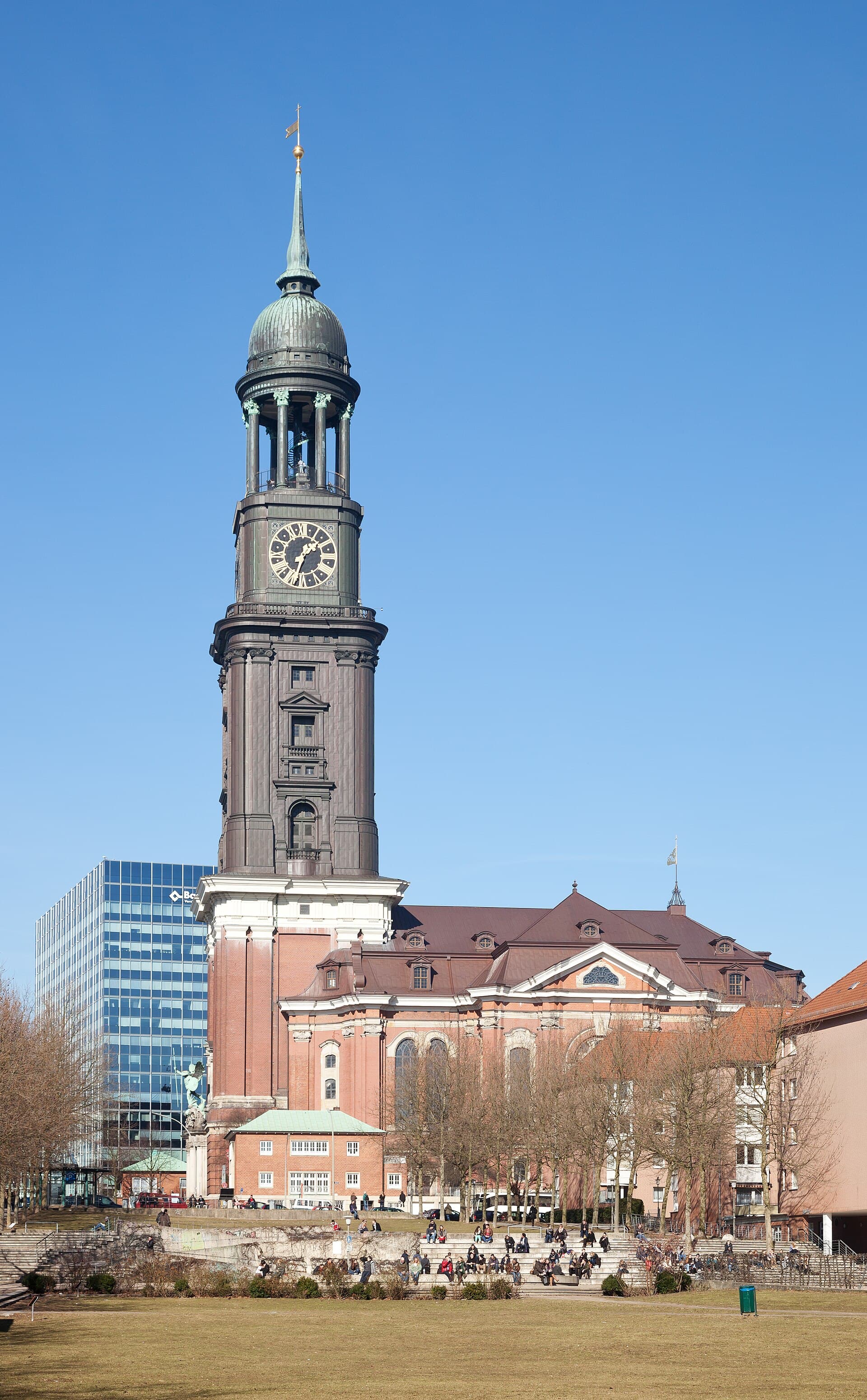 St. Michael's Church (Michel)The "Michel", as Hamburgers fondly shorten it, is the city's undisputed emblem: 1 minute walk4.6
 The Hans Hummel MemorialA memorial to a water carrier who lived in Hamburg in the nineteenth century, wh5 minutes walk4.6
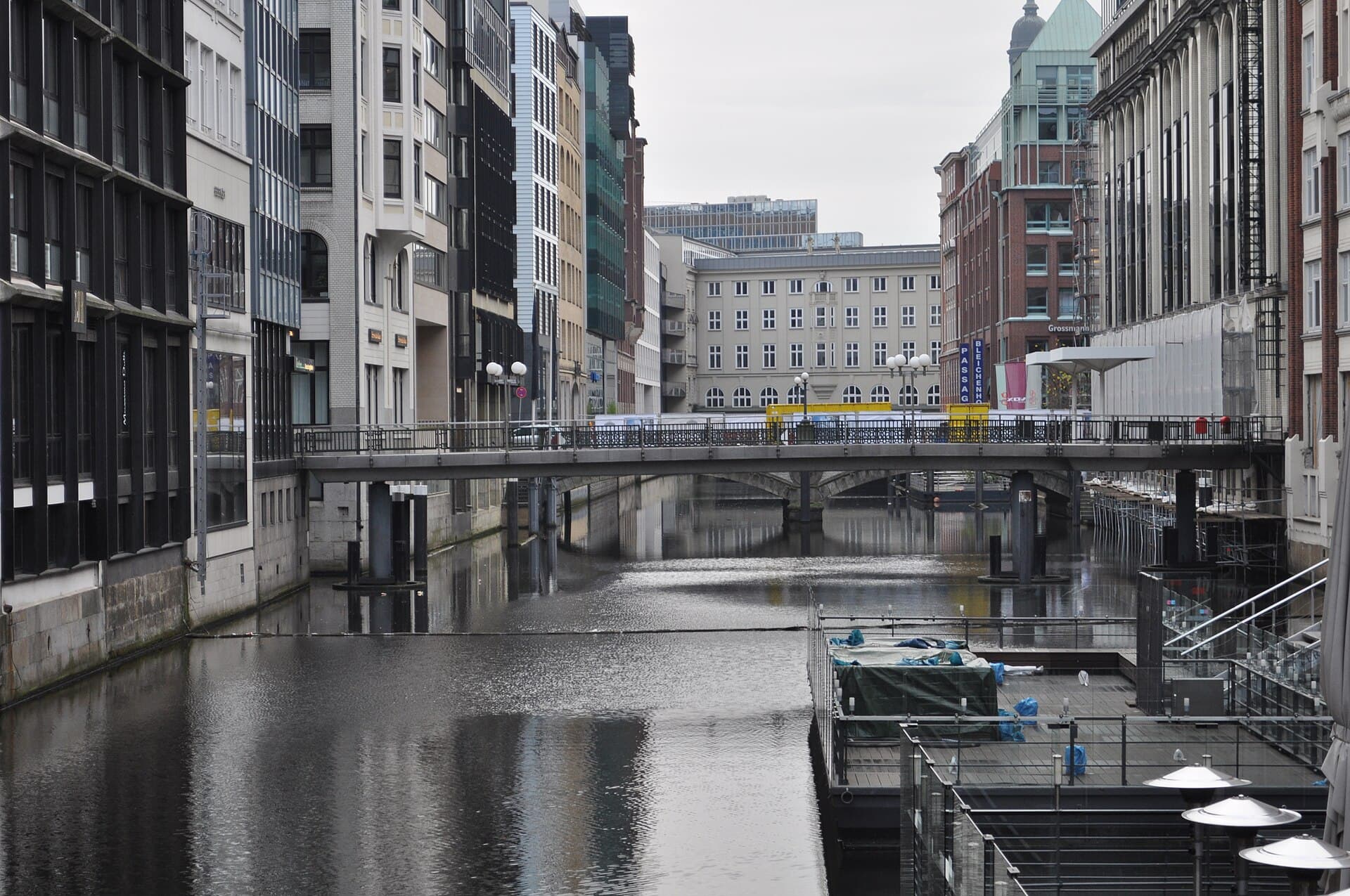 BleichenfleetThe Bleichenfleet is one of the Fleete — the old canals cutting through central 6 minutes walk4.6
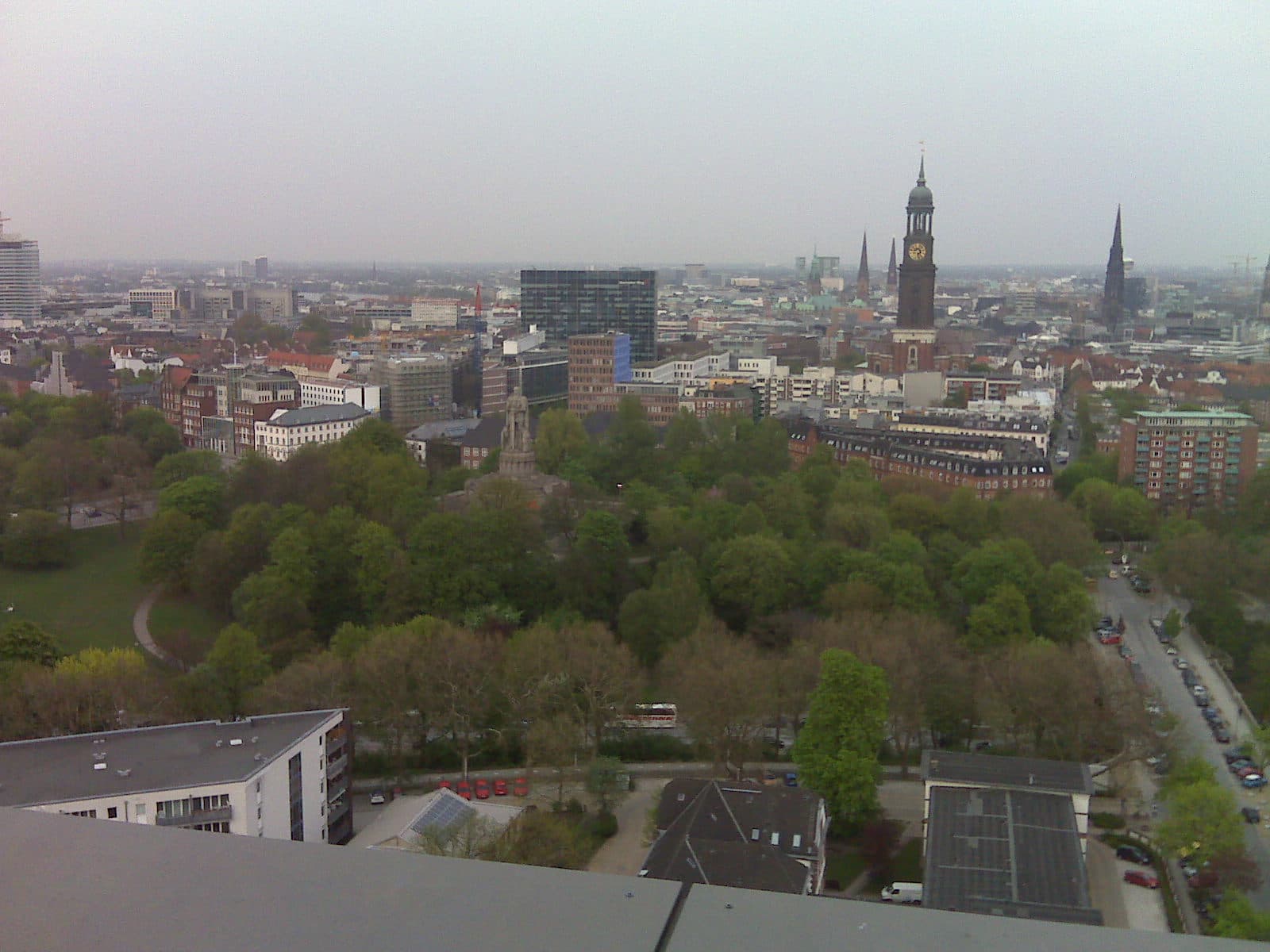 Alter ElbparkThe Alter Elbpark is a small green space on a rise between central Hamburg and t7 minutes walk4.3
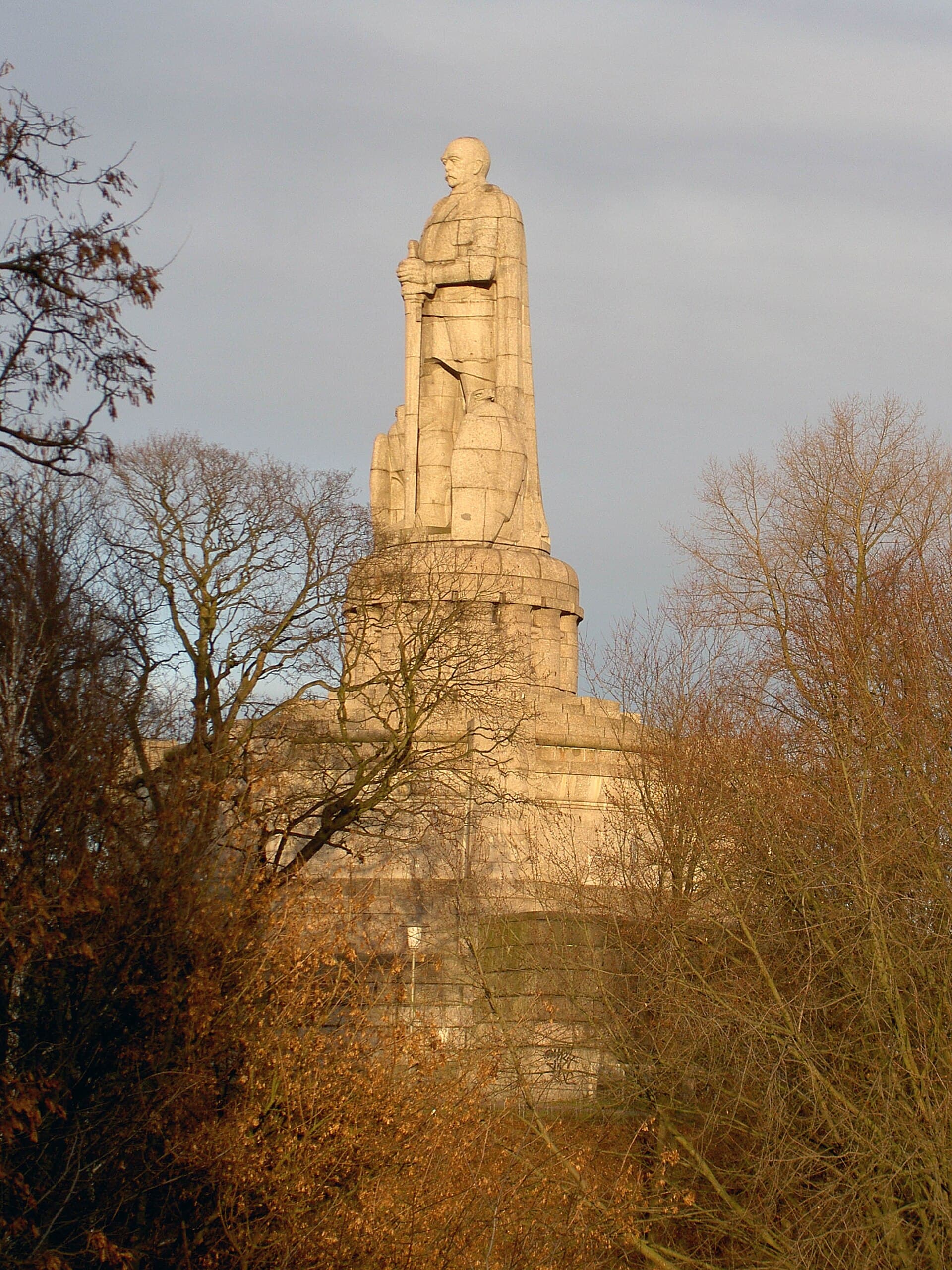 The Bismarck MonumentHamburg's Bismarck Monument is the largest of its kind in the world: a stone mas7 minutes walk3.7
Hamburg's best-known church and its visual emblem, known locally as the Michel. It is eighteenth-century baroque, rebuilt twice after fire and bombing. Its tower is about a hundred and thirty-two metres and can be climbed by lift or stairs for a view over the city, the port and the Elbe — among the best views in Hamburg. Minutes from the statue.
Yes, the best known being Hans Hummel — a nineteenth-century water carrier who also became a folk figure, whose call turned into a greeting exchanged between Hamburgers to this day. Statues and painted figures of him are spread across the city. The two — Hummel and the lemon seller — represent the city's working class as it remembers them.