
The inner courtyard
A tree, balconies and layers of found-object art.
Yelkrokoyade — CC BY-SA 3.0 · Yelkrokoyade — CC BY-SA 3.0 · JoshuaCrawford — CC BY-SA 4.0 · JoshuaCrawford — CC BY-SA 4.0
The place that invented the "ruin bar": Szimpla Kert opened in 2002 in an abandoned residential building in the seventh district's Jewish quarter, awaiting demolition — and was never restored, only furnished with whatever its founders found: car seats, old television sets, bicycles hung from the ceiling, a bathtub turned sofa, and walls layered with visitors' handwriting. From a local idea it became a phenomenon copied by cities worldwide, its heart an open inner courtyard with a tree and tiers of balconies around it — filling at night with music and performances and resembling nowhere else. By day it works as a quiet café you can photograph at leisure, and on Sunday mornings a genuine farmers' market fills the same courtyard. Alcohol is part of its trade, but it serves coffee, juices and food and requires no drink. A daytime visit is the recommendation for anyone who wants to see the place rather than its night.
A tree, balconies and layers of found-object art.
The whole logic of the place in one object.
Kazinczy utca 14, Budapest
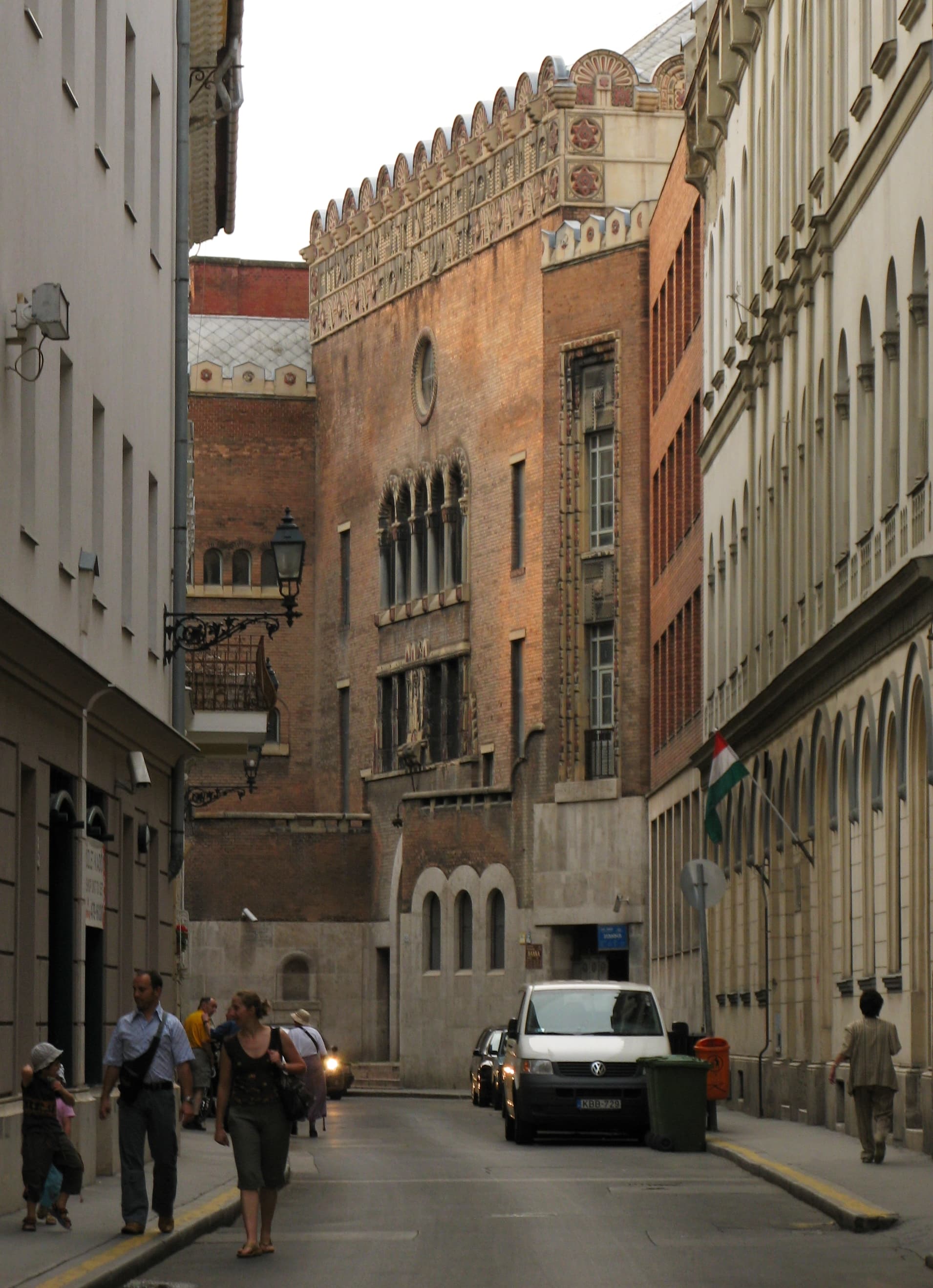 Kazinczy Street SynagogueThe Kazinczy Street Synagogue is the Orthodox synagogue of District VII, and the2 minutes walk4.5
 Raoul Wallenberg Memorial ParkA memorial garden behind Budapest's Great Synagogue, dedicated to the victims of2 minutes walk4.5
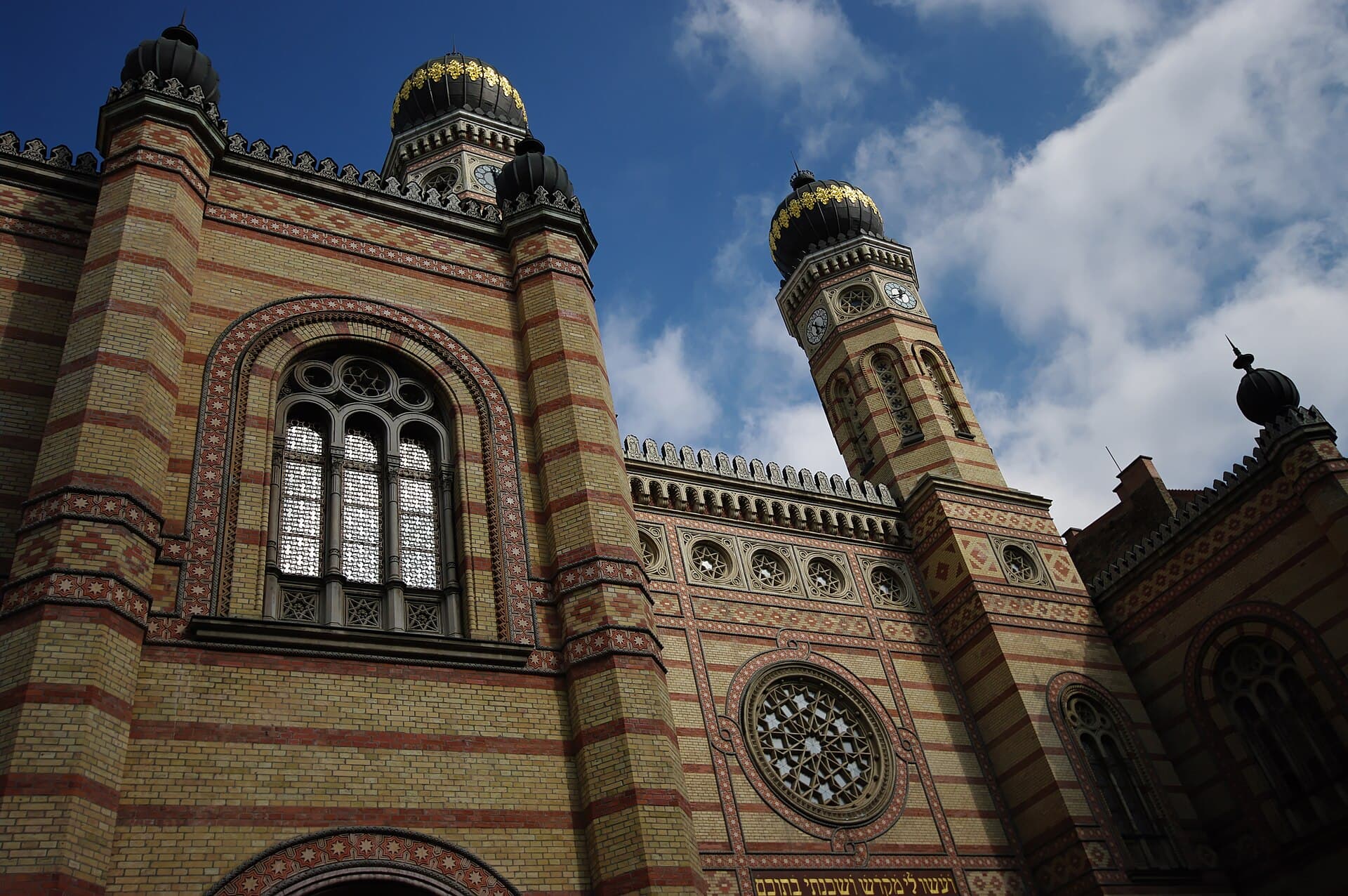 Dohány Street SynagogueThe Dohány Street Synagogue is the largest synagogue in Europe and the second la3 minutes walk4.2
 Rumbach Street synagogueThe Rumbach Street Synagogue is smaller than the nearby Dohány and far less know4 minutes walk4.4
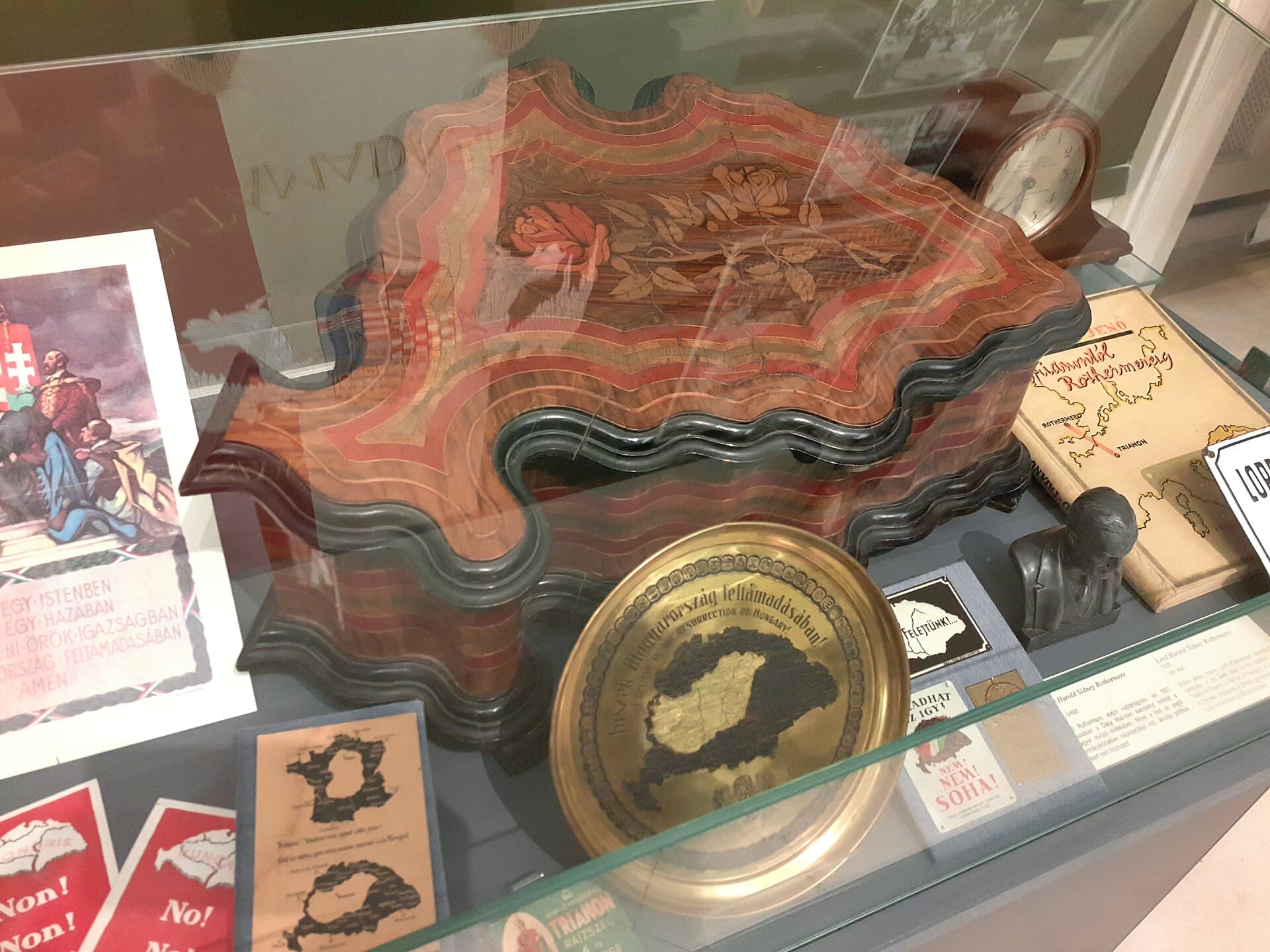 Hungarian National MuseumThe Hungarian National Museum is the country's oldest museum and the most import8 minutes walk4.6
Yes, especially by day: coffee, juice and food, and the place is visited for its architecture and furnishing, not its drink. At night it becomes a loud adult bar.
Budapest's old quarter with its three great synagogues and narrow streets, now the centre of nightlife and cafés; Szimpla sits at its heart with dozens of ruin bars around.