
The Transparent Man
A 1930 see-through figure lighting up its organs — the museum's historic icon.
Raimond Spekking — CC BY-SA 4.0 · Bybbisch94, Christian Gebhardt — CC BY-SA 4.0 · Bybbisch94, Christian Gebhardt — CC BY-SA 4.0 · Bybbisch94 — CC BY-SA 4.0
Don't let the odd name mislead you — "Hygiene Museum" is a historic label from 1912, when a mouthwash magnate founded it to educate the public in health. Today it is the museum of the human being: our body, mind and life, presented with an interactive intelligence that has made it one of Europe's most successful science museums. The permanent exhibition journeys through the human body — its star the Transparent Man of 1930, organs lit within a see-through figure — then through eating, movement, sexuality, memory and death, with devices you try yourself. Its temporary shows on social questions rank among Germany's best. The Children's Museum in the basement is devoted to the five senses — among the best things Dresden offers families on a cold or wet day.
A 1930 see-through figure lighting up its organs — the museum's historic icon.
Eating, movement, memory and emotion through clever interactive stations.
The five-senses basement — touching, smelling, hearing, trying.
Lingnerplatz 1, 01069 Dresden
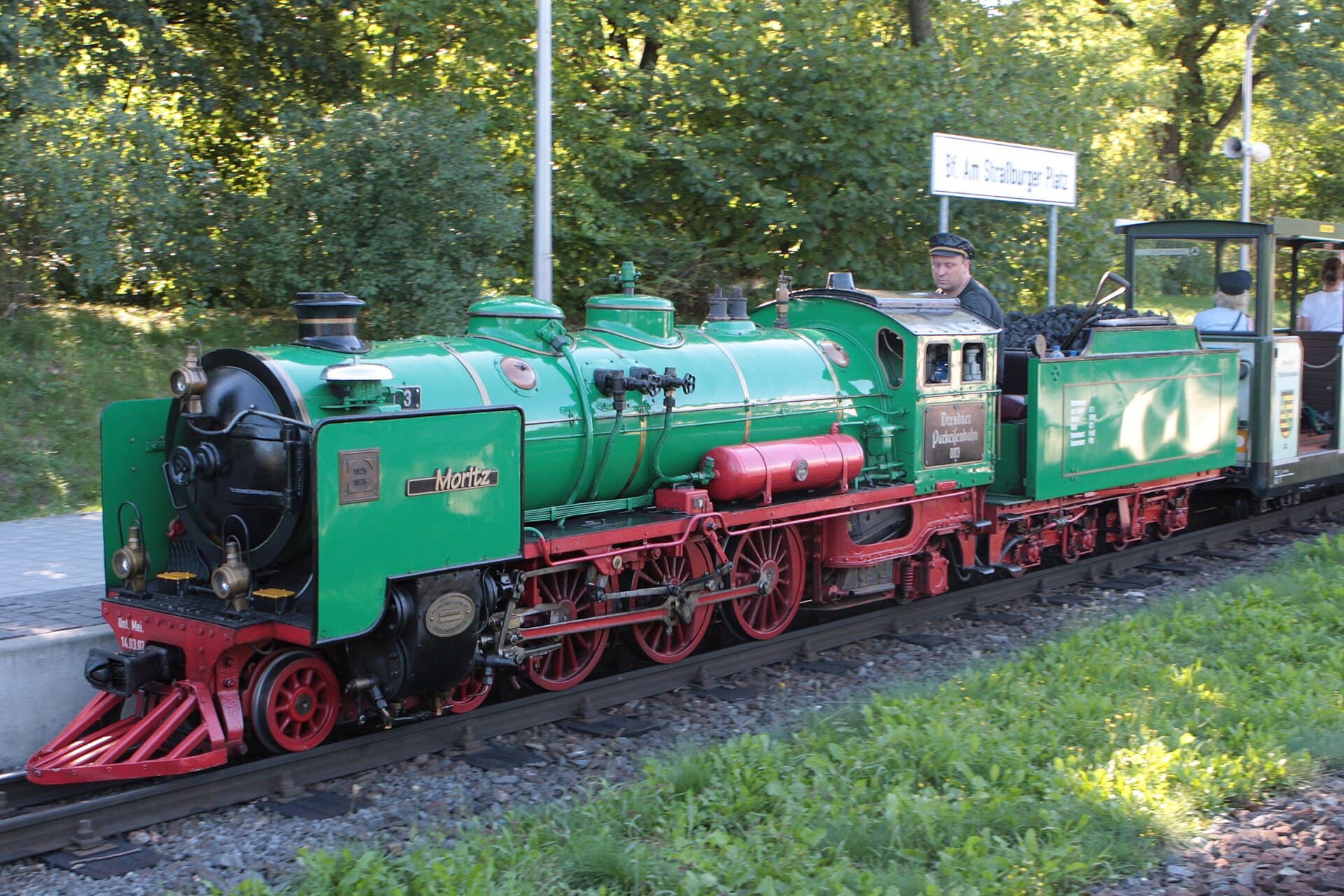 Dresden Park RailwayThe line opened on the first of June nineteen fifty as a children's railway of t6 minutes walk4.8
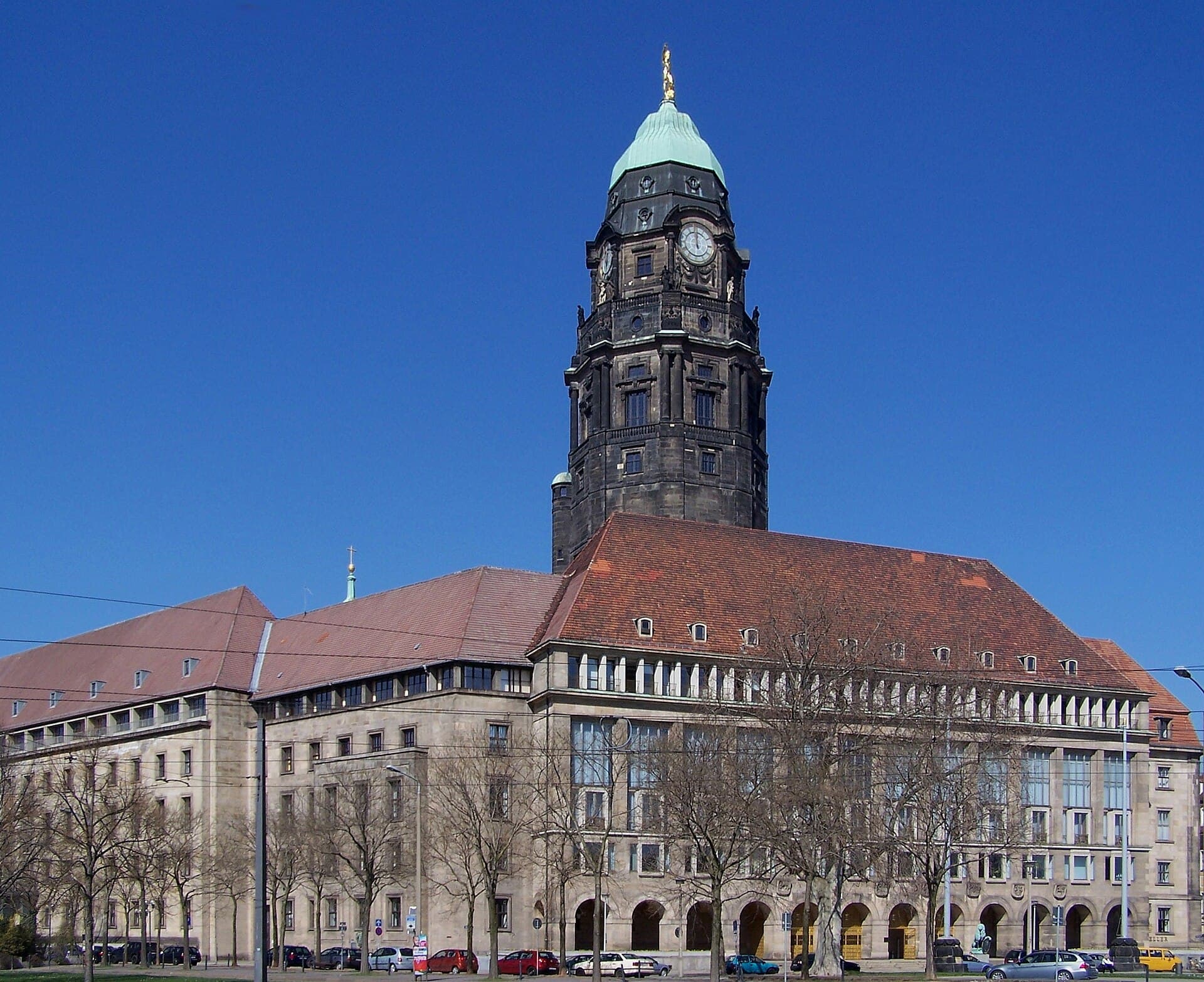 RathausturmDresden's New Town Hall was built between nineteen hundred and five and nineteen7 minutes walk4.9
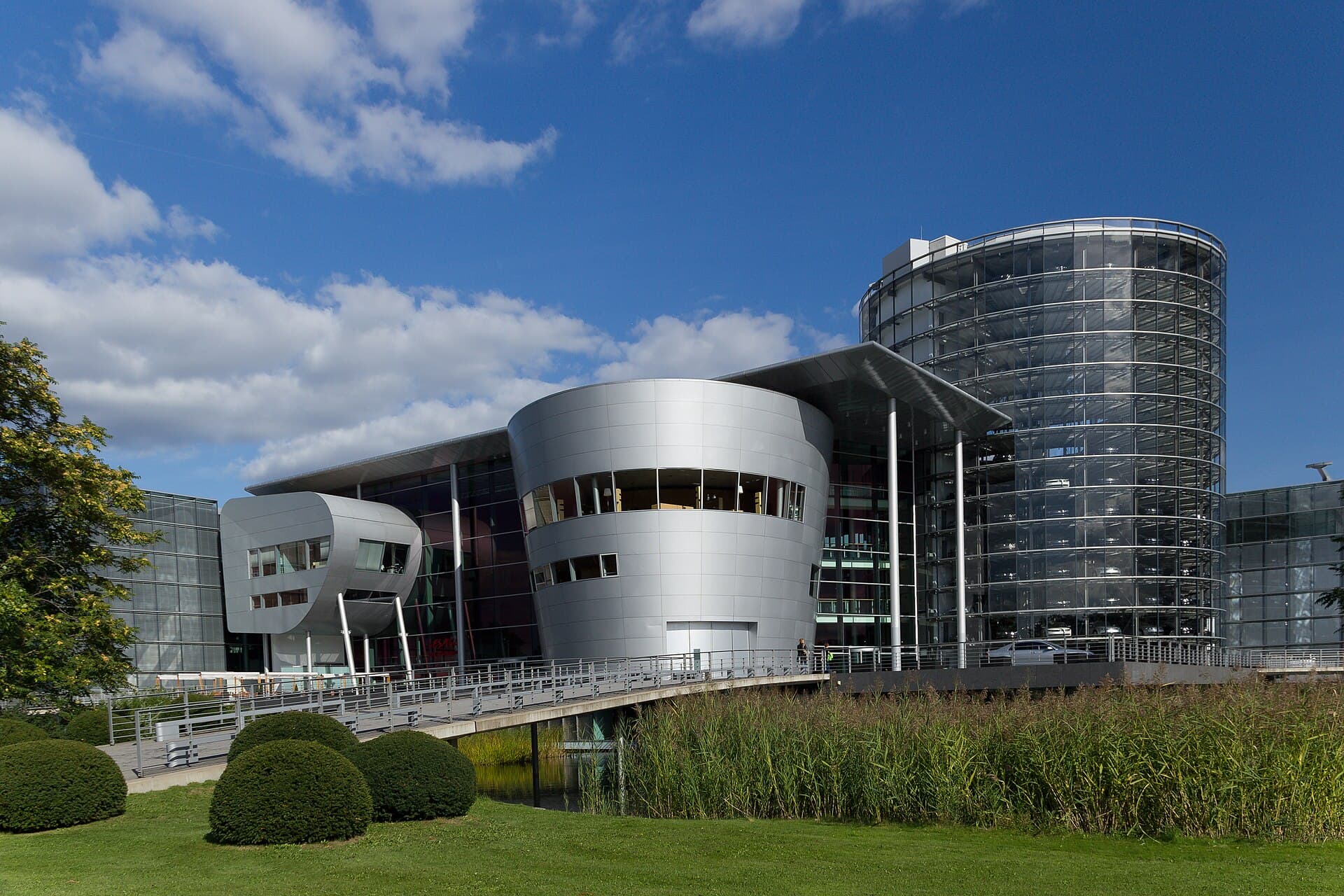 Transparent FactoryVolkswagen opened this plant in two thousand and one on an odd premise: build lu8 minutes walk4.4
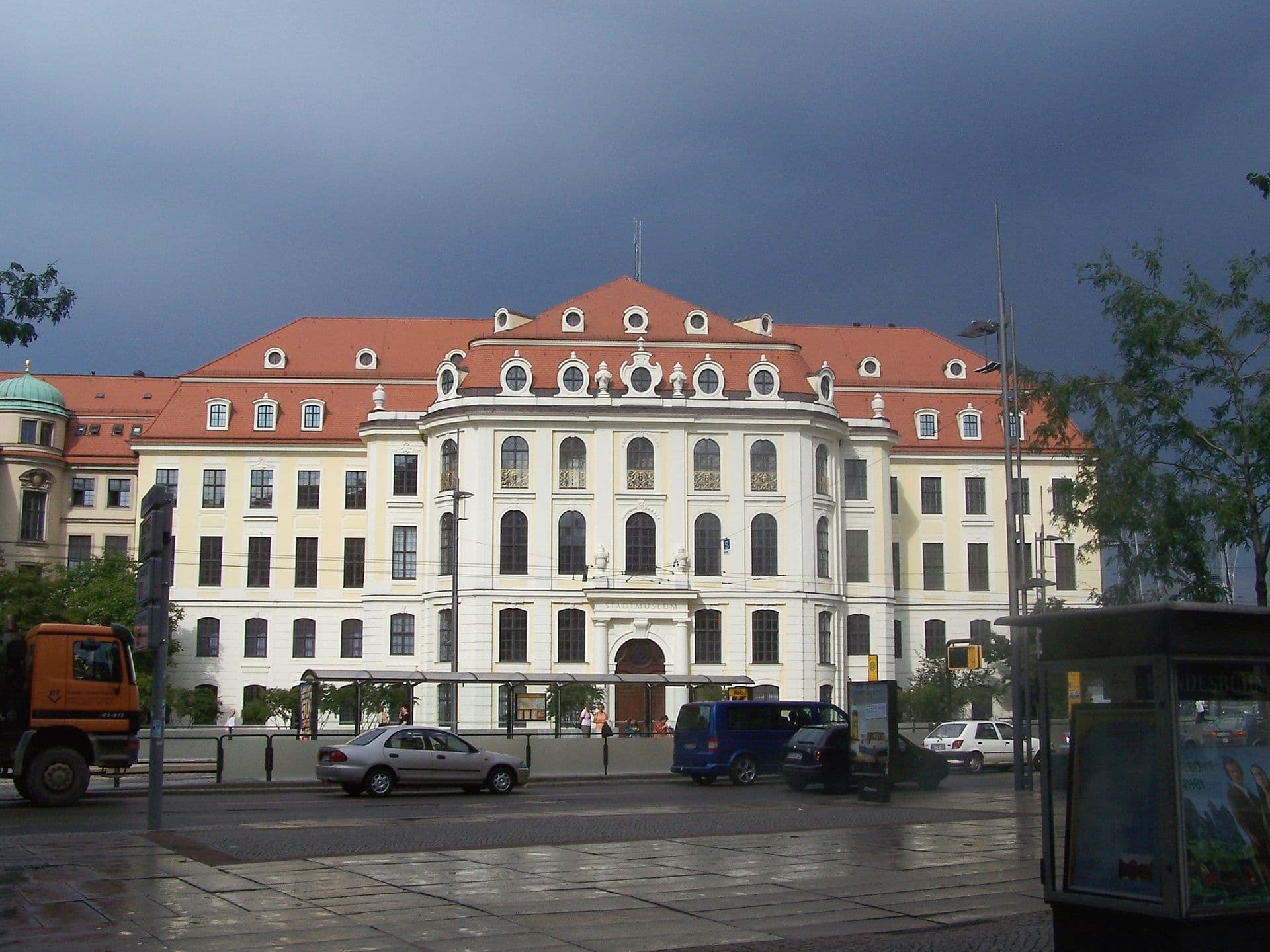 Dresden City MuseumThe Dresden City Museum tells the city's history from its beginnings to today, a9 minutes walk4.4
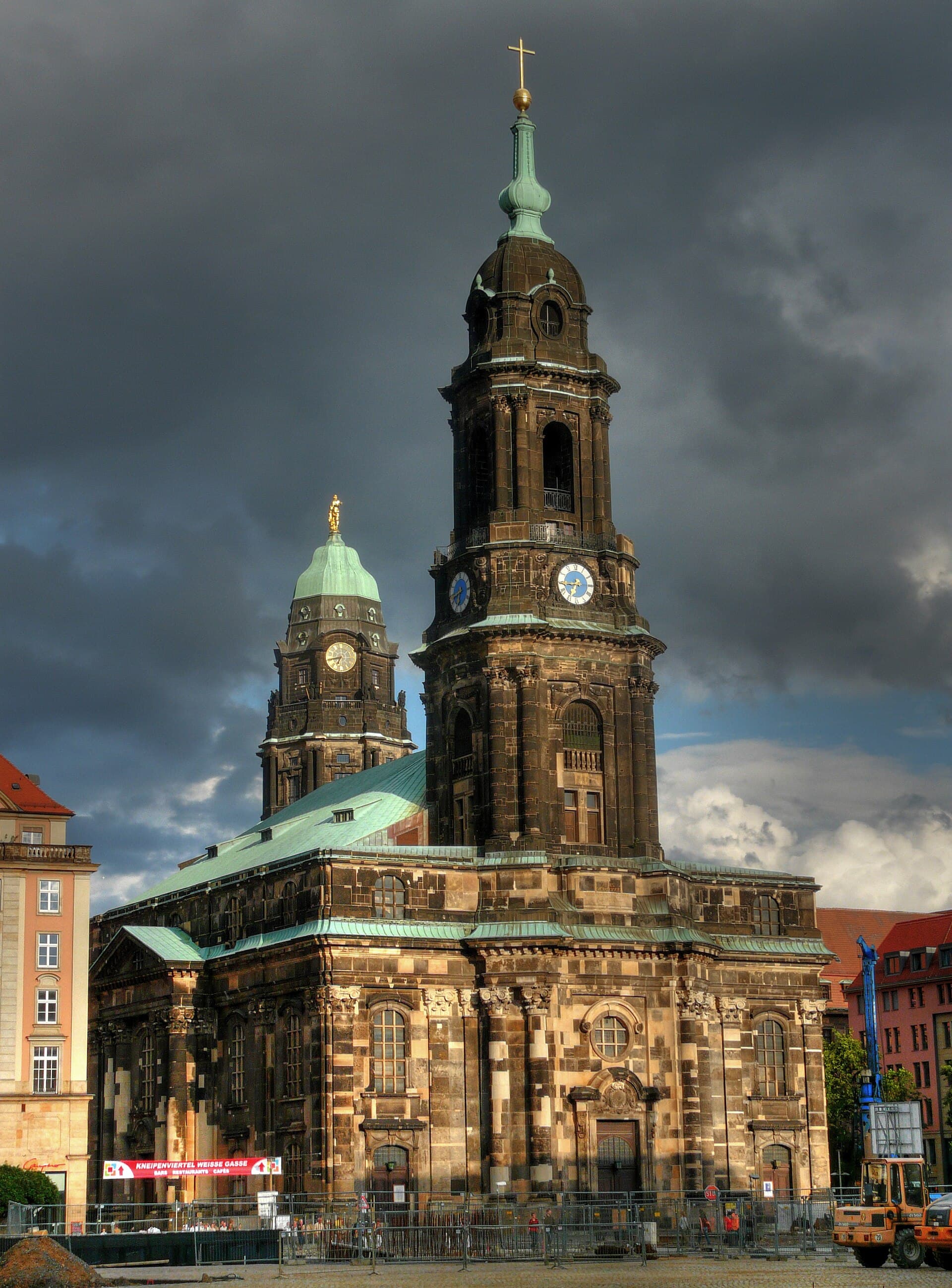 Kreuzkirche DresdenThe Kreuzkirche is the largest church in Saxony and the oldest in Dresden. It ha9 minutes walk4.5
Founded in 1912 by Karl Lingner of Odol mouthwash fame to educate the public in health — 'hygiene' was then the word of modern science. The name stayed for heritage while the content outgrew it entirely — think of it as a science museum about being human.
Unusually wide: the senses basement from about four, the main exhibition gripping teenagers and adults alike. A few sections on reproduction and death are scientific in tone — parents know their own children.
Two unhurried family hours. It stands between the old town and the Grosser Garten — a short tram from the centre, pairing with the park into an excellent family half-day.