
The glass tower
Finished cars stacked behind glass, visible from outside.
DanielFeil — CC BY-SA 3.0 · VSchagow — CC BY-SA 4.0 · Jörg Blobelt — CC BY-SA 4.0 · Jörg Blobelt — CC BY-SA 4.0
Volkswagen opened this plant in two thousand and one on an odd premise: build luxury cars inside a glass box in the middle of a historic city, on the edge of the Grosser Garten. There is no paint shop and no press shop on site, since bodies arrive already painted; the floors are maple, the assembly staff wear white, and finished cars ride up a glass tower that passers-by can watch from the street. The factory was designed to be its own showroom. It has lived three lives: the Phaeton luxury saloon until twenty sixteen, then the electric Golf, then the ID.3 from twenty twenty-one. On the sixteenth of December twenty twenty-five the last car came off the line, ending twenty-four years of production, and the assembly line began to be dismantled the following January. The site is now being turned into an innovation campus with Dresden University of Technology, while the building stays a Volkswagen delivery centre and visitor attraction. Be clear with yourself before booking: you will not see a working production line. Twenty twenty-six is a transitional year in which the operators have installed themed islands and a demonstration assembly setup so that visitors still have something to watch. The basic tour runs about an hour at nine euros for adults and six reduced, starting hourly for small groups, and booking ahead is effectively required. The building sits right beside the Strassburger Platz tram stop.
Finished cars stacked behind glass, visible from outside.
An assembly hall unlike any other factory.
Lennestrasse 1, 01069 Dresden
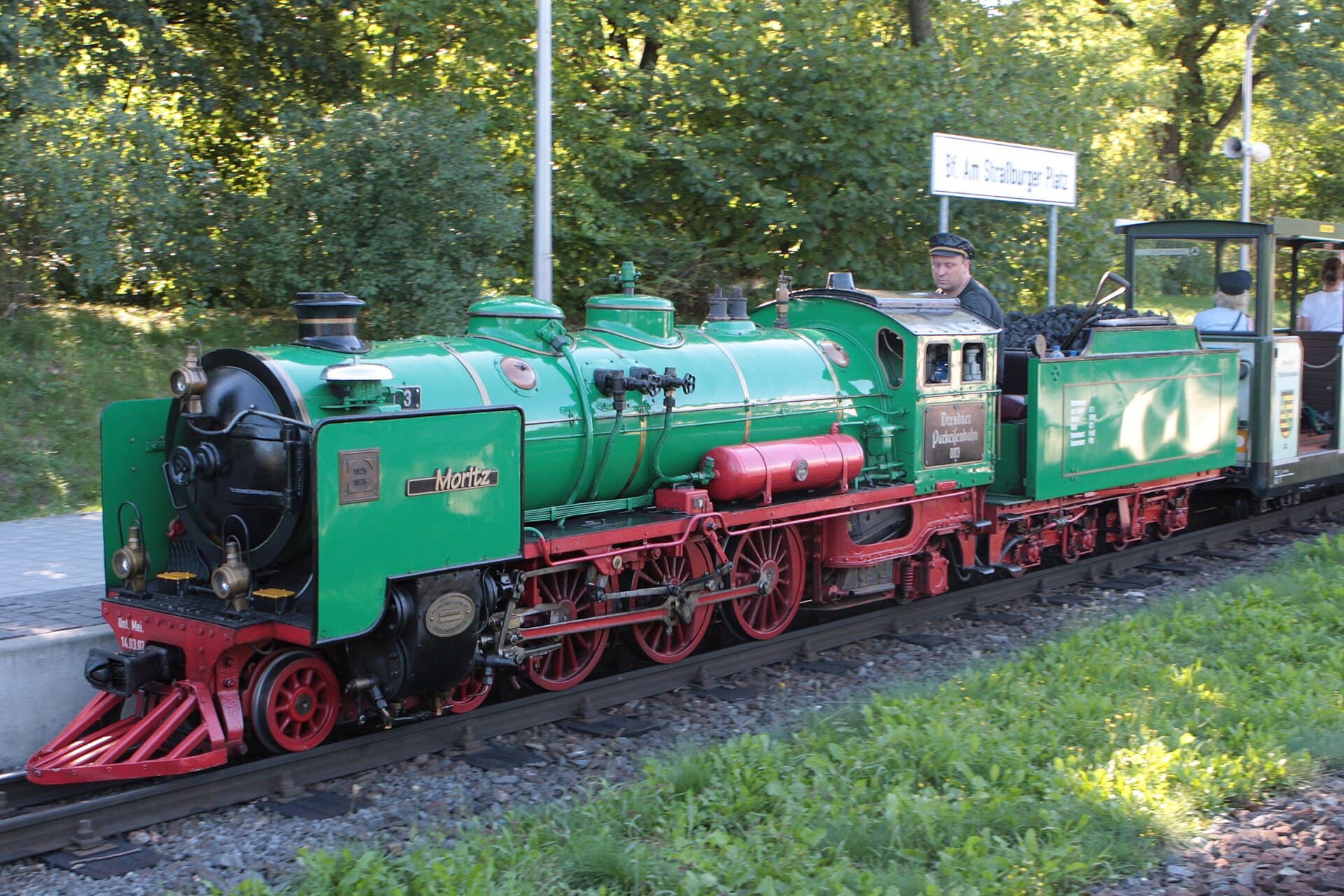 Dresden Park RailwayThe line opened on the first of June nineteen fifty as a children's railway of t3 minutes walk4.8
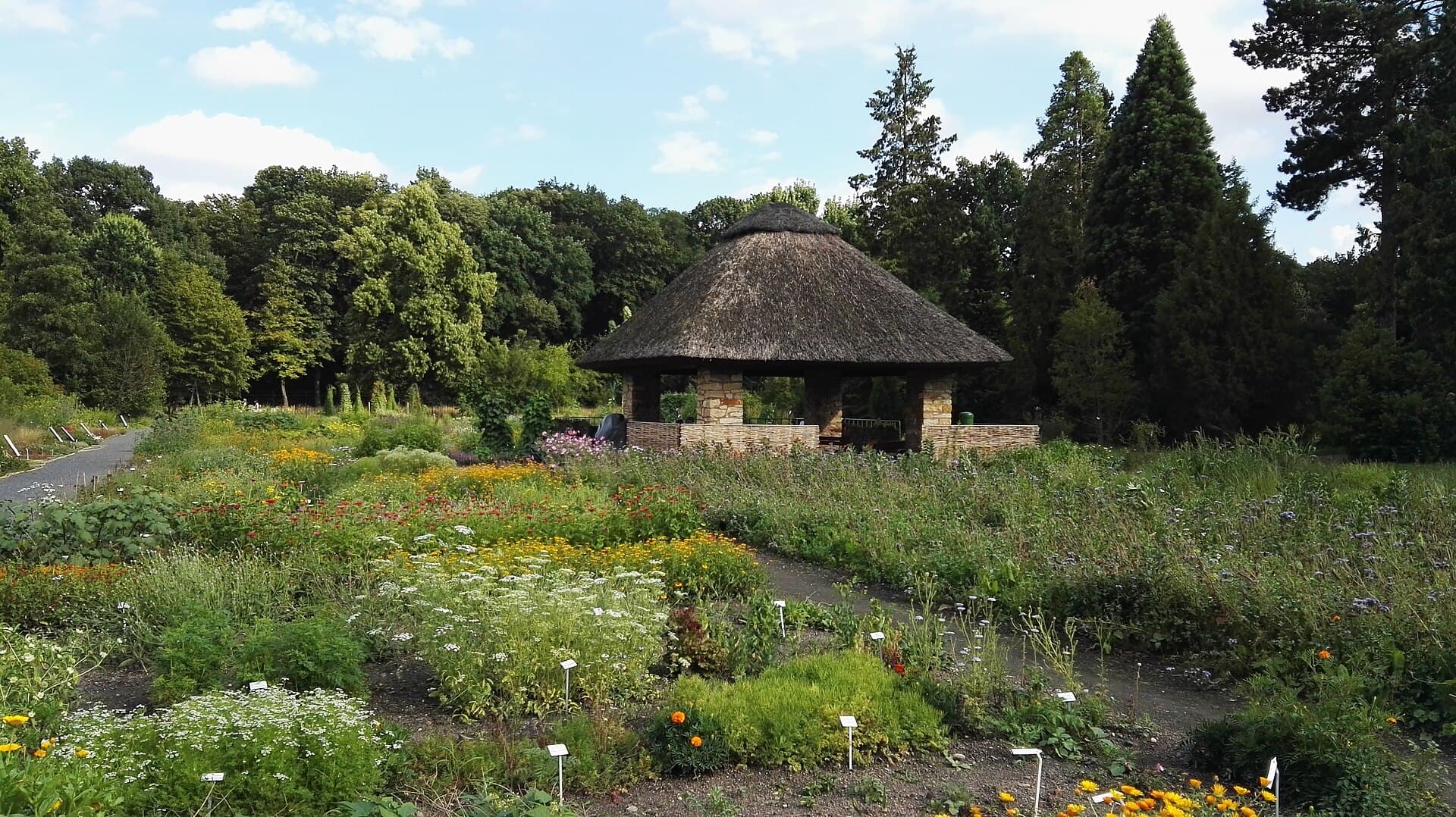 Dresden Botanical GardenDresden's first botanical garden dates from eighteen twenty, but the one you can3 minutes walk4.5
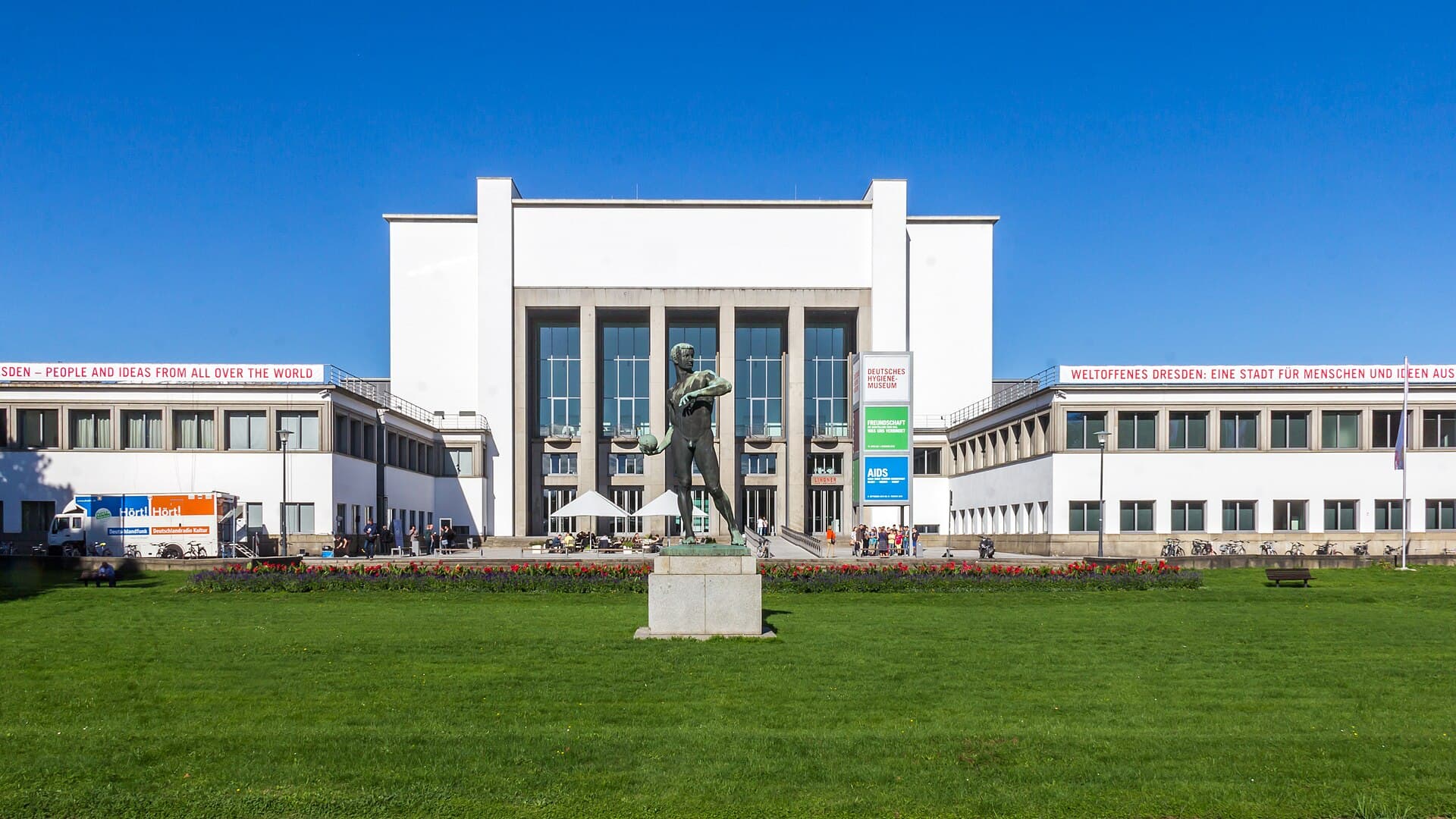 German Hygiene Museum (Museum of Humankind)Don't let the odd name mislead you — "Hygiene Museum" is a historic label from 18 minutes walk4.6
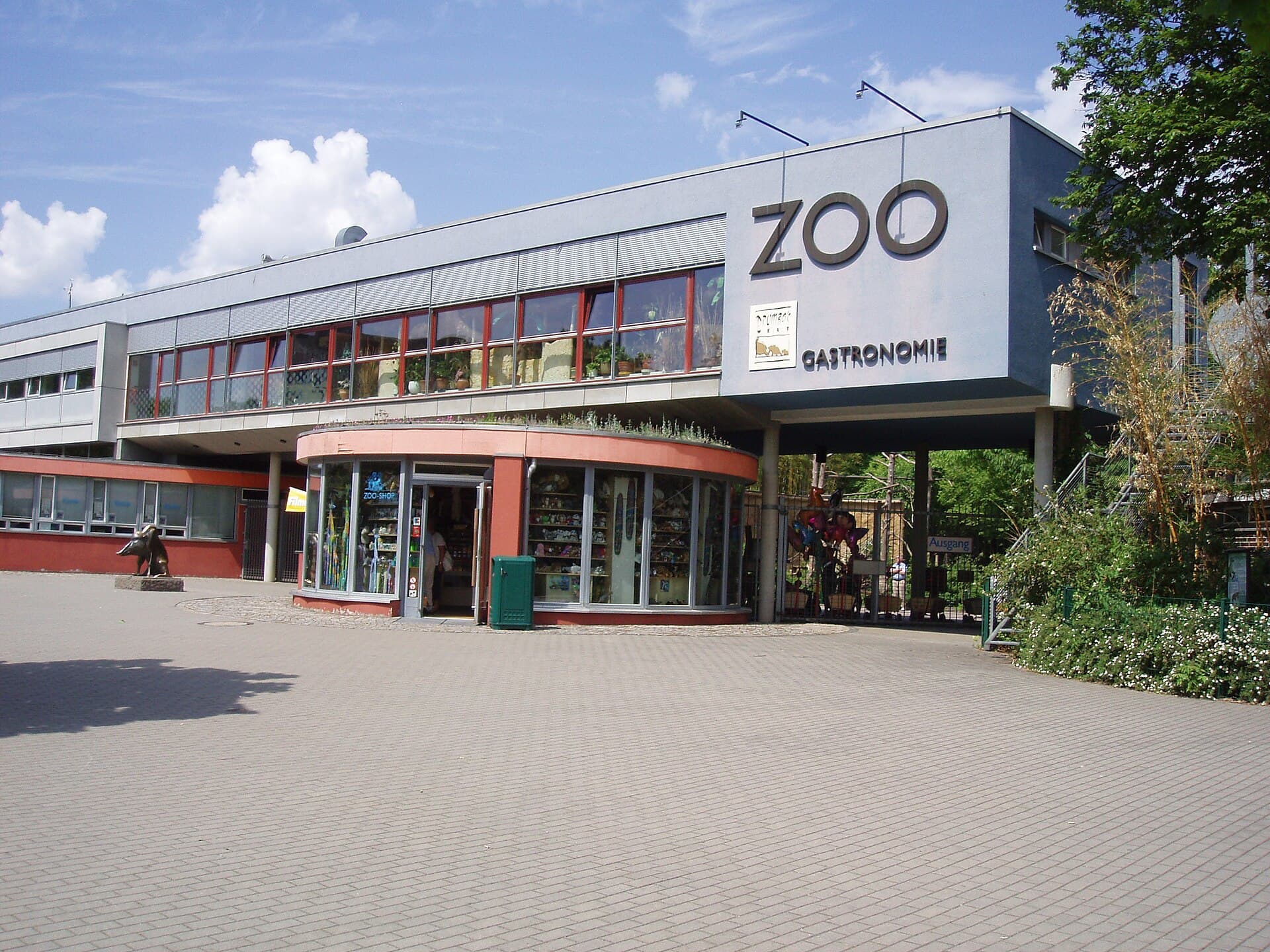 Dresden ZooDresden Zoo occupies the southern edge of the Grosser Garten and opened in eight11 minutes walk4.3
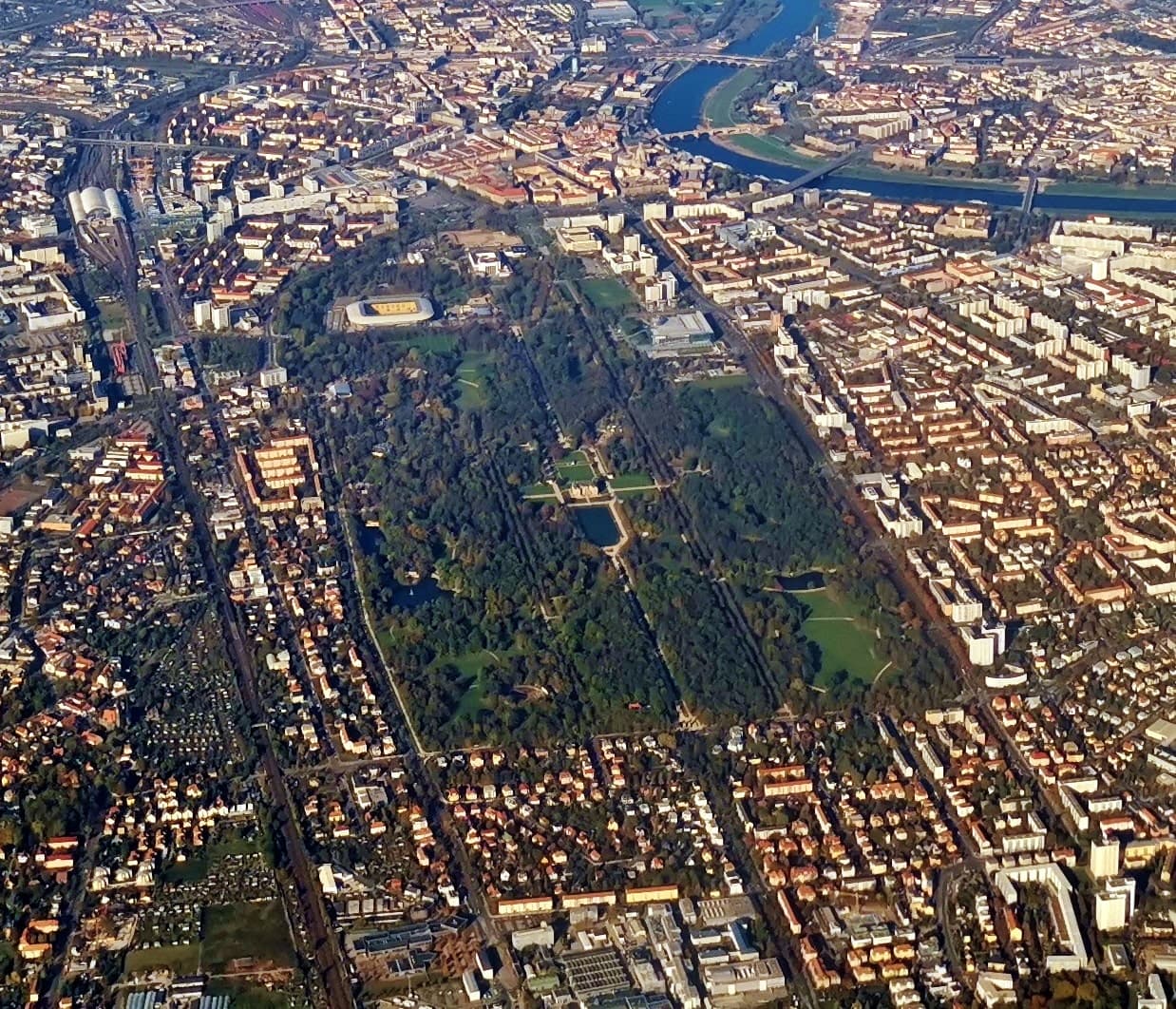 Grosser Garten DresdenThe Grosser Garten has been Dresden's breathing space for three and a half centu12 minutes walk4.9
Worth it if you care about the architecture and the idea of a transparent factory, or if you are travelling with car-minded teenagers. If what you wanted was to watch a real car being assembled, wait until the site settles into its new form after twenty twenty-seven.