
The Parthian frieze
Forty metres of carved marble mounted at readable height — you rarely get this close to Roman relief.
Gryffindor — CC BY 2.5 · בר — CC BY-SA 3.0 · Deror Avi — CC BY-SA 3.0 · Deror Avi — CC BY-SA 3.0
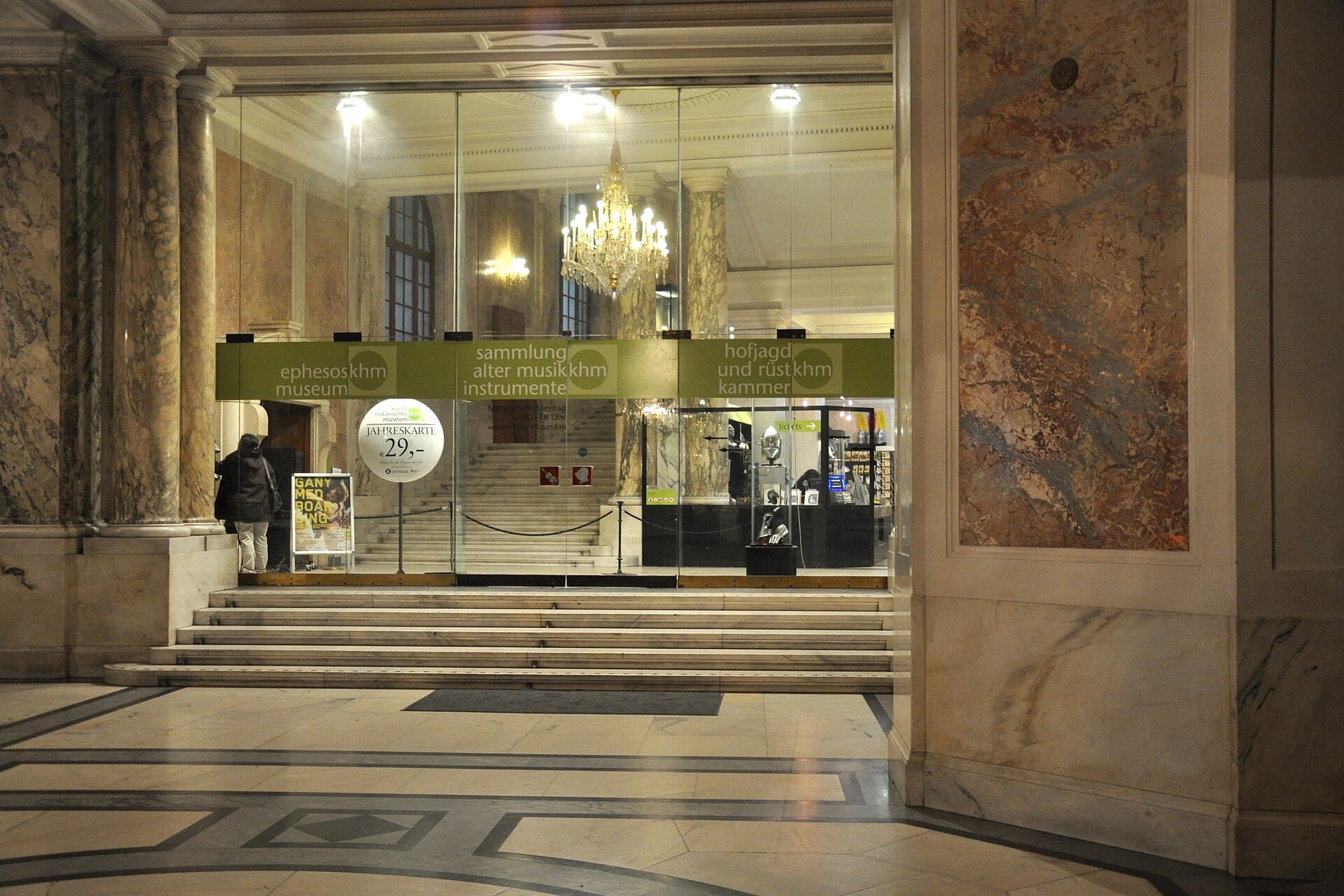
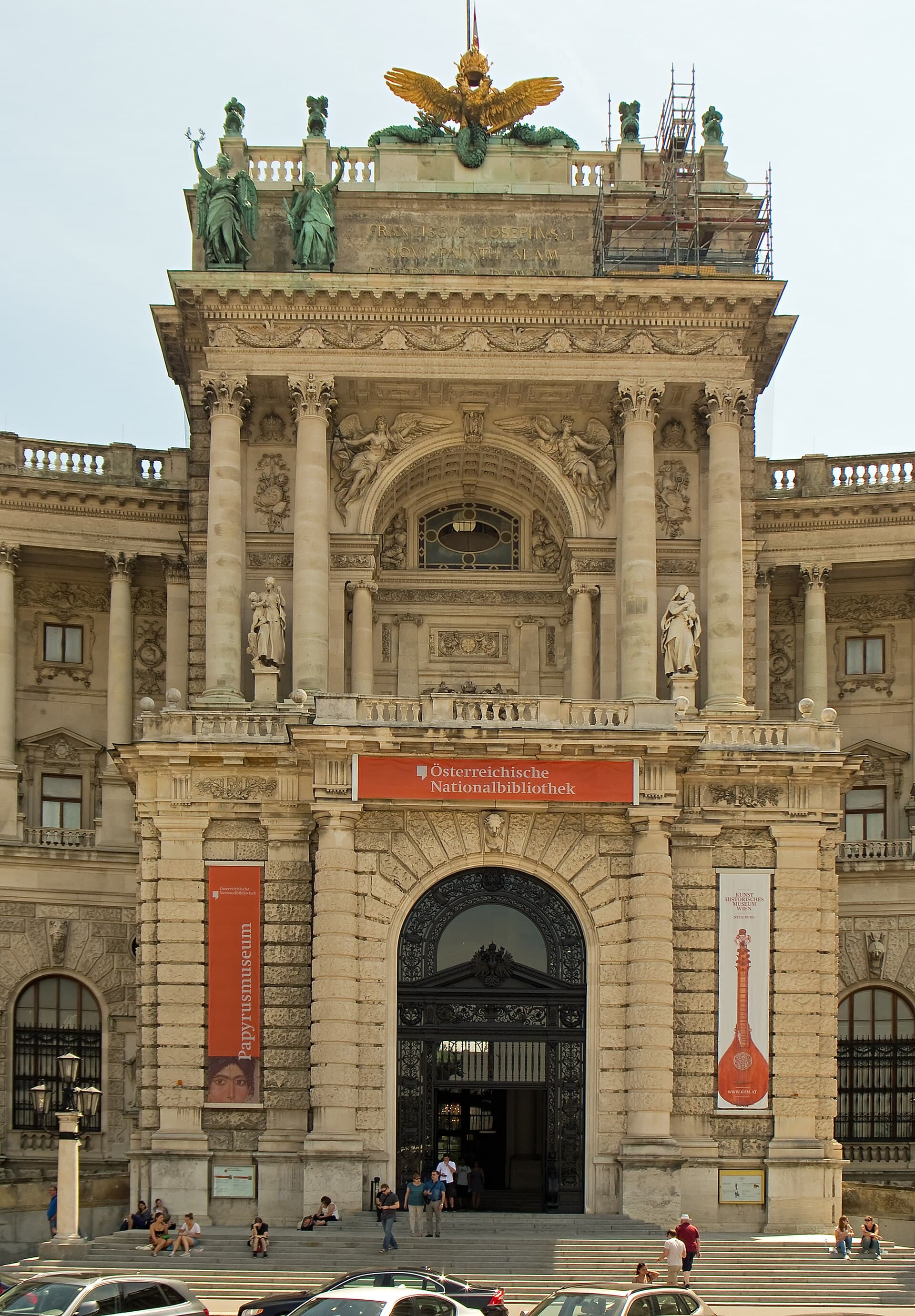
A small museum inside the Hofburg's Neue Burg showing what Austrian expeditions excavated at ancient Ephesus on the Turkish coast from 1895 onward — one of the most important sites of the Greco-Roman world. Its centrepiece is the Parthian Monument: a marble frieze running some forty metres, depicting the victories of the Roman emperor Marcus Aurelius, mounted at a height that lets you read it panel by panel. Beside it stands the bronze Athlete, reassembled from hundreds of fragments, along with architectural models of Ephesus and of the Temple of Artemis, one of the seven wonders of the ancient world. The museum gets very few visitors compared with its neighbours, and that is among its best features: you stand before antiquities of this scale in near-empty rooms. Its ticket is shared with the historic musical instruments museum and the arms collection in the same building — three museums on one ticket.
Forty metres of carved marble mounted at readable height — you rarely get this close to Roman relief.
Reassembled from hundreds of fragments — the restoration story is displayed beside it.
One of the seven ancient wonders rebuilt as a model — of the original, a single column survives.
Heldenplatz, Hofburg, Vienna
 Collection of Historic Musical InstrumentsOne of the world's most important collections of historic musical instruments, i1 minute walk4.5
 House of Austrian HistoryA museum opened in 2018 inside the Neue Burg wing of the Hofburg palace, coverin1 minute walk4.4
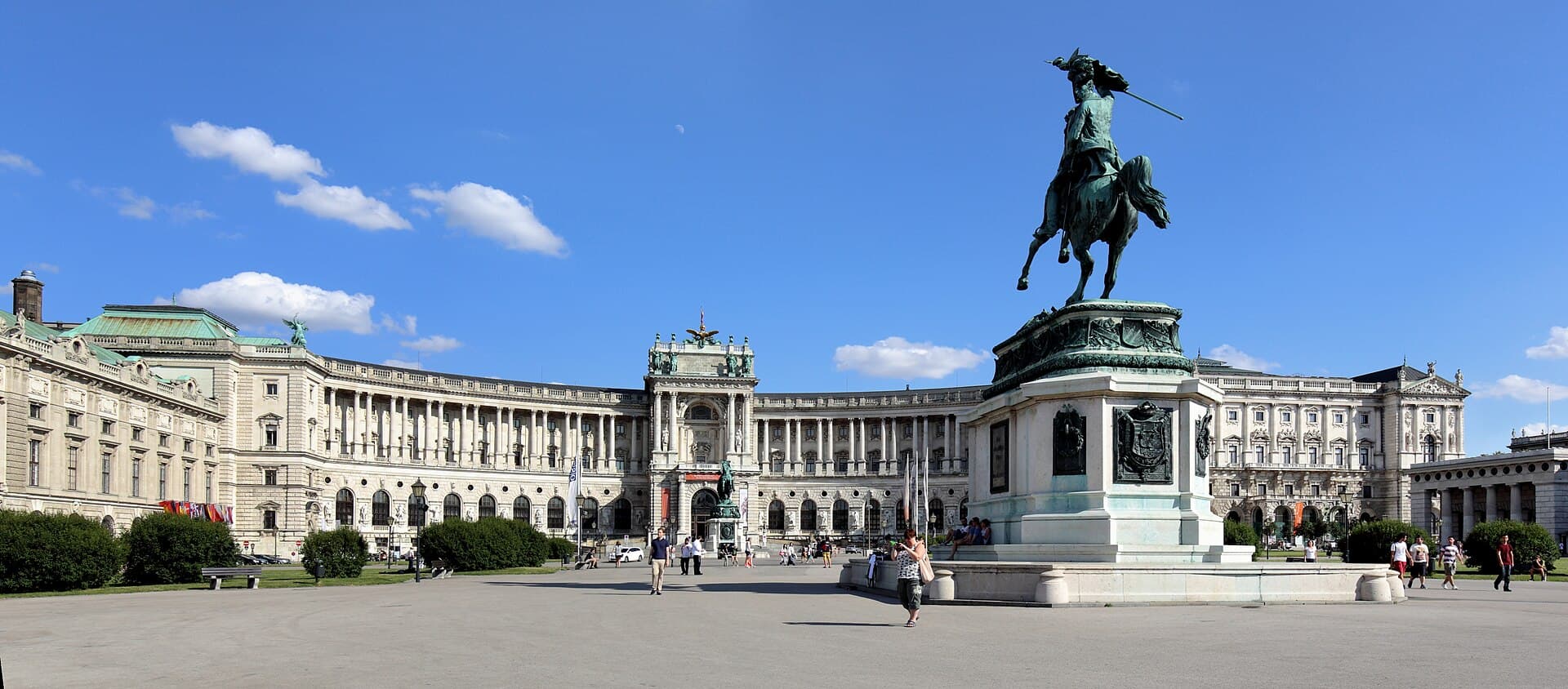 Hofburg PalaceThe Habsburgs' winter residence in the heart of Vienna — not one building but a 1 minute walk4.6
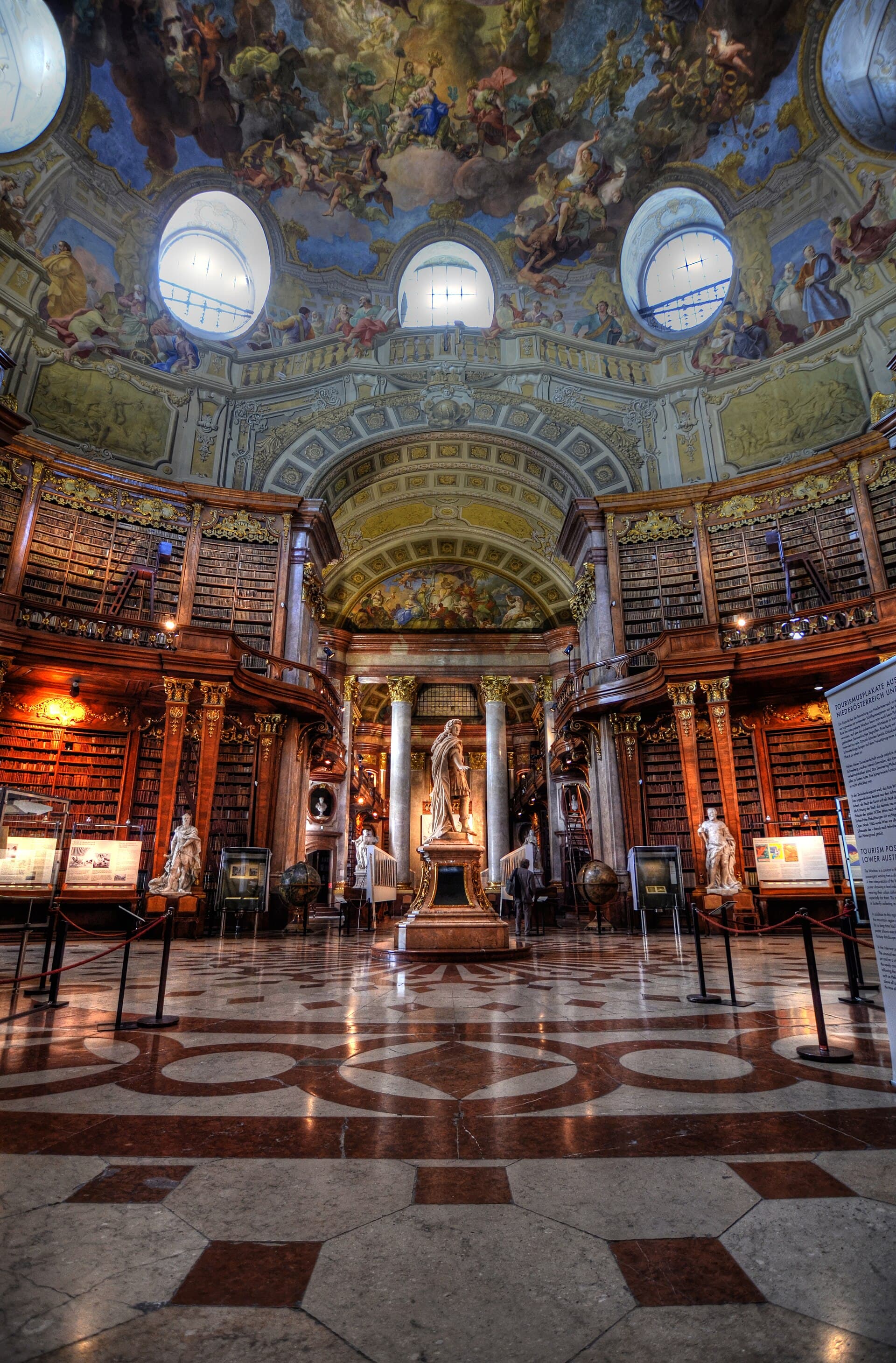 Austrian National LibraryOne room justifies the whole visit: the State Hall of the Austrian National Libr1 minute walk4.7
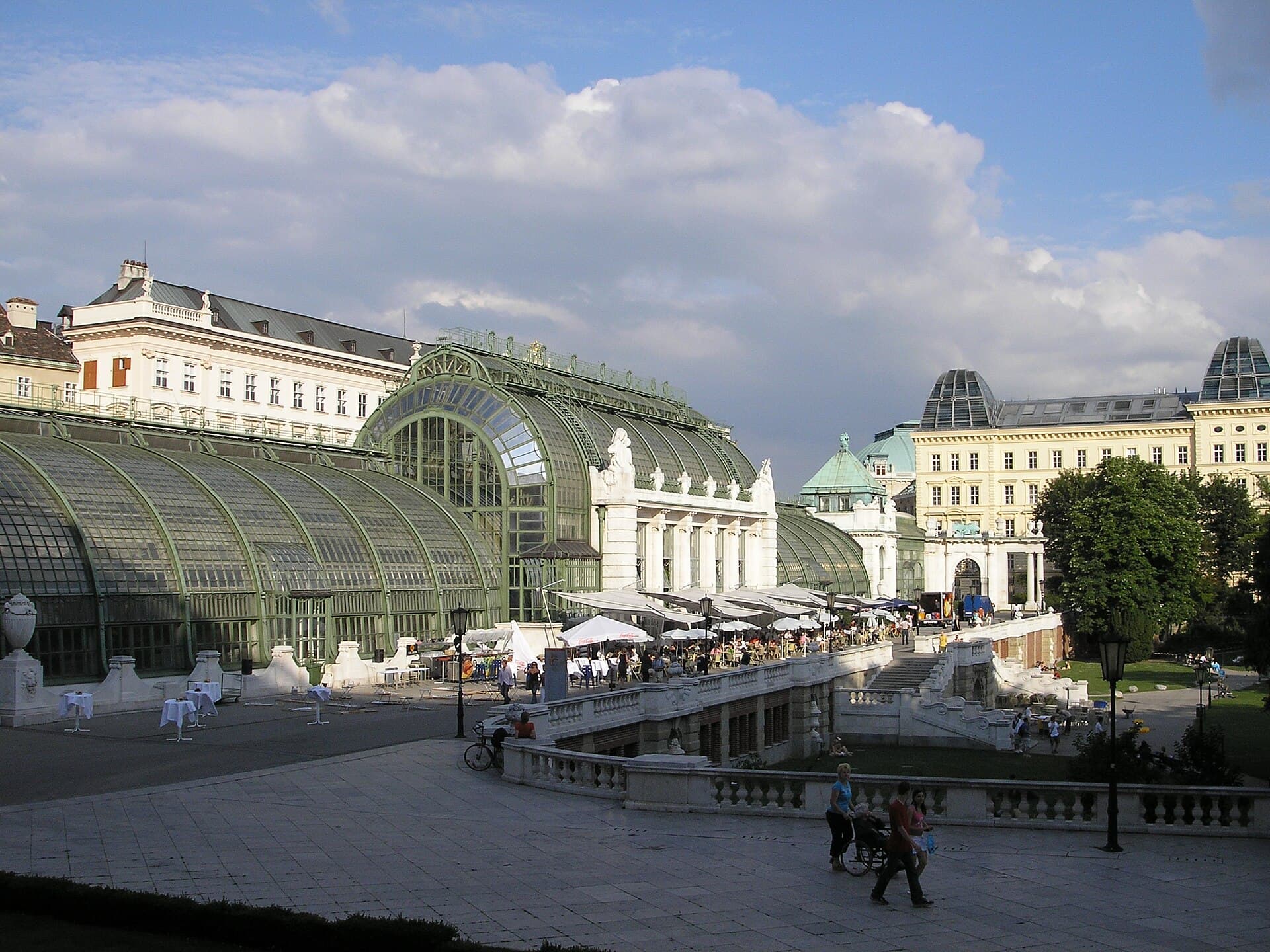 SchmetterlinghausAn art nouveau glasshouse built in 1901 in the palace garden, and among Europe's1 minute walk4.3
If you like classical antiquity, yes — and the ticket covers three museums. On a short first visit, though, the imperial Hofburg museums deserve your time first.
The historic musical instruments museum — one of the world's most important, with instruments played by Beethoven and Haydn — and the collection of historic arms and armour.