
The State Hall
Eighty metres of wood and books under a painted dome — a room that silences visitors as they walk in.
Richard Hopkins — CC BY 2.0 · Cattafra — CC BY-SA 4.0 · Pymouss — CC BY-SA 4.0 · Sandor Somkuti from Wien, Österreich — CC BY-SA 4.0
One room justifies the whole visit: the State Hall of the Austrian National Library, probably the most beautiful baroque library room in the world. Built in 1726, it runs eighty metres long under a painted central dome, with walnut shelves climbing to the ceiling. Those shelves carry two hundred thousand books from the fifteenth to the nineteenth centuries, including Prince Eugene of Savoy's entire library in its red leather bindings. Four huge seventeenth-century Venetian globes stand down the centre, with marble statues between the columns. The visit is short — half an hour to an hour, since it is a single room — but it is among Vienna's most photographed spaces and, relative to its fame, among its least crowded. You enter from Josefsplatz behind the Hofburg; mornings are best, when light comes through the high windows.
Eighty metres of wood and books under a painted dome — a room that silences visitors as they walk in.
Four vast seventeenth-century globes mapping the world as it was then understood — their errors more entertaining than their accuracy.
Red leather volumes gathered by the empire's commander — one man's library absorbed into a nation's.
Josefsplatz, Hofburg, Vienna
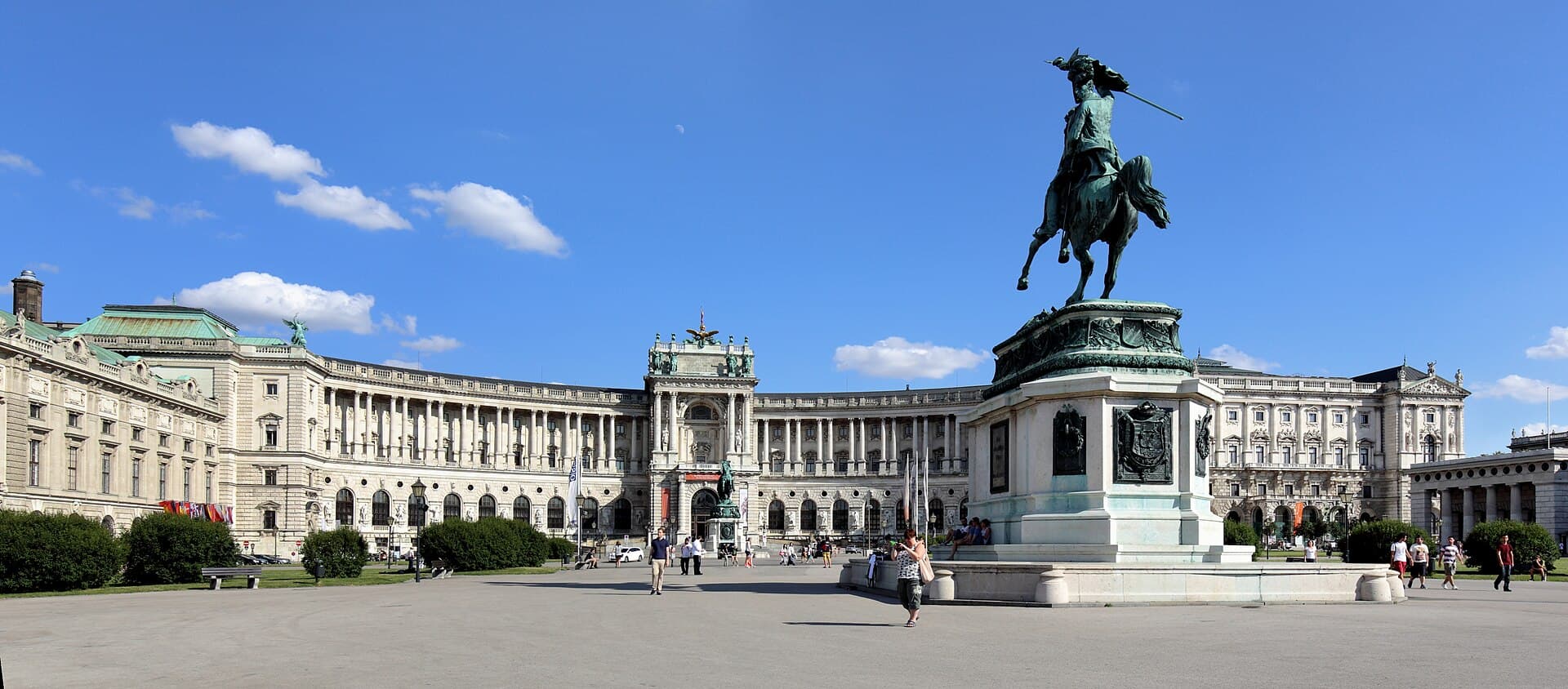 Hofburg PalaceThe Habsburgs' winter residence in the heart of Vienna — not one building but a 1 minute walk4.6
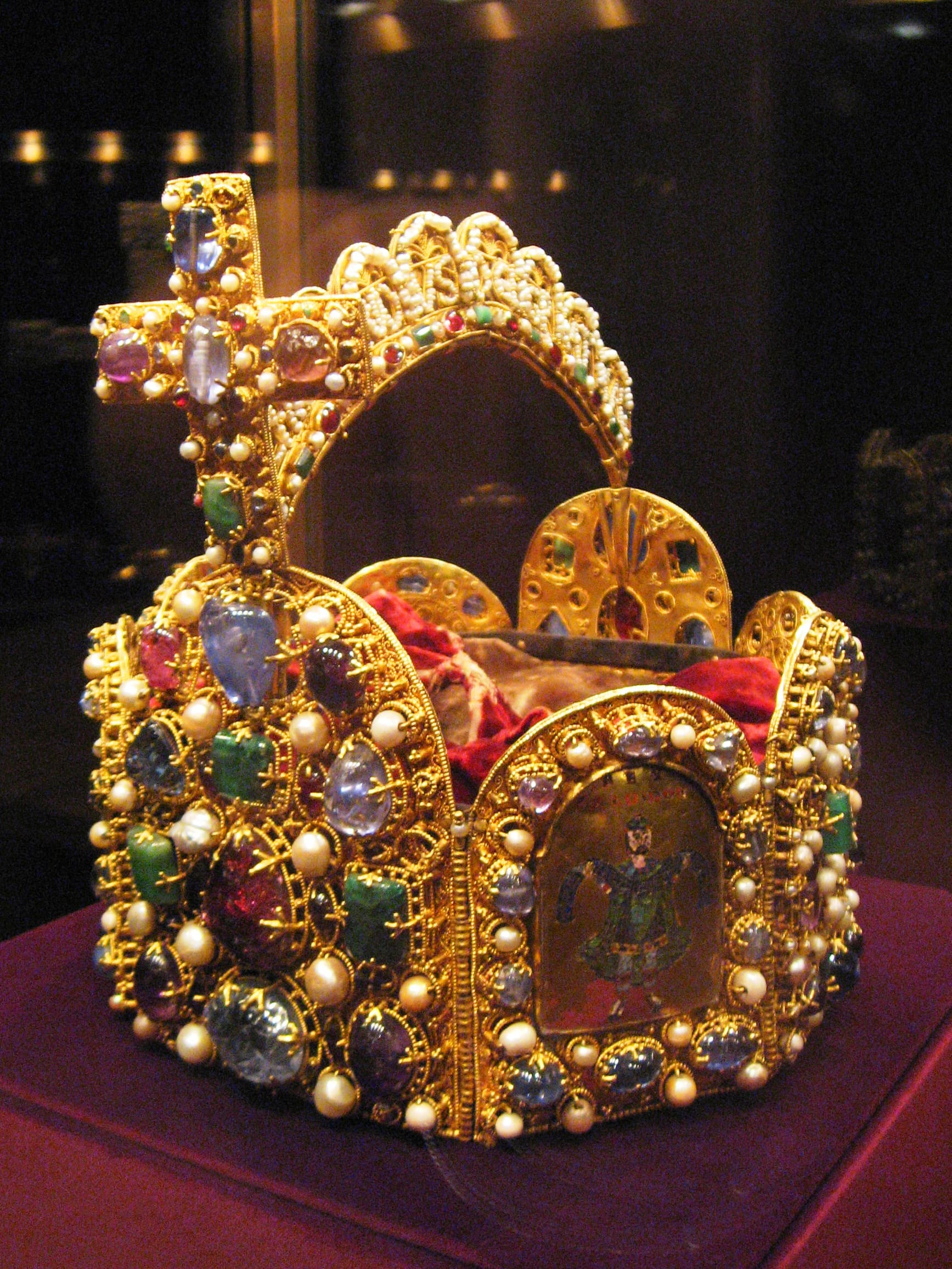 Imperial TreasuryEurope's most important treasury, hidden in the oldest part of the Hofburg: dim 1 minute walk4.5
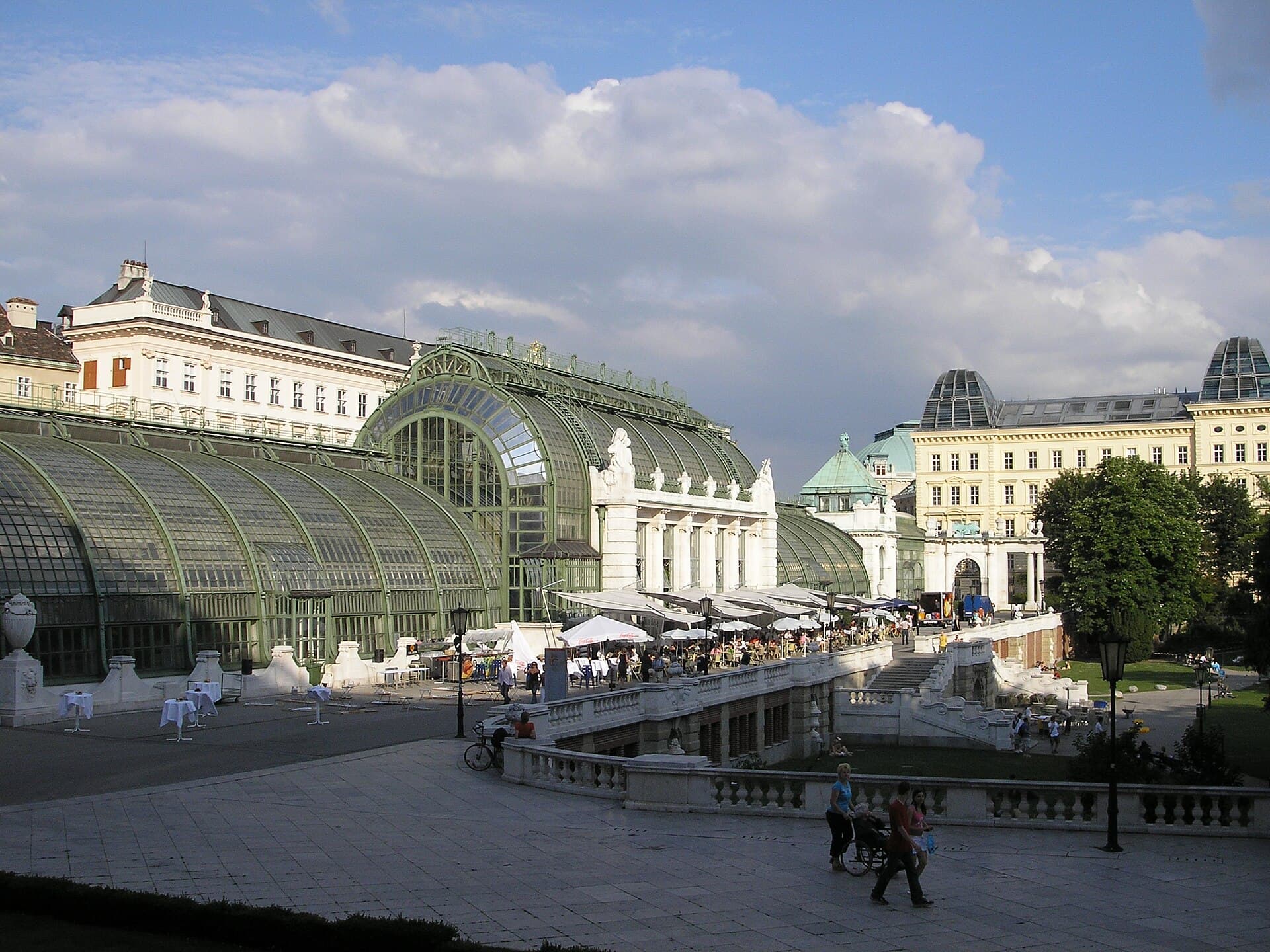 SchmetterlinghausAn art nouveau glasshouse built in 1901 in the palace garden, and among Europe's1 minute walk4.3
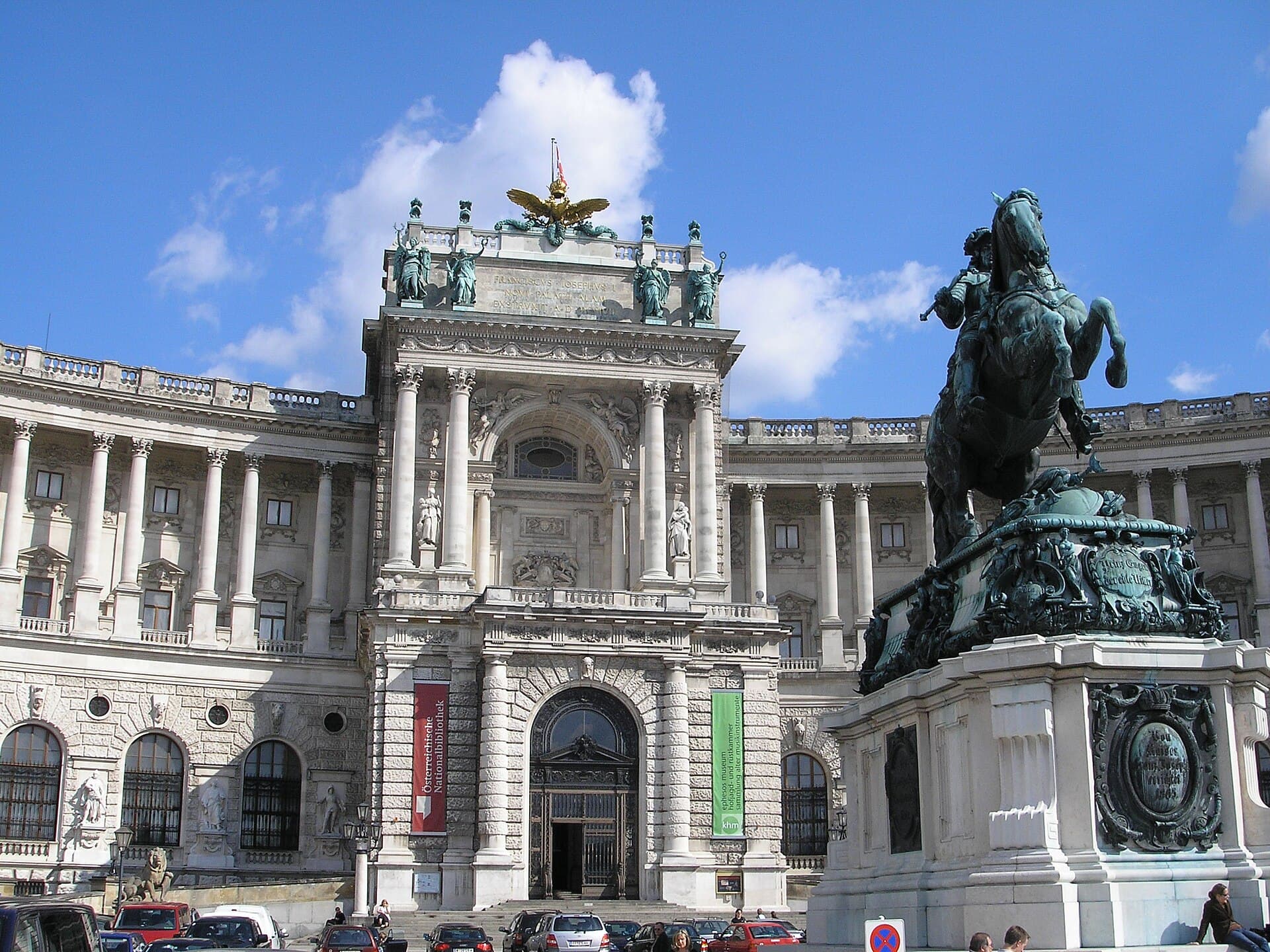 Ephesos MuseumA small museum inside the Hofburg's Neue Burg showing what Austrian expeditions 1 minute walk4.5
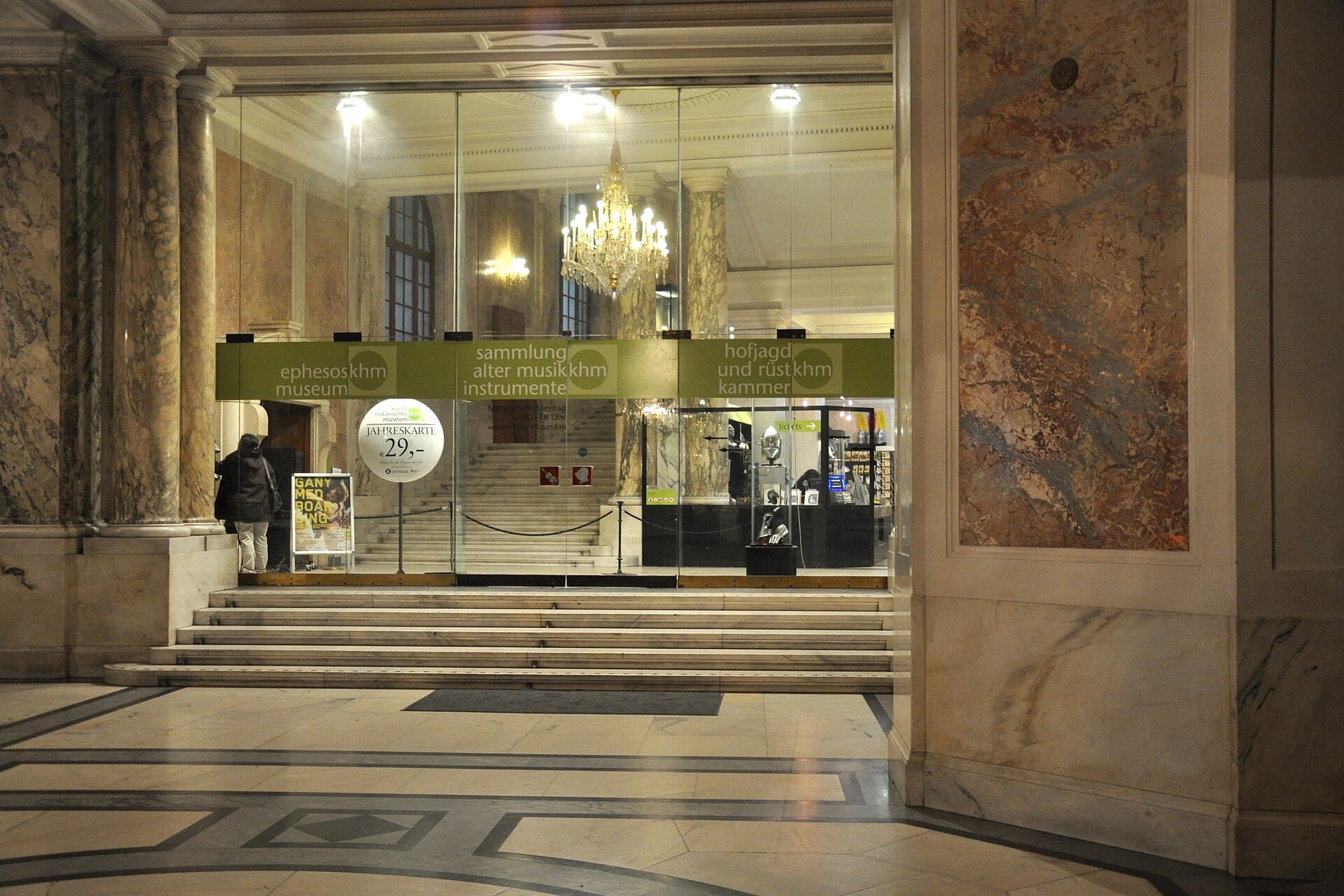 Collection of Historic Musical InstrumentsOne of the world's most important collections of historic musical instruments, i2 minutes walk4.5
Yes if you care about architecture or photography — the hall is genuinely exceptional. If you measure rooms per euro, it may not convince you.
No. The books sit behind barriers and the hall is a museum, not a working library. Reading and research happen in other parts of the building closed to visitors.