
The Ottoman mihrab
A prayer niche carved into the wall from the building's time as a mosque, left in place — a rare survival inside a working church.
Fortepan/Nagy Gyula adományozó — CC BY-SA 3.0 · Bjoertvedt — CC BY-SA 4.0 · Bjoertvedt — CC BY-SA 4.0 · Pasztilla aka Attila Terbócs — CC BY-SA 4.0
The Inner City Parish Church is the oldest building in Pest, wedged between Elisabeth Bridge and the main road in a way that leads many people to walk past without noticing it. But what is inside makes it one of the historically most important buildings in Budapest. It was built in the 12th century over the foundations of an earlier church, and before that the site held a Roman fort called Contra-Aquincum. It was rebuilt in Gothic in the 14th century, then — as happened to Matthias Church — converted by the Ottomans into a mosque after the fall of Buda, then returned to Christian use, then given a Baroque front in the 18th century. The evidence of that Ottoman period is still in the wall: a mihrab carved into the stone, left in place rather than removed, and visible today inside the church to the right of the altar. It is among the rarest surviving Ottoman remains in Pest, and its presence inside a working church is a detail with few parallels in Europe. The church gathers layers in its walls: Roman stone, Gothic arches, an Ottoman mihrab, Baroque ornament and modern restoration — the whole history of Budapest in one building.
A prayer niche carved into the wall from the building's time as a mosque, left in place — a rare survival inside a working church.
Roman foundations of the Contra-Aquincum fort beneath the church — the oldest known construction in Pest.
The 14th-century sanctuary and choir still stand behind the Baroque front — two layers in one building.
It stands at the Elisabeth Bridge end with the Danube and Gellért Hill behind — a shot combining church, bridge and hill.
Március 15. tér, at the Elisabeth Bridge end, Pest 1056
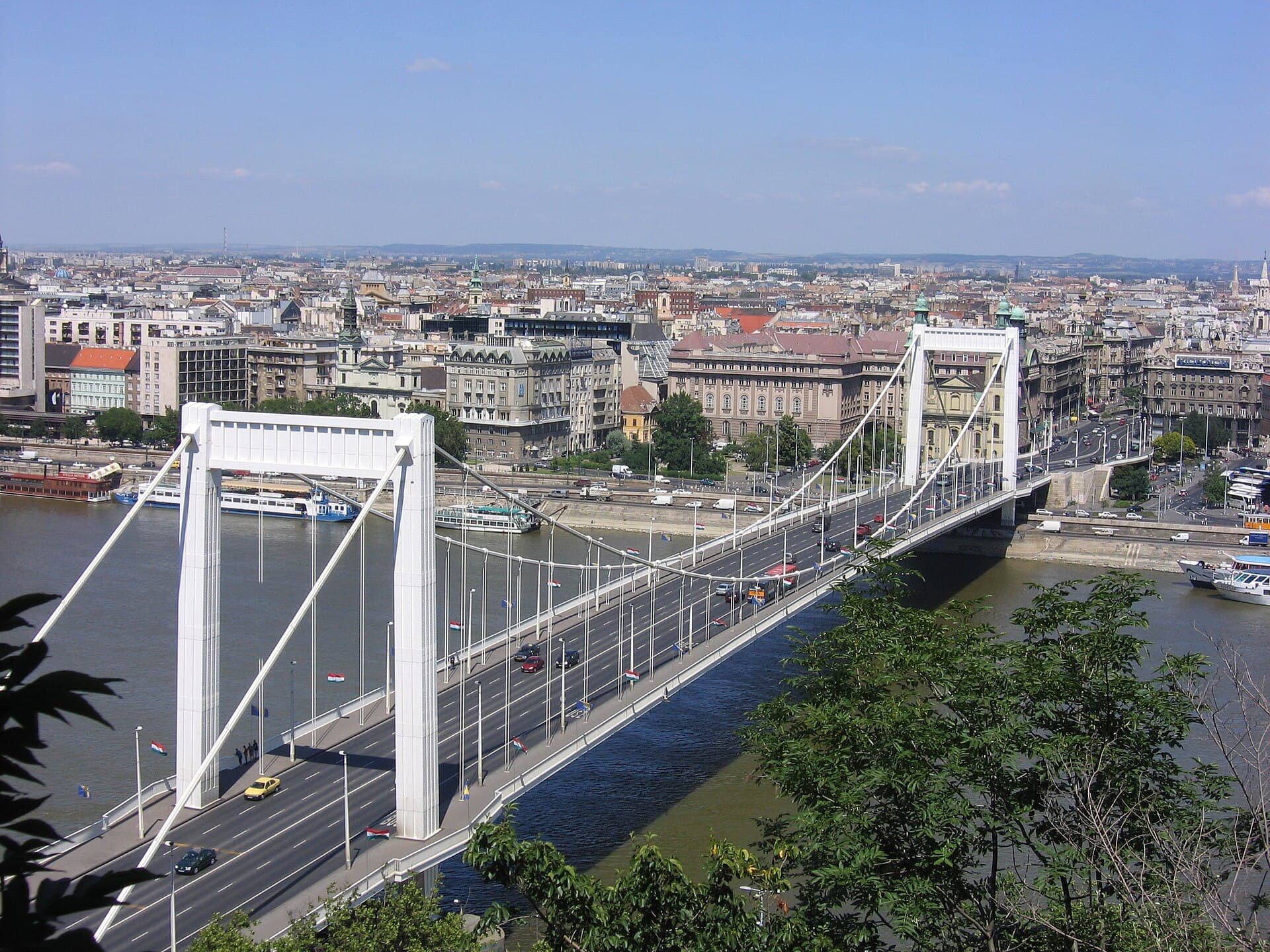 Elisabeth BridgeElisabeth Bridge is the slim white crossing between the Chain Bridge and Liberty3 minutes walk4.7
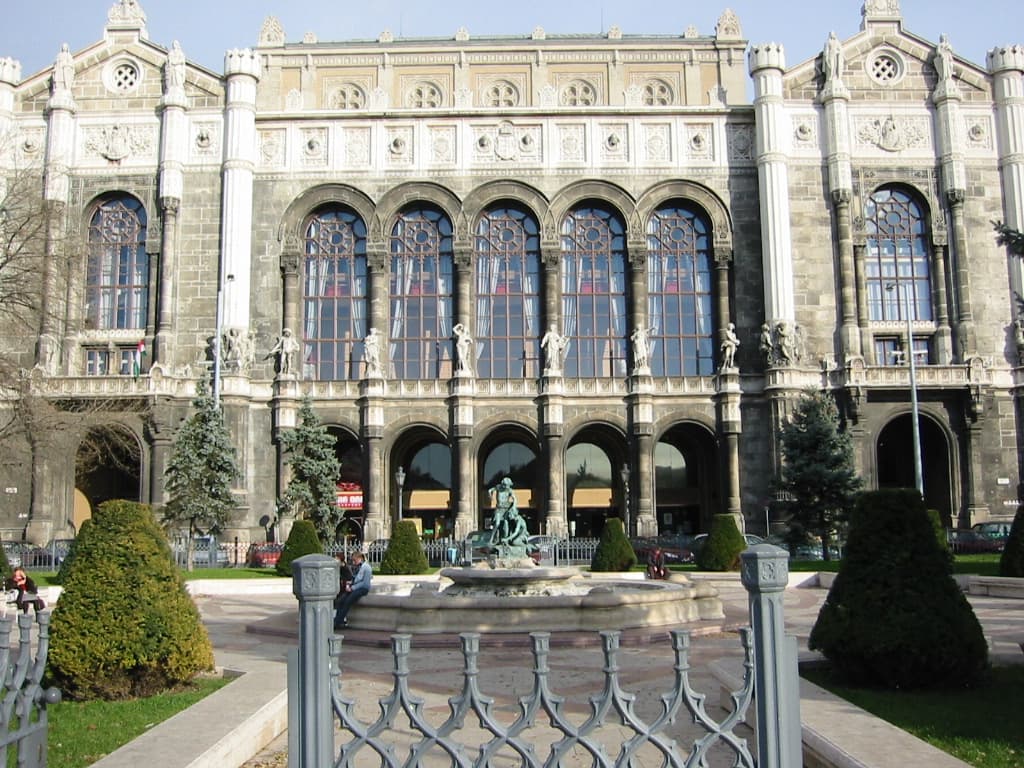 Vigadó SquareA square on the Danube bank on the Pest side, along the Corso — the riverside pr6 minutes walk4.5
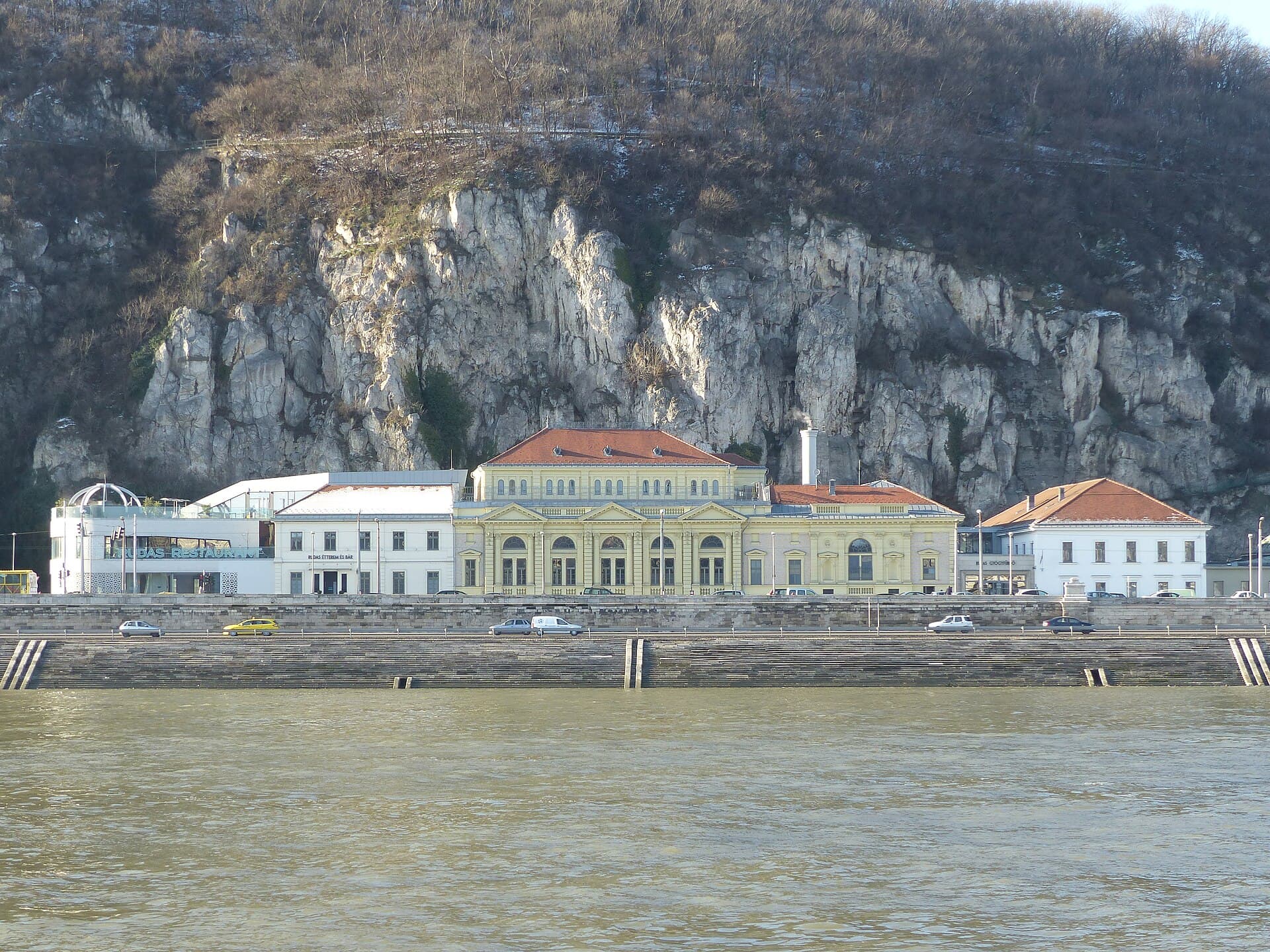 Rudas Thermal Bath and Swimming PoolThe Rudas Baths are the oldest and most historically authentic of Budapest's bat6 minutes walk4.4
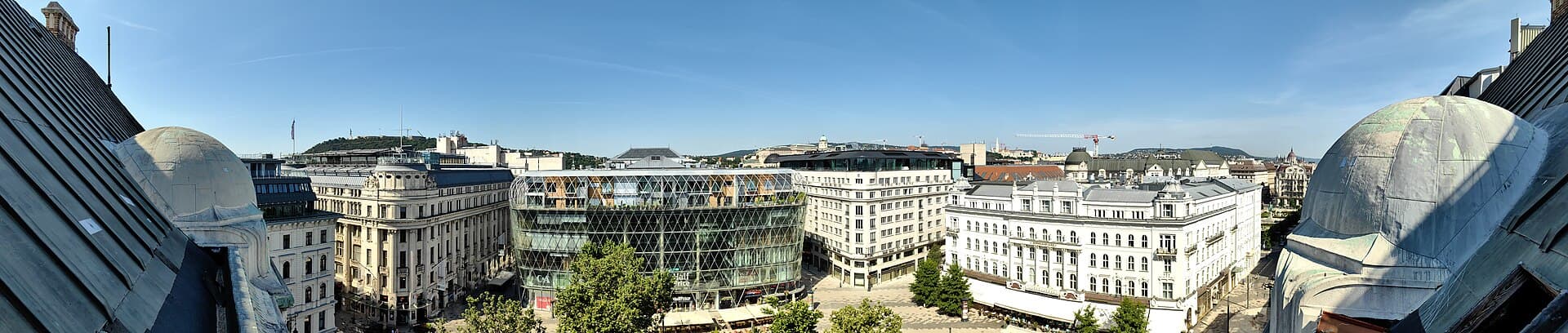 Vörösmarty térVörösmarty Square is the commercial heart of Pest and the meeting point everyone6 minutes walk4.5
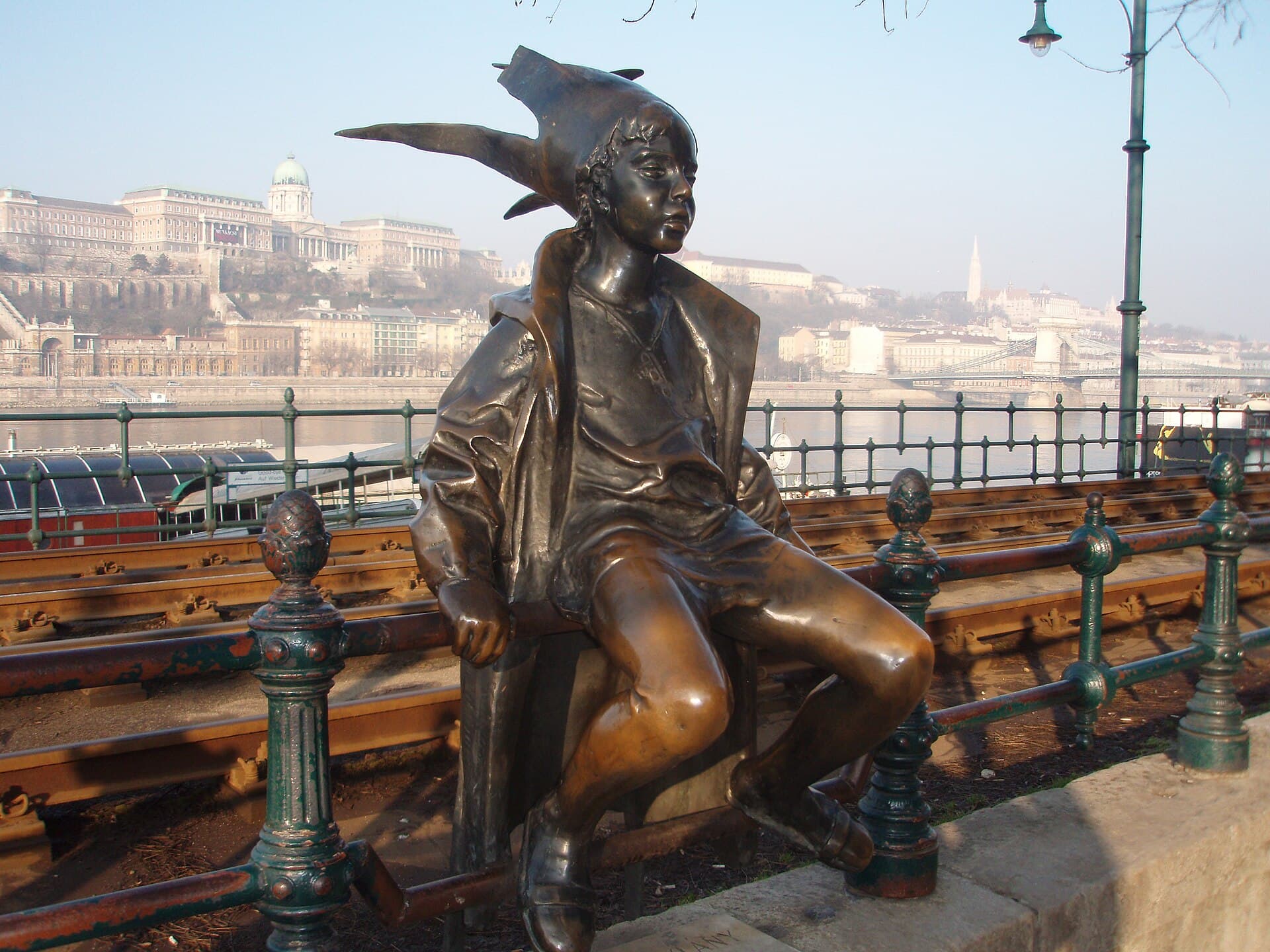 Little Princess StatueThe Little Princess is a small bronze of a girl sitting on the promenade railing6 minutes walk4.5
Inside the church to the right of the high altar, cut into the stone wall as an arched niche with simple ornament. A small plaque usually marks it. Ask if you cannot find it — some visitors pass it without recognising it.
After Buda and Pest were retaken from the Ottomans most mosque traces were erased, but this niche survived — probably plastered over and forgotten, then found again during restoration. Today it is displayed deliberately, as evidence of the building's layers.
Yes, particularly for an Arab or Muslim visitor: this, the Rudas baths and Gül Baba's tomb are the three surviving Ottoman traces in Budapest, and the mihrab here is the least known and easiest to miss. Half an hour, and free.
Elisabeth Bridge is directly outside, Váci utca and Vörösmarty Square lie north, and the Great Market Hall south — all within a ten-minute walk in central Pest.