
The December Christmas market
Wooden stalls, food, crafts and lights filling the square — Hungary's best-known market, worth shifting trip dates for.
Random photos 1989 — CC BY-SA 4.0 · FOTO:Fortepan — ID 53015: Adományozó/Donor: Szabó Lóránt. — CC BY-SA 3.0 · FOTO:Fortepan — ID 53014: Adományozó/Donor: Szabó Lóránt. — CC BY-SA 3.0 · FOTO:Fortepan — ID 53016: Adományozó/Donor: Szabó Lóránt. archive copy at the Wayback Machine — CC BY-SA 3.0
Vörösmarty Square is the commercial heart of Pest and the meeting point everyone knows: a broad pedestrian square at the end of Váci utca, ringed by cafés and shops, with a marble statue at its centre of the poet Mihály Vörösmarty, author of the "Szózat", regarded as Hungary's second national anthem. At its northern end is Vörösmarty tér station, the terminus of the yellow M1 — the first underground line in continental Europe. Going down into it is an experience in itself: a shallow station in restored wood and original tiling. The square also holds Gerbeaud, one of Budapest's most famous historic cafés, opened in the 19th century with an interior of marble and carved wood. Its prices are frankly touristic, but sitting there once is worth it for anyone interested in the great cafés of central Europe. For most of the year the square is a thoroughfare with cafés rather than a destination. But in December it becomes Hungary's best-known Christmas market: wooden stalls, food, crafts and lighting filling the whole square — and then it is among the loveliest things in Budapest.
Wooden stalls, food, crafts and lights filling the square — Hungary's best-known market, worth shifting trip dates for.
A shallow station in wood and original 1896 tiling — the oldest underground in continental Europe.
A 19th-century café in marble and carved wood — touristic prices, but the interior is worth seeing.
A marble monument to the poet of the "Szózat", the poem Hungarians treat as a second national anthem.
Vörösmarty tér, central Pest 1051
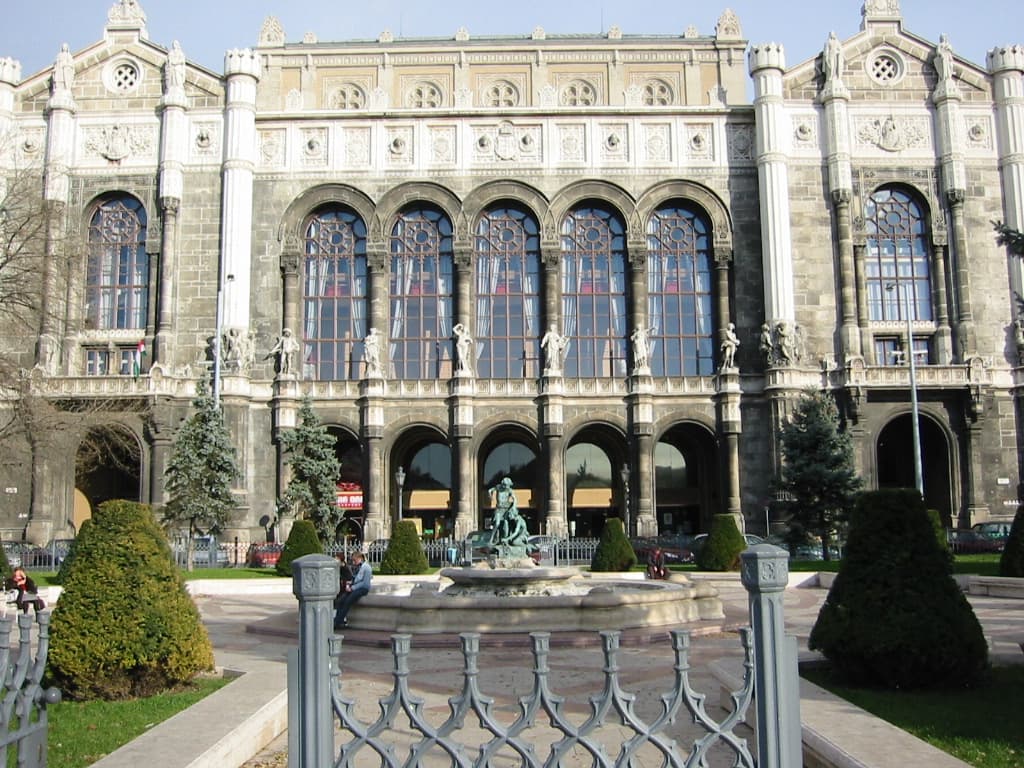 Vigadó SquareA square on the Danube bank on the Pest side, along the Corso — the riverside pr1 minute walk4.5
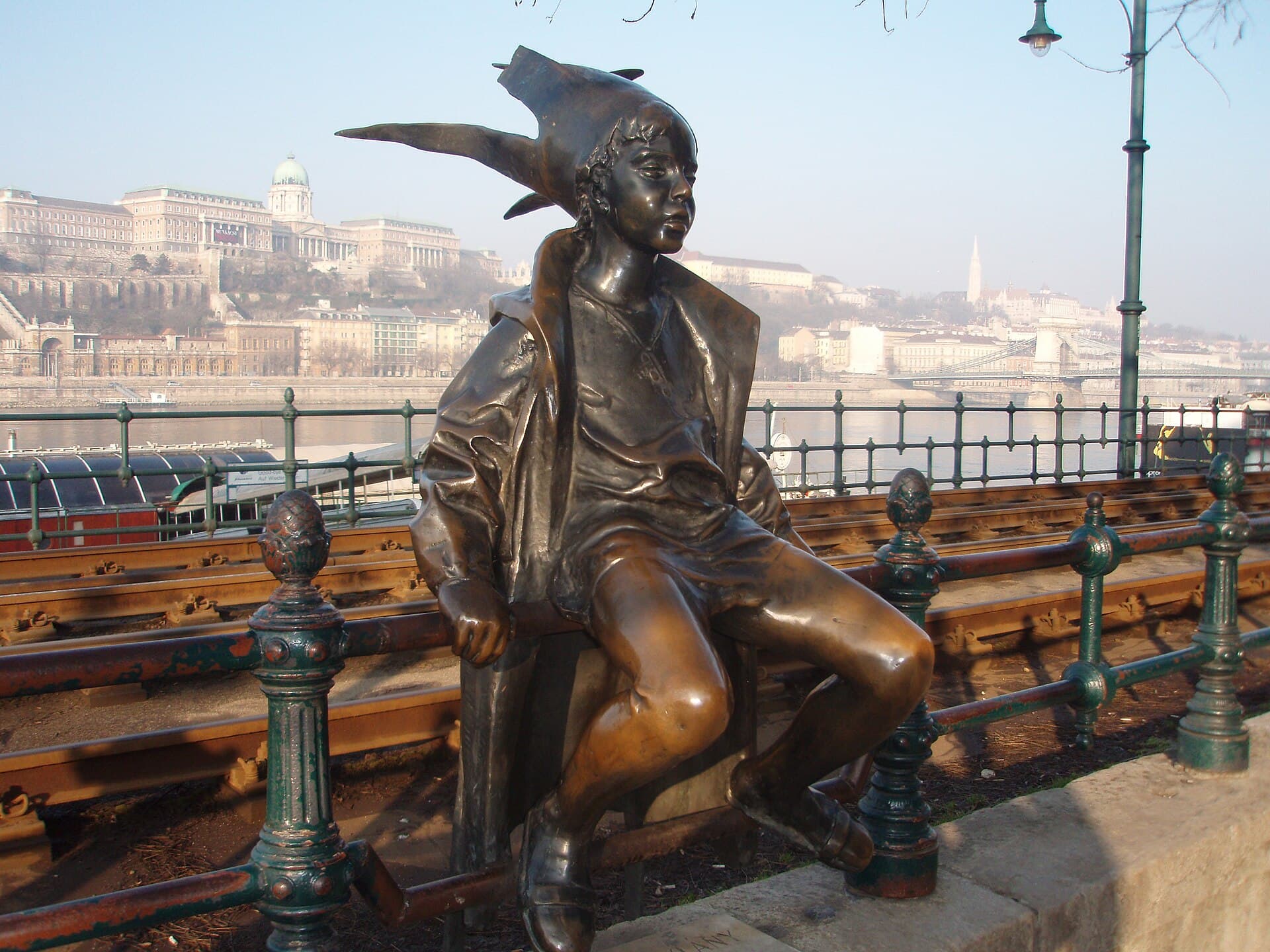 Little Princess StatueThe Little Princess is a small bronze of a girl sitting on the promenade railing2 minutes walk4.5
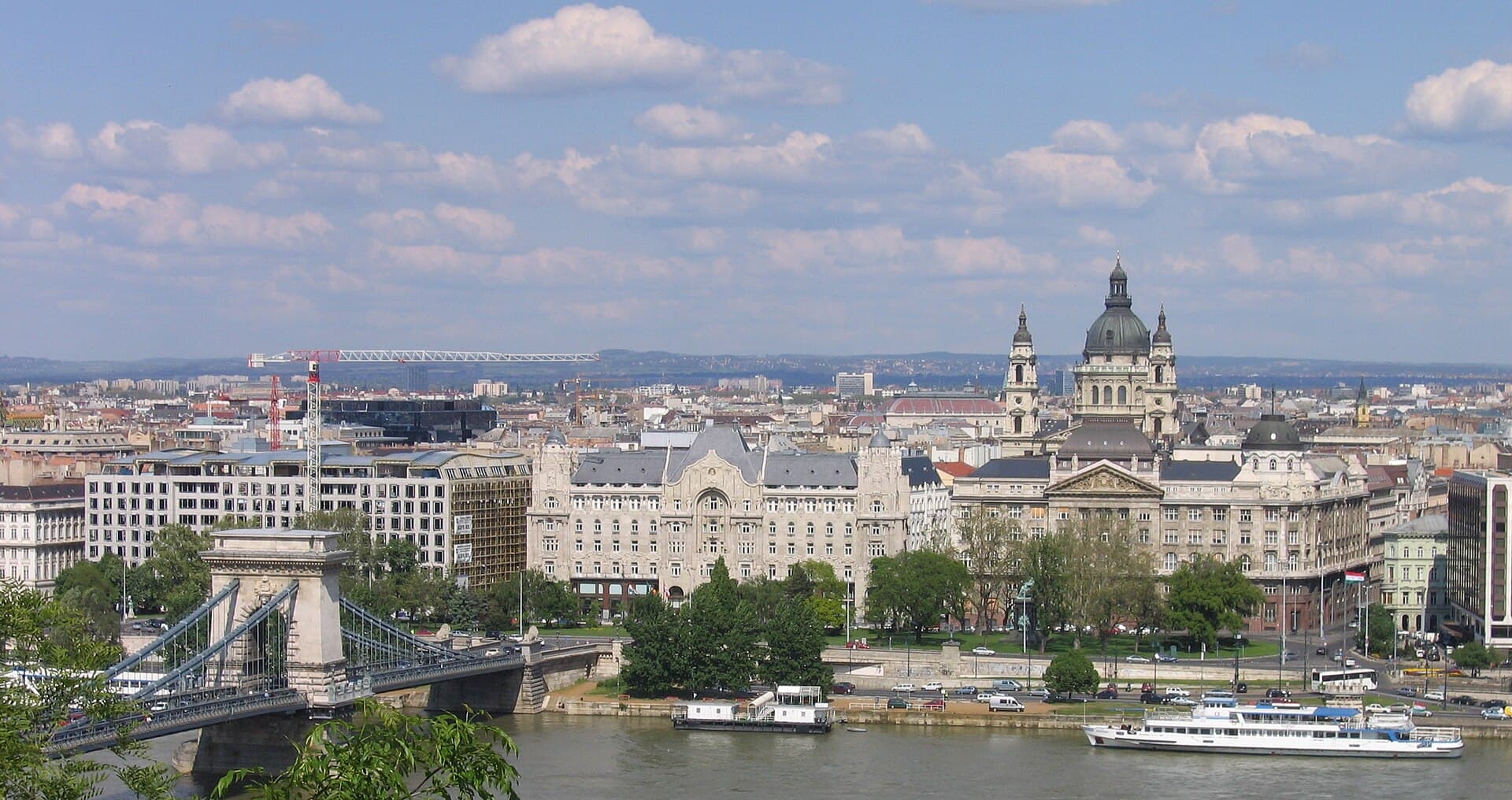 Széchenyi István SquareSzéchenyi István Square is the open space at the Pest end of the Chain Bridge, t5 minutes walk4.4
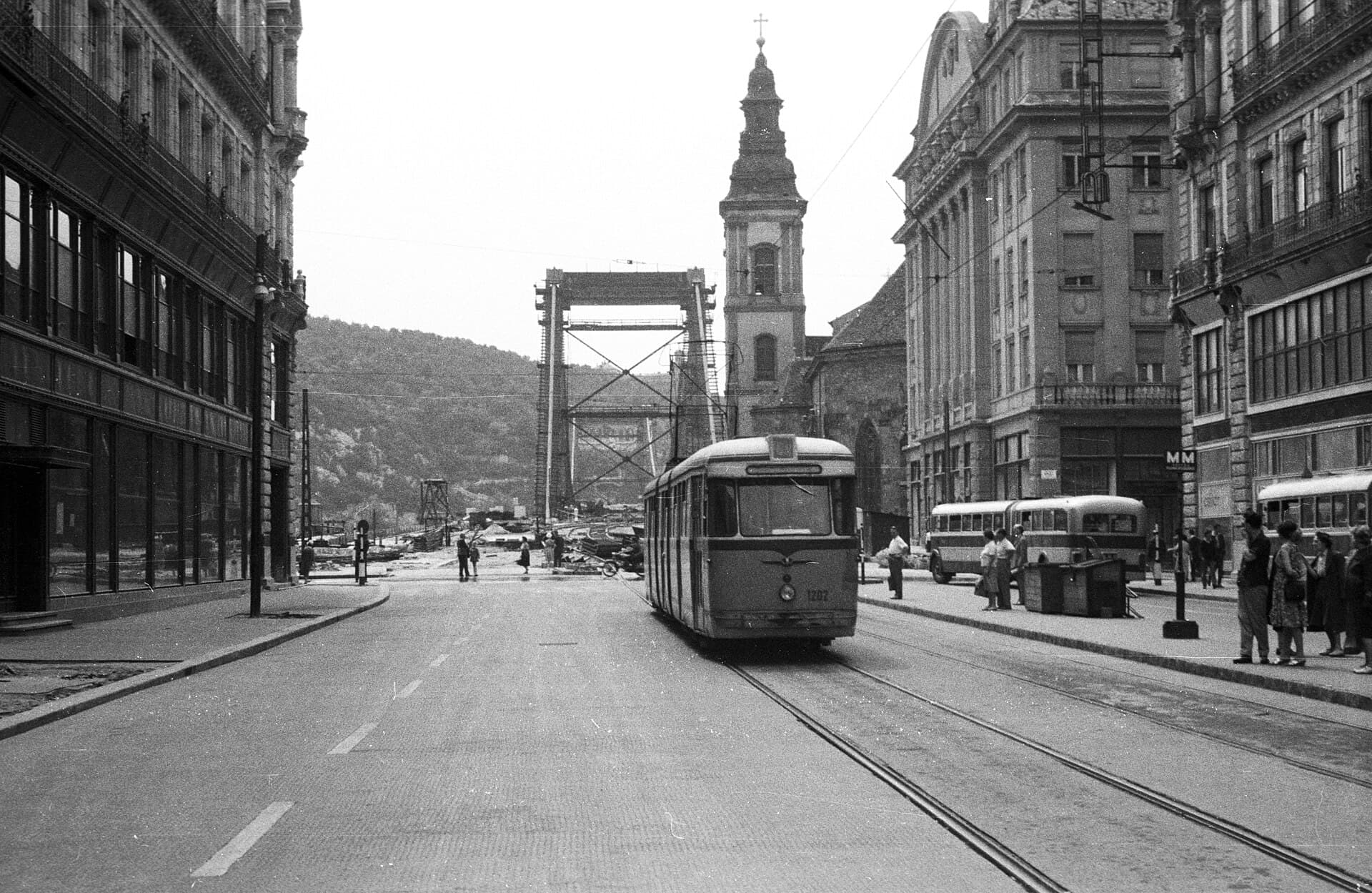 Inner City Parish ChurchThe Inner City Parish Church is the oldest building in Pest, wedged between Elis6 minutes walk4.5
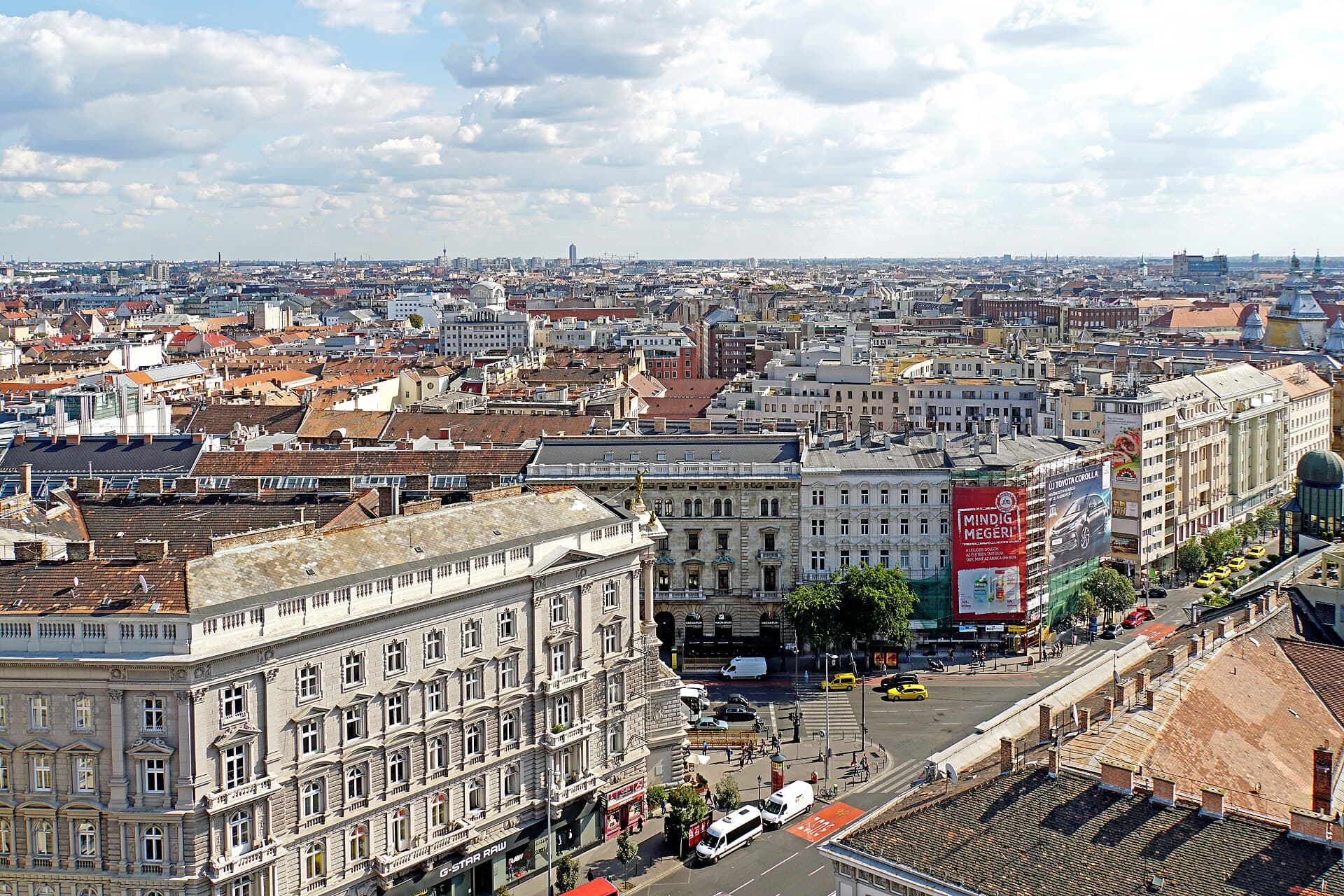 St. Stephen's BasilicaSt Stephen's Basilica is the largest church in Budapest and the most recognisabl7 minutes walk4.6
As a destination in itself, no. But it is a practical meeting point, an important metro station and the start of Váci utca, so you will pass through it anyway. In December the story changes entirely and it becomes one of the city's main draws.
For walking, yes; for shopping, no. It is pedestrianised and links the square to the Great Market Hall in ten minutes, but its shops are touristic and expensive. Walk it as a route rather than a shopping destination.
Move a street or two east towards Október 6 utca or the St Stephen's Basilica area: prices drop and quality improves. Middle Eastern halal options cluster around Király utca and District VII, ten minutes' walk away.
Széchenyi István Square and the Chain Bridge are five minutes west, St Stephen's Basilica seven minutes north, and Andrássy Avenue begins nearby — the square is the hinge of central Pest.