
The tribunal hall
A raised seat for the inquisitor, a low one for the accused.
Mandyy88 — CC BY-SA 4.0 · Berthold Werner — CC BY-SA 3.0 · Frank Vincentz — CC BY-SA 3.0 · Mandyy88 — CC BY-SA 4.0
One of the few surviving inquisitorial palaces in the world and the only one open to the public: built in Birgu in 1530 as a civil courthouse, it became from 1574 the seat of the Pope's inquisitors in Malta — sixty-two of them in succession, two of whom later became popes. The visit walks the route the accused walked: the tribunal hall with the inquisitor's raised seat and the deliberately low seat for the accused, the interrogation rooms, and the cells below with inscriptions prisoners cut into the walls — instruments of torture displayed alongside panels explaining how canon law restricted their use. The display does not settle for horror: a large section covers daily life in early modern Malta and what people were actually tried for — witchcraft, superstition and breaking the fast far more often than doctrinal heresy. The building itself, with its two courtyards and stairs, is among the finest things in Birgu.
A raised seat for the inquisitor, a low one for the accused.
What prisoners cut into the walls.
Main Gate Street, Birgu
 Birgu (Vittoriosa)The oldest of the Three Cities facing Valletta across the Grand Harbour, and the1 minute walk4.9
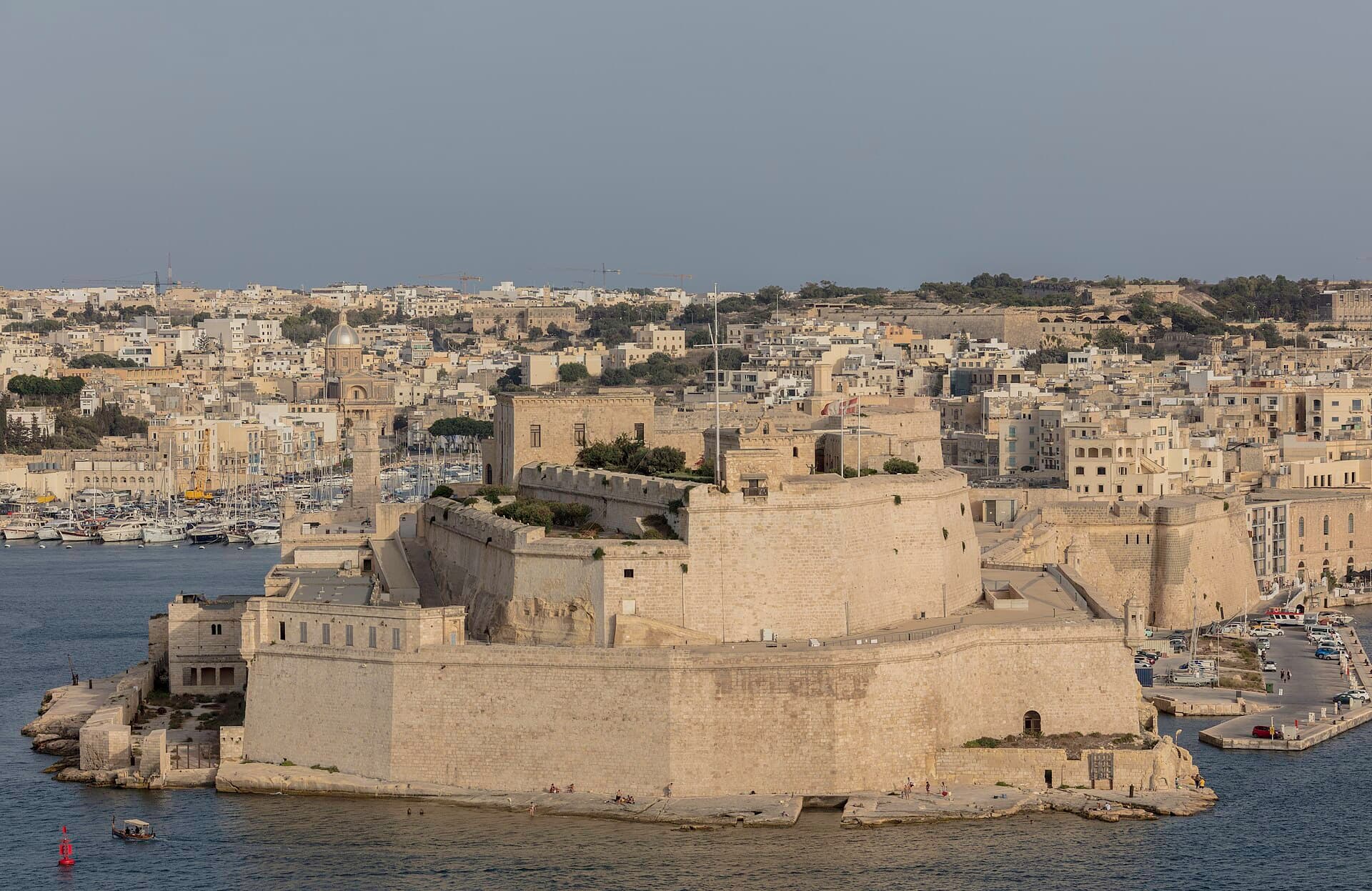 Fort St AngeloThe fort that held through the Great Siege, and from which Malta was governed: S9 minutes walk4.5
 The Saluting BatteryA historic artillery battery on a platform below the Upper Barrakka Gardens, loo16 minutes walk4.8
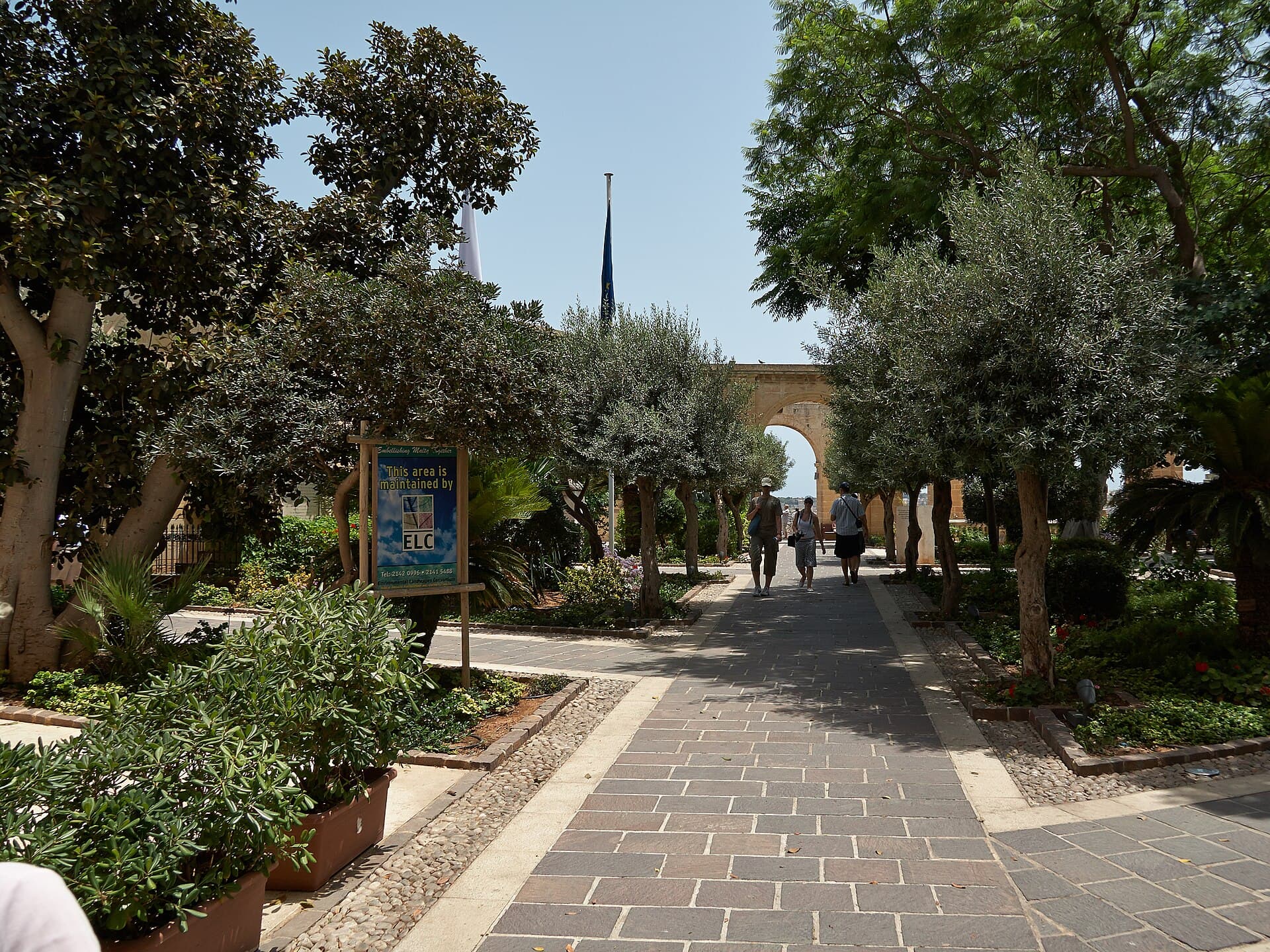 Upper Barrakka GardensMalta's best view, and free: the Upper Barrakka Gardens sit on Valletta's highes16 minutes walk4.6
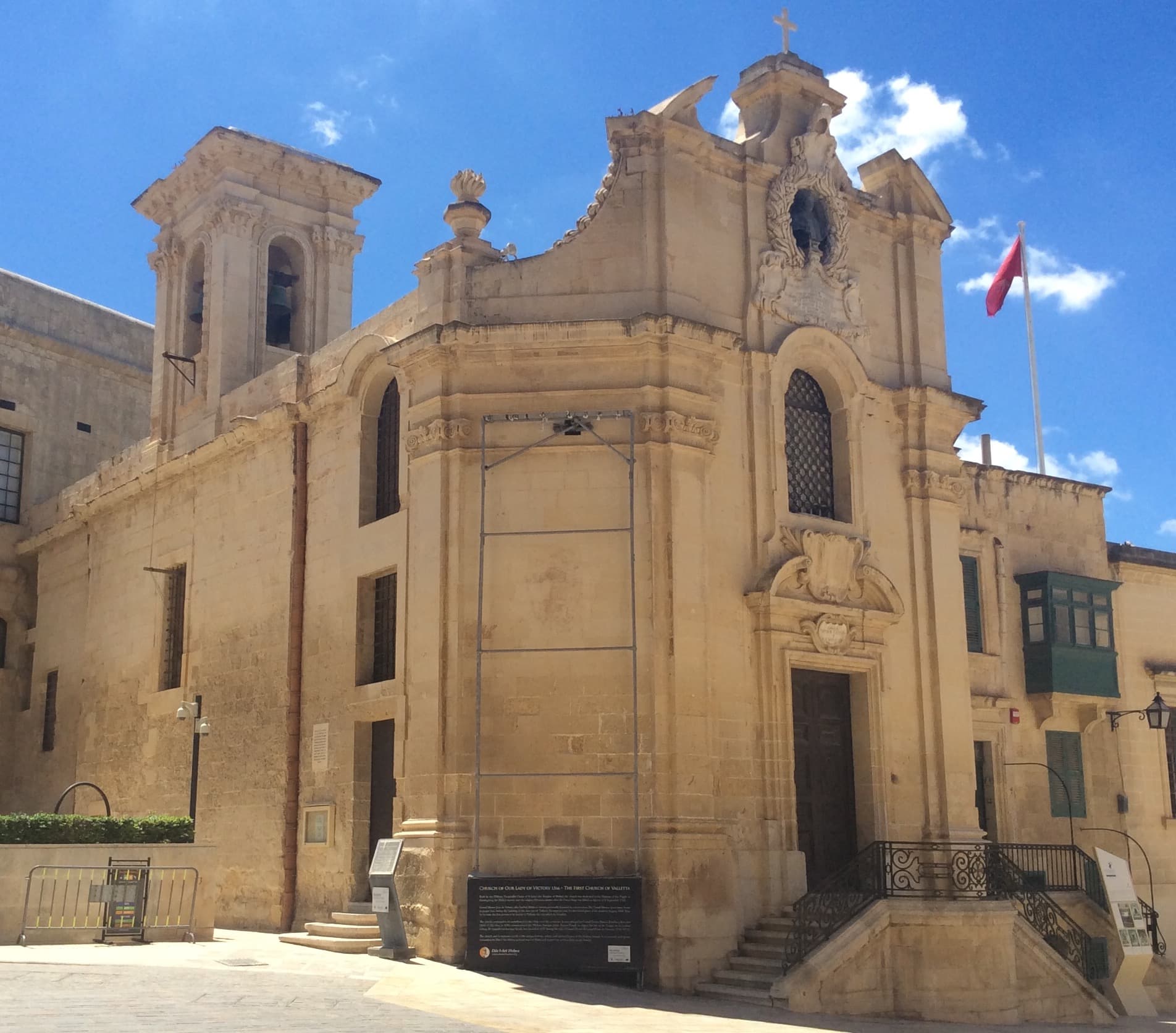 Our Lady of Victories ChurchThe oldest building in Valletta, and the first thing built in it. Its foundation17 minutes walk4.6
Most cases were not doctrinal heresy but everyday practice: magic and charms, eating on fast days, words against the clergy — and punishments were usually public penance or a fine rather than death.