
A time signal for ships
The gun set navigational chronometers before accurate clocks spread.
Oren Rozen — CC BY-SA 4.0 · Diego Delso — CC BY-SA 4.0 · This photo was taken by Anton Zelenov. Please credit this with : Photo : Anton Zelenov in the immediate vicinity of the image. If you use one of my photos, please email me (account needed) or leave me — CC BY-SA 4.0 · Frank Vincentz — CC BY-SA 3.0
A historic artillery battery on a platform below the Upper Barrakka Gardens, looking straight out over the Grand Harbour, whose guns are still fired daily. Its original function was not ceremonial but strictly practical. Before accurate clocks were widespread, ships lying in the harbour needed a common time signal to set their chronometers, the navigational instruments on which finding longitude at sea depended. A gun fired at a fixed hour was that signal. The battery was navigational infrastructure rather than display. It was also used to salute visiting ships and to announce events, and is among the oldest working batteries in the world. Today a gun is fired at noon and another in the afternoon, with a historical explanation beforehand given by a team in period dress. Decisive practical points: arrange your arrival around the firing times — turning up afterwards means seeing static guns. The platform can be seen free of charge from the Upper Barrakka Gardens above, but going down onto the battery itself is ticketed.
The gun set navigational chronometers before accurate clocks spread.
Finding longitude at sea depended on the accuracy of those clocks.
A historical explanation in period dress precedes the shot.
Below the Upper Barrakka Gardens, Valletta
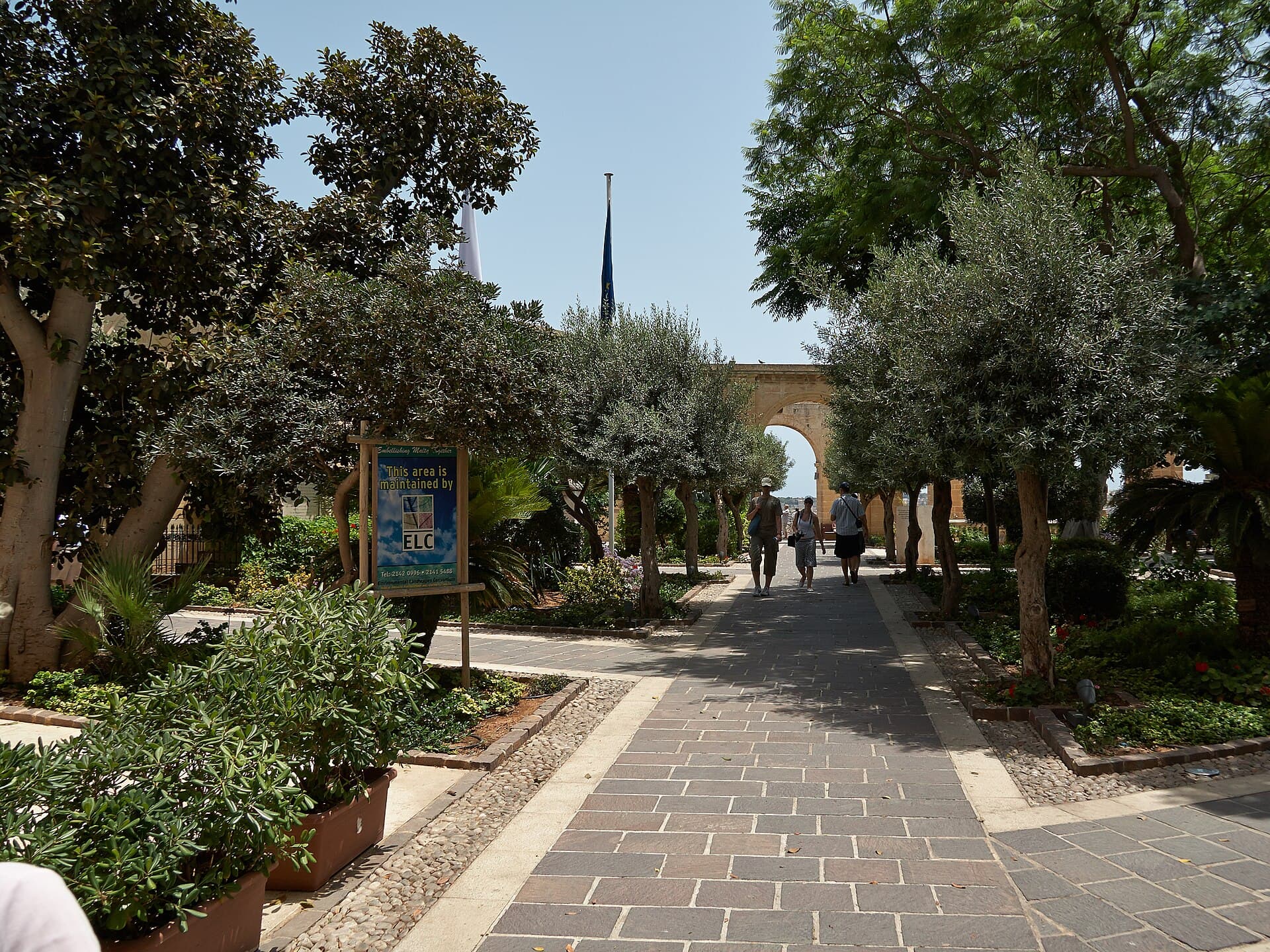 Upper Barrakka GardensMalta's best view, and free: the Upper Barrakka Gardens sit on Valletta's highes1 minute walk4.6
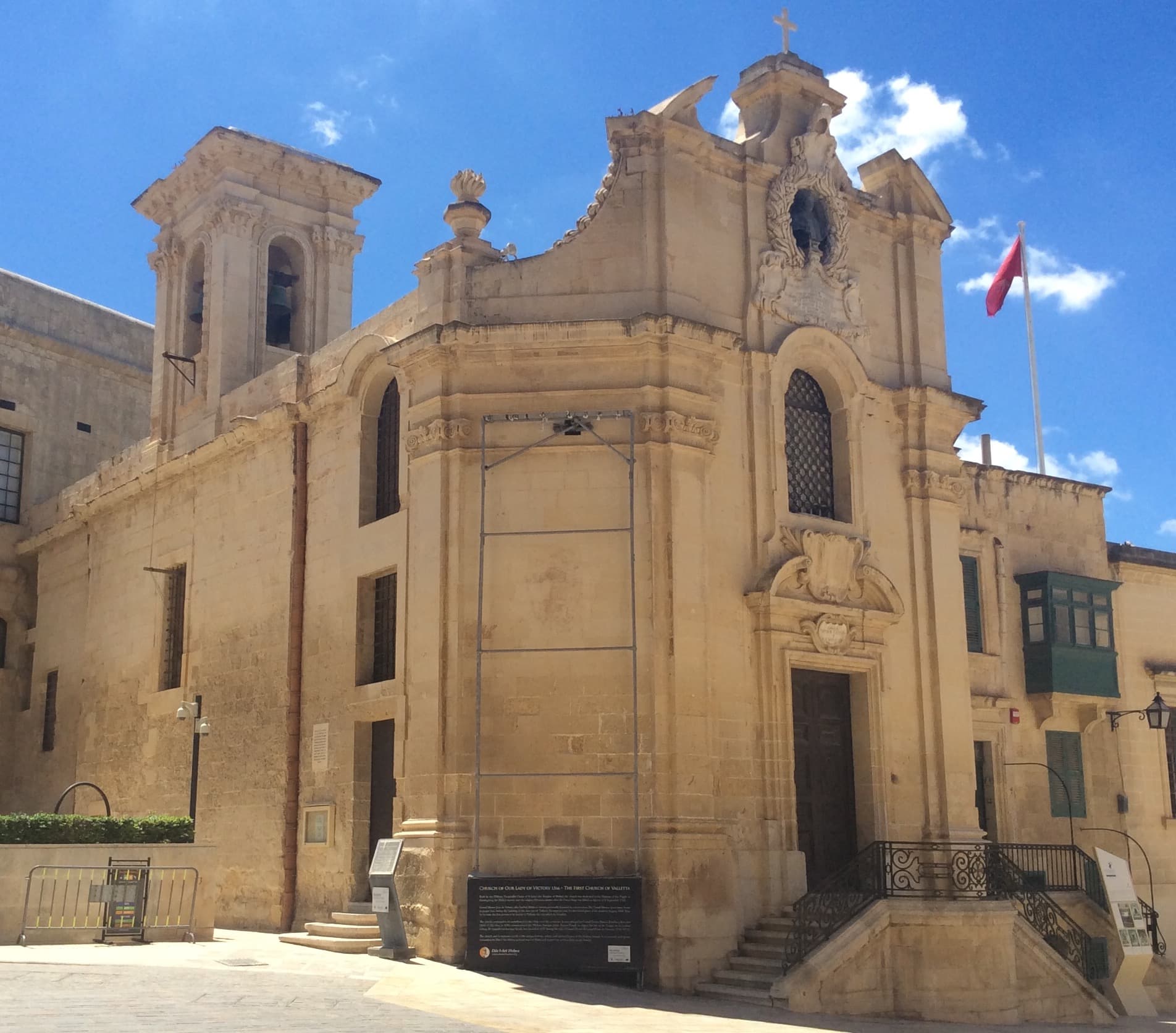 Our Lady of Victories ChurchThe oldest building in Valletta, and the first thing built in it. Its foundation1 minute walk4.6
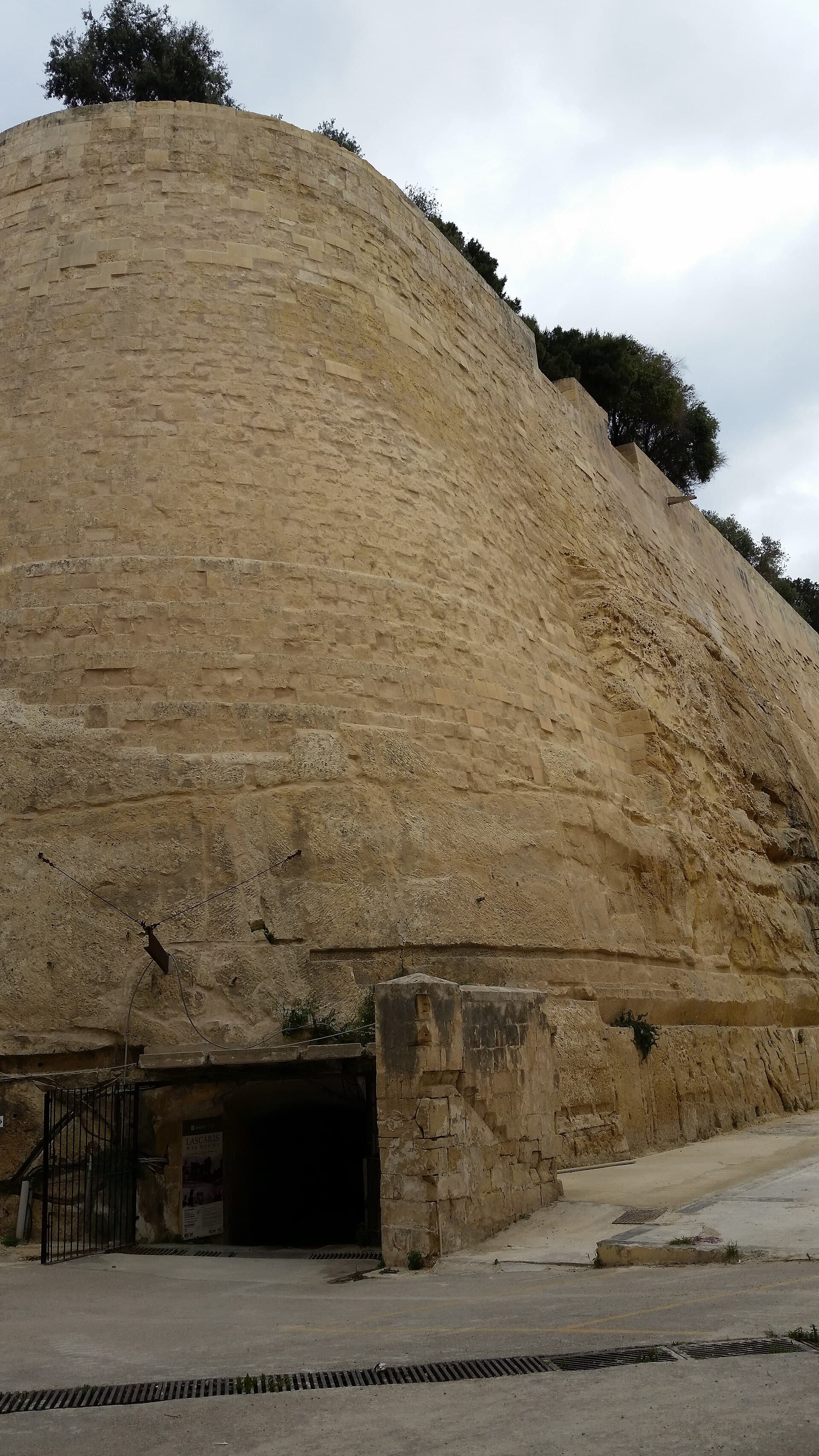 Lascaris War RoomsThe Allied Mediterranean command post beneath Valletta's bastions: a tunnel netw2 minutes walk4.5
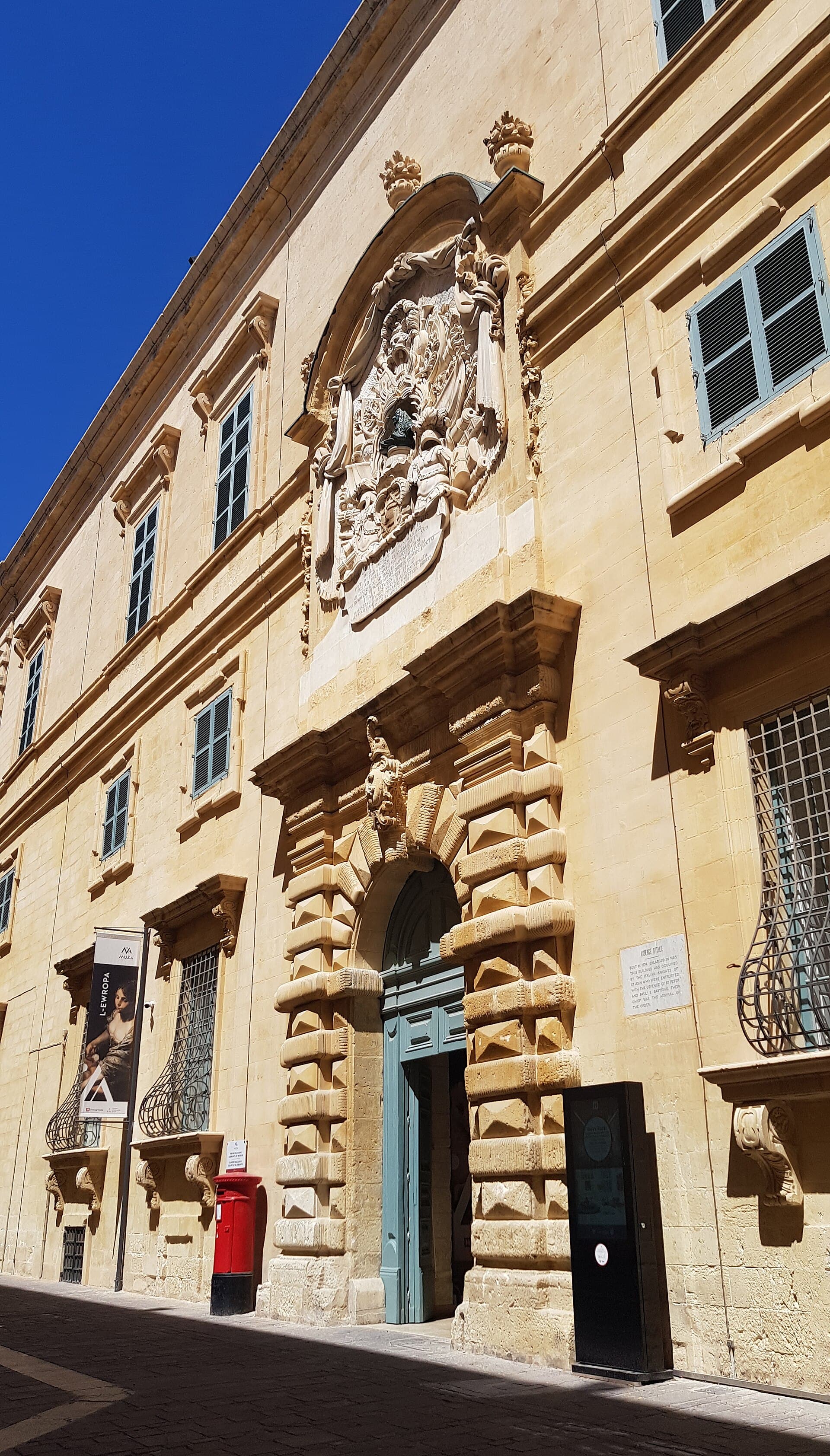 MUŻA National Art MuseumThe national art museum in the Italian knights' auberge: Malta's art museum move3 minutes walk4.3
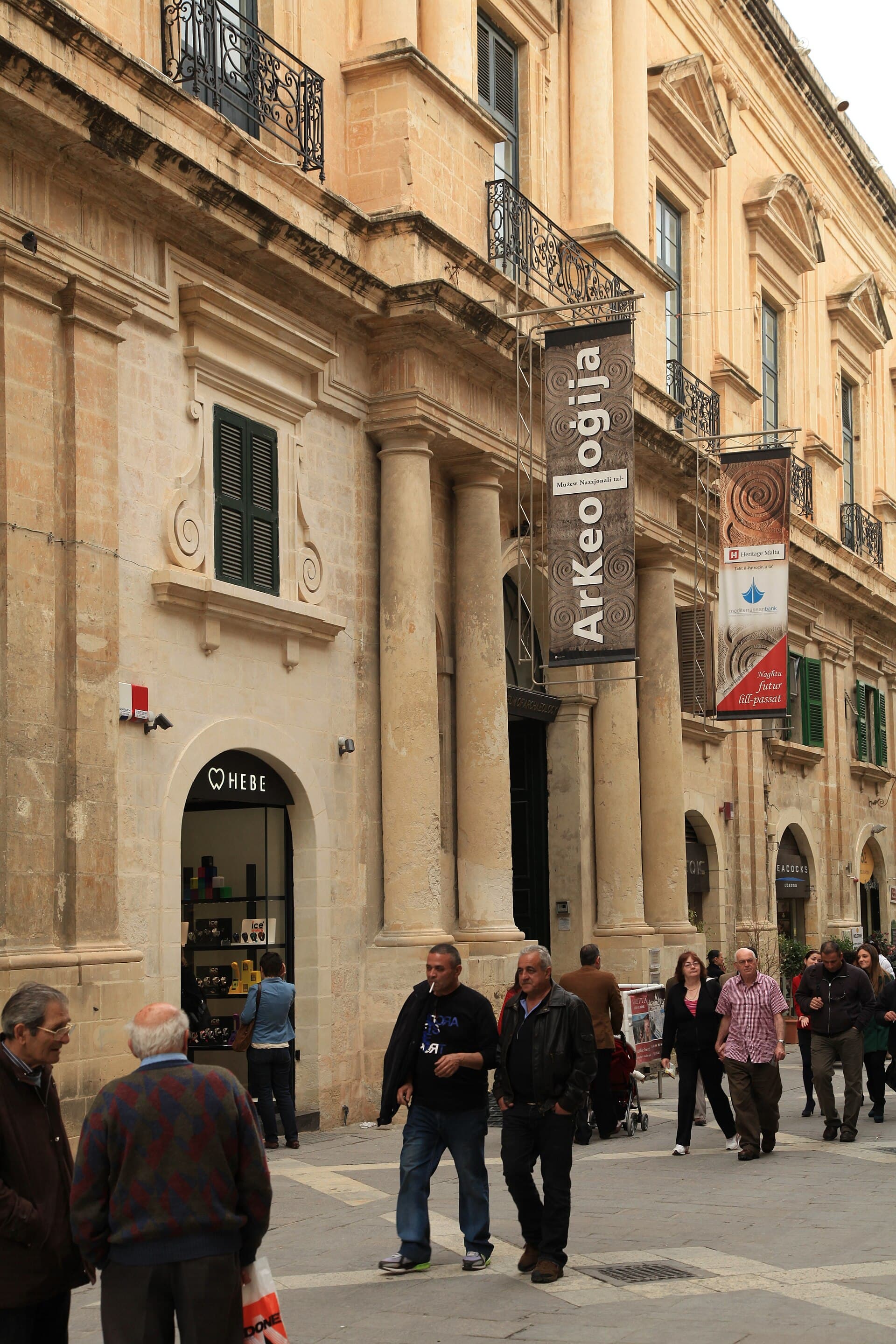 National Museum of ArchaeologyThe world's oldest stone architecture, explained in one hall: the National Museu4 minutes walk4.3
Watching from the Upper Barrakka Gardens is free and gives you the sound, the sight and the harbour behind it, which is enough for many. The ticket puts you on the platform itself among the guns with the explanation close up. If military history interests you, or you have children who enjoy that, go down; otherwise above is enough.
Before radio there was no way to synchronise time between ships. A chronometer is a very precise clock carried by the navigator, and any drift in it translates into an error in position east or west. A gun fired at an exactly known moment let every ship in the harbour set its clock against a single reference before sailing.