
A city built in answer to a siege
Valletta is a direct response to the siege of 1565.
Continentaleurope — CC BY-SA 4.0 · Felix König — CC BY 3.0 · Frank Vincentz — CC BY-SA 3.0 · Frank Vincentz — CC BY-SA 3.0
The oldest building in Valletta, and the first thing built in it. Its foundation stone was laid in 1566 on the same day the city itself was founded, so the church's history is literally the capital's history. The name explains why. One year earlier, in 1565, Malta had withstood the Great Siege: a large Ottoman fleet blockaded the island for four months against a far smaller garrison of the Knights of St John and Maltese defenders. The siege ended with the Ottoman withdrawal, and it was a major European event. The church was built in thanksgiving for that victory — hence its name. The city itself was built for the same reason: the Knights recognised that their old position could not be defended, and planned a new fortified capital on the Sciberras peninsula. Valletta is a direct response to the siege of 1565, and this church is its first stone. Jean de Valette, the Grand Master who led the defence and gave the city its name, was buried in this church before his remains were later moved to St John's Co-Cathedral. Practical points: entry is normally free or by donation, and hours are limited and may be mornings only. The church is small and the visit short. Modest dress is required.
Valletta is a direct response to the siege of 1565.
A small garrison held against a large Ottoman fleet — a major European event.
The Grand Master who led the defence was buried here before being moved.
Near Castille Square, Valletta
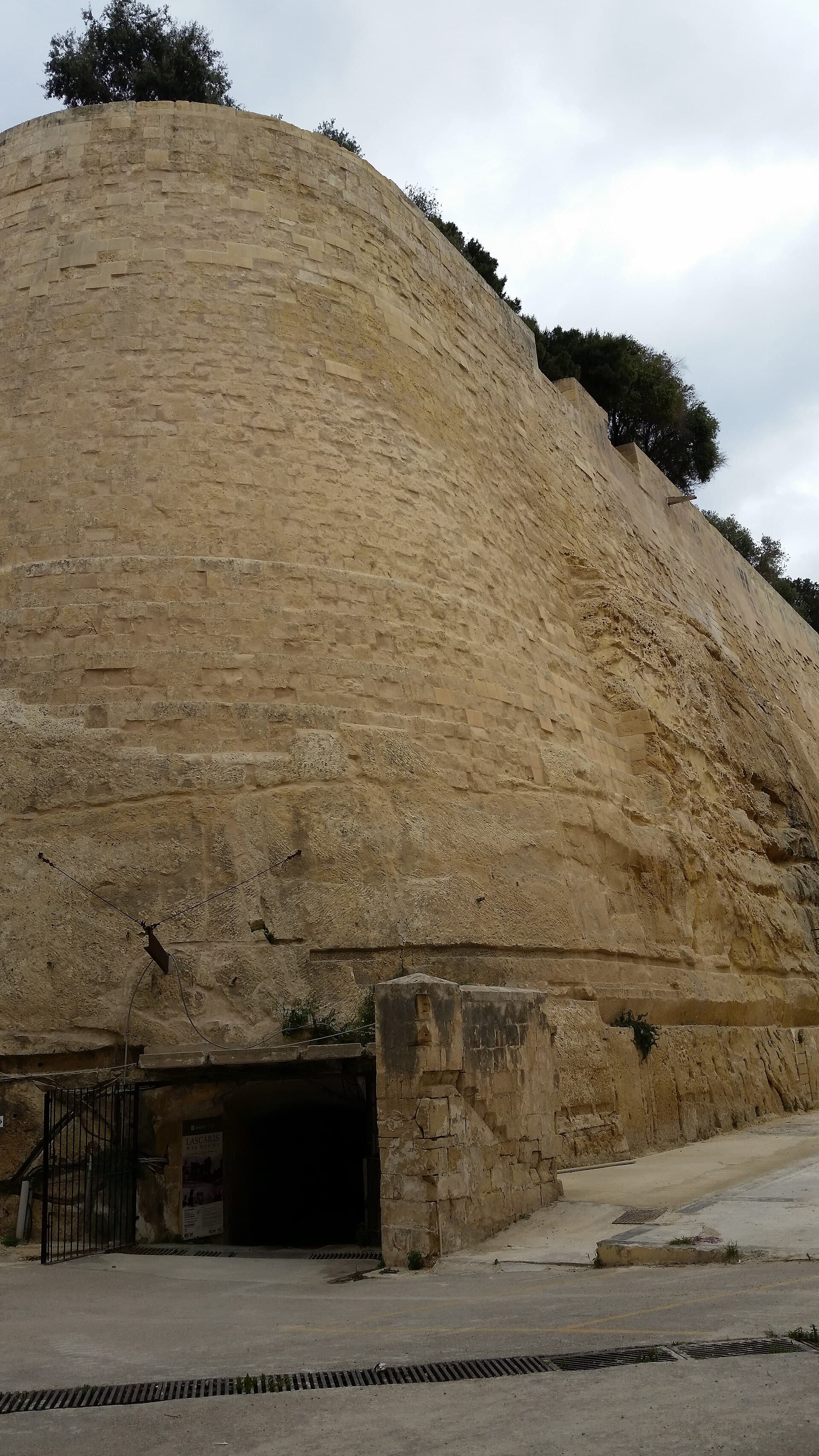 Lascaris War RoomsThe Allied Mediterranean command post beneath Valletta's bastions: a tunnel netw1 minute walk4.5
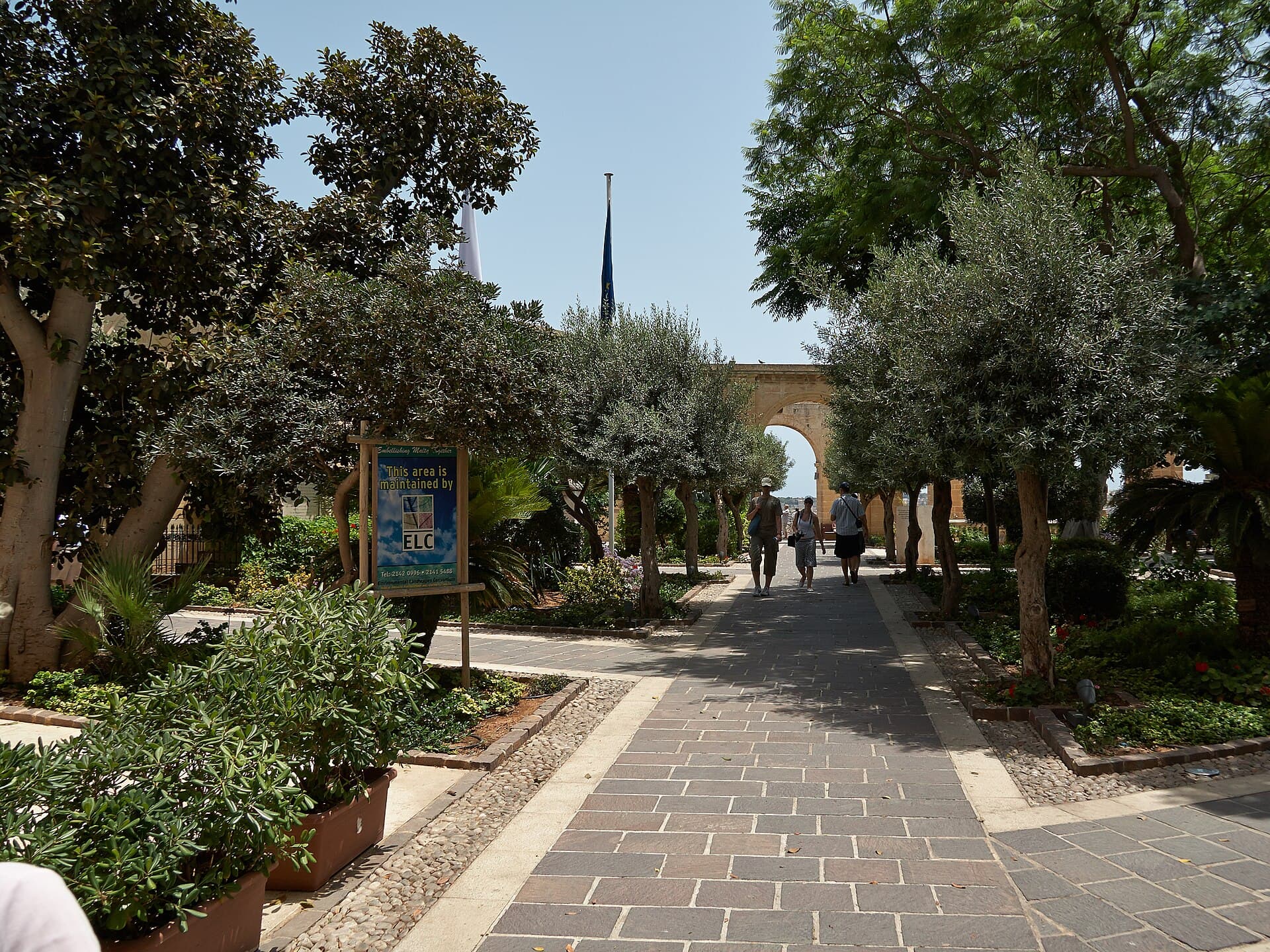 Upper Barrakka GardensMalta's best view, and free: the Upper Barrakka Gardens sit on Valletta's highes1 minute walk4.6
 The Saluting BatteryA historic artillery battery on a platform below the Upper Barrakka Gardens, loo1 minute walk4.8
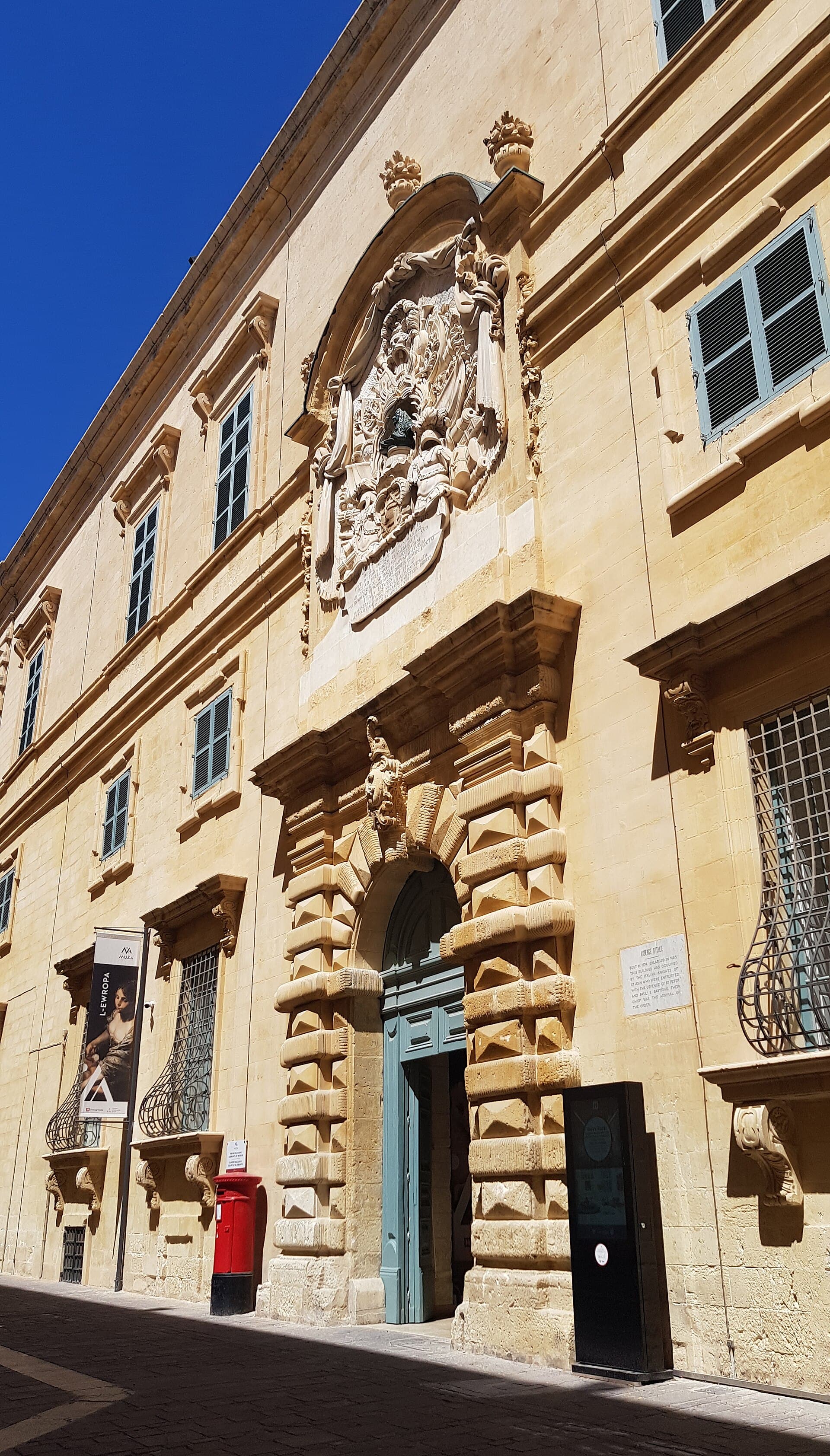 MUŻA National Art MuseumThe national art museum in the Italian knights' auberge: Malta's art museum move2 minutes walk4.3
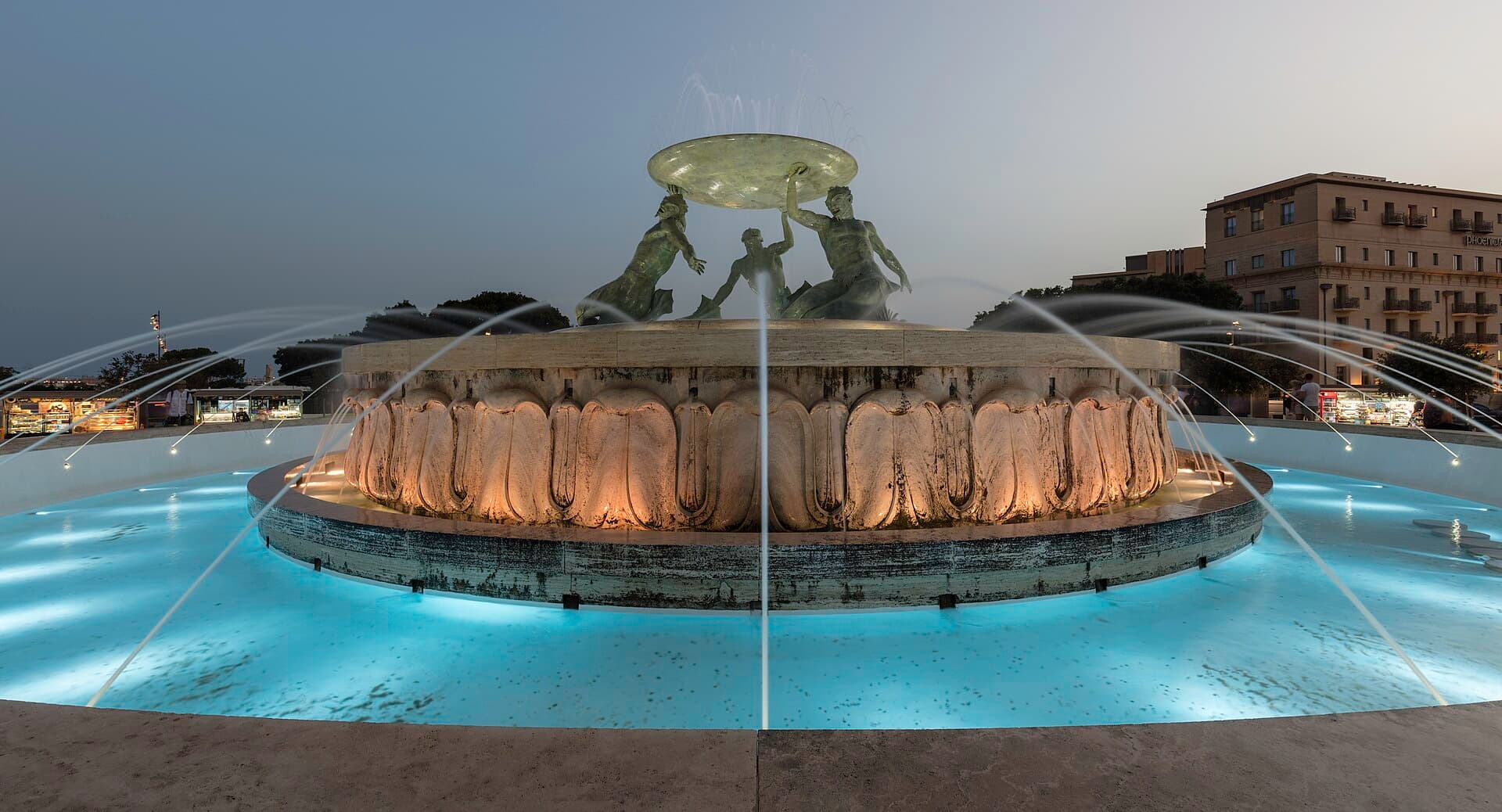 Triton FountainA large bronze fountain directly outside Valletta's City Gate, and the first thi4 minutes walk4.6
An Ottoman siege of Malta in 1565 lasting about four months. The Ottoman state sent a large fleet and army to take the island from the Knights of St John, who were raiding Ottoman shipping from their bases there. The Knights and the Maltese held out in small forts at severe cost until relief arrived from Sicily, and the Ottomans withdrew. The outcome shifted the balance in the western Mediterranean and made Malta a European symbol.
Castille Square and the Auberge de Castille beside it, St John's Co-Cathedral where Valette's remains were moved and where the Caravaggio hangs, and Fort St Elmo, which saw the siege's fiercest fighting and now holds the National War Museum. Together the four tell the whole story of 1565.