
The horse's tail
Croatia's first rendezvous.
Nick Savchenko from Kiev, Ukraine — CC BY-SA 2.0 · Diego Delso — CC BY-SA 3.0 · NOTE: This image is a panorama of Jelačić Square in Zagreb consisting of 6 frames that were merged or stitched in Panorama Studio. As a result, this image necessarily underwent some form of digital ma — CC BY-SA 3.0 · Falk2 — CC BY-SA 3.0 de
Jelačić Square is Croatia's point zero: every rendezvous is under the horse's tail — Ban Jelačić's equestrian statue (dismantled and hidden by the communists forty years in a cellar, returned 1990 in triumph) — the square a two-century architecture gallery in the round, blue trams crossing it as artery, the iron Manchester clock the lovers' second meeting post. A stair above it, Dolac — Zagreb's stomach: the open market under crimson-red parasols (the city's second icon) where the kumice — the neighbouring farm women — sell greens, cheese and honey every morning, the Market Aunt statue with basket on head honouring them — fish and meat below, flowers in the side square. Between them Tkalčićeva, the unbroken café street: coloured timber houses over a buried stream become Croatia's longest coffee sitting — the trio (square, market, street) being all of pulsing lower Zagreb, and the morning-coffee-then-market rule the locals' sacred Sunday rite.
Croatia's first rendezvous.
Dolac's red icon.
Croatia's longest coffee sitting.
Trg bana Jelačića, 10000 Zagreb
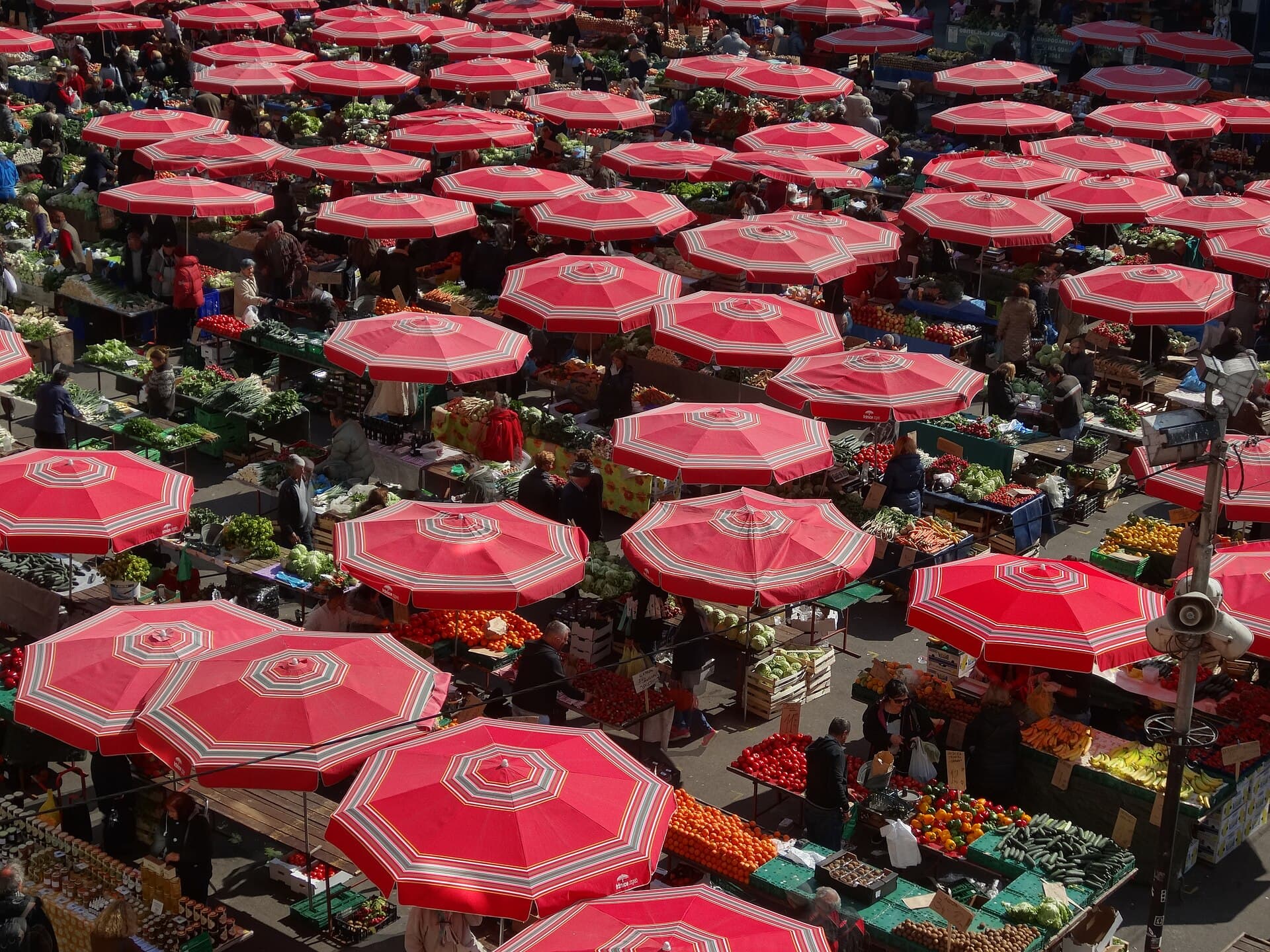 Dolac MarketZagreb's central food market, on a raised terrace directly above the main square1 minute walk4.4
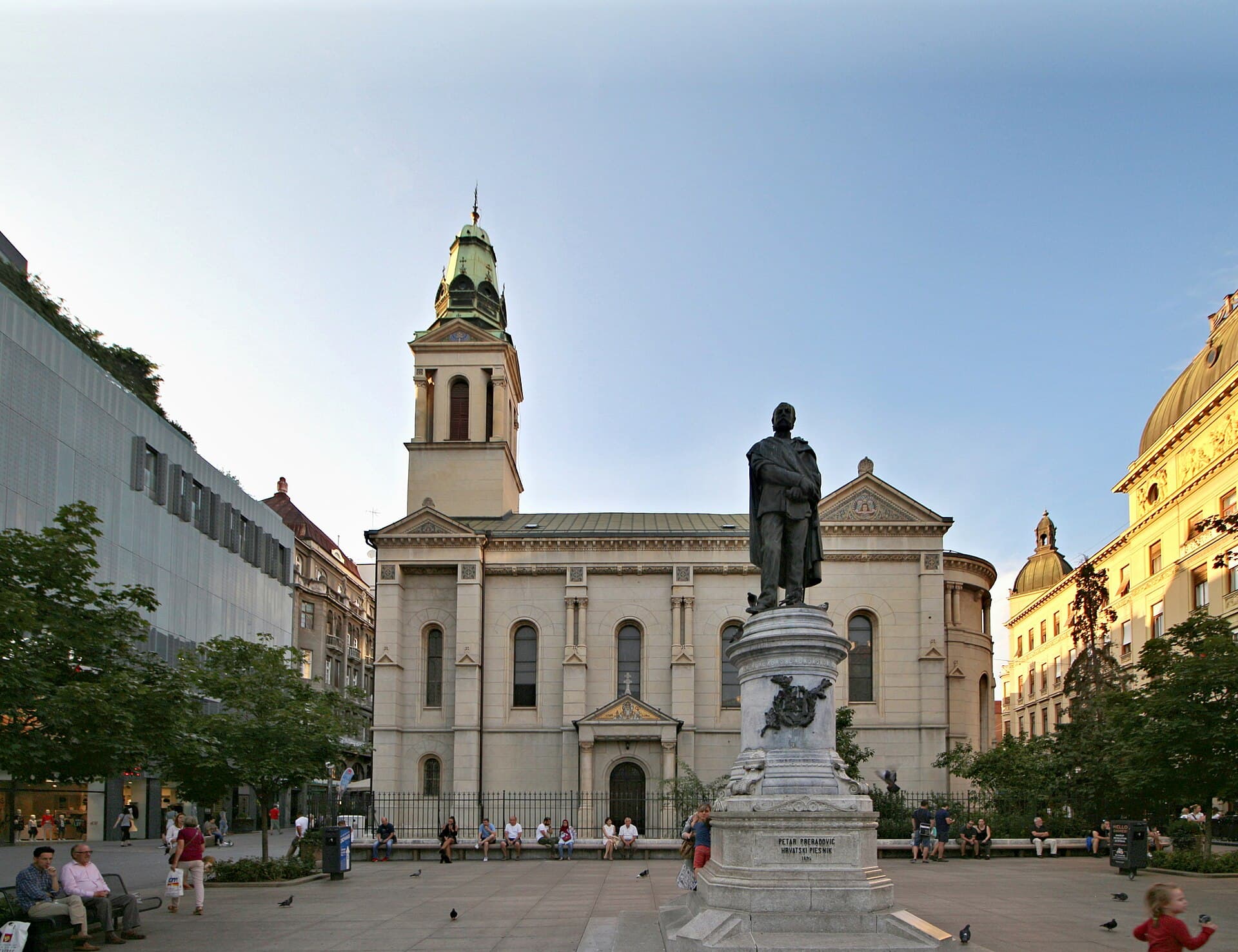 The Orthodox Cathedral of the TransfigurationThe Serbian Orthodox cathedral in Zagreb, on Preradović Square in the city centr3 minutes walk4.6
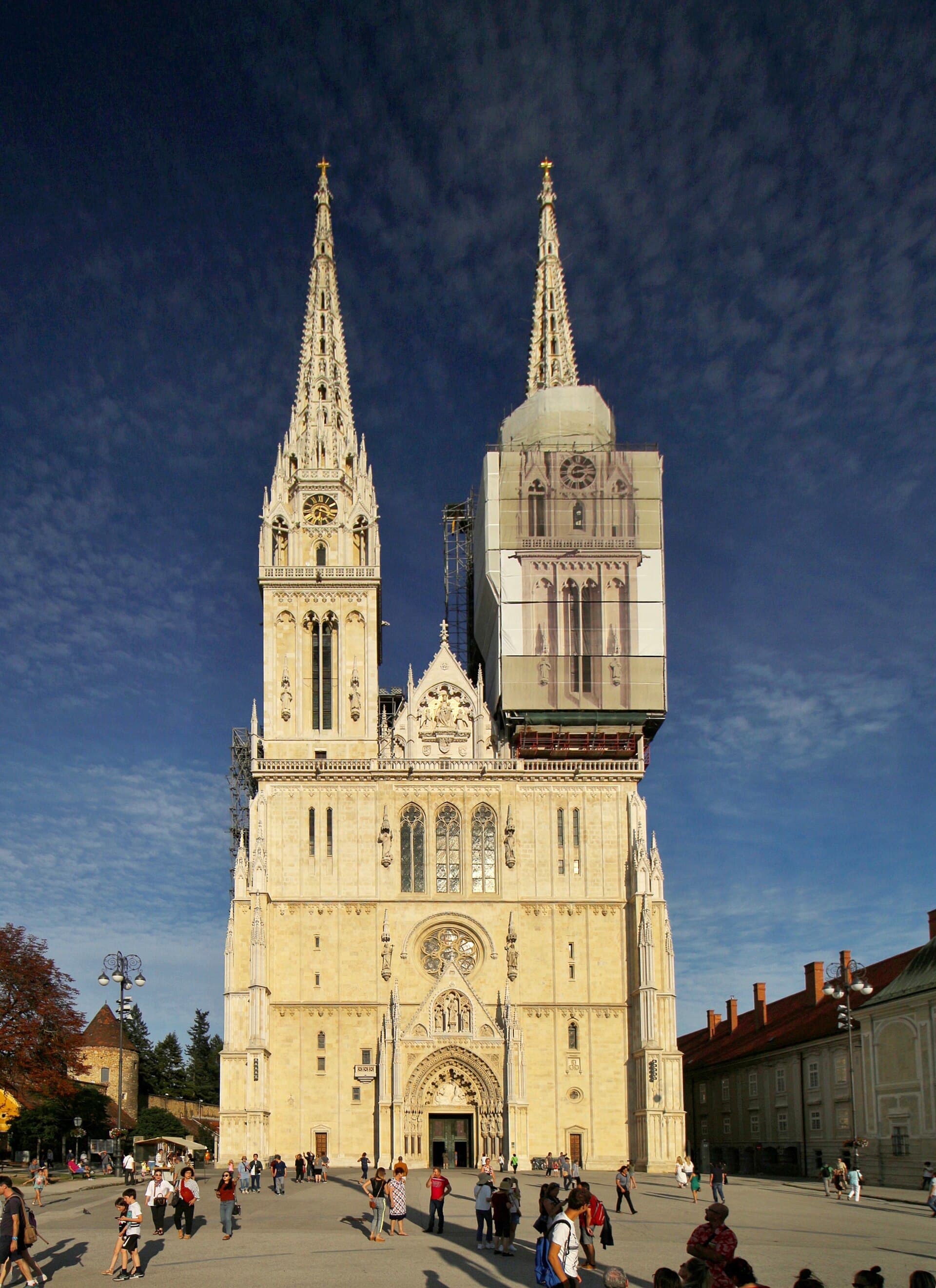 Zagreb CathedralZagreb's cathedral is Croatia's twin needles: its neo-Gothic towers (105m) the t3 minutes walk4.5
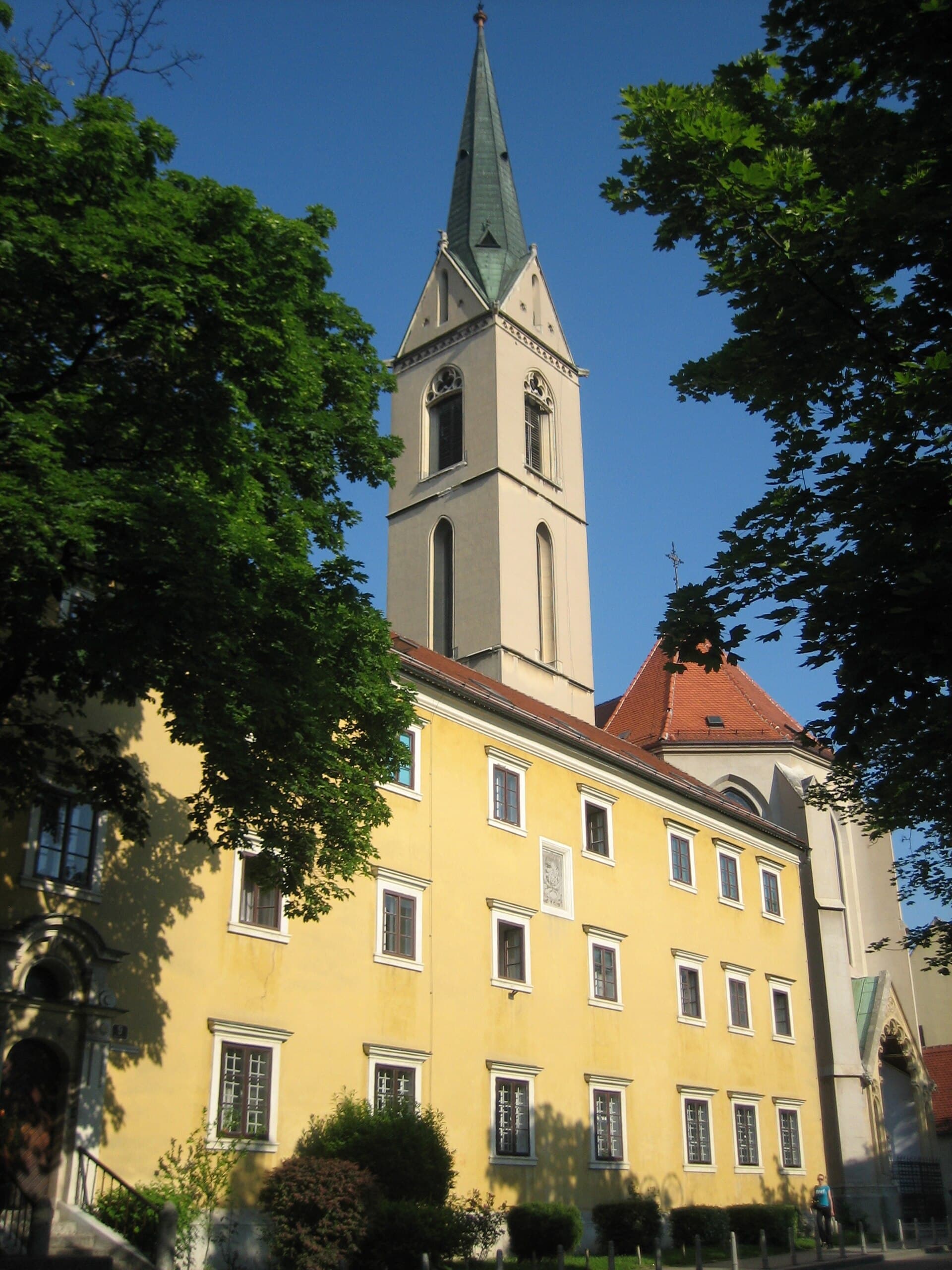 The Franciscan Monastery at KaptolA Franciscan monastery and church in Zagreb's Kaptol district, a short distance 5 minutes walk4.7
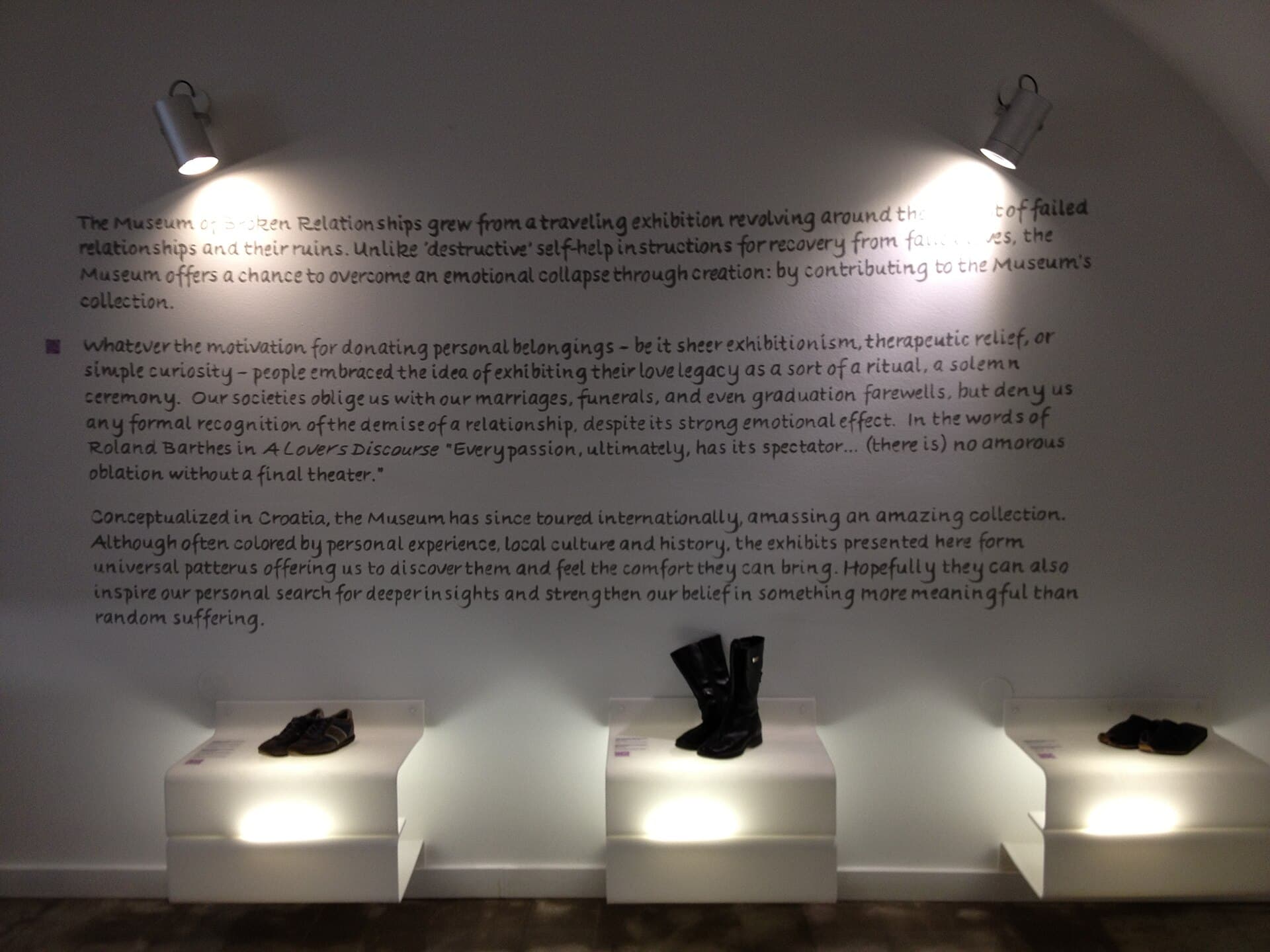 The Museum of Broken RelationshipsThe Museum of Broken Relationships is Zagreb's most famous cultural export: two 5 minutes walk4.4
The sacred Saturday rite: the long morning coffee through the centre's streets in full elegance — to see and be seen — from Bogovićeva to Tkalčićeva, the whole city literally attending. The visitor joins simply: a sun chair, a coffee, two guiltless hours — understanding Zagreb begins at its café, not its museums.