
The wax models
Over a thousand eighteenth-century figures, more precise than much modern medical illustration.
C.Stadler/Bwag — CC BY-SA 4.0 · Paul Korecky — CC BY-SA 2.0 · Paul Korecky — CC BY-SA 2.0 · Paul Korecky — CC BY-SA 2.0
Emperor Joseph II founded it in 1785 as an academy for training military surgeons, at a time when dissecting bodies was limited and difficult. He solved the problem in an extraordinary way: he commissioned a Florentine workshop to make life-size anatomical models in wax. The result is the collection on show today: more than a thousand wax models made between 1784 and 1788, kept in their original rosewood cabinets under Venetian glass. Their precision is astonishing — vessels, nerves and muscles in detail exceeding many modern illustrations — and the faces were deliberately sculpted as beautiful, to make the learning less brutal. The museum is not to every taste: some models are visually confronting in their realism. But it is among Vienna's strangest and most honest places, and explains a chapter of medical history no other museum in the city covers. It reopened after a long restoration with a modern, comfortable display.
Over a thousand eighteenth-century figures, more precise than much modern medical illustration.
Rosewood and Venetian glass from the foundation era — the display case is itself an artefact.
A section on the Vienna medical school, the world's most renowned in the nineteenth century.
Währinger Straße, Vienna
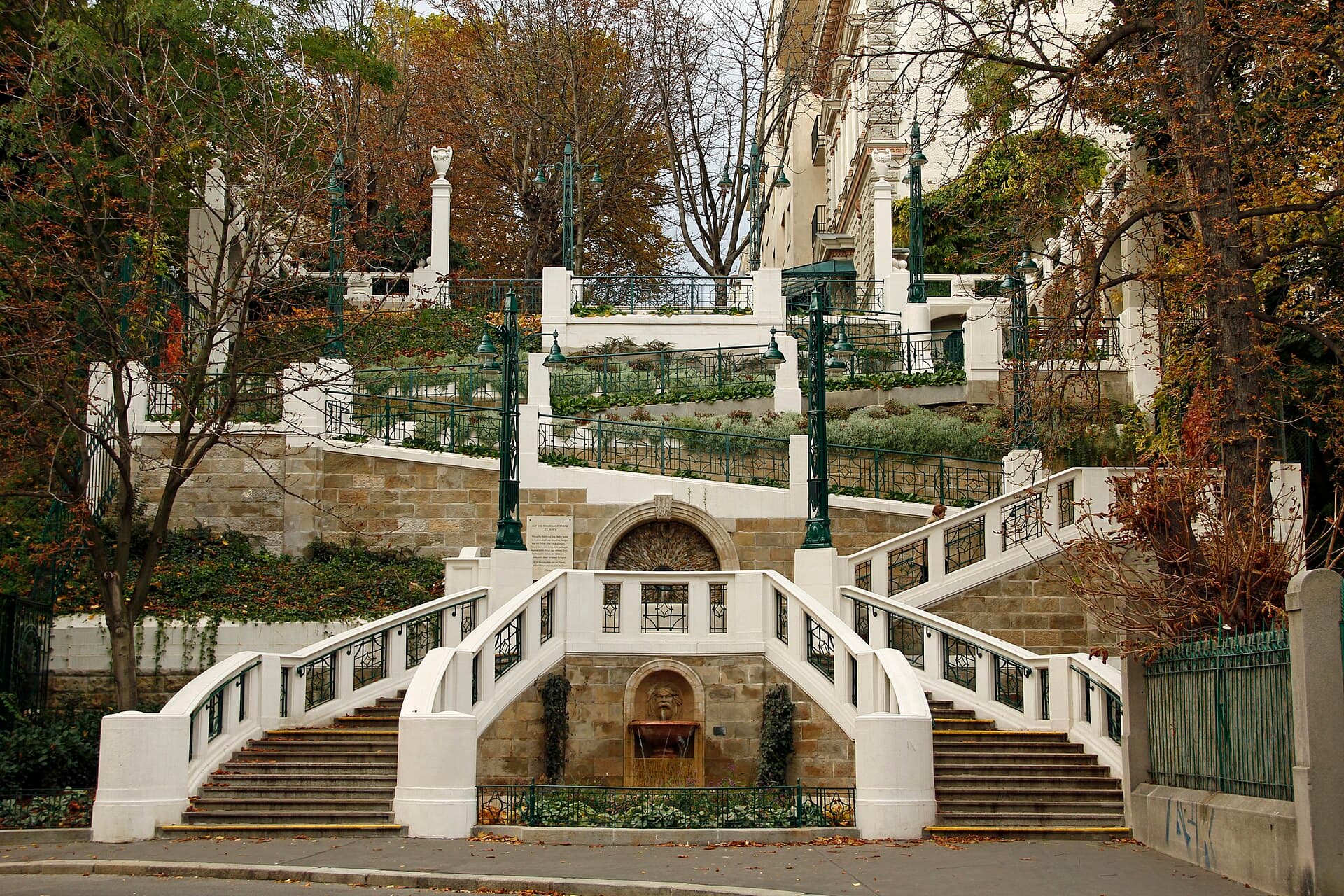 StrudlhofstiegeA stone staircase in a quiet residential district north of central Vienna, built4 minutes walk4.7
 Gartenpalais LiechtensteinA baroque garden palace still privately owned by the House of Liechtenstein, the5 minutes walk4.8
 Palais ObentrautA grand apartment building of 1883 on Friedrich-Schmidt-Platz behind the city ha10 minutes walk4.7
 Vienna City HallVienna's city hall, and one of the Ring's defining buildings: neo-Gothic, spired12 minutes walk4.8
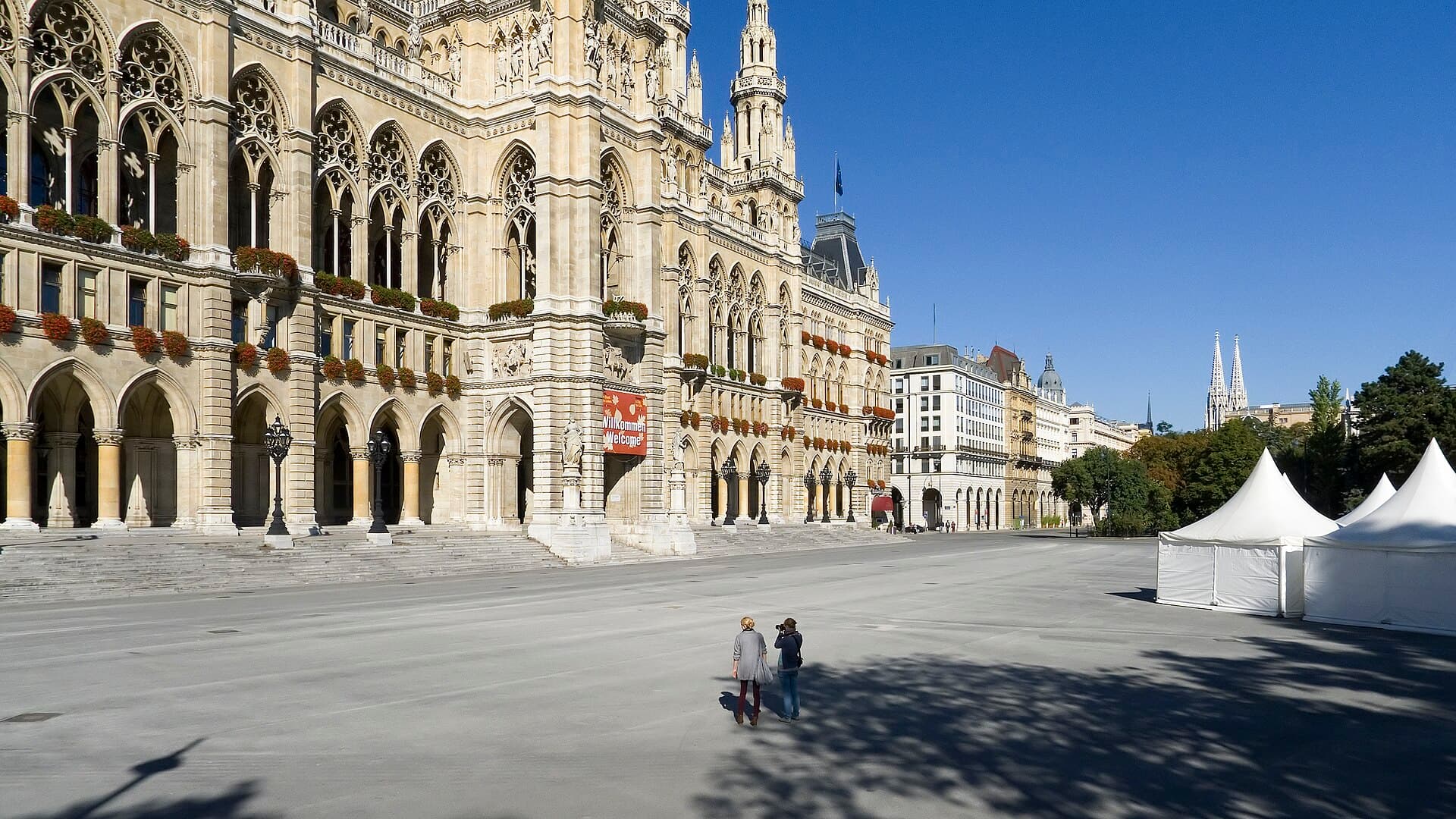 RathausplatzThe square in front of Vienna's city hall, and the most heavily used public spac13 minutes walk4.8
That depends on you. The models are extremely realistic but they are wax, displayed calmly and scientifically. Anyone comfortable with medical textbook imagery will find them remarkable; anyone troubled by it should skip.
Medical students, anyone interested in the history of science, and returning visitors looking for something entirely unlike the palaces and art museums.