
The interlocking curves
Several levels visible in a single frame — why it is among Europe's most photographed staircases.
Lindlein — CC BY 3.0 de · MrPanyGoff — CC BY-SA 3.0 · PictureObelix — CC BY-SA 3.0 at · Geolina163 — CC BY-SA 4.0
A stone staircase in a quiet residential district north of central Vienna, built in 1910 to link two streets at different levels. But it is no ordinary stair: art nouveau in design, with interlocking curves, original iron lamps and small fountains, folding back on itself so that several levels are visible at once. It became known beyond Vienna through a 1951 Austrian novel that took its name, turning it into a literary emblem of a part of the city tourists rarely reach. A plaque on one side carries verses about it. The visit is very short and folds naturally into a walk through the Alsergrund district or a trip to the nearby Liechtenstein palace. Afternoon light or evening, once the lamps come on, suits it best — and its real charm is that it remains a working staircase locals use daily, not a fenced-off monument.
Several levels visible in a single frame — why it is among Europe's most photographed staircases.
Lighting from 1910 still in place — evening gives the stair an entirely different character.
Strudlhofgasse, Vienna
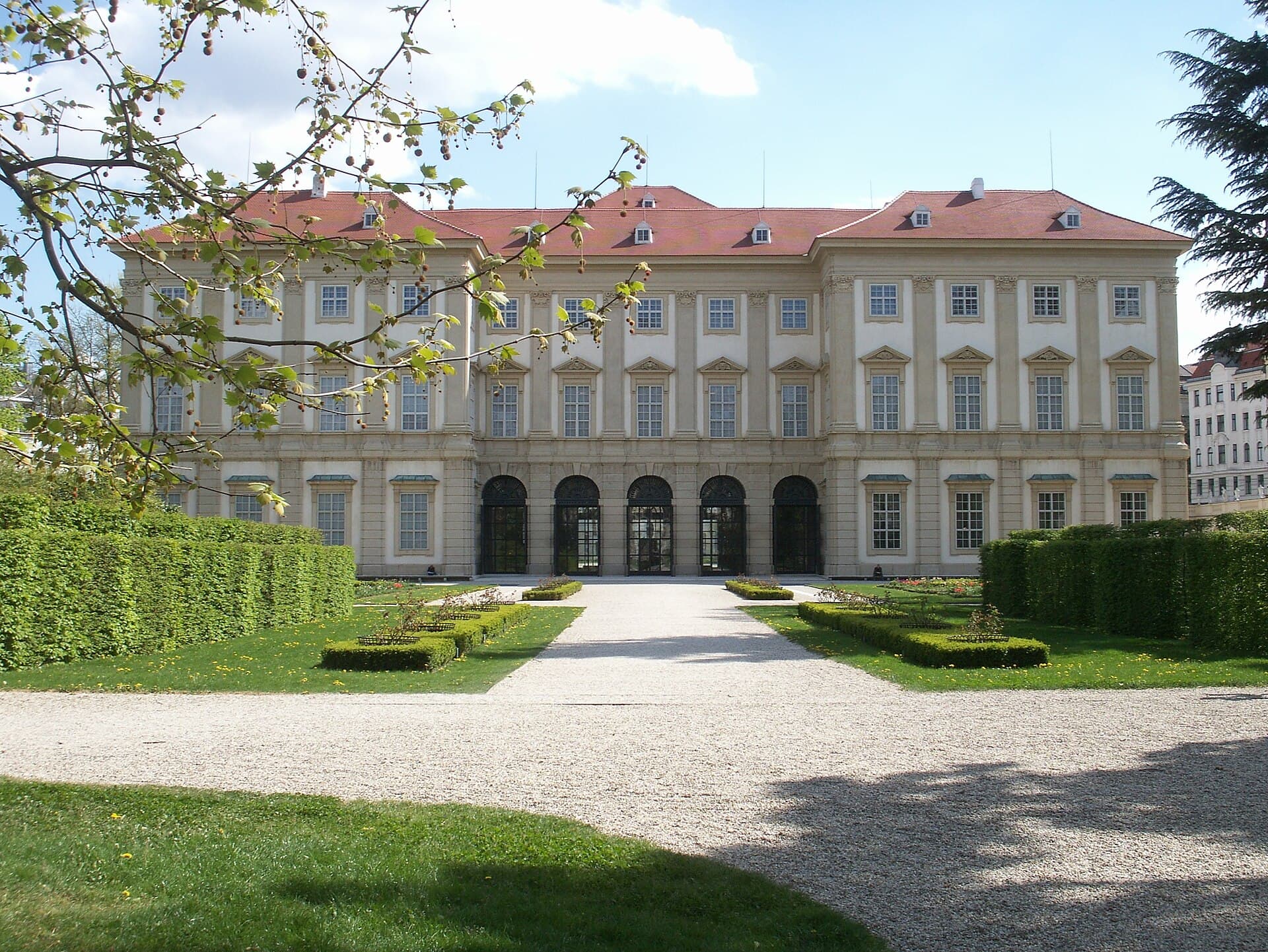 Gartenpalais LiechtensteinA baroque garden palace still privately owned by the House of Liechtenstein, the2 minutes walk4.8
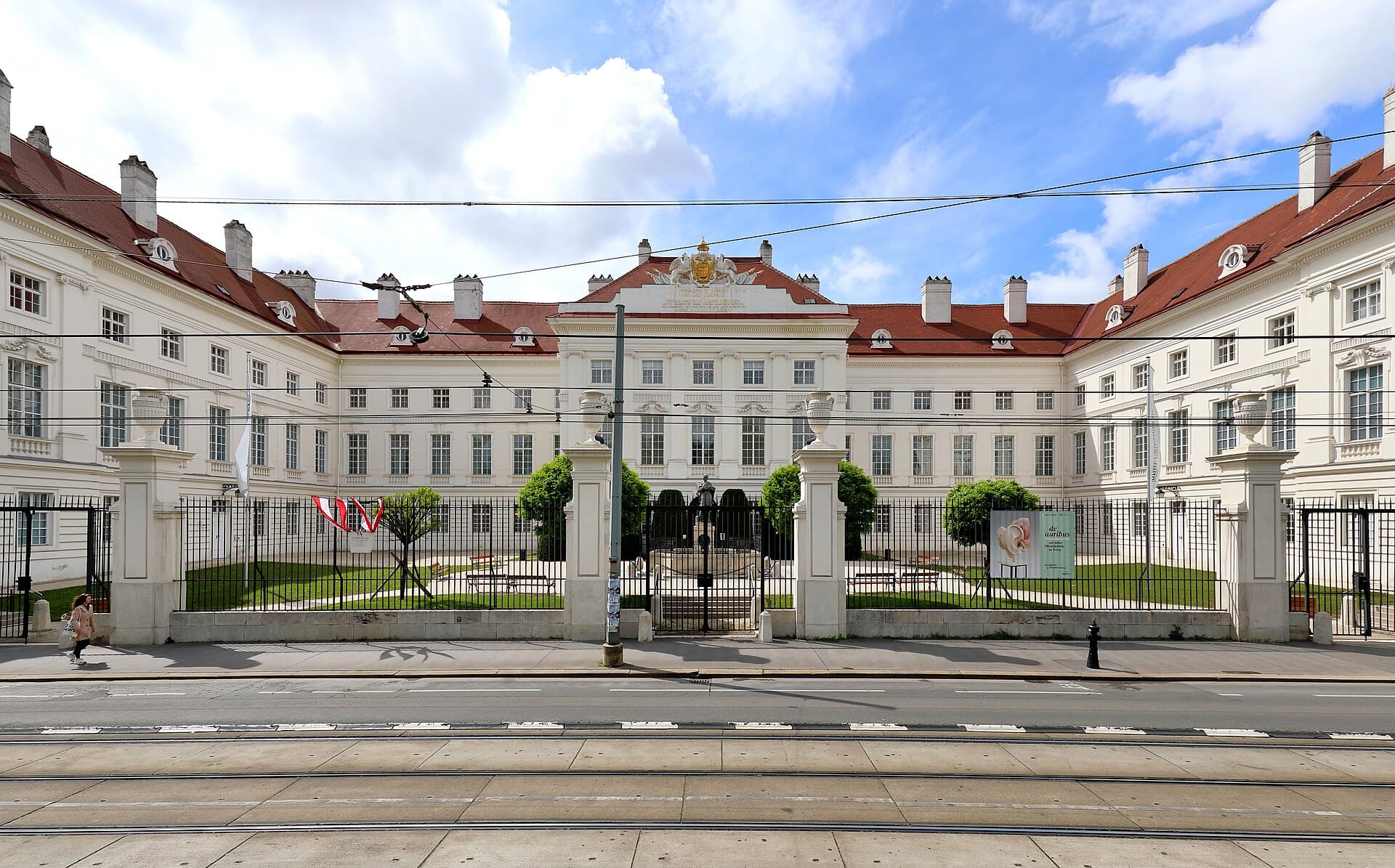 JosephinumEmperor Joseph II founded it in 1785 as an academy for training military surgeon4 minutes walk4.5
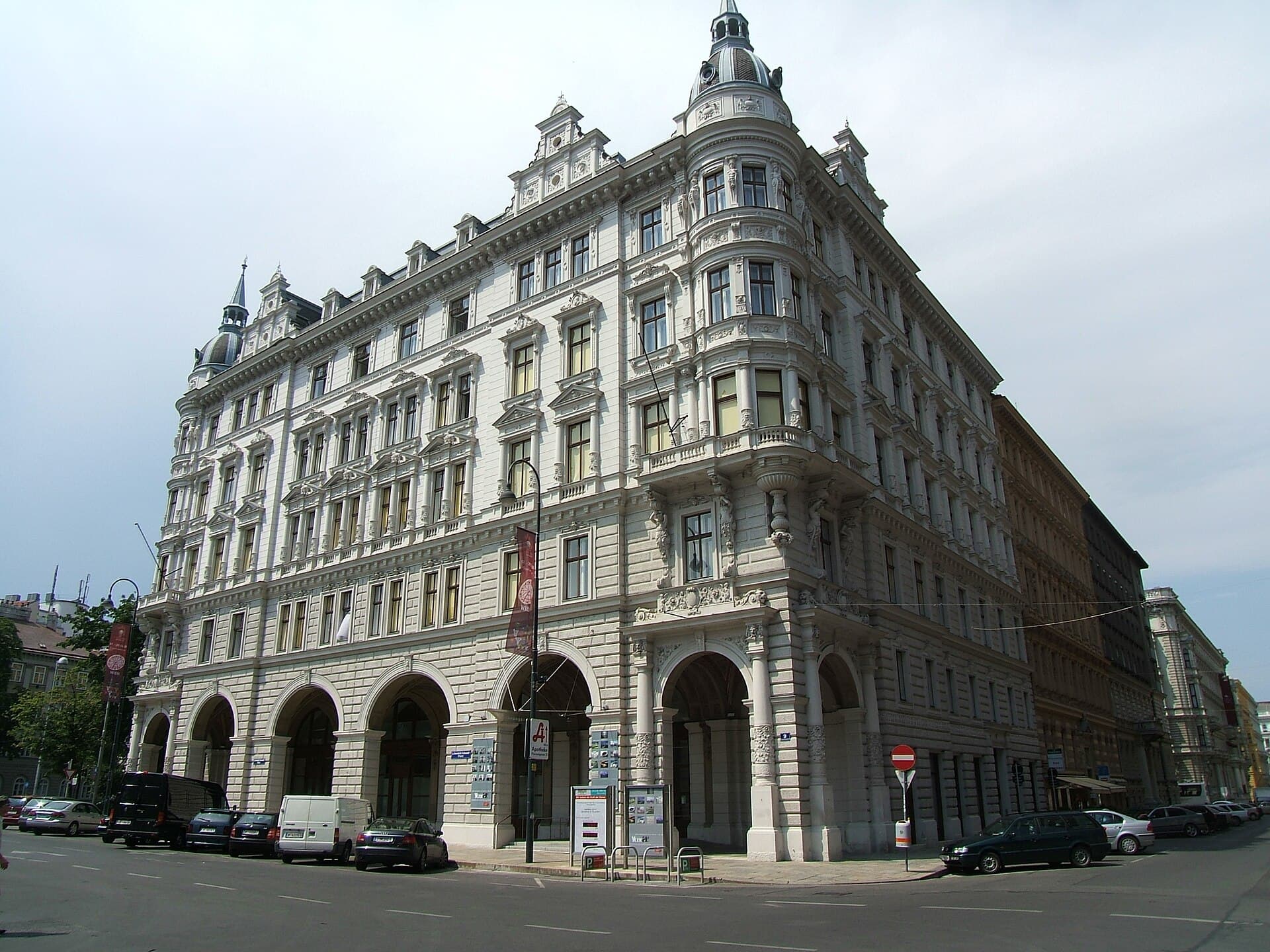 Palais ObentrautA grand apartment building of 1883 on Friedrich-Schmidt-Platz behind the city ha14 minutes walk4.7
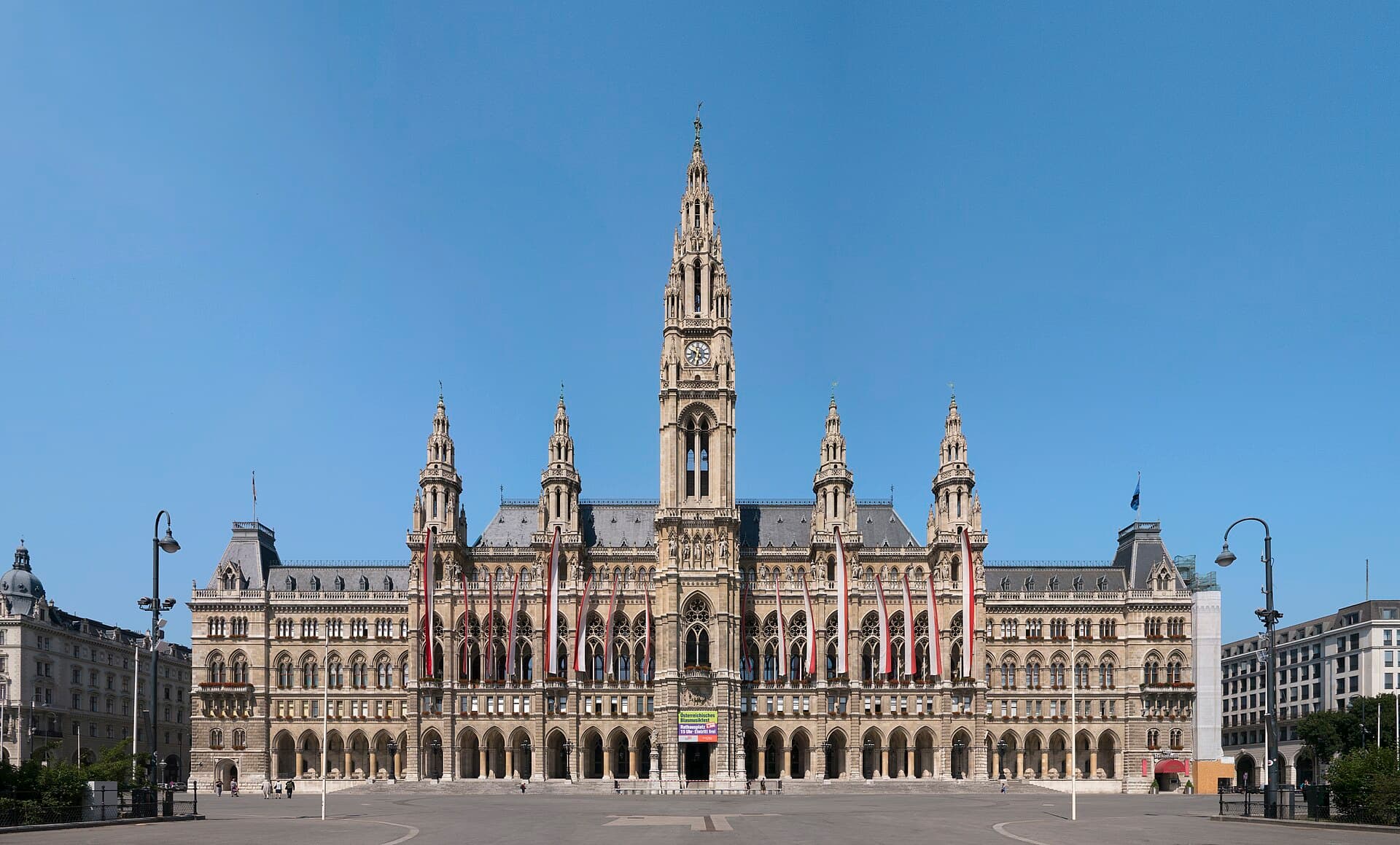 Vienna City HallVienna's city hall, and one of the Ring's defining buildings: neo-Gothic, spired16 minutes walk4.8
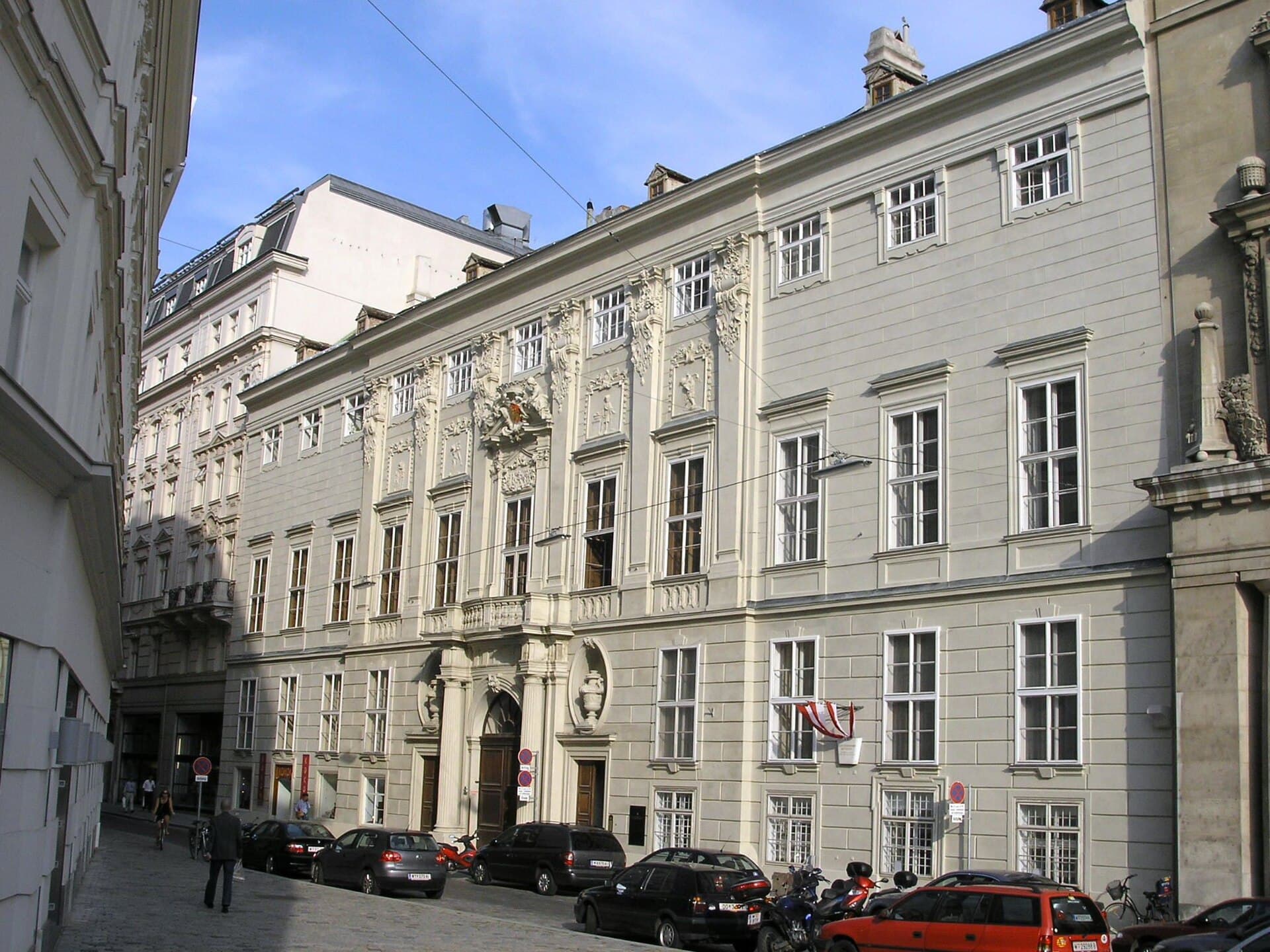 Palais Schönborn-BatthyányA Baroque palace on Renngasse in the 1st district, by Johann Bernhard Fischer vo17 minutes walk4.4
On a first three-day visit to Vienna: no. If you already know the city, or you like architectural photography and real neighbourhoods: yes — combine it with the nearby Liechtenstein palace.