
Young Poland
The artistic movement that flourished in Kraków between 1890 and 1918.
Jeremiah Z. Cockroach — CC BY-SA 4.0 · Igor123121 — CC BY 4.0 · Igor123121 — CC BY 4.0 · Igor123121 — CC BY 4.0
A nineteenth-century town house on Plac Szczepański in Kraków, a branch of the National Museum hosting its major temporary exhibitions. The Szołayski family gave it to the city in 1904, and it was the National Museum's first home before the main building was built. What it shows today changes entirely — exhibitions run for months — but over the years it has held displays connected with Young Poland, the artistic and literary movement that flourished in Kraków between 1890 and 1918. That movement is the key to understanding Kraków: the city was under Austrian rule, which permitted far wider cultural freedom than the Russian or Prussian, so it became the cultural capital for all Poles. Stanisław Wyspiański, Jacek Malczewski and Olga Boznańska lived there. Check the programme before going — what is shown changes completely.
The artistic movement that flourished in Kraków between 1890 and 1918.
Austrian rule allowed what Russian or Prussian rule did not.
Both lived and worked in the city in that period.
Plac Szczepański, central Kraków
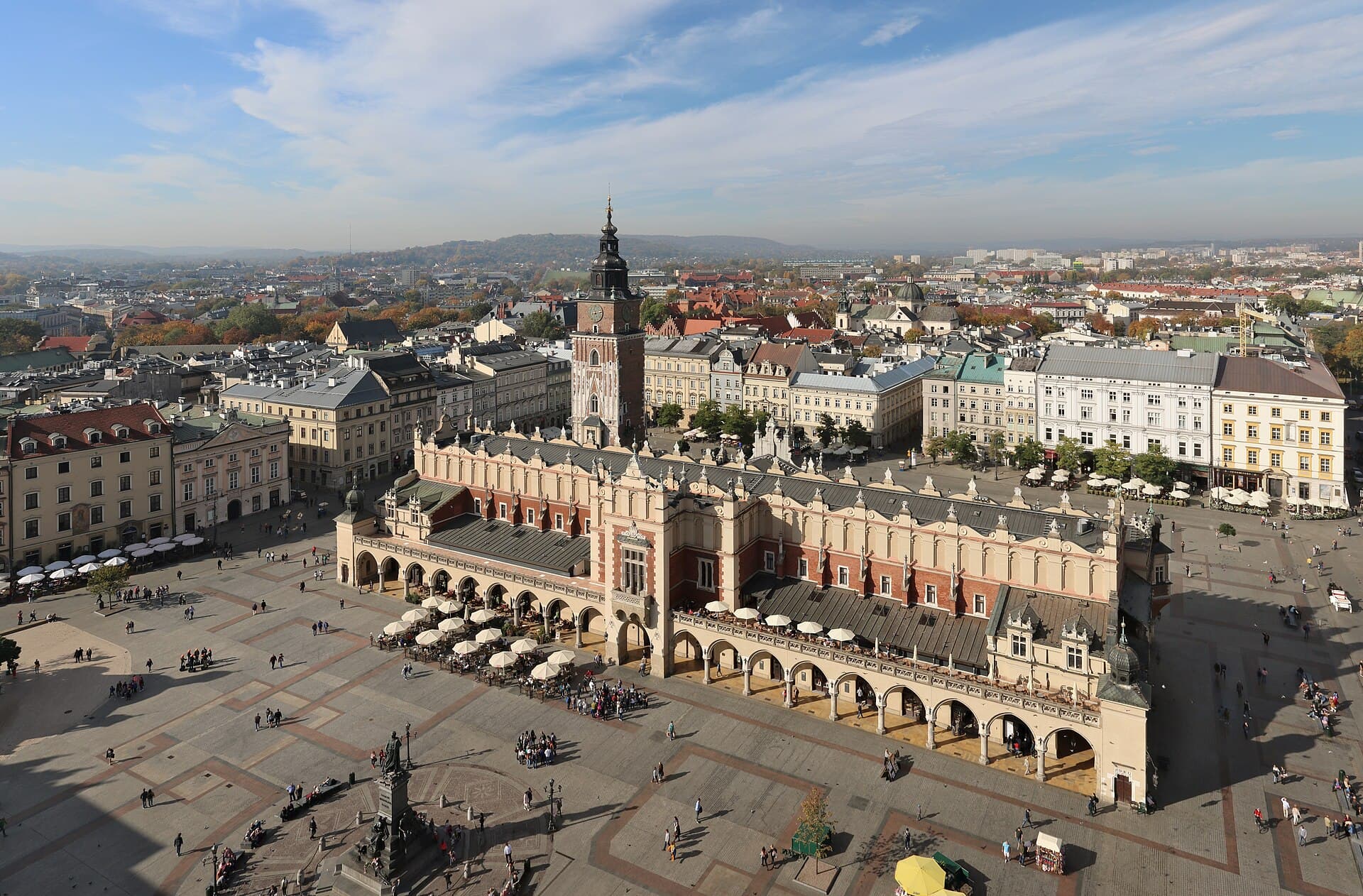 The Main Square (Rynek Główny)The Rynek is medieval Europe's greatest square: two hundred metres by the same, 3 minutes walk4.7
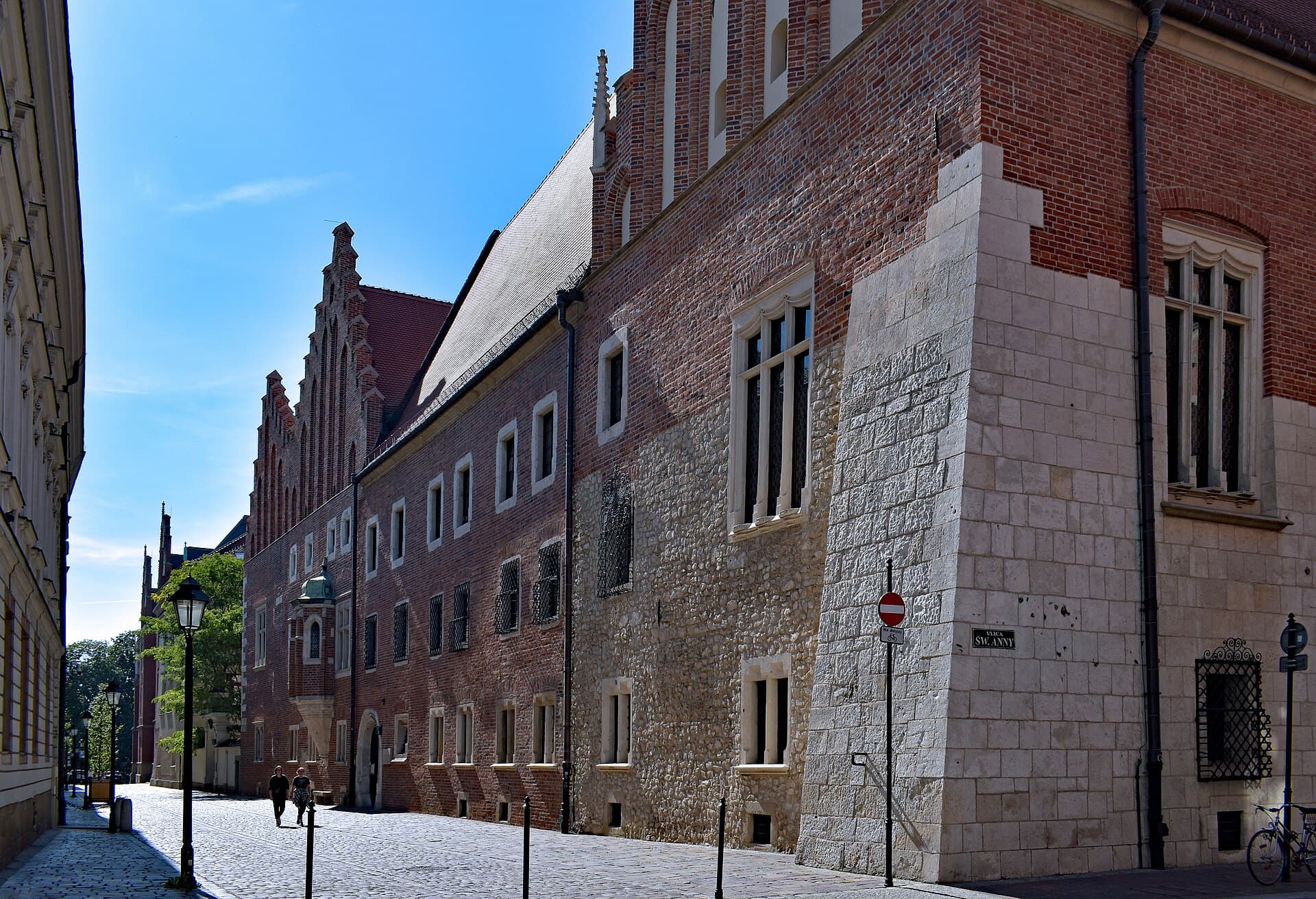 Collegium MaiusThe oldest building of the Jagiellonian University, the second oldest university3 minutes walk4.6
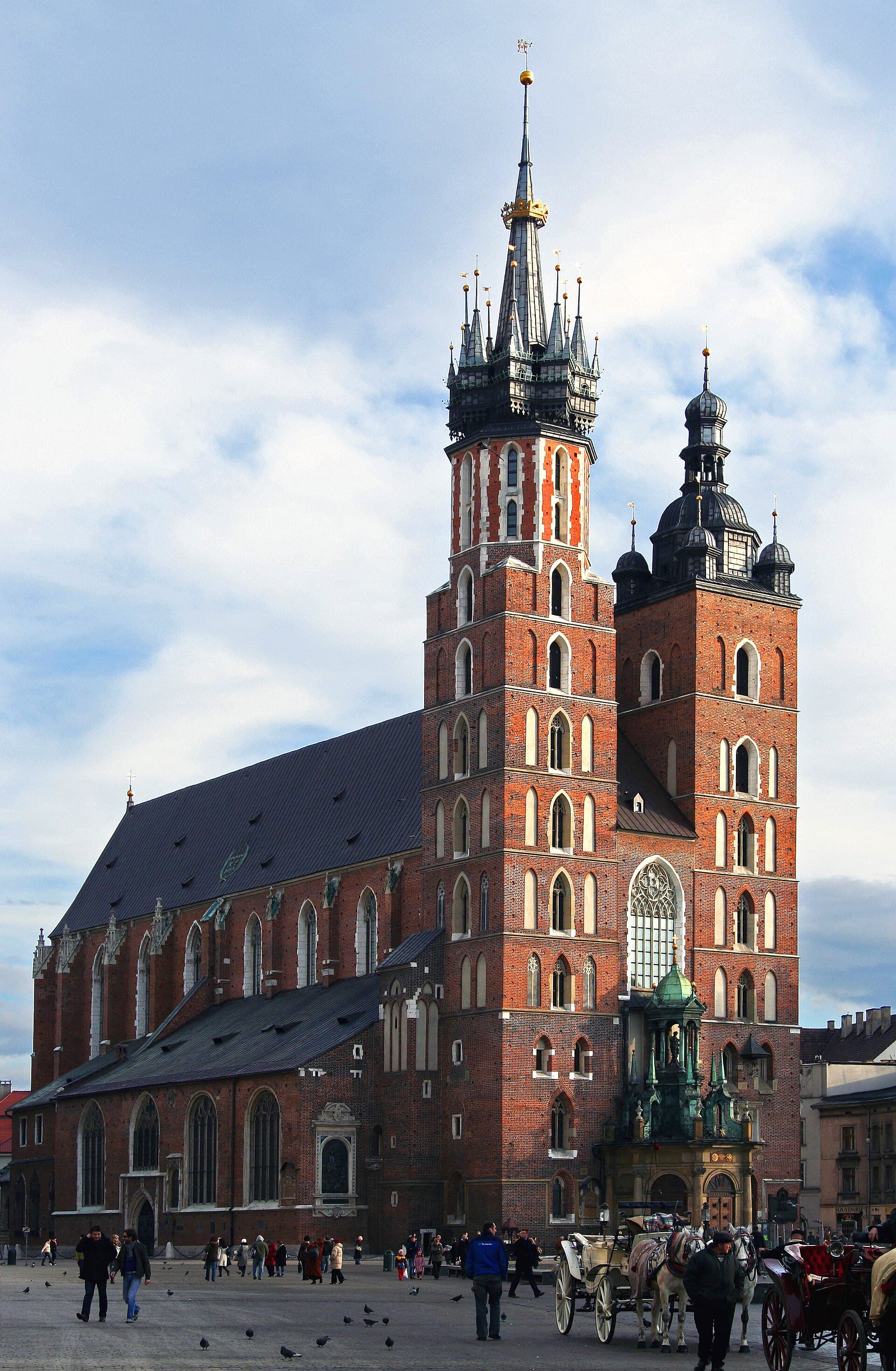 St. Mary's BasilicaSt. Mary's is Krakow's Gothic jewel: her unequal towers (the legend: two builder4 minutes walk4.7
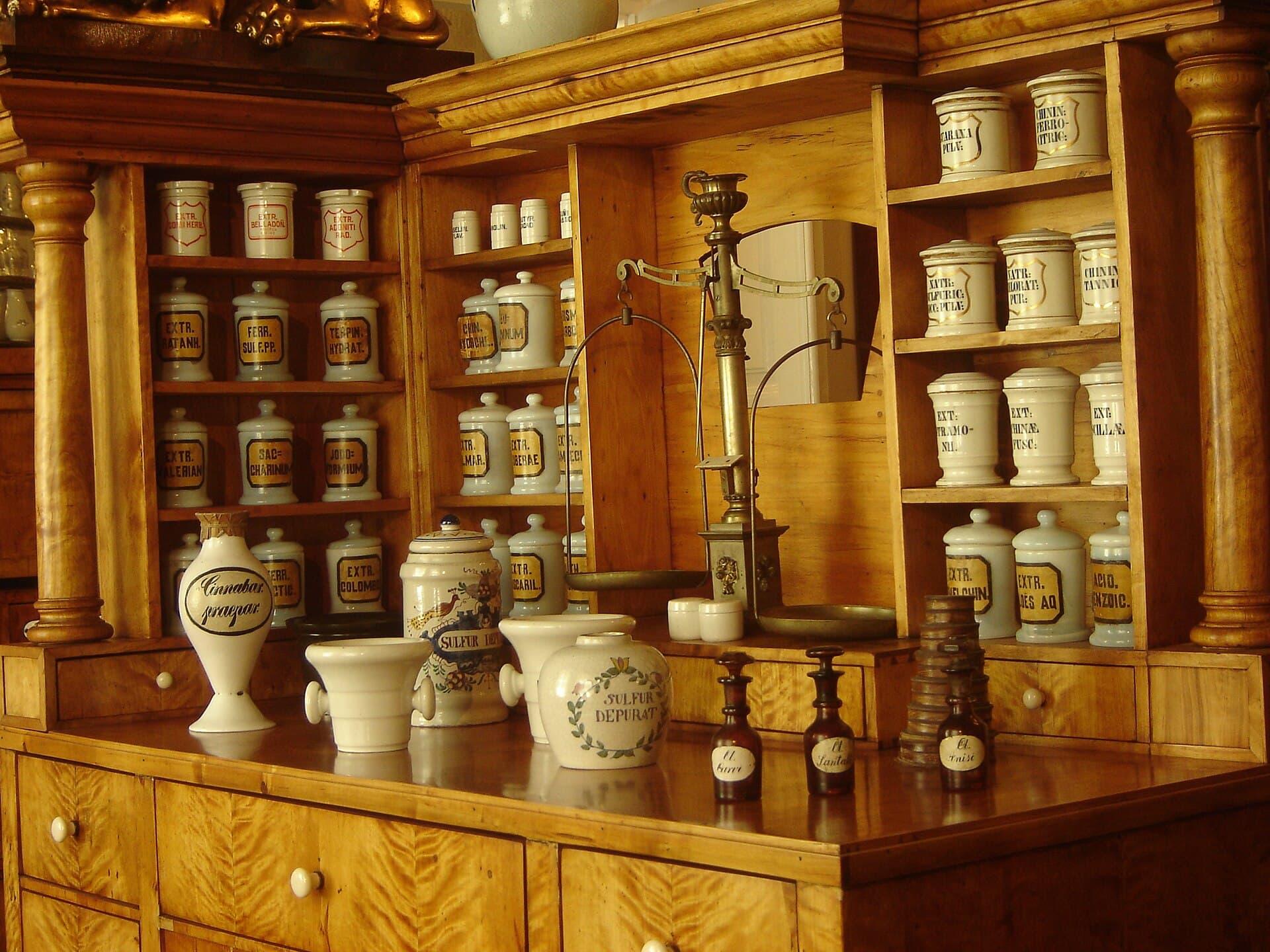 Museum of Pharmacy, KrakówA museum of the Jagiellonian University in a fifteenth-century house on Floriańs4 minutes walk4.8
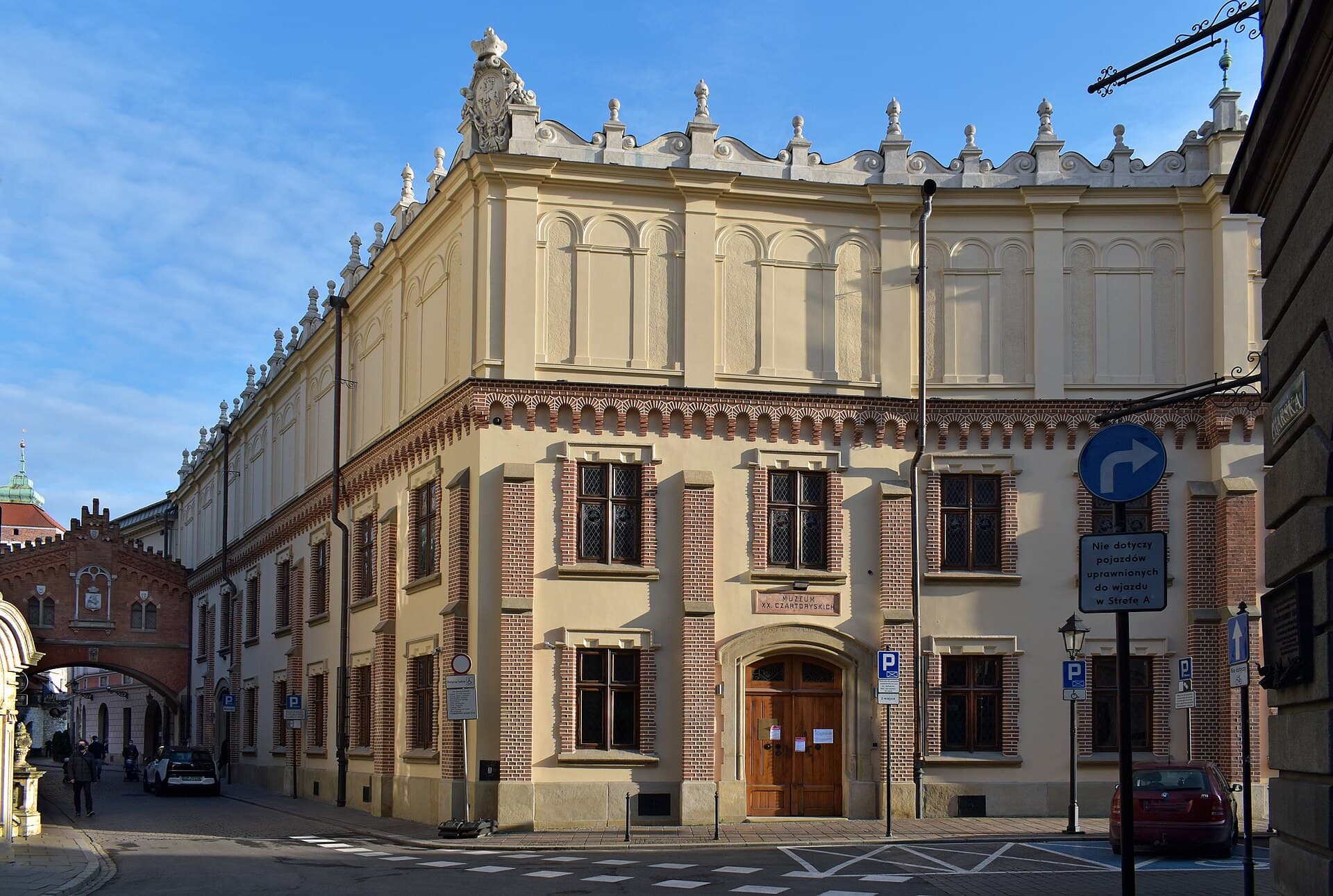 The Czartoryski Museum & the LeonardoThe Czartoryski is home of Poland's most famous painting: the Lady with an Ermin4 minutes walk4.9
A poet, playwright, painter and stained-glass designer, regarded as among the most important figures in modern Polish culture. He worked in nearly every medium: his play The Wedding of 1901 is among the central Polish dramatic texts, and his windows in the Franciscan church in Kraków are masterpieces of Art Nouveau. He died at thirty-five. A museum in Kraków is devoted to him.
The square itself holds the Palace of Art with its Secession facade and the Stary Theatre, Poland's oldest. Minutes away: the main square, the Rynek, with the Cloth Hall and the town hall tower; and St Mary's church with Veit Stoss's carved altarpiece and its trumpet call sounded every hour and breaking off abruptly. The whole area is walkable.