
Complete pharmacies
Moved with their fittings from the eighteenth and nineteenth centuries and reassembled.
Reytan — Public domain · Scotch Mist — CC BY-SA 4.0 · Igor123121 — CC BY 4.0 · Igor123121 — CC BY 4.0
A museum of the Jagiellonian University in a fifteenth-century house on Floriańska street, and among the largest pharmacy museums in the world. The building is itself part of the display: five floors from cellar to attic, each representing a different aspect. In the cellar are Gothic vaults with ceramic vessels and barrels of medicinal wine. In the attic are a laboratory and cabinets for drying herbs. Between them are complete pharmacies of the eighteenth and nineteenth centuries, moved with their fittings and reassembled. The collection holds more than twenty thousand items: vessels, scales, distilling apparatus, prescription books and preparations no longer in use, among them substances that reveal how medicine worked before modern chemistry. The display is elegant and quiet and far less crowded than the centre's other museums, despite standing on Kraków's busiest street. It folds naturally into an old town route, and is closer than many people realise.
Moved with their fittings from the eighteenth and nineteenth centuries and reassembled.
Gothic vaults below, a laboratory and herb cabinets above.
On the busiest street, and yet lightly visited.
Floriańska street, the old town
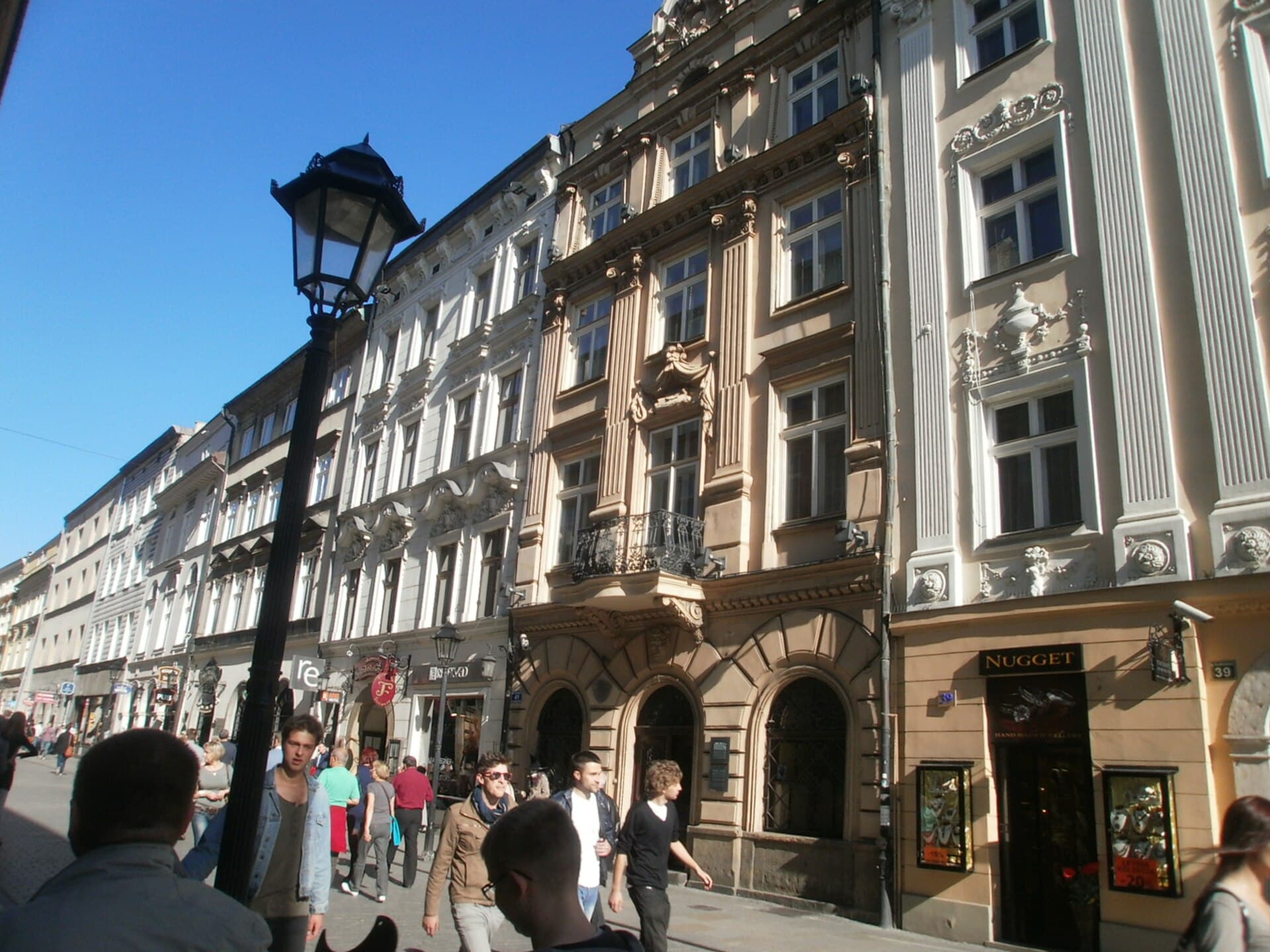 Jan Matejko HouseThe house of the painter Jan Matejko on Floriańska street in the old town, where1 minute walk4.7
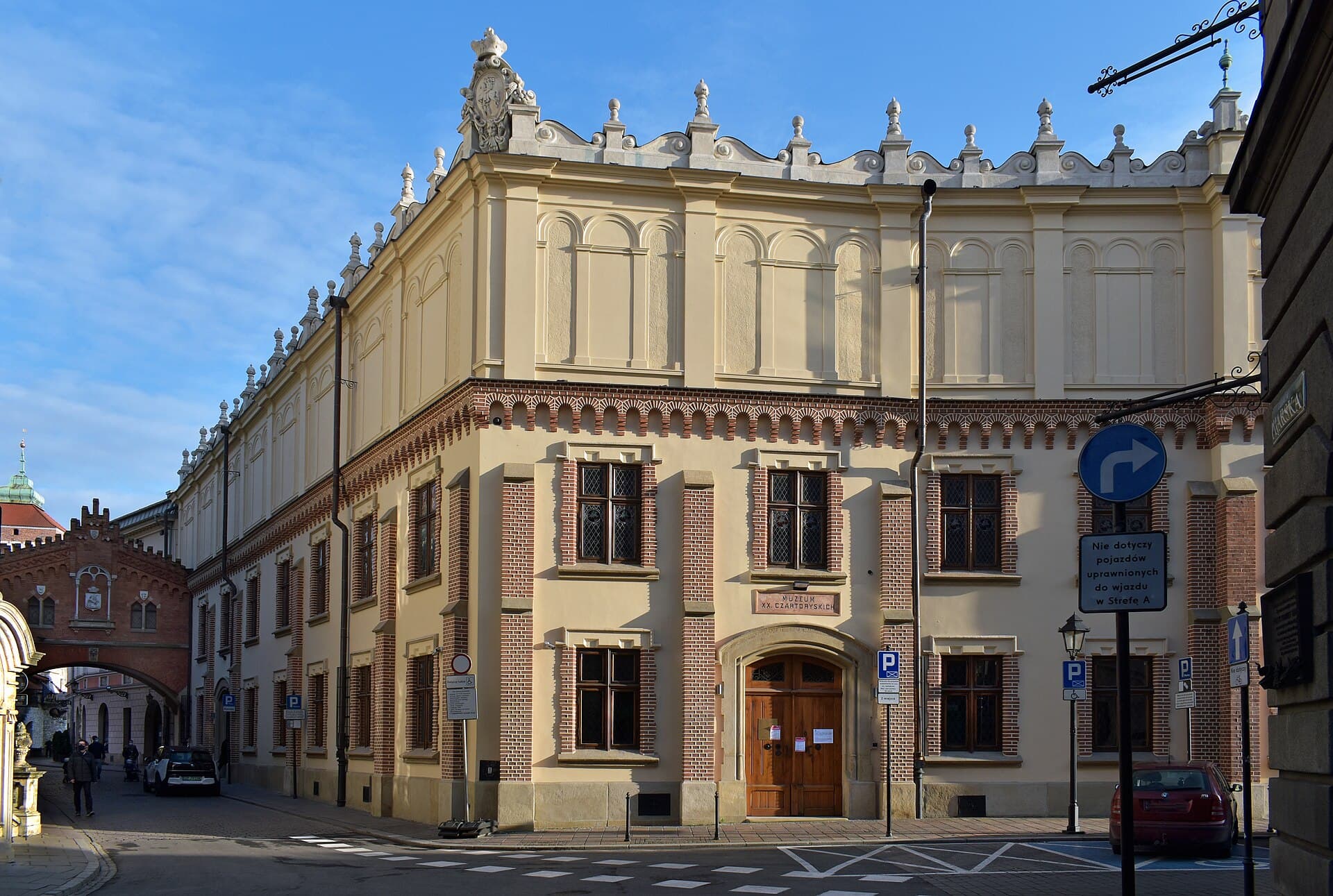 The Czartoryski Museum & the LeonardoThe Czartoryski is home of Poland's most famous painting: the Lady with an Ermin2 minutes walk4.9
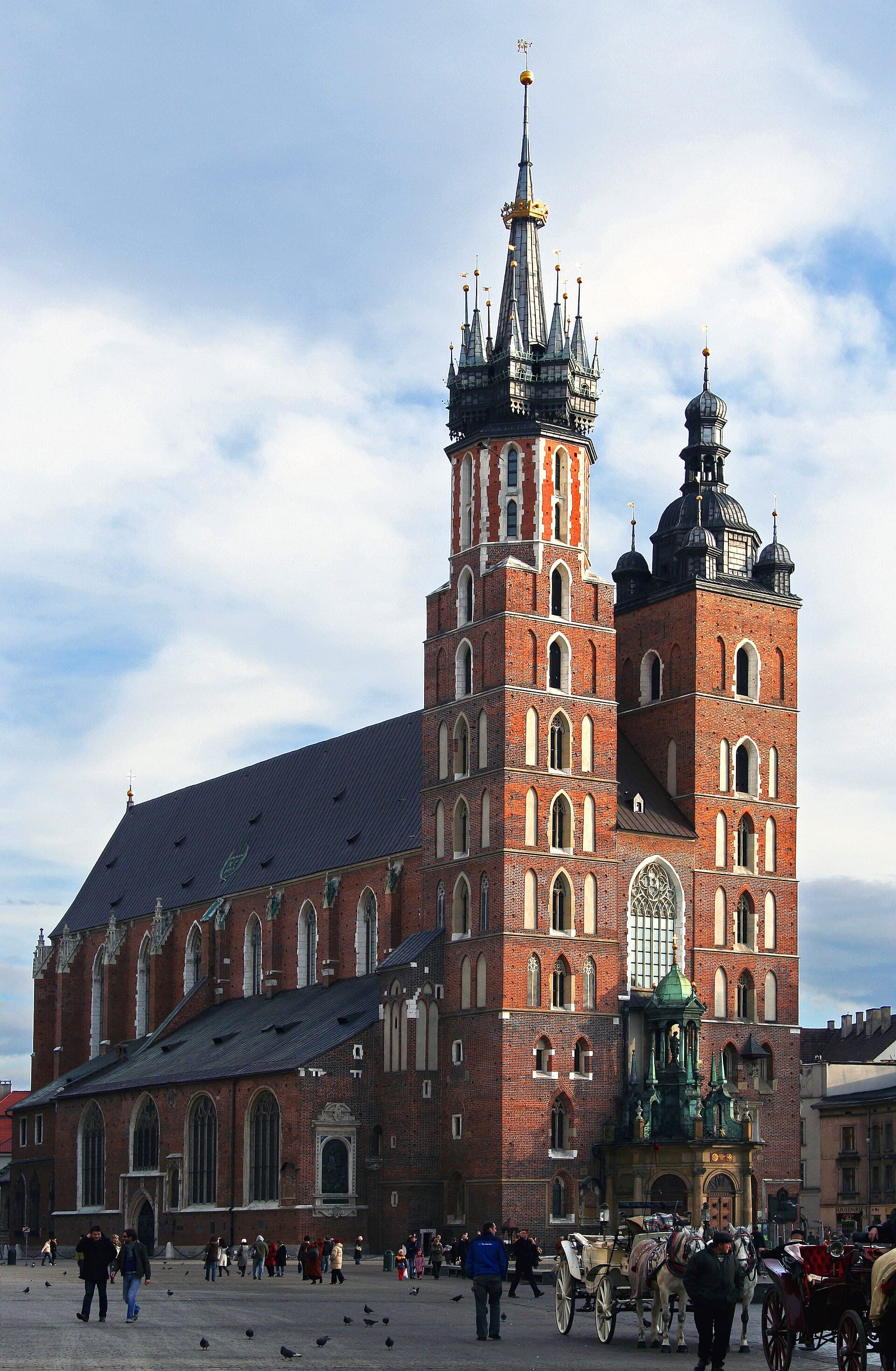 St. Mary's BasilicaSt. Mary's is Krakow's Gothic jewel: her unequal towers (the legend: two builder2 minutes walk4.7
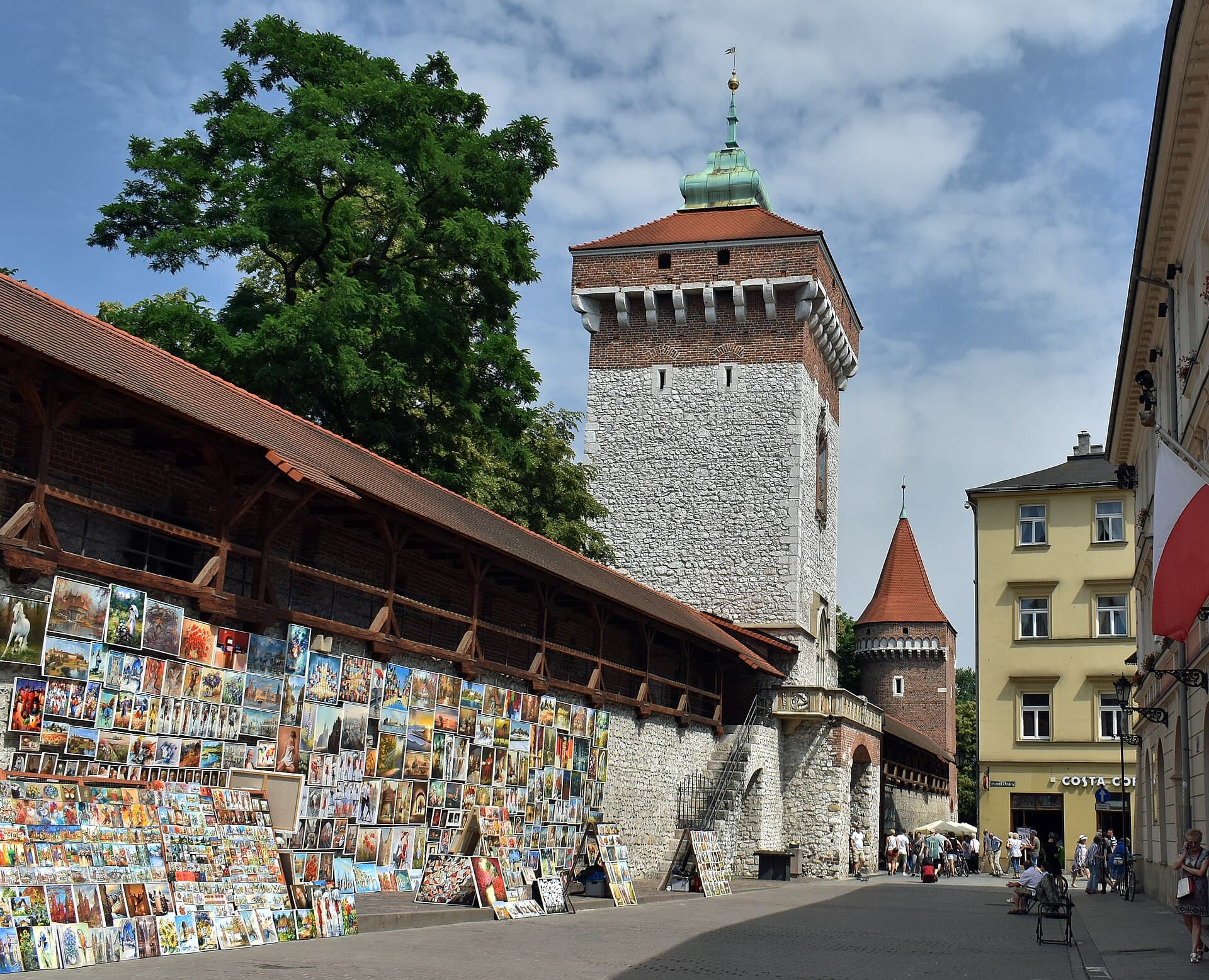 The Defensive WallsWhat remains of Kraków's medieval wall: a short stretch holding the Florian Gate3 minutes walk4.7
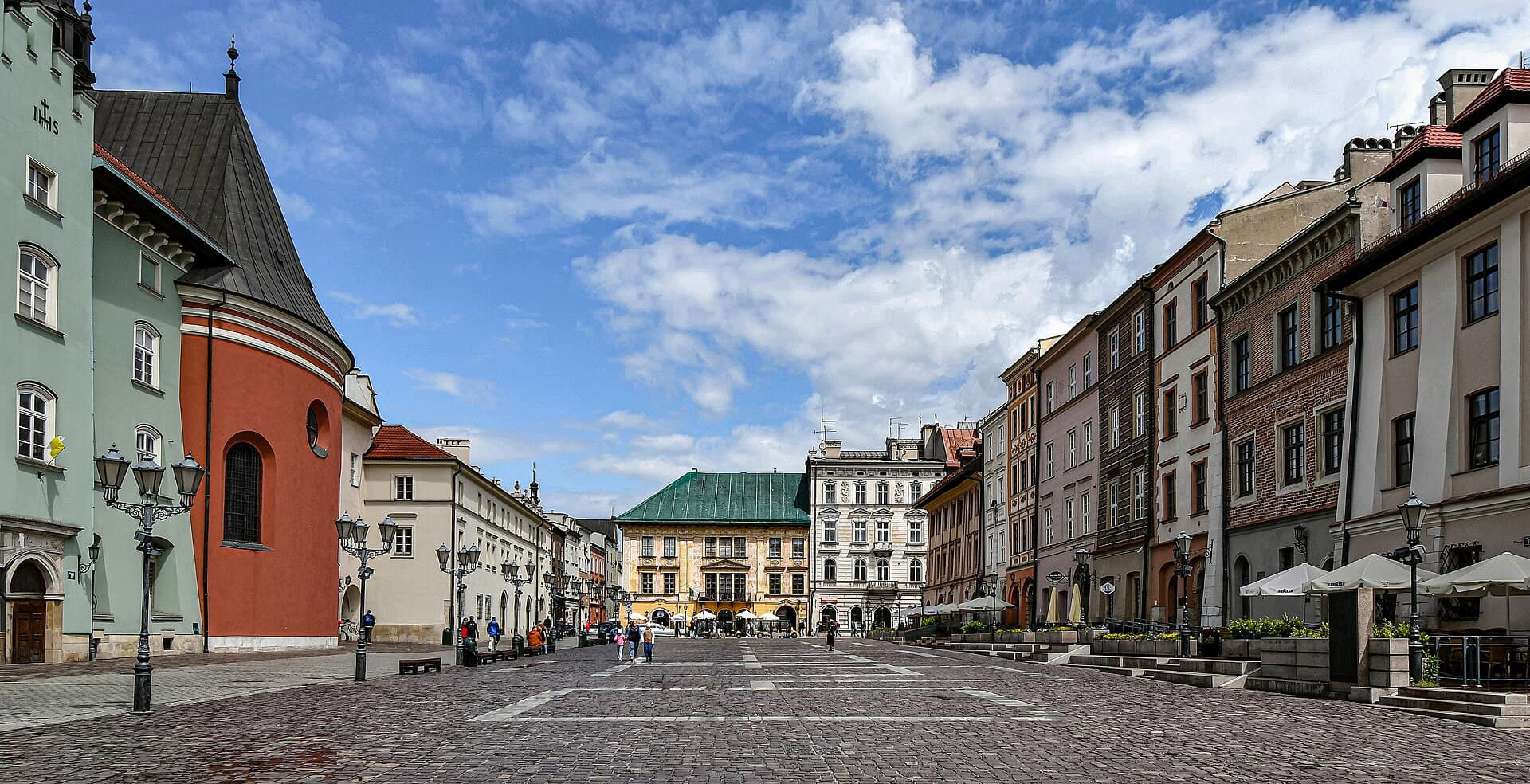 The Little Market SquareA square in the old town directly behind St Mary's Church, less than a hundred m3 minutes walk4.8
Largely yes. The appeal here is visual and historical more than scientific: a fifteenth-century house of five floors each with a different character, wooden fittings, ceramic vessels and an atmosphere closer to a stage set than a laboratory. Anyone who likes historic interiors will enjoy it without a medical background.
Not directly — this is a university museum on the history of the profession, while the Eagle Pharmacy in Podgórze is a museum of the ghetto and Tadeusz Pankiewicz. Both carry the word pharmacy but their subject and effect are entirely different. Do not confuse them when planning.