
Copernicus studied here
In the 1490s, before the theory that moved the Earth from the centre.
Zygmunt Put — CC BY-SA 4.0 · Igor123121 — CC BY 4.0 · Igor123121 — CC BY 4.0 · Igor123121 — CC BY 4.0
The oldest building of the Jagiellonian University, the second oldest university in central Europe after Prague, founded in 1364. The building is fifteenth-century Gothic around an inner courtyard with arcaded galleries, a stone stair and a clock that plays at set times as moving figures emerge from it. The courtyard is free to enter and worth it on its own. What is inside matters more: the professors' rooms, the old library and the assembly hall, along with one of Europe's most important collections of historic scientific instruments — astrolabes, globes and astronomical devices of the fifteenth and sixteenth centuries. Among them is a globe of about 1510 carrying one of the earliest known depictions of the American continent. Nicolaus Copernicus studied here in the 1490s, before writing the theory that placed the sun at the centre. Karol Wojtyła, later Pope John Paul II, studied here as well. The interior is seen on guided tours at set times — book, or ask about times on arrival.
In the 1490s, before the theory that moved the Earth from the centre.
Carrying one of the earliest known depictions of the American continent.
Astrolabes and astronomical devices from among Europe's most important collections.
Jagiellońska street, the old town
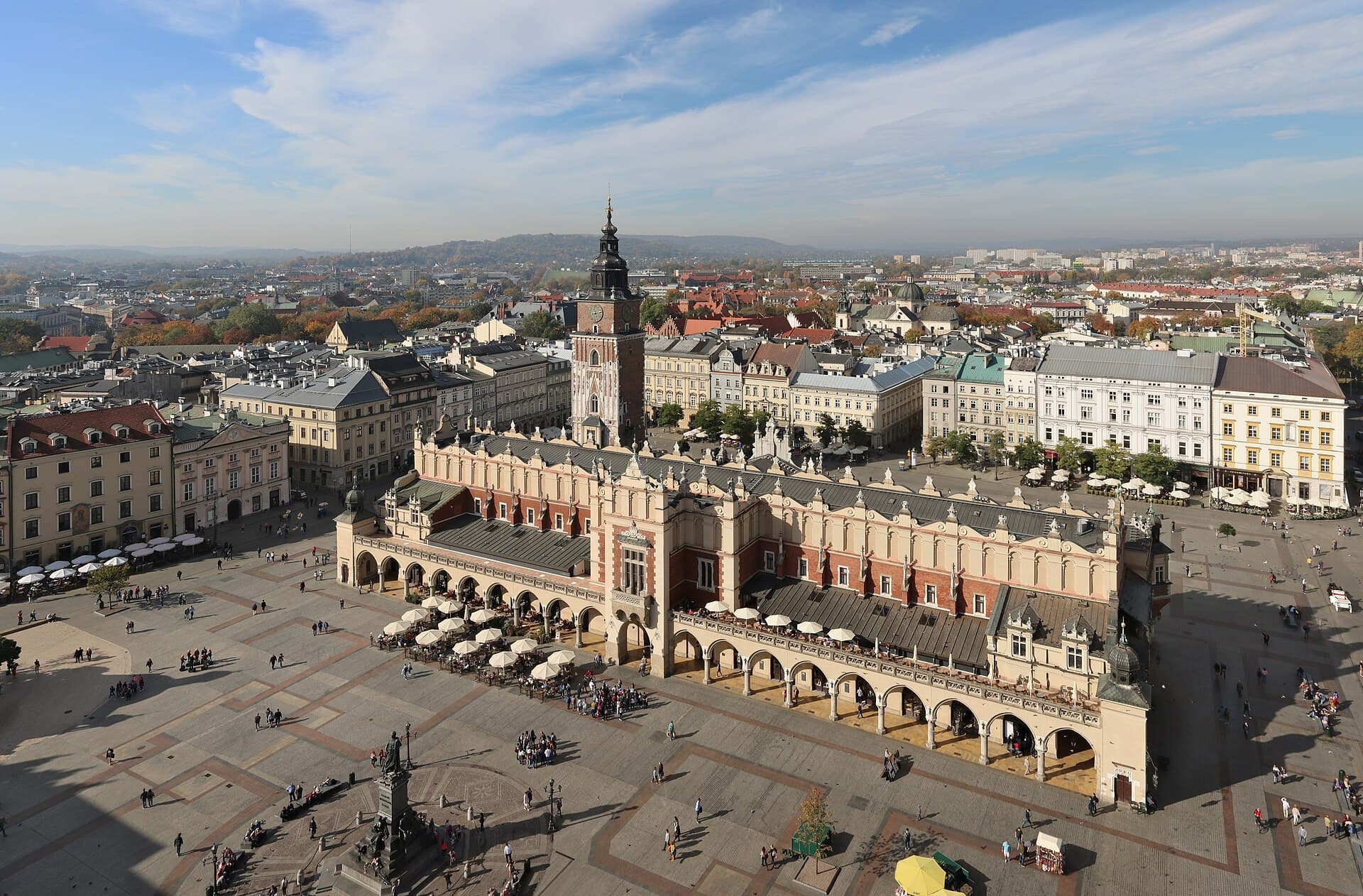 The Main Square (Rynek Główny)The Rynek is medieval Europe's greatest square: two hundred metres by the same, 3 minutes walk4.7
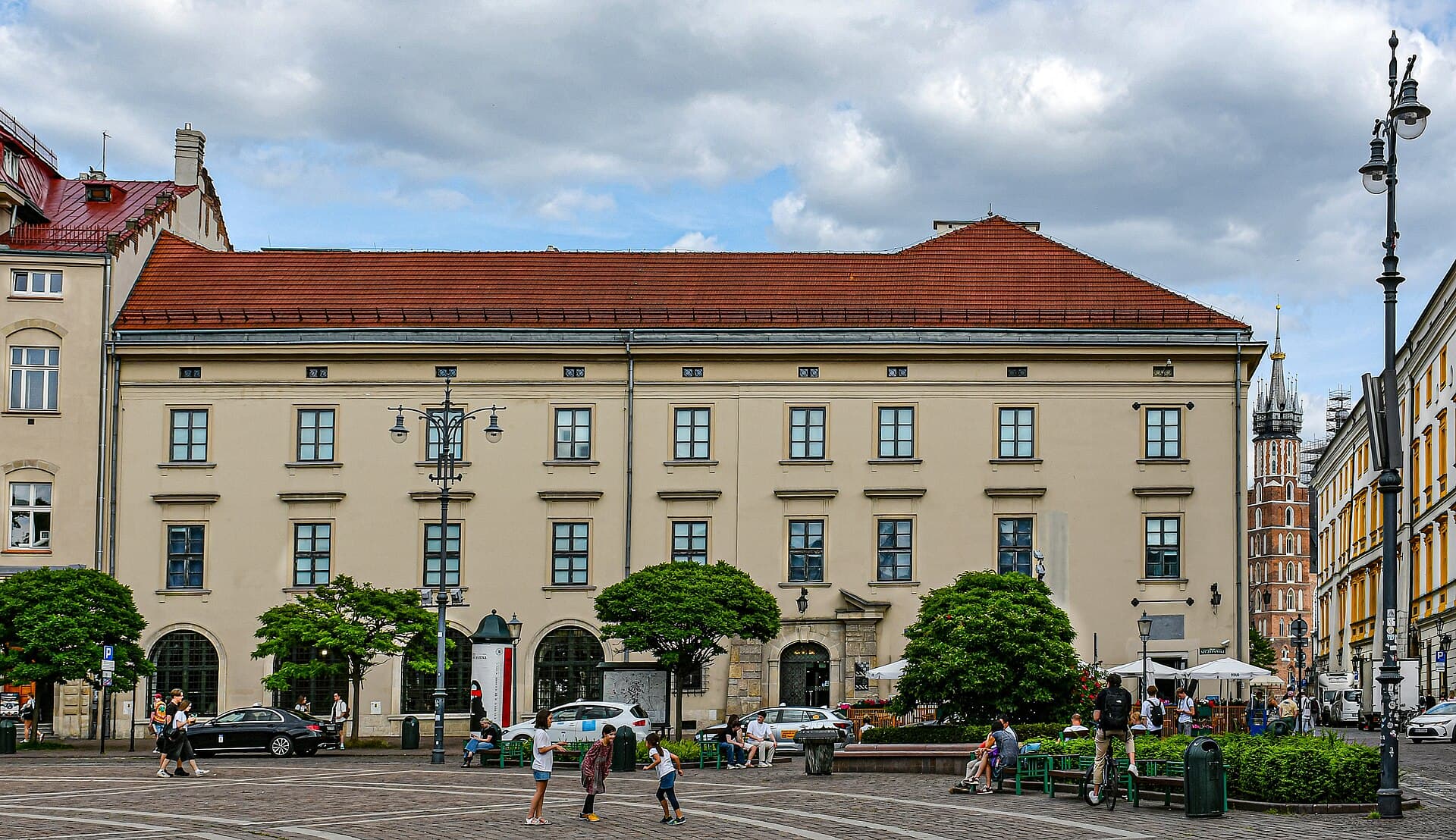 The Szołayski HouseA nineteenth-century town house on Plac Szczepański in Kraków, a branch of the N3 minutes walk4.7
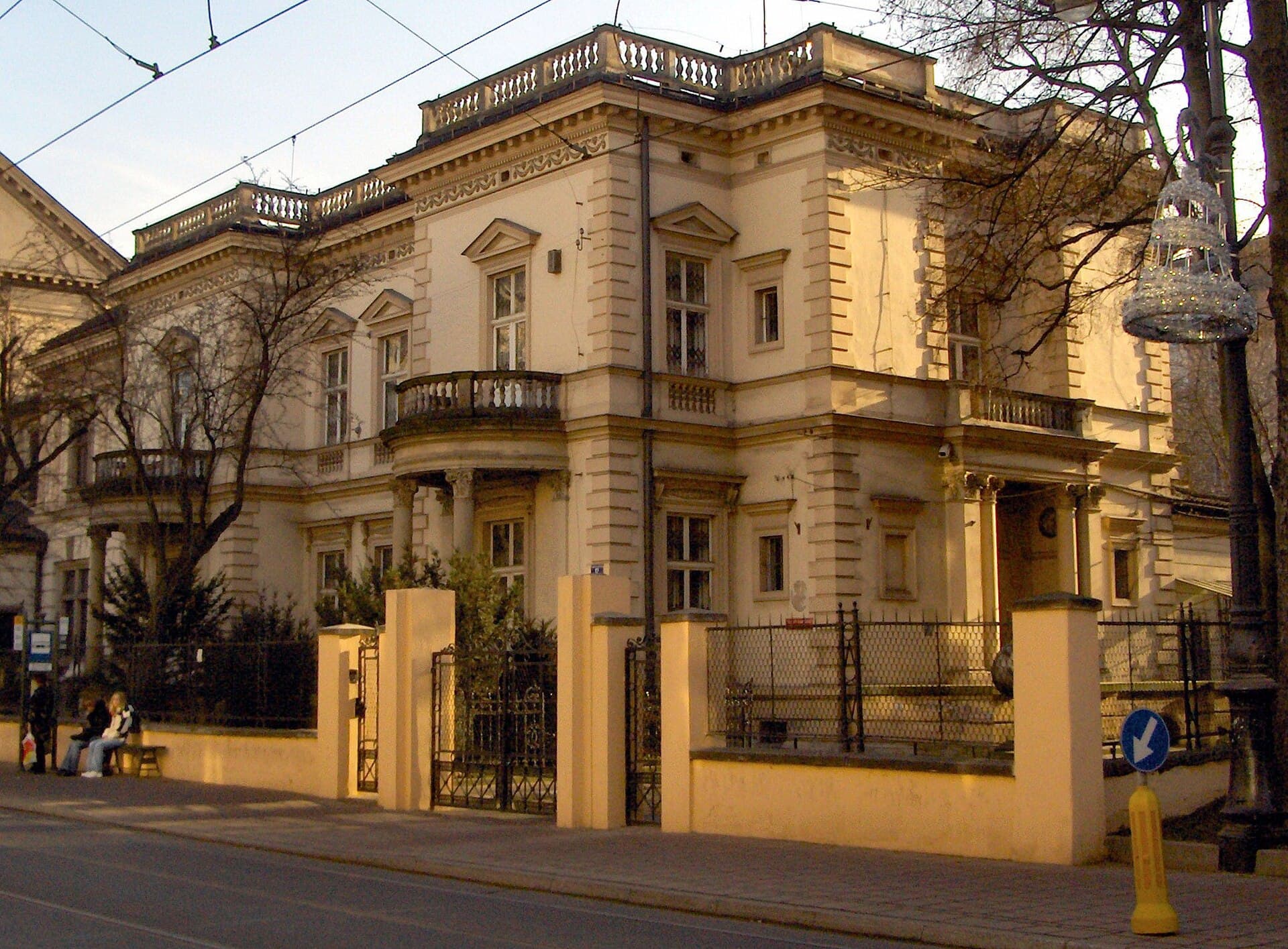 The Emeryk Hutten-Czapski MuseumA museum of coins and medals in a nineteenth-century villa in Kraków, built arou4 minutes walk4.7
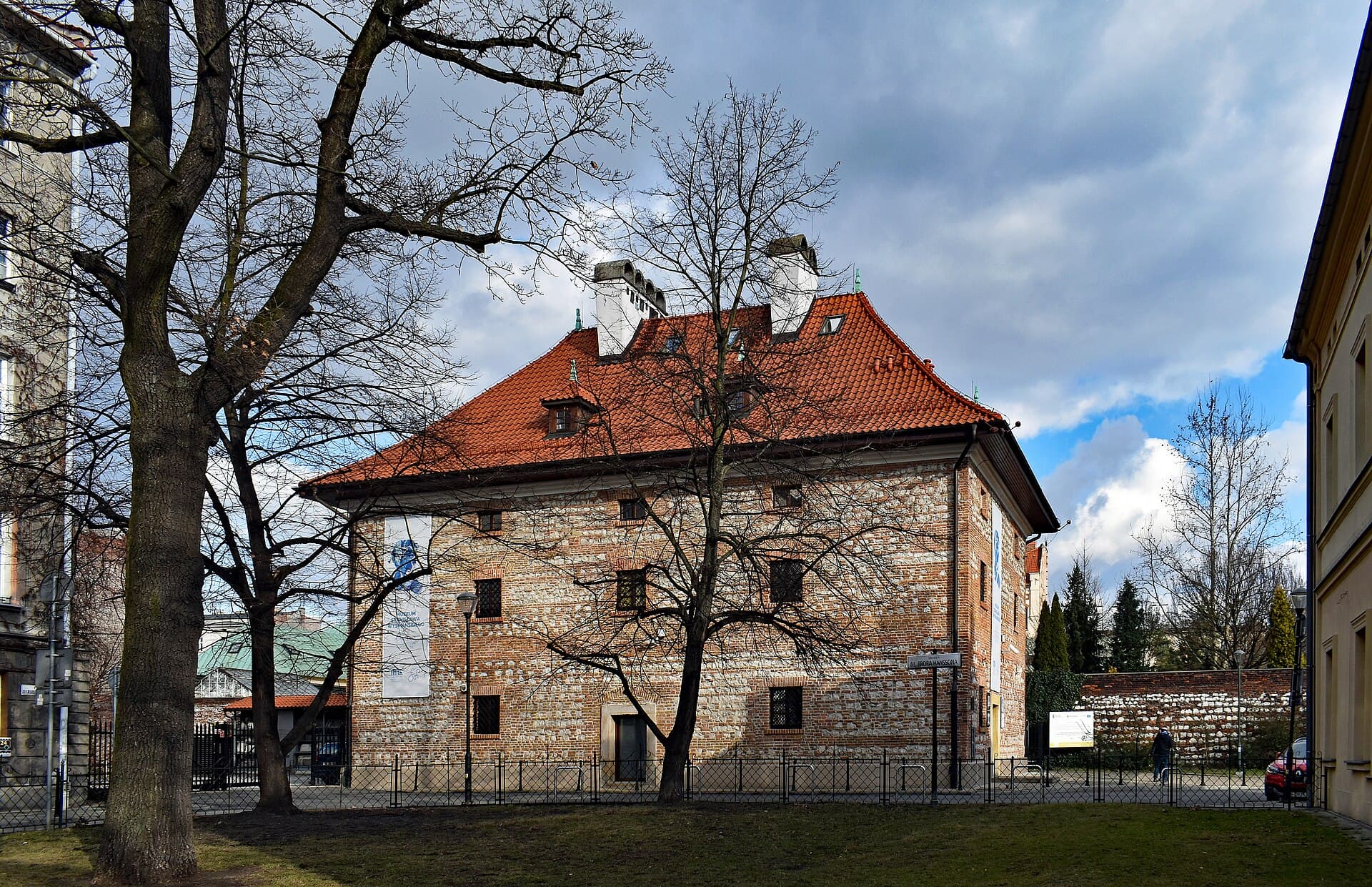 Stanisław Wyspiański MuseumA museum devoted to Stanisław Wyspiański, a branch of the National Museum in Kra4 minutes walk4.4
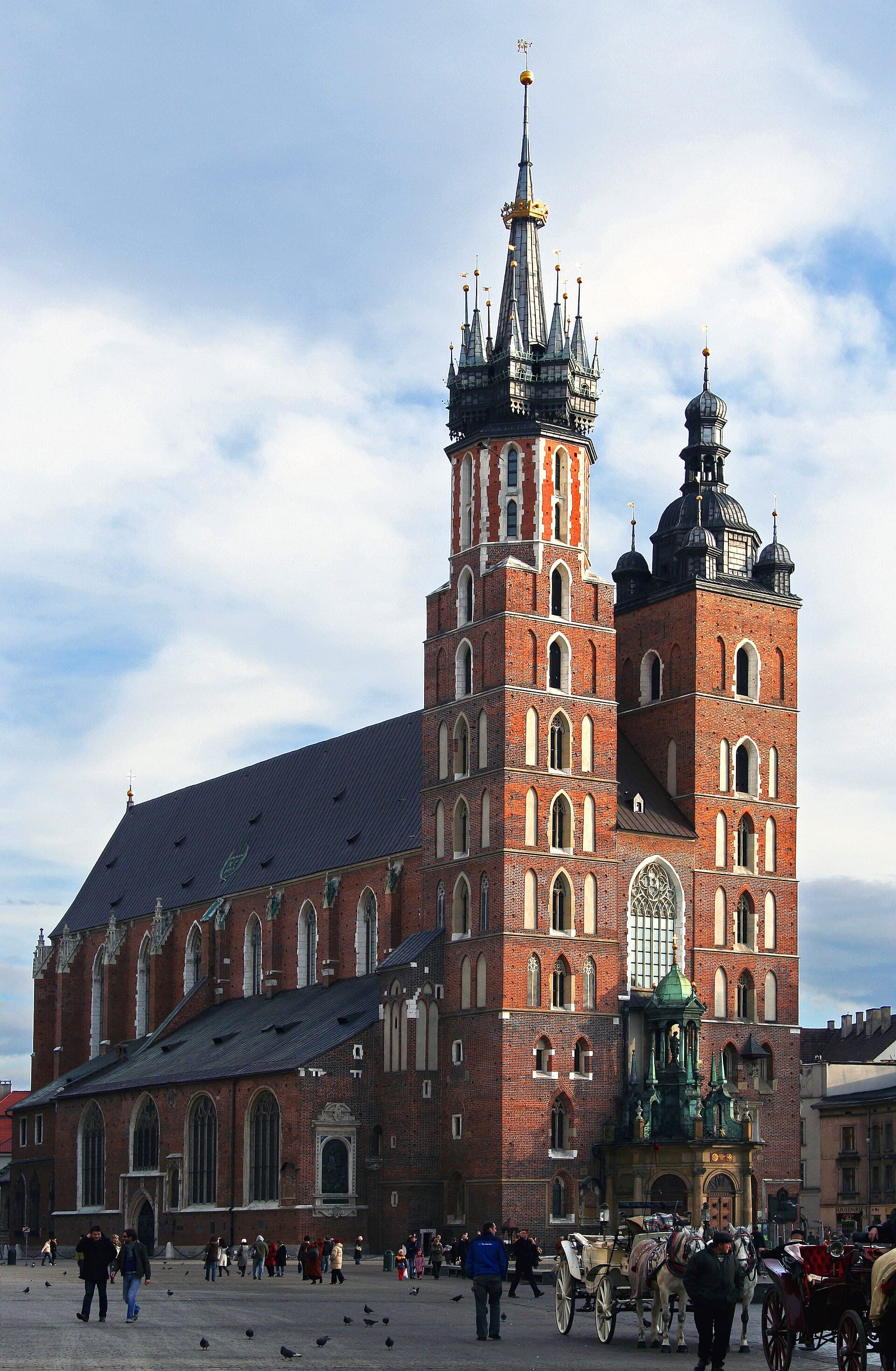 St. Mary's BasilicaSt. Mary's is Krakow's Gothic jewel: her unequal towers (the legend: two builder5 minutes walk4.7
Before him the prevailing model placed a motionless Earth at the centre of the universe with everything revolving around it, as it had for more than a thousand years. In his book published in 1543 Copernicus proposed that the sun is at the centre and that the Earth is a planet orbiting it and rotating on its axis. That displaced the Earth — and humanity — from the centre, and was among the deepest shifts in the history of thought.
Strongly advisable. Interior tours are limited in number and run at set times, and they sell out in season. If you arrive without a booking, ask immediately for the first available slot and plan the rest of your day around it. The courtyard needs nothing — walk in at any time, free.