
Houses on stilts
Colourful tiled stairs.
Chongkian — CC BY-SA 4.0 · Chongkian — CC BY-SA 4.0 · Richard Horvath — CC BY-SA 3.0 · *angys* — CC BY-SA 4.0 · Chongkian — CC BY-SA 4.0
A traditional Malay village on the bank of the Malacca River that seems to have stood outside time in the middle of a modern city: more than a hundred timber houses on stilts, with pitched roofs, colourful tiled stairs and small gardens of pots and flowers, and modern towers looking down from the far bank. The village is named after a British land revenue collector, Frederick Morten, and was declared a heritage village in 1989. Its people still live here, so a visit is a walk through a living neighbourhood rather than an open-air museum, and quiet behaviour and respect for privacy are a must. Its highlight is Villa Sentosa, the house of a well-to-do Malay family from the early twentieth century turned into a living museum, where family members welcome visitors and show old furniture, photographs and household wares. Entry is by donation and hours are flexible because it is a lived-in home; it may close around midday and at prayer times. The riverside walkway runs past the village and the river cruise boats pass it too, so see it from the water and then come back to wander on foot. Late afternoon is the nicest time, as the sun softens and the village lights up in the evening.
Colourful tiled stairs.
A living museum in a family home.
An old village in a modern city.
On the bank of the Malacca River, about a kilometre north of the old town
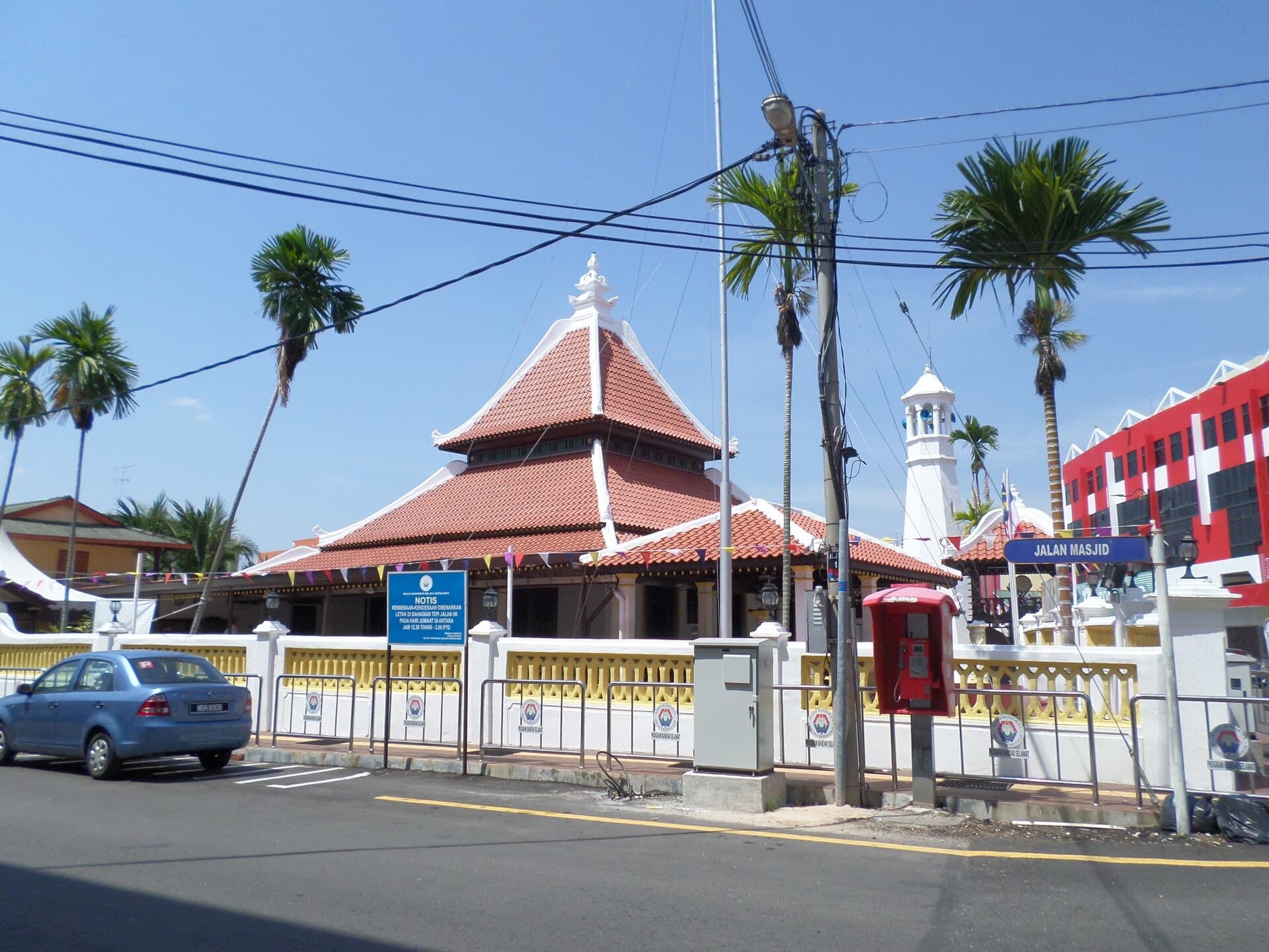 Kampung Hulu Mosque, Malacca's OldestMalacca's oldest mosque and one of the oldest in all Malaysia, built around 17207 minutes walk
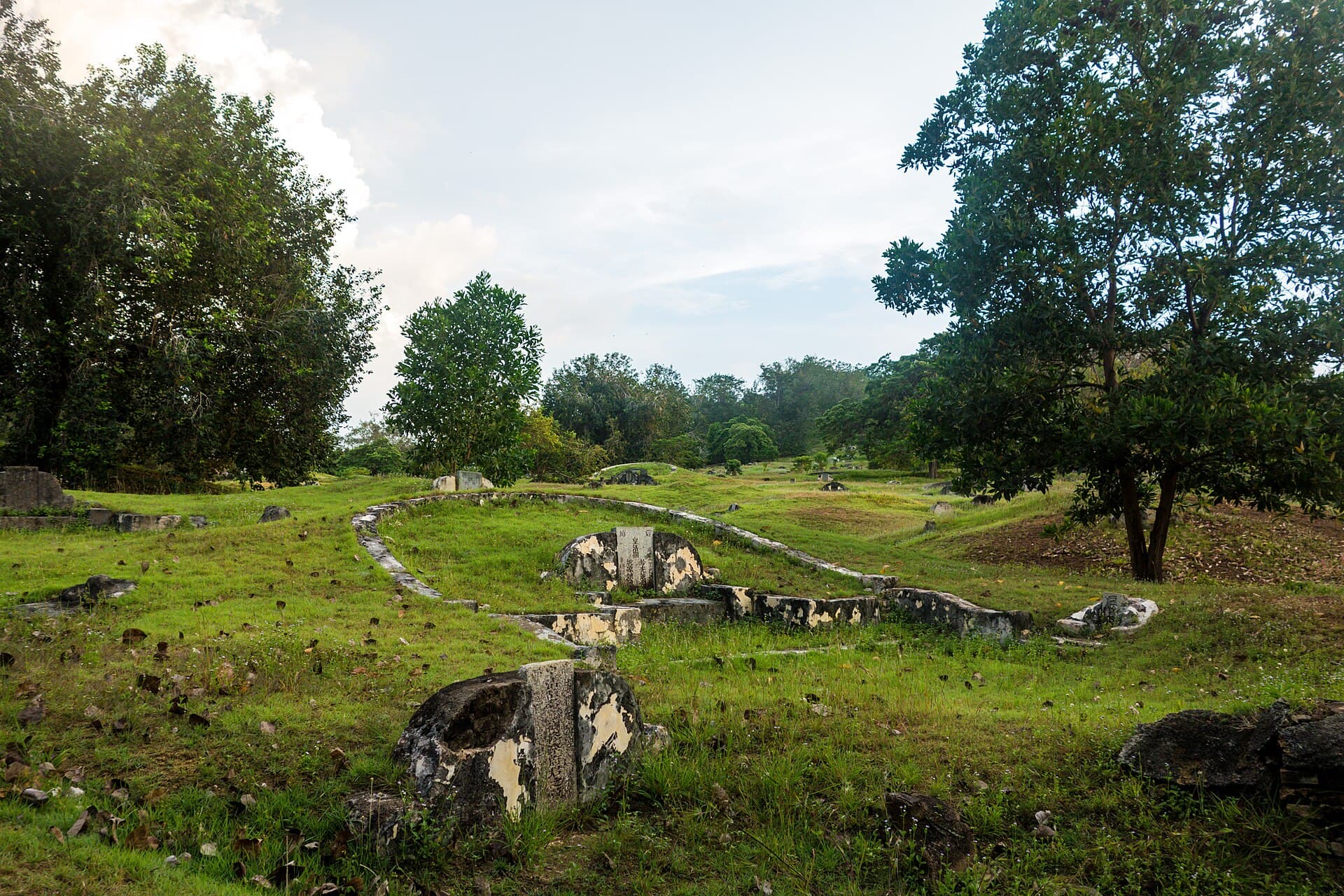 Bukit ChinaA wide green hill east of the old town, tied to one of Malacca's best-known stor9 minutes walk
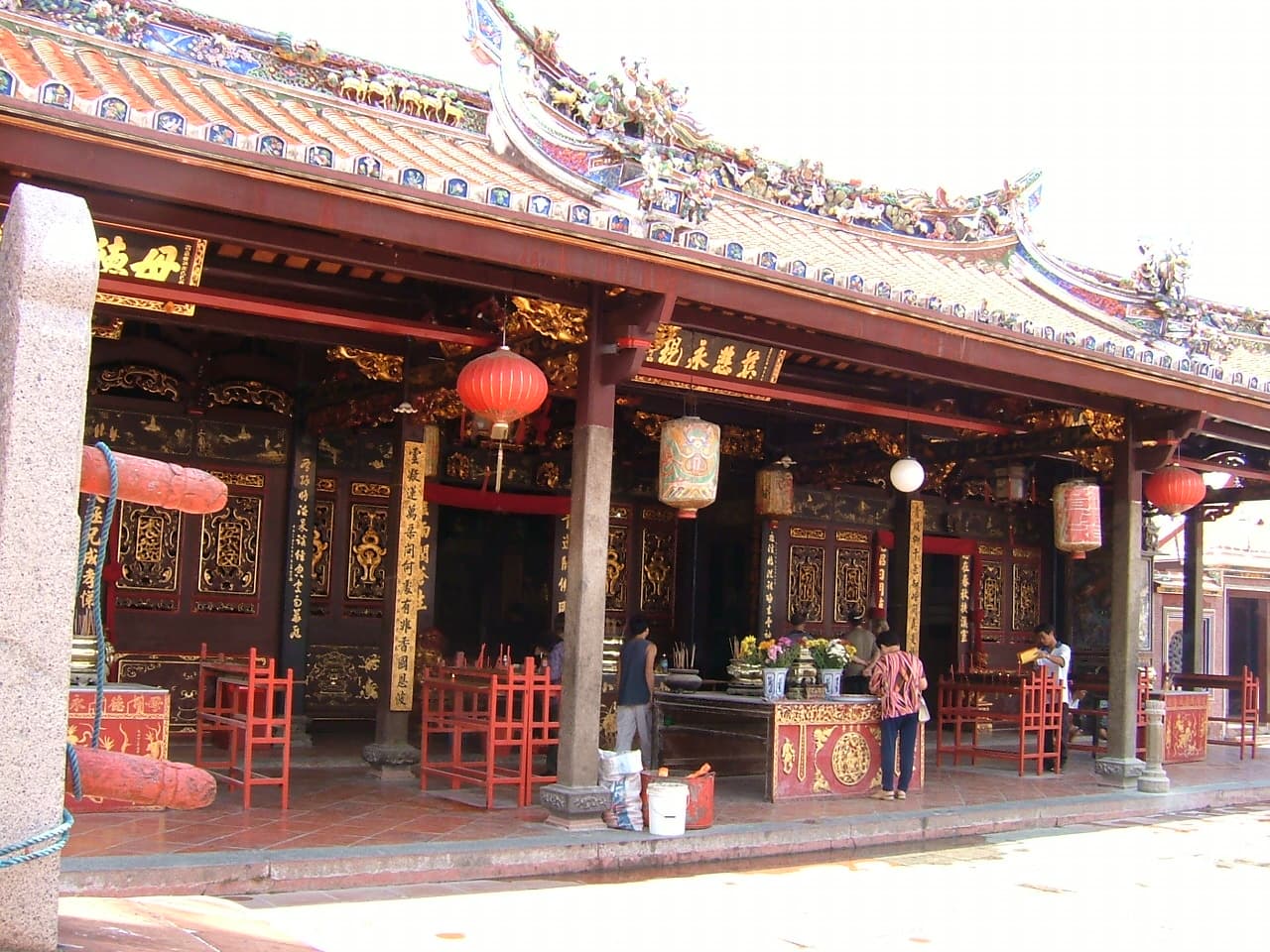 Cheng Hoon Teng TempleThe oldest functioning Chinese temple in Malaysia, founded by the leader of Mala10 minutes walk
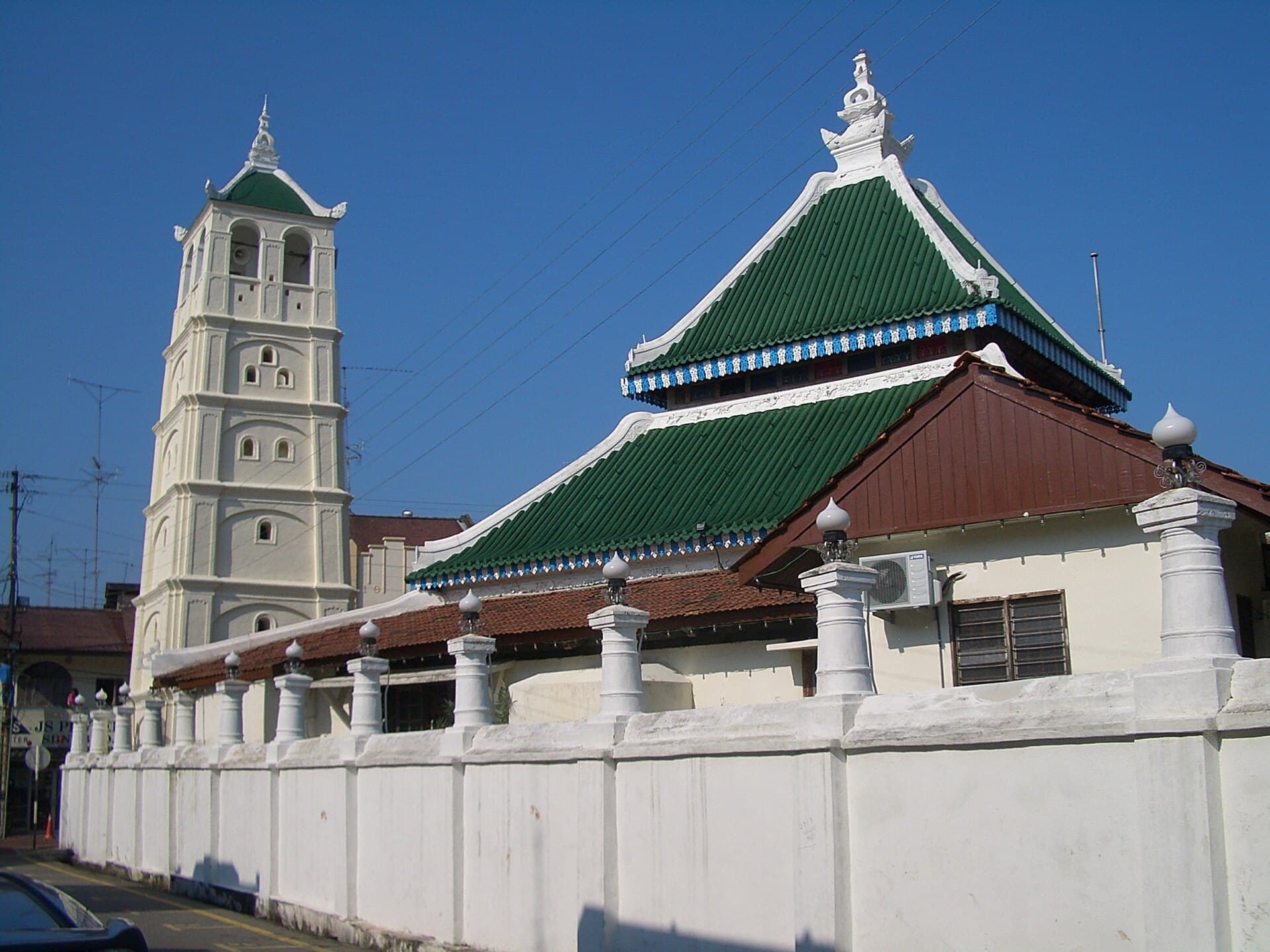 Kampung Kling MosqueOne of the oldest mosques on the Malay Peninsula, founded by Indian Muslim trade10 minutes walk
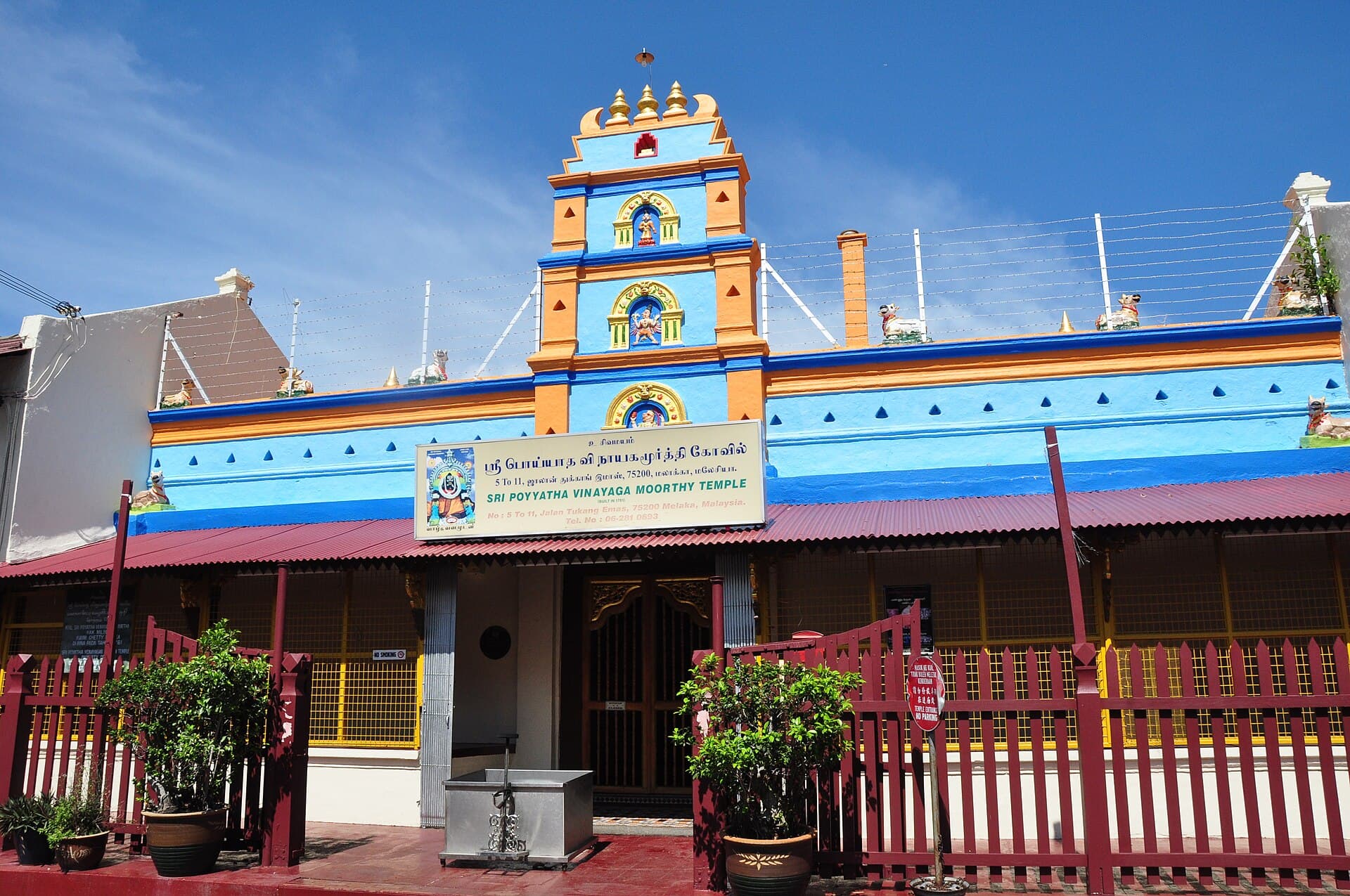 Sri Poyatha Moorthi TempleThe oldest Hindu temple still in use in Malaysia, built in 1781 by the leader of10 minutes walk
It is a lived-in home, so hours are flexible; it usually opens in the daytime with a break around midday and may close at prayer times. If you find it closed, a walk around the village is still worthwhile.