
The Hang Li Po story
The sultan's gift to the princess's retinue.
Visions of Domino — CC BY 2.0 · User:Vmenkov — CC BY-SA 3.0 · Richard Horvath — CC BY-SA 3.0 · CEphoto, Uwe Aranas — CC BY-SA 3.0 · Visions of Domino — CC BY 2.0
A wide green hill east of the old town, tied to one of Malacca's best-known stories: in the fifteenth century, it is said, Sultan Mansur Shah gave it to the retinue of the Chinese princess Hang Li Po, who came to marry him, and they settled here, so it became known as Chinese Hill. Today the hill and its two neighbours are covered by an old Chinese cemetery of more than twelve thousand graves, some dating from the Ming dynasty, said to be the largest Chinese cemetery outside China. In the 1980s it survived a plan to level it after a broad campaign by the Chinese community. Old horseshoe-shaped tombs are scattered among the grass and trees, and paths climb between them that townspeople use for walks and exercise in the morning and evening, with views over Malacca's rooftops from the top. Entry is free and there is little shade, so avoid the midday hours. At the foot of the hill are Hang Li Poh's Well and the small Poh San Teng Temple, so start there and then climb. Respect the place as a cemetery: keep to the paths and do not sit on the graves.
The sultan's gift to the princess's retinue.
A historic Chinese cemetery.
Views over Malacca's rooftops.
East of the old town, above Hang Li Poh's Well and Poh San Teng Temple
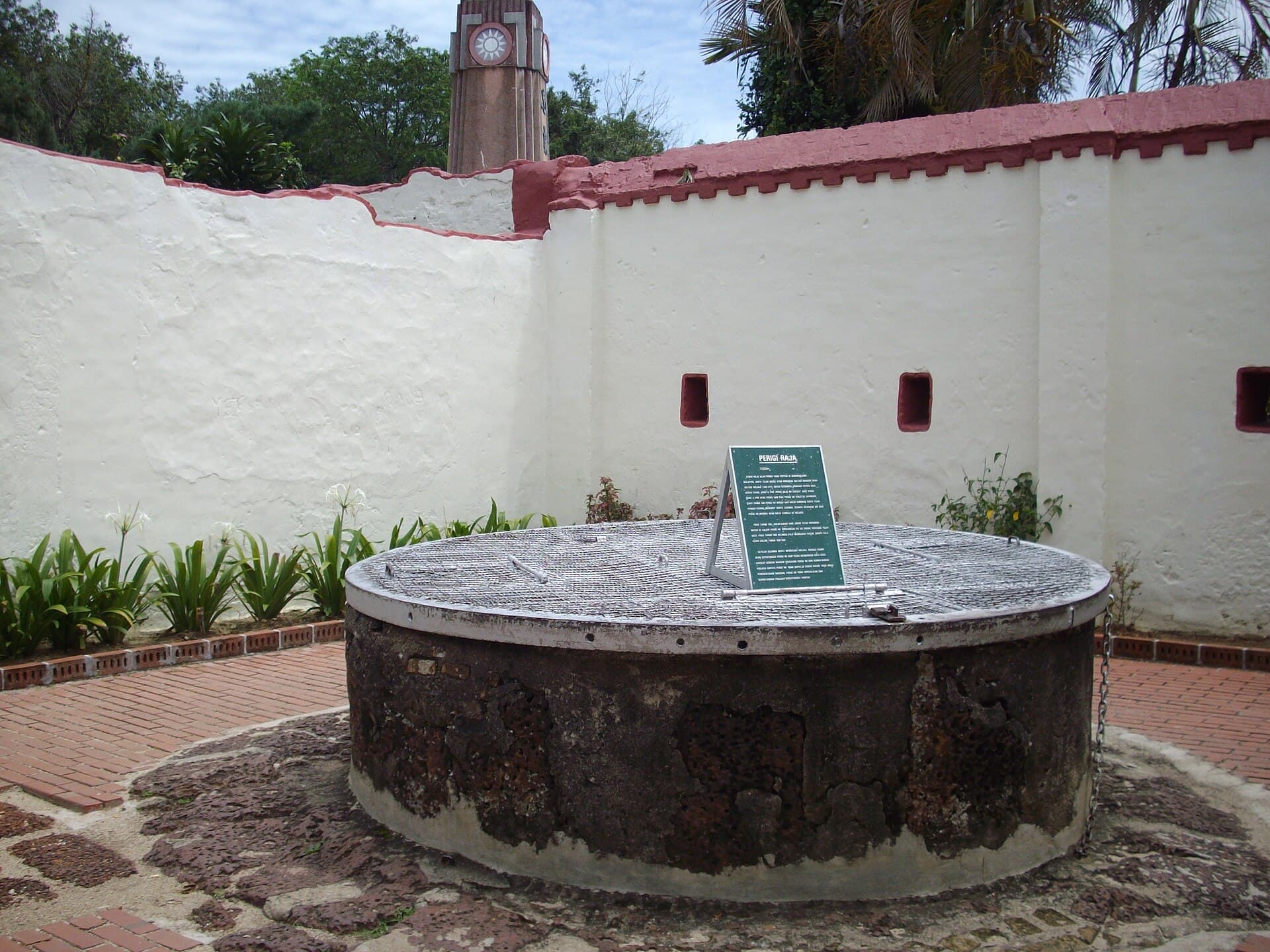 Hang Li Poh's Well (King's Well)The oldest well in Malaysia, dug in 1459 by the followers of the Chinese princes4 minutes walk
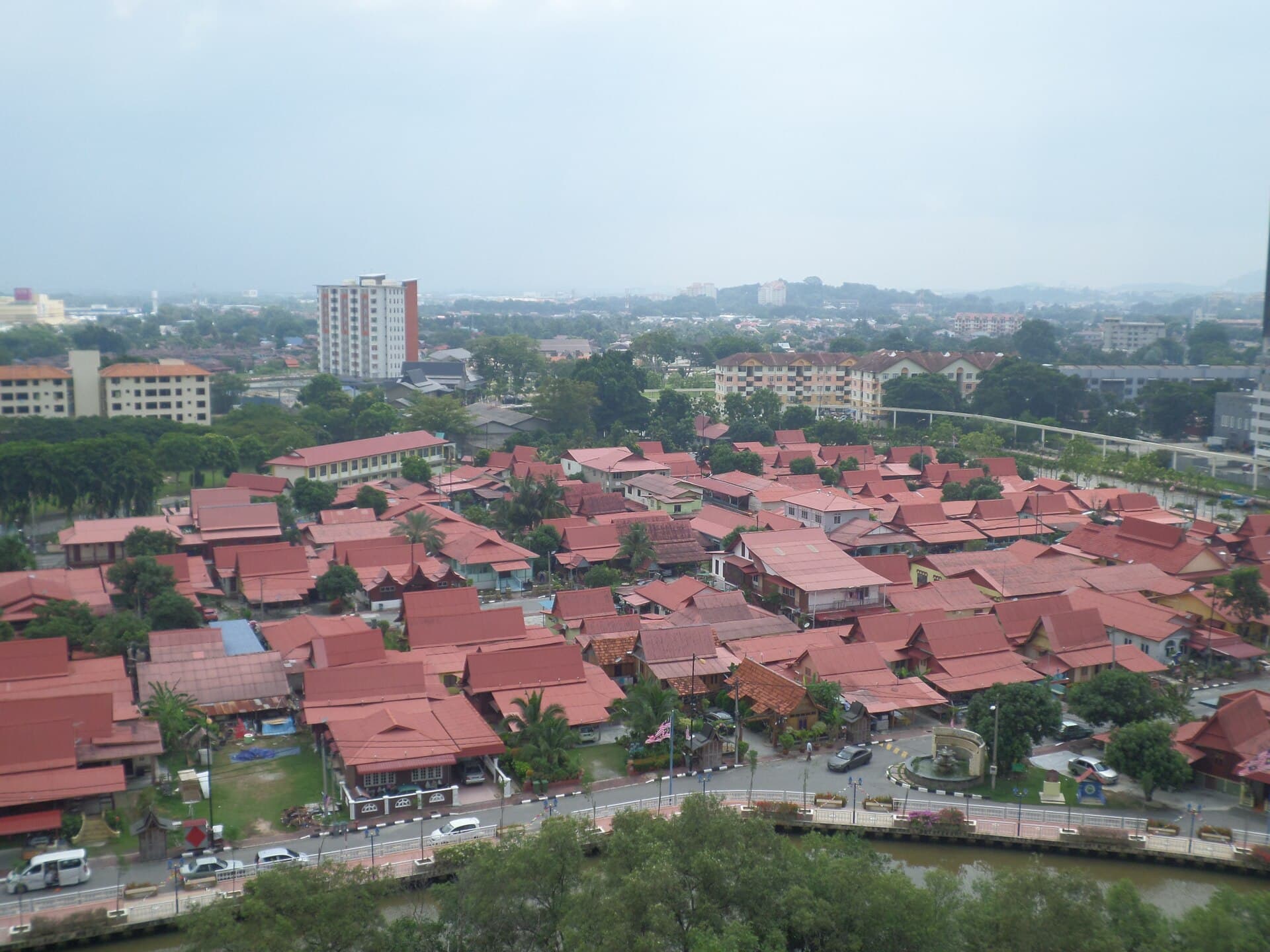 Kampung MortenA traditional Malay village on the bank of the Malacca River that seems to have 9 minutes walk
 Church of St Francis XavierA twin-towered neo-Gothic Catholic church overlooking the Malacca River a few mi10 minutes walk
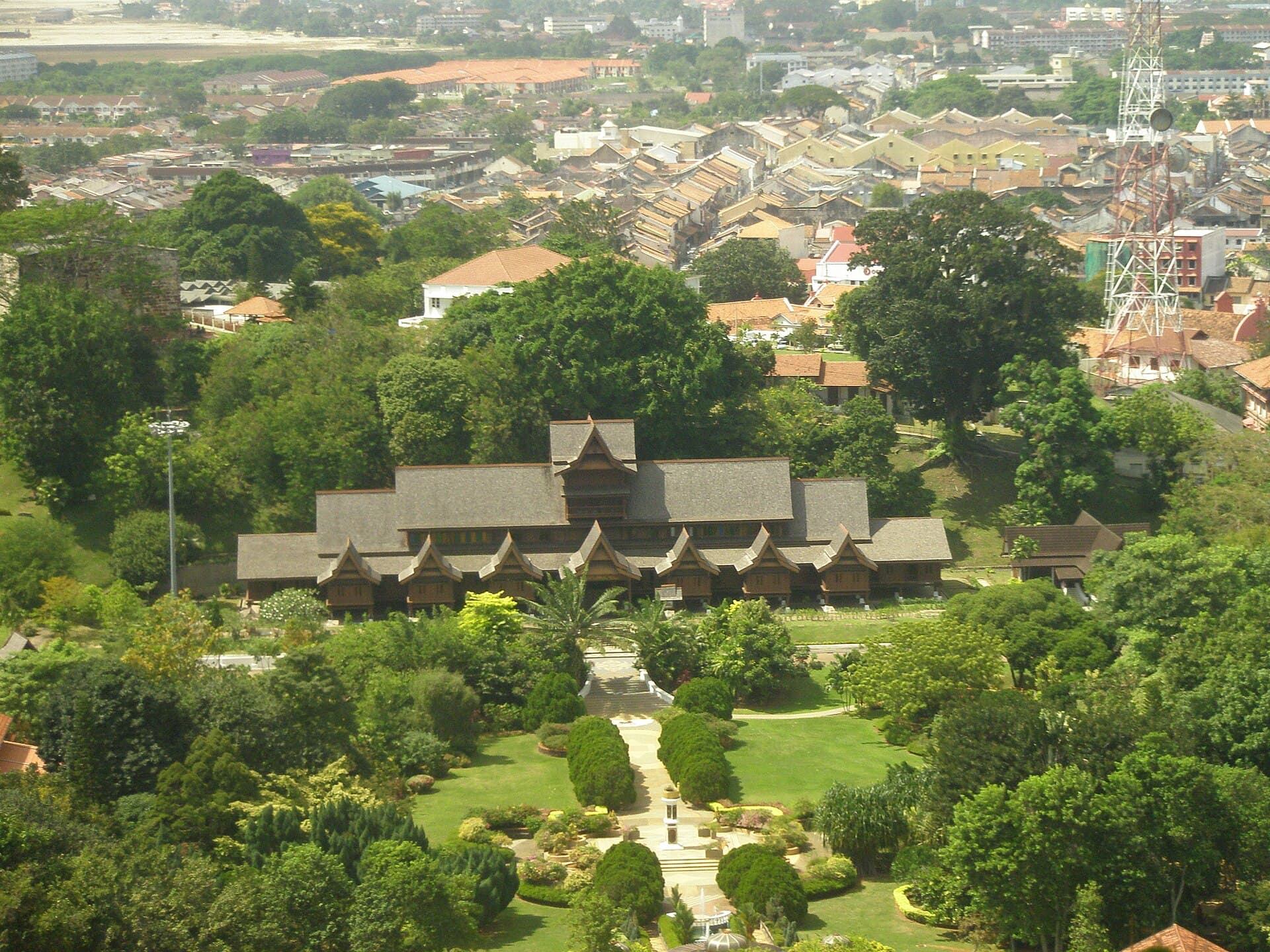 Melaka Sultanate Palace MuseumBefore the Portuguese arrived in 1511, Malacca was the capital of a Muslim sulta12 minutes walk4.3
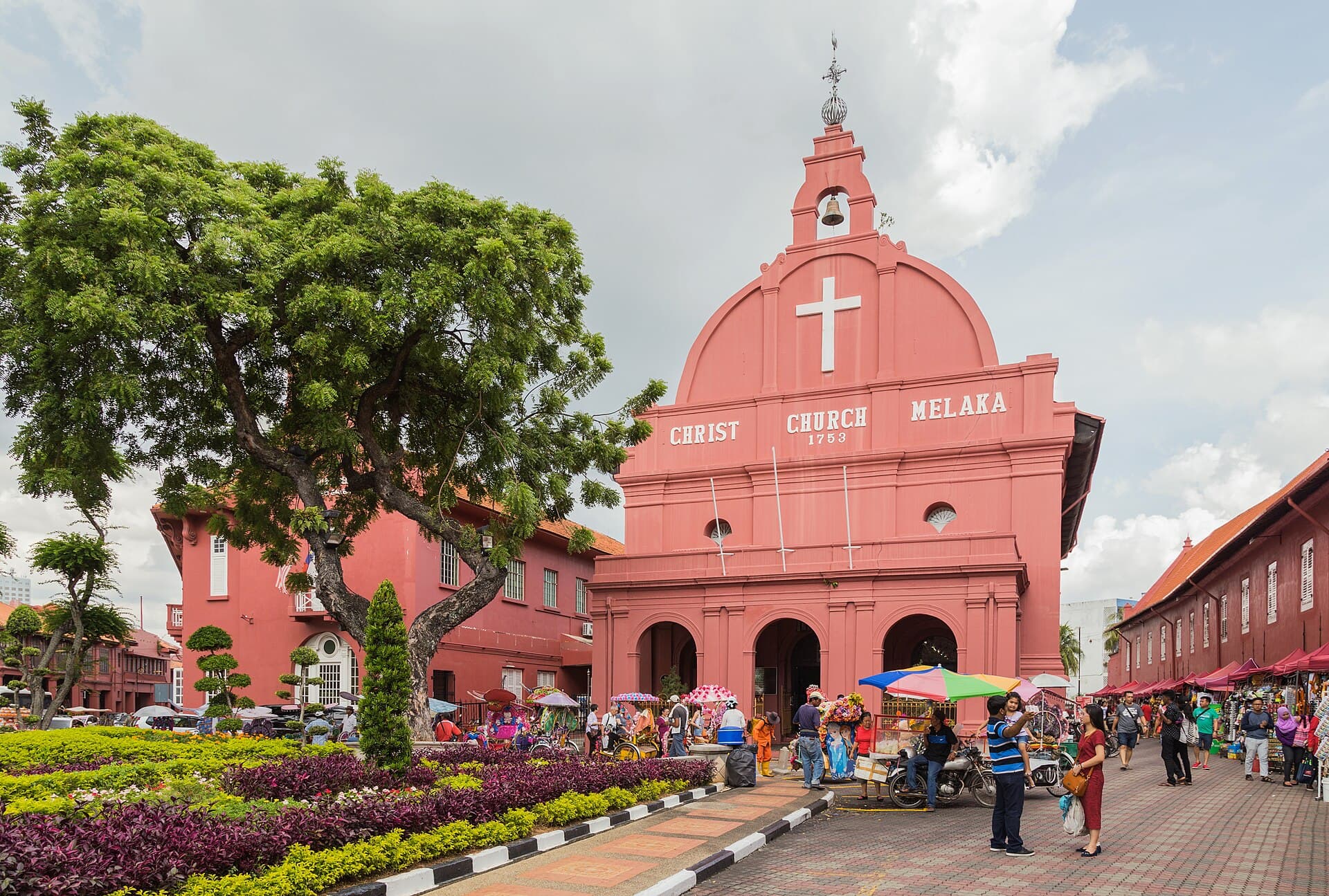 Christ Church, MalaccaThe red building at the front of most photographs of Malacca stands in Dutch Squ12 minutes walk
It is both a historic cemetery and a walking spot for townspeople, so it suits those who enjoy history and a walk in the early morning or before sunset, keeping to the paths and respecting the graves.