
A Bavarian prince as King of Greece
Otto became King of Greece in 1832, and hence the gift of bronze.
Carsten Steger — CC BY-SA 4.0 · Alexander-93 — CC BY-SA 4.0 · Matti Blume — CC BY-SA 4.0 · Matti Blume — CC BY-SA 4.0
A circular square in Munich's Maxvorstadt where five streets meet, with a black obelisk about twenty-nine metres high at its centre. The obelisk was raised in 1833, and the material it is made of is the story: it was cast from the bronze of Turkish cannon captured by the Greeks in their war of independence, and presented to Bavaria because the Bavarian prince Otto had become King of Greece in 1832. What it commemorates is heavier: it was raised to the memory of around thirty thousand Bavarian soldiers who died in Napoleon's Russian campaign of 1812. Bavaria was then allied to France, so its army was sent east, and little of it returned — most died of cold, hunger and disease rather than in battle. The inscription on the base says they too died for the freedom of the fatherland — a formulation trying to give meaning to death in a war that was not theirs. The square lies on the natural walk between Odeonsplatz and the Kunstareal.
Otto became King of Greece in 1832, and hence the gift of bronze.
Most of the thirty thousand perished of hunger and cold in the retreat from Russia.
They too died for the freedom of the fatherland — in a war that was not theirs.
Brienner Straße, the Maxvorstadt district
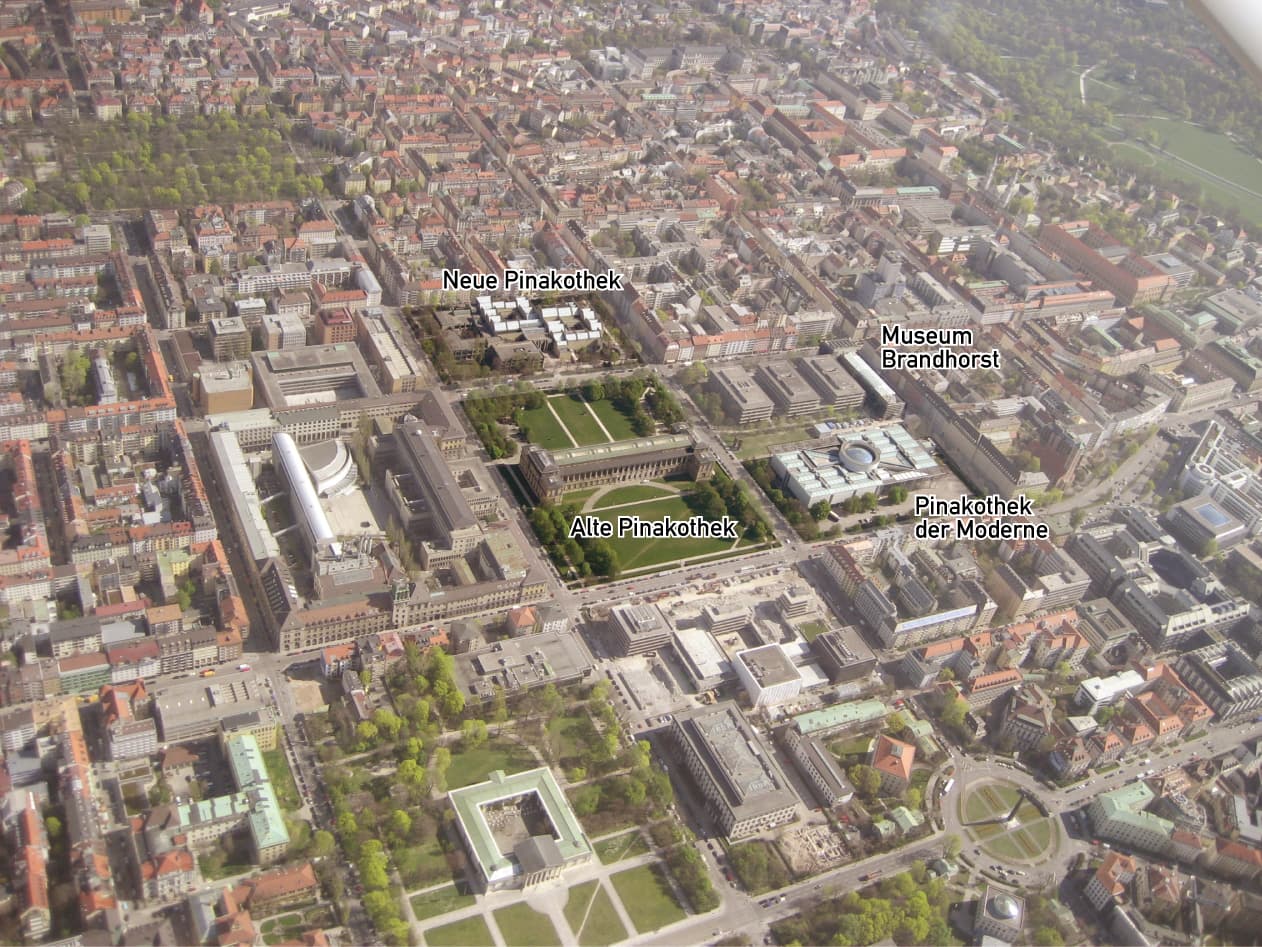 The KunstarealA quarter in northern central Munich where sixteen museums, forty galleries and 1 minute walk4.8
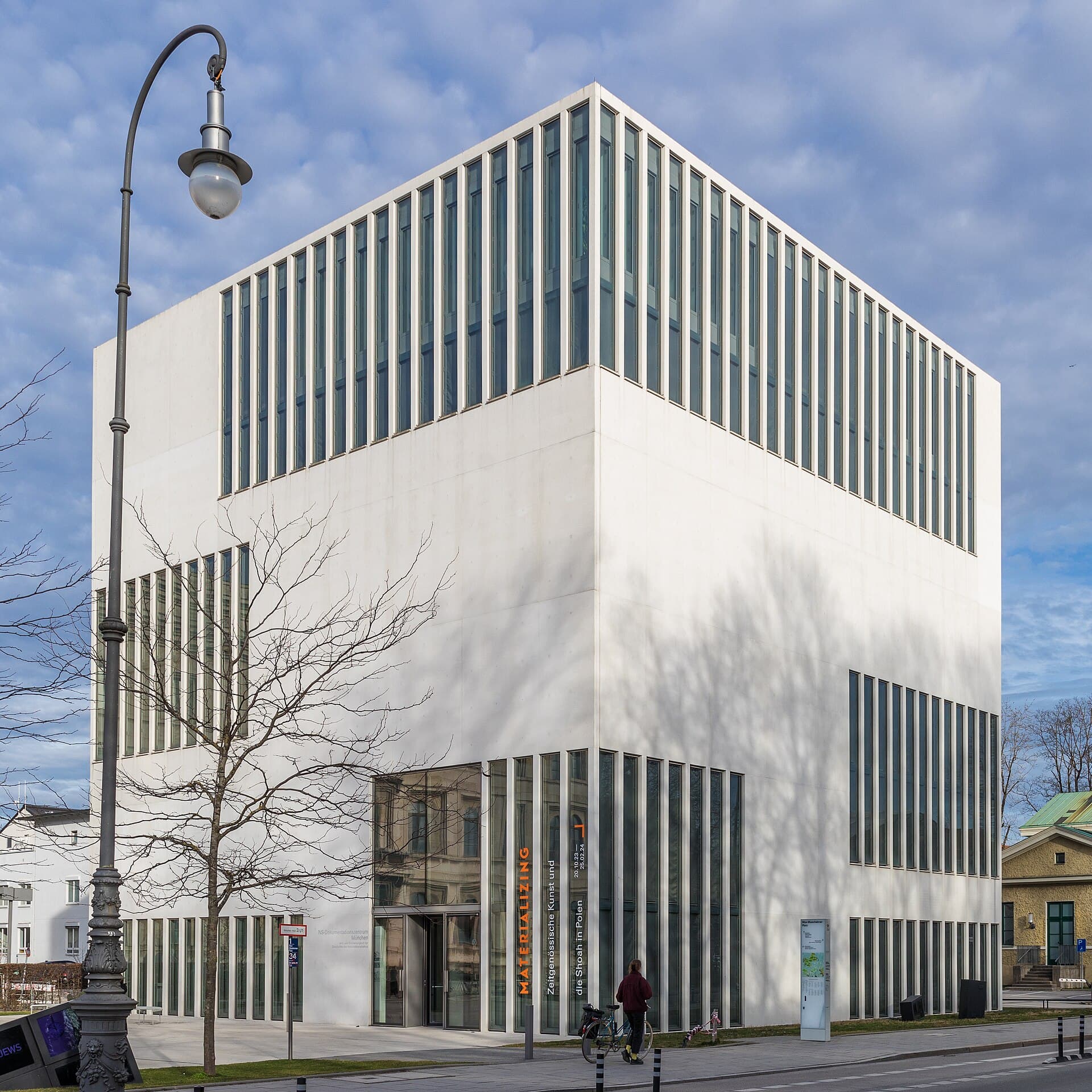 Munich Documentation Centre for the History of National SocialismA stark white cube standing deliberately on the most charged ground there is: th2 minutes walk4.8
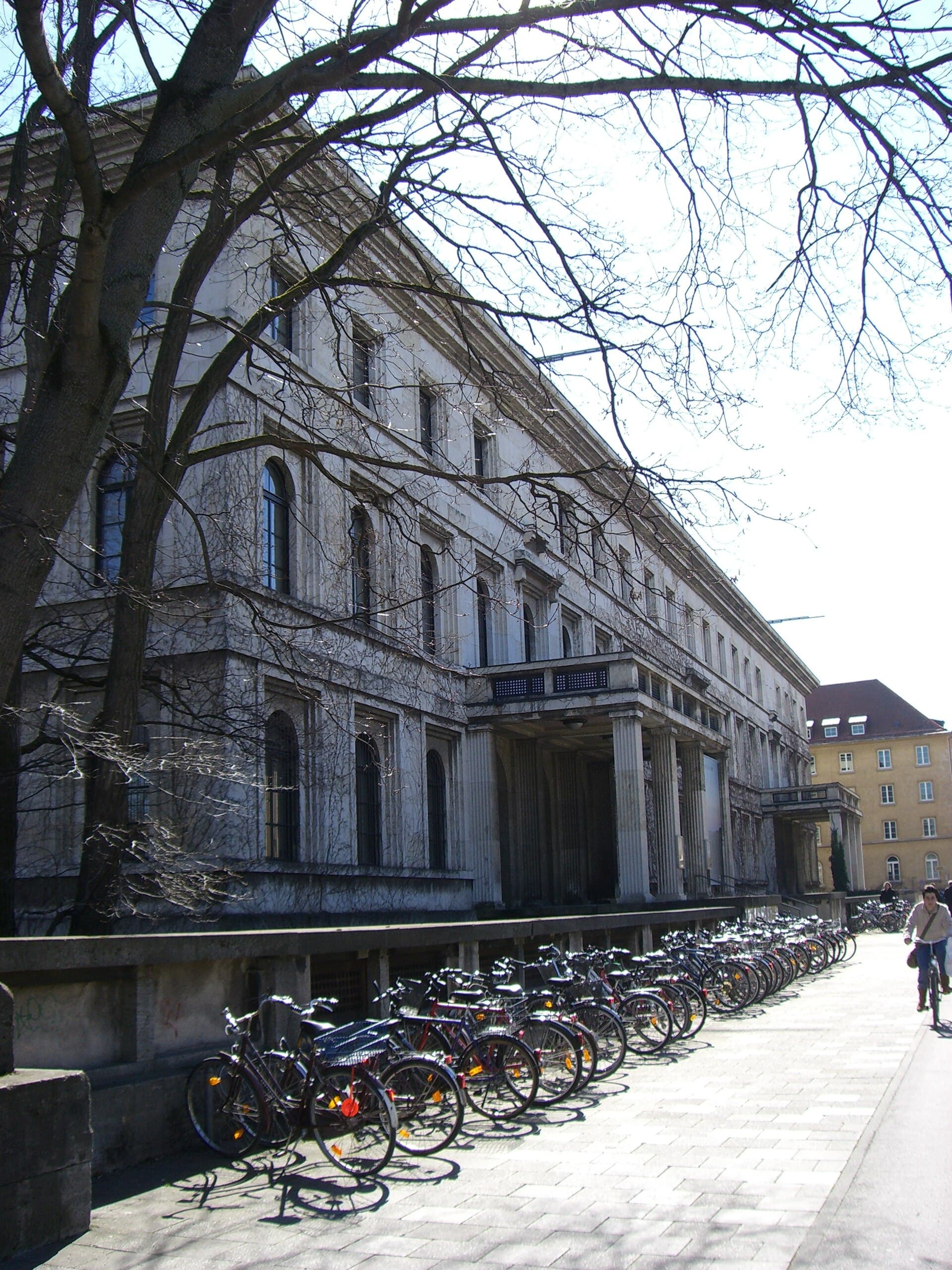 Museum of Classical CastsThe Museum für Abgüsse displays plaster casts of Greek and Roman sculpture — not2 minutes walk4.8
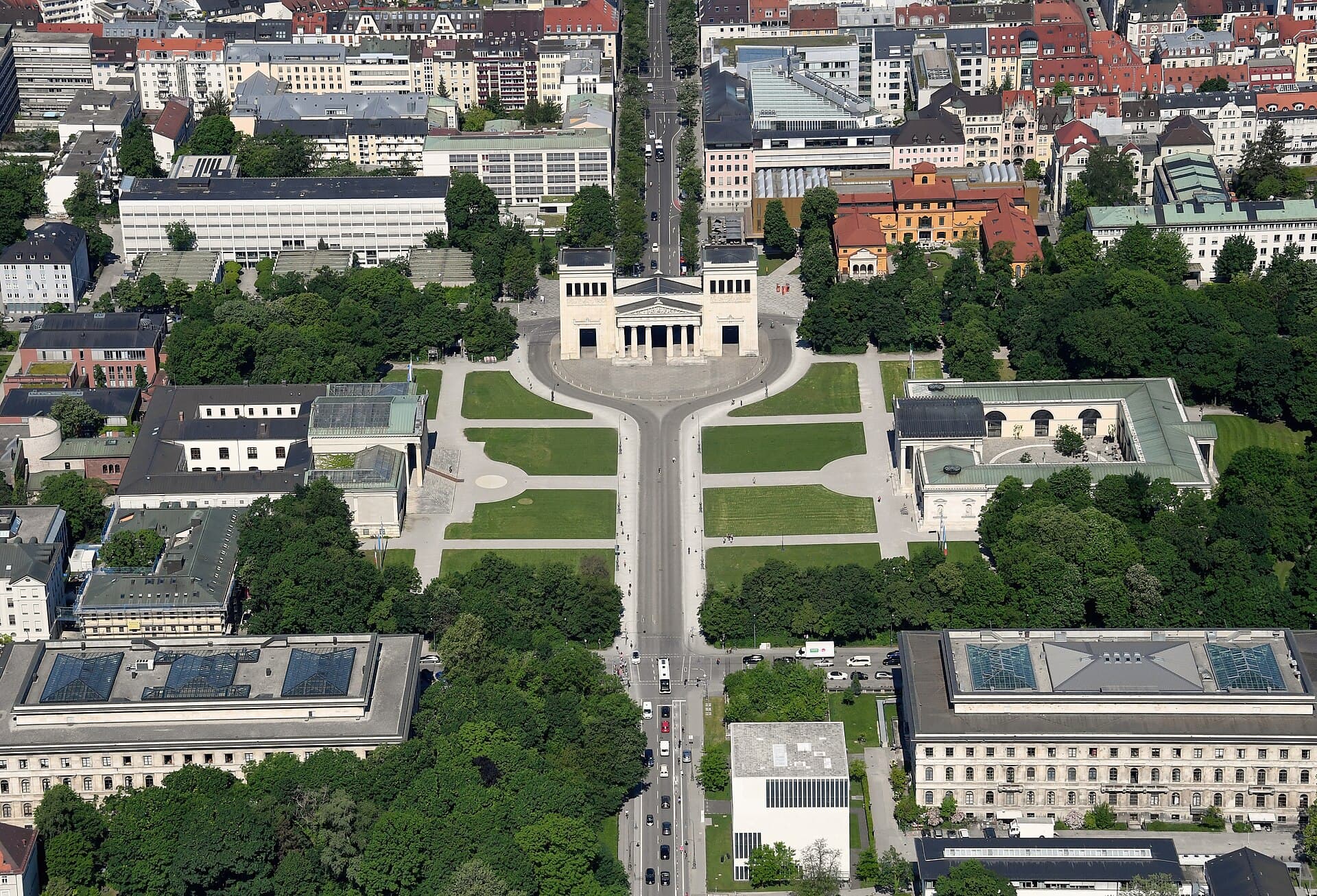 KönigsplatzKönigsplatz is a large open square in Munich, built in the nineteenth century in4 minutes walk4.5
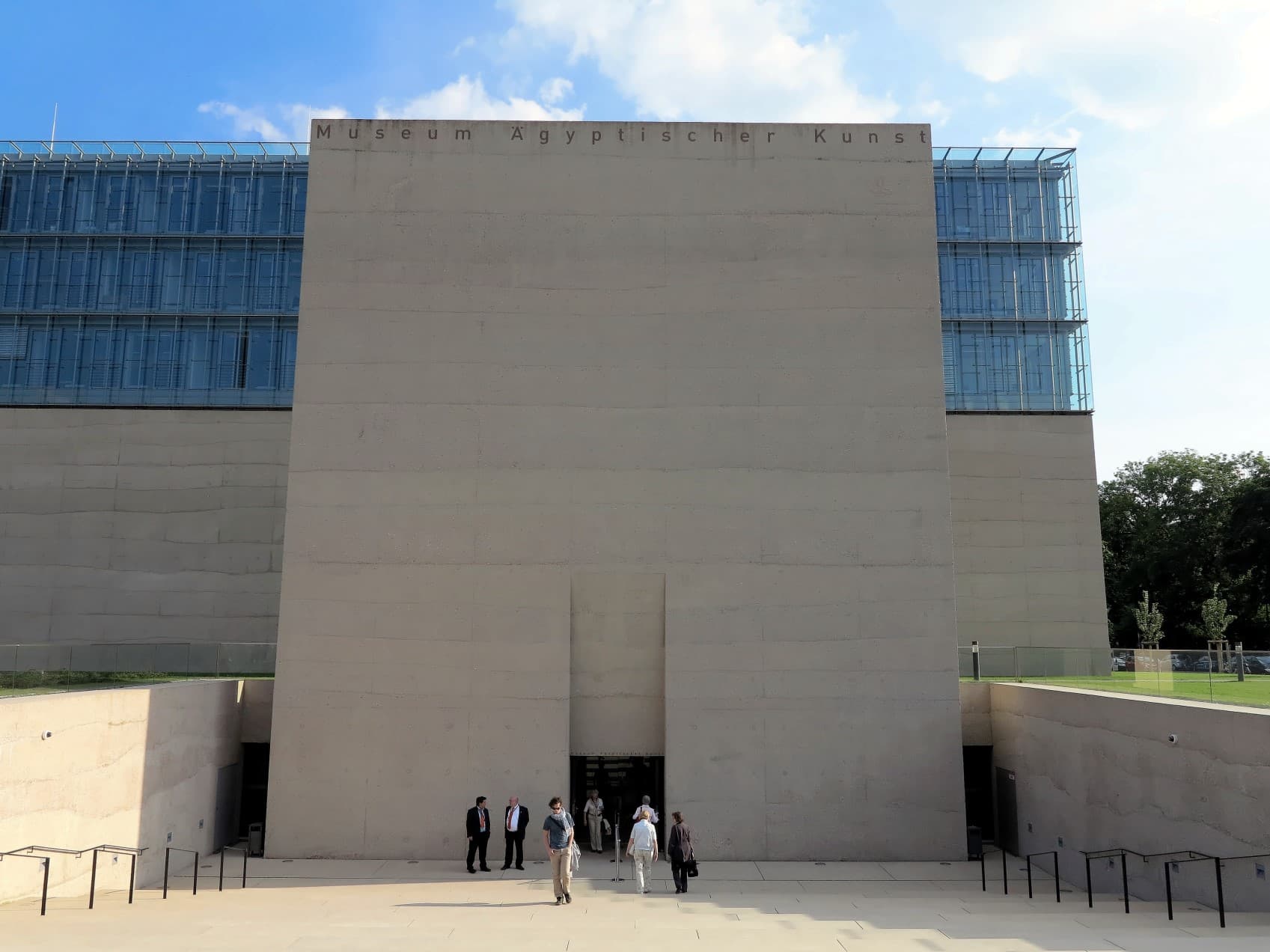 Egyptian Museum MunichMunich's museum of ancient Egyptian art is built entirely underground — you desc4 minutes walk4.5
Because Bavaria had been allied to France since 1805 and had gained a great deal from it: Napoleon raised it from a duchy to a kingdom in 1806 and doubled its territory. The price was supplying soldiers for his campaigns. When he invaded Russia in 1812 Bavaria sent a whole corps, of which only a small fraction returned. After Napoleon's defeat Bavaria switched sides in 1813 and joined his opponents.
No. It is a square you cross walking from Odeonsplatz to the Kunstareal or Königsplatz. Stop for two minutes, look at the obelisk and read what it stands for, then continue to the museums. But knowing its story changes what you see — from a decorative obelisk into a monument to a catastrophe.