
The chronology
A thousand years of sculptural development.
Maximilian Dörrbecker (Chumwa) — CC BY-SA 3.0 · Zde — CC BY-SA 4.0 · Zde — CC BY-SA 4.0 · Zde — CC BY-SA 4.0
The Museum für Abgüsse displays plaster casts of Greek and Roman sculpture — not originals. That sounds like a deficiency but is in fact its reason for existing: for centuries plaster casts were the only means of studying classical sculpture outside Italy and Greece, and Europe's art academies were built on them. The collection holds around six hundred casts covering a thousand years of sculpture, from the Archaic to the late Roman. And it has an advantage the originals do not: pieces now scattered across several museums appear here together, and sculptures later damaged or lost survive in casts taken before the damage — so some of these plasters are now more accurate than the original. The museum belongs to Munich University and is used for teaching, and entry is free. The space is white and quiet with the sculptures arranged chronologically, making the development of style easy to follow. This is a destination for anyone specifically interested in classical art; anyone after original pieces will find them at the nearby Glyptothek.
A thousand years of sculptural development.
Pieces scattered across museums shown together.
Katharina-von-Bora-Strasse 10, 80333 Munich
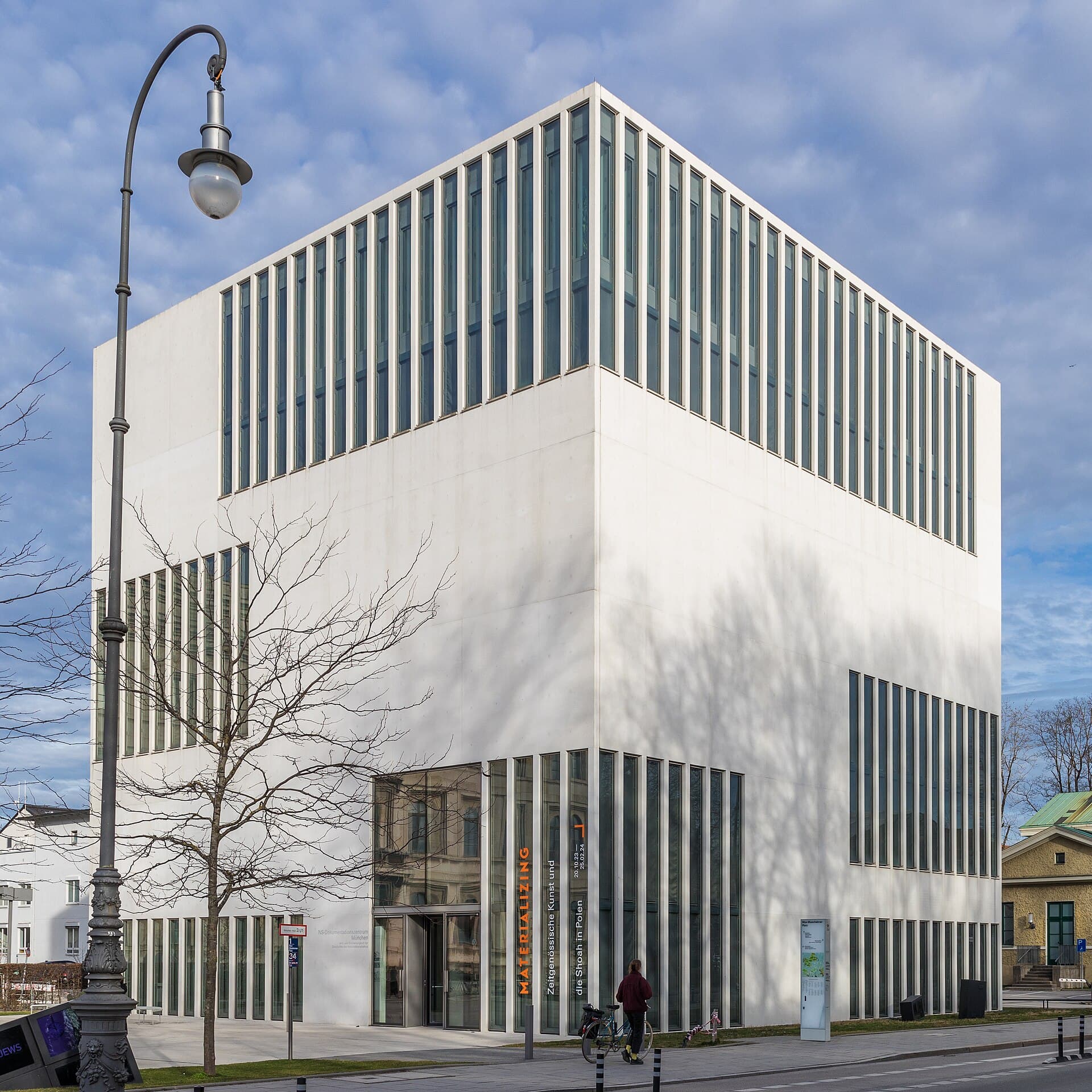 Munich Documentation Centre for the History of National SocialismA stark white cube standing deliberately on the most charged ground there is: th1 minute walk4.8
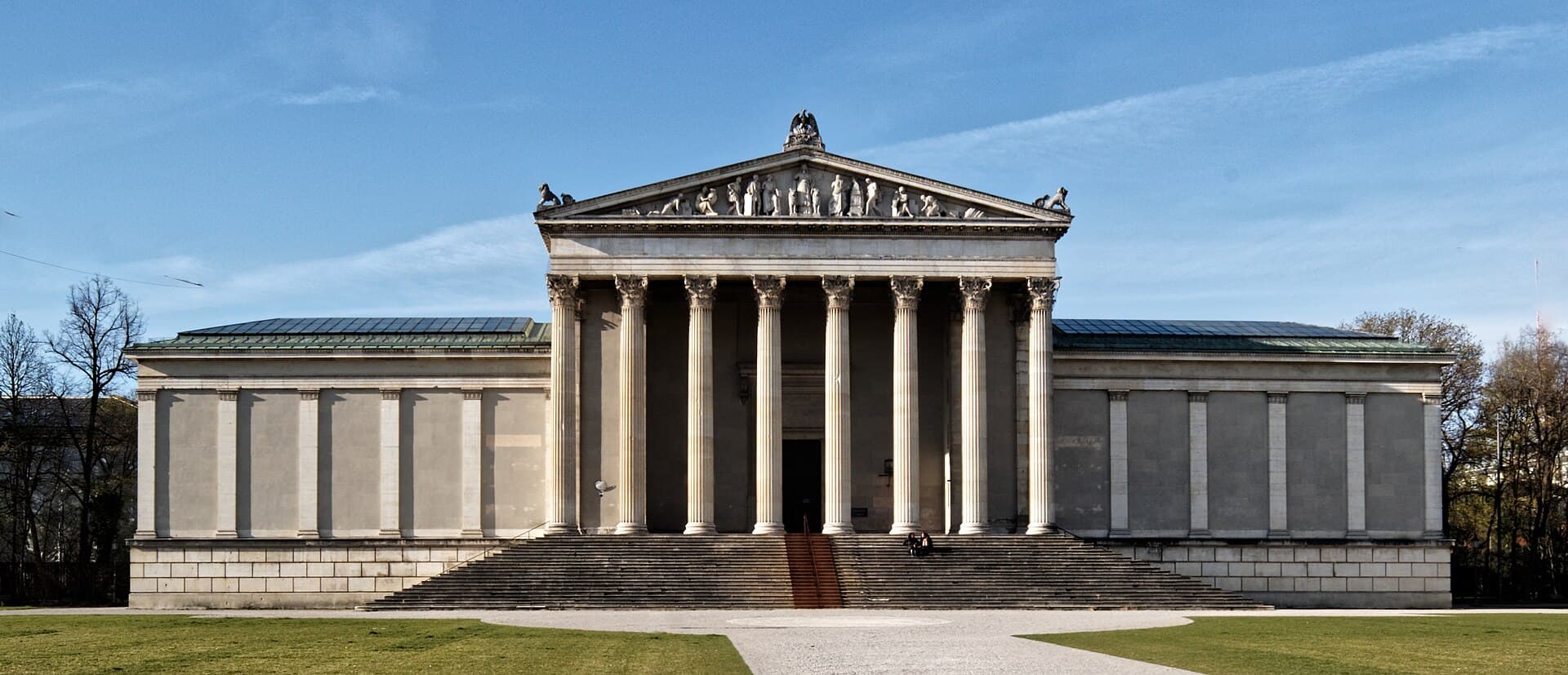 Staatliche AntikensammlungenOn the south side of Koenigsplatz stands a Corinthian-columned building put up b2 minutes walk4.3
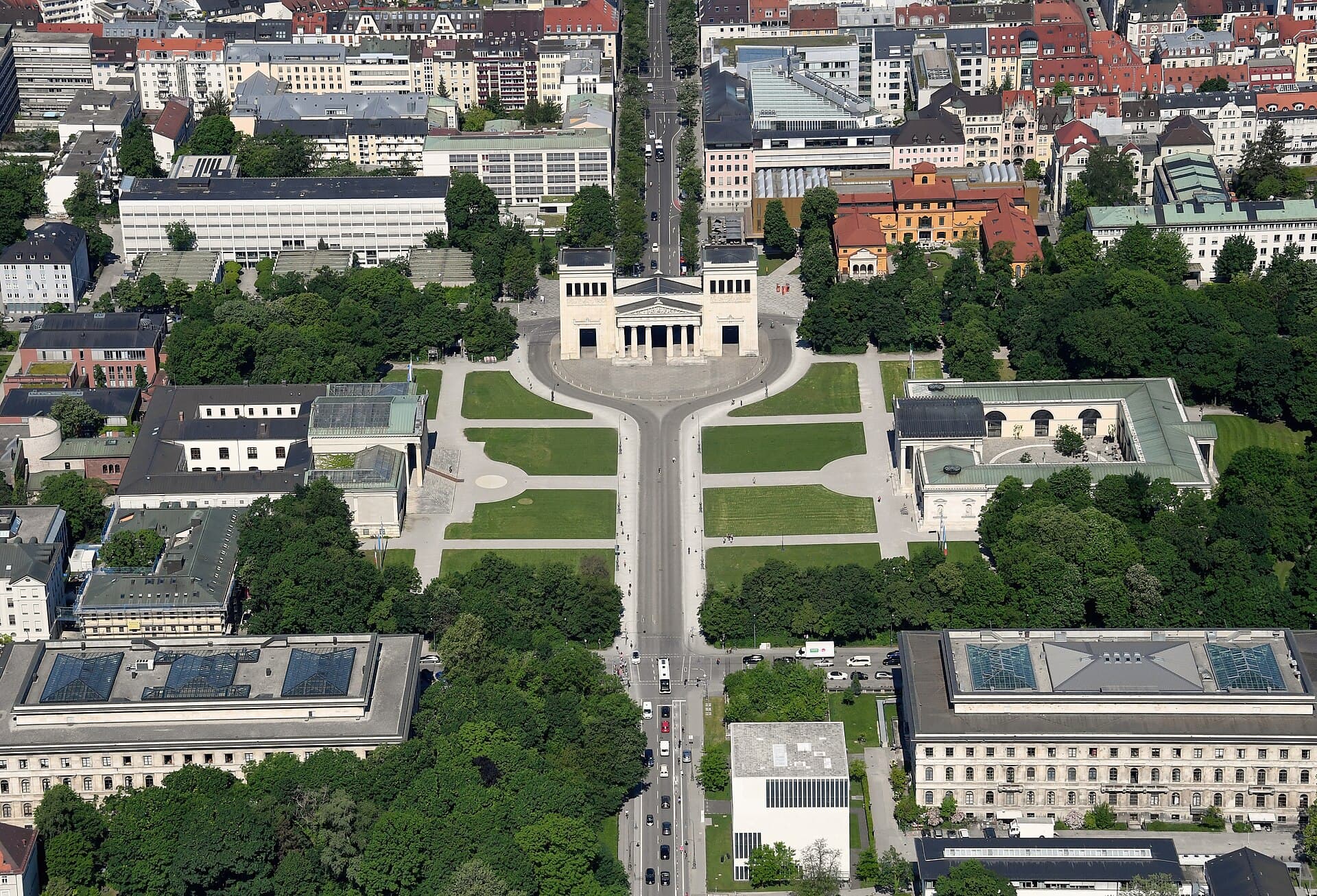 KönigsplatzKönigsplatz is a large open square in Munich, built in the nineteenth century in2 minutes walk4.5
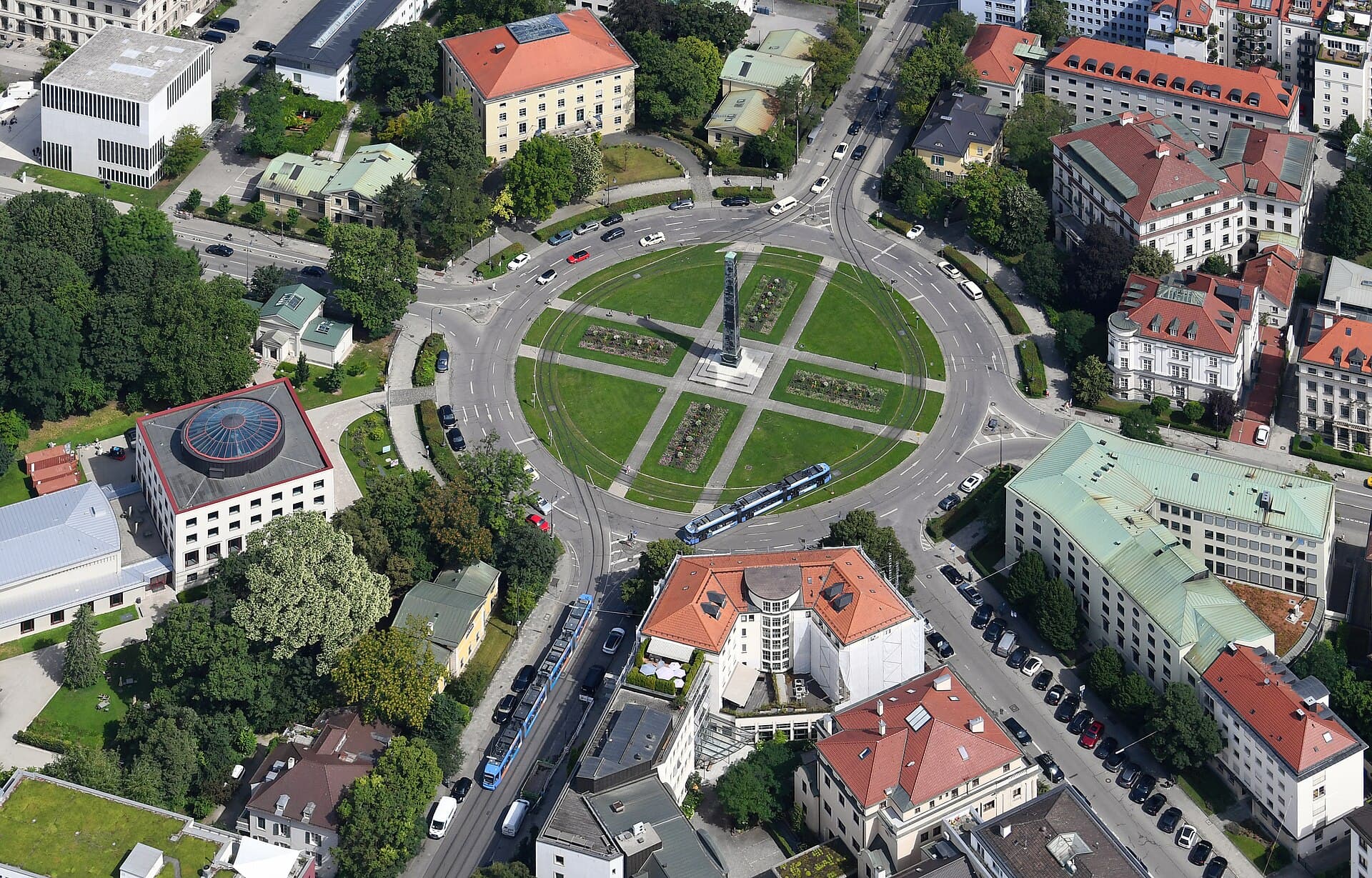 KarolinenplatzA circular square in Munich's Maxvorstadt where five streets meet, with a black 2 minutes walk4.3
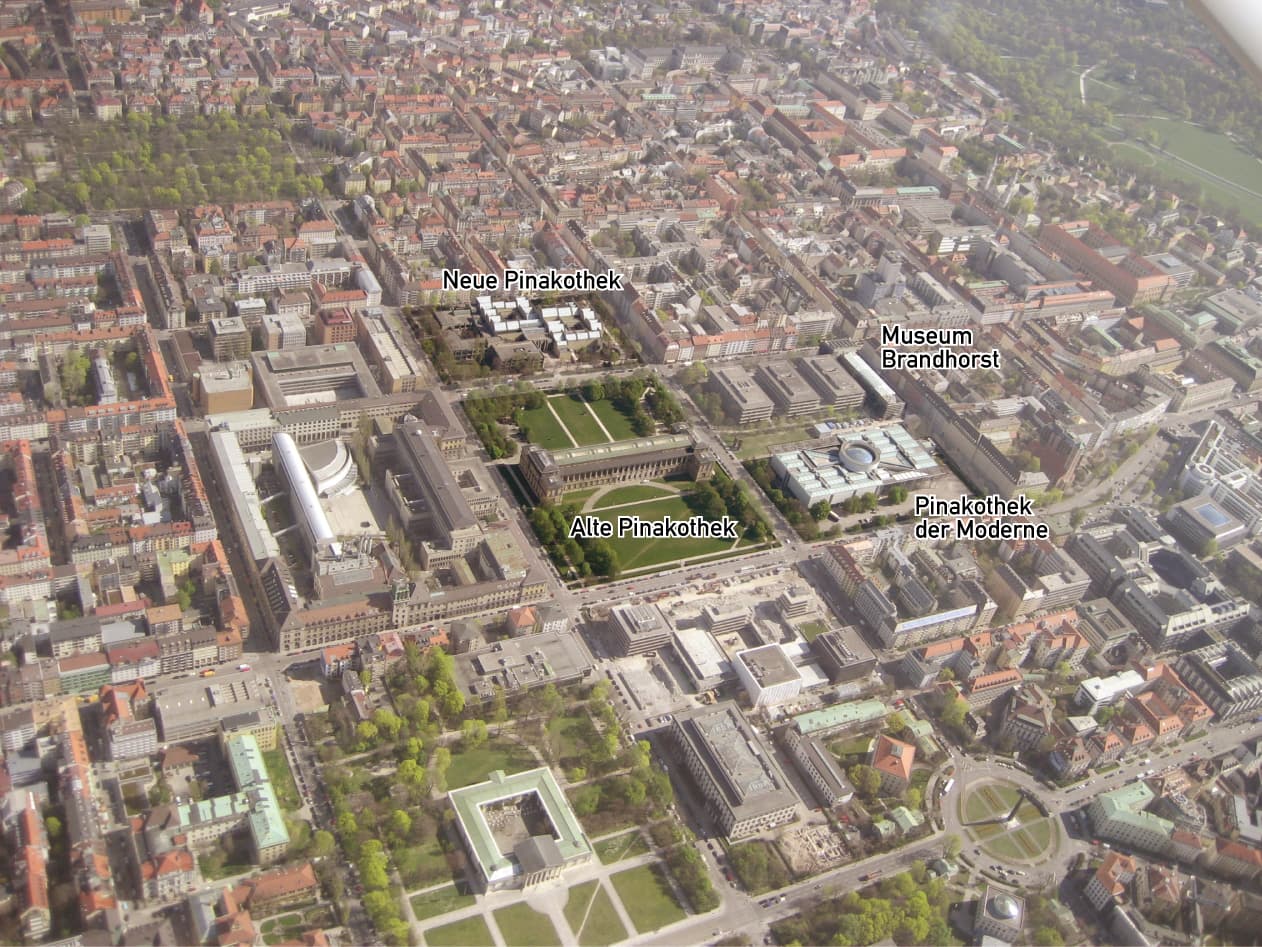 The KunstarealA quarter in northern central Munich where sixteen museums, forty galleries and 3 minutes walk4.8
Three practical values: first, it gathers in one place works scattered across continents, allowing direct comparison; second, it preserves the sculpture's condition at the moment of casting, so pieces since eroded by pollution or shattered in wars survive here as they were; third, it can be touched, photographed and studied with a freedom museums never permit with originals. That is why universities still keep them for teaching.