
The site itself
It stands where the Nazi party's headquarters stood — the location is part of the message.
Raimond Spekking — CC BY-SA 4.0 · Architekturfotograf Berlin Felix Löchner — CC BY-SA 4.0 · Henning Schlottmann (User:H-stt) — CC BY-SA 4.0 · Henning Schlottmann (User:H-stt) — CC BY-SA 4.0
A stark white cube standing deliberately on the most charged ground there is: the site of the "Brown House", the Nazi party's central headquarters. Munich is the city where the Nazi movement was born, and this centre — opened in 2015 — is the city's unflinching confrontation with that legacy. The permanent exhibition documents, through photographs, documents and media stations, how Nazism rose from precisely these streets: why Munich? How did society go along? What happened to the city's Jewish neighbours? And how did Germany, after the war, deal with guilt and memory. Everything is presented fully in German and English, and entry is free. It is not an "enjoyable" visit — but it is among the most affecting things you can do in Munich, and it explains all of modern Germany: a country that built its identity on never repeating what began here.
It stands where the Nazi party's headquarters stood — the location is part of the message.
The section explaining how this particular city incubated the movement.
How the country faced its guilt and built a culture of memory — the key to Germany today.
Max-Mannheimer-Platz 1, 80333 Munich
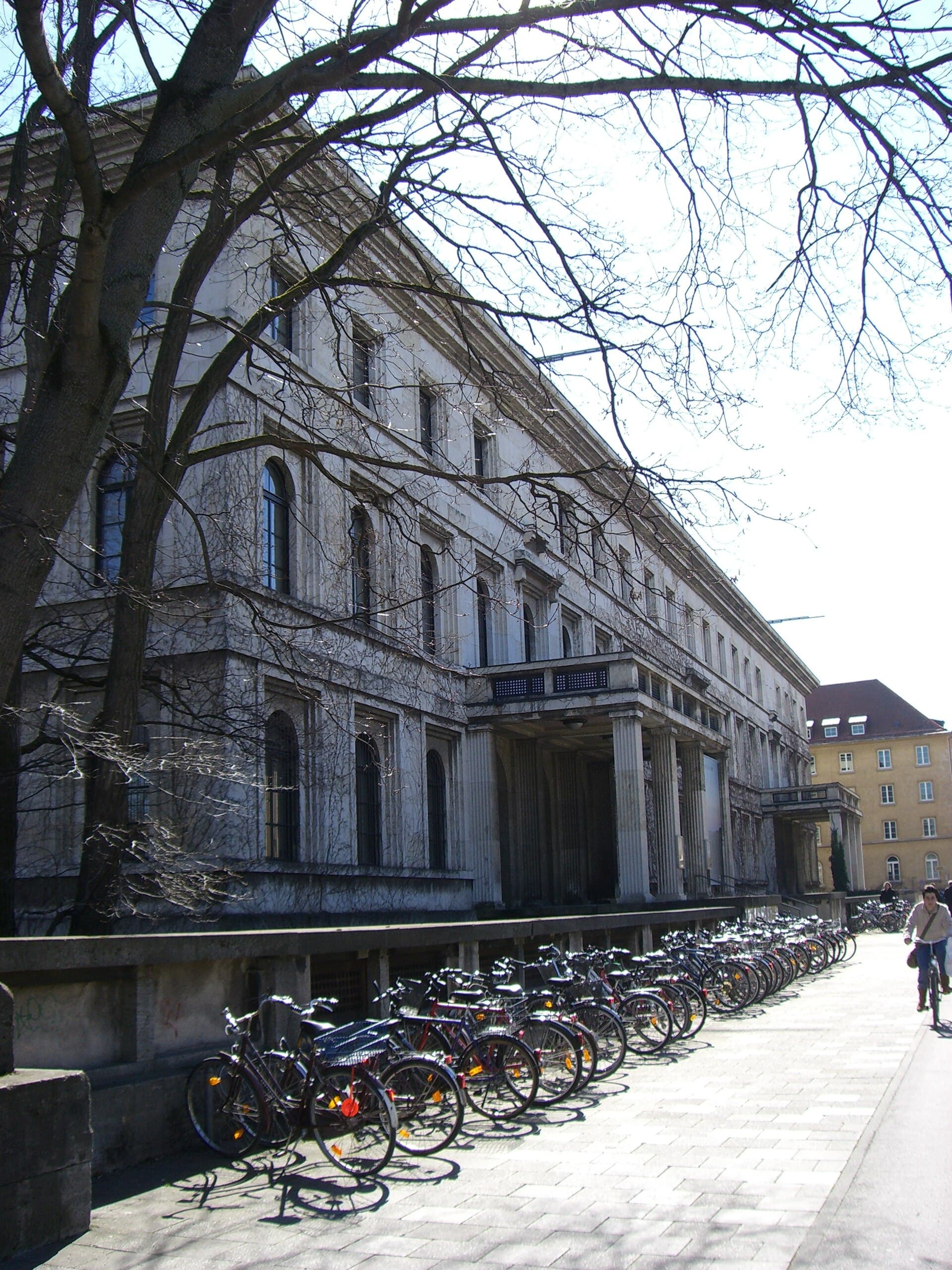 Museum of Classical CastsThe Museum für Abgüsse displays plaster casts of Greek and Roman sculpture — not1 minute walk4.8
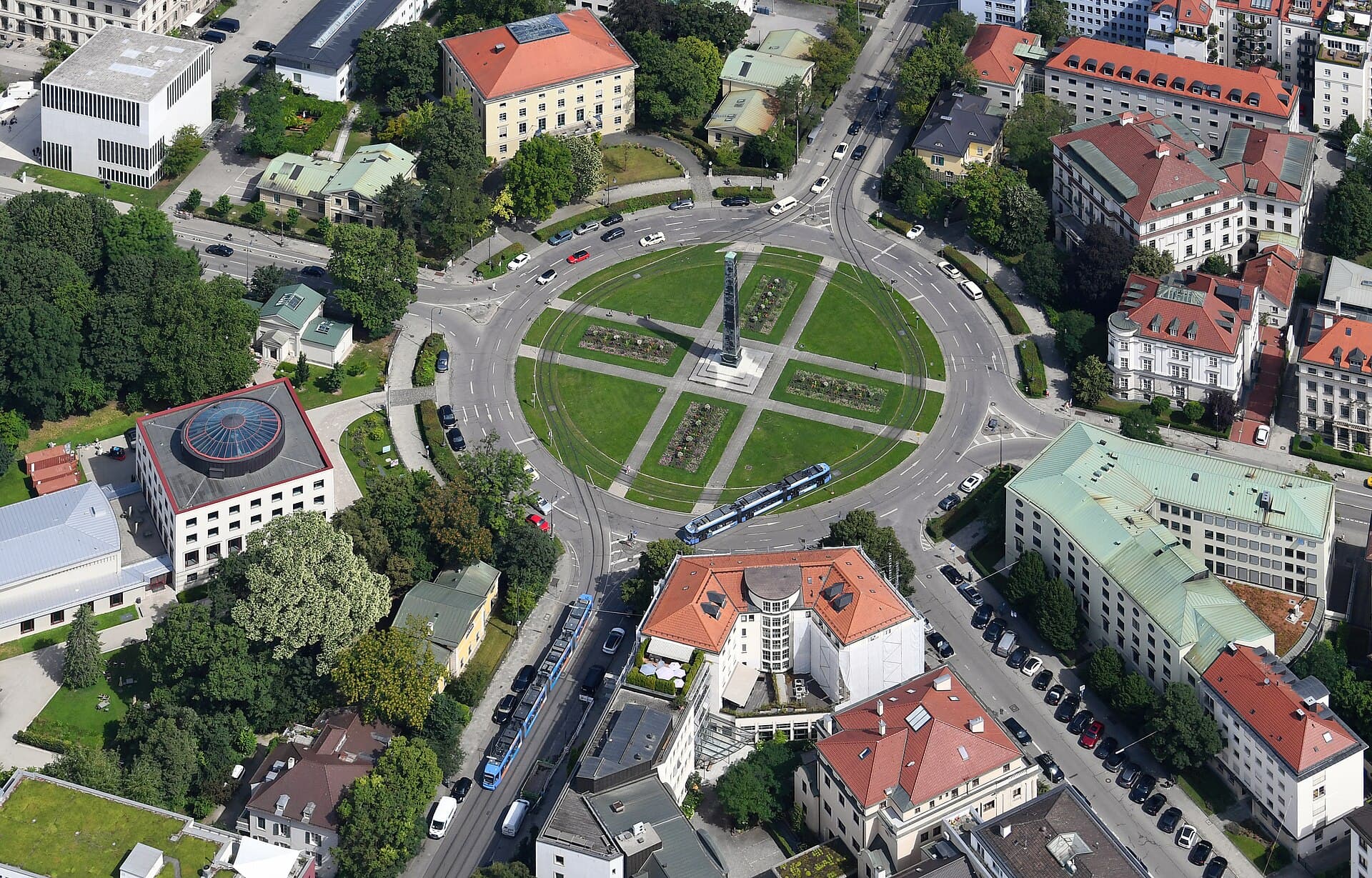 KarolinenplatzA circular square in Munich's Maxvorstadt where five streets meet, with a black 2 minutes walk4.3
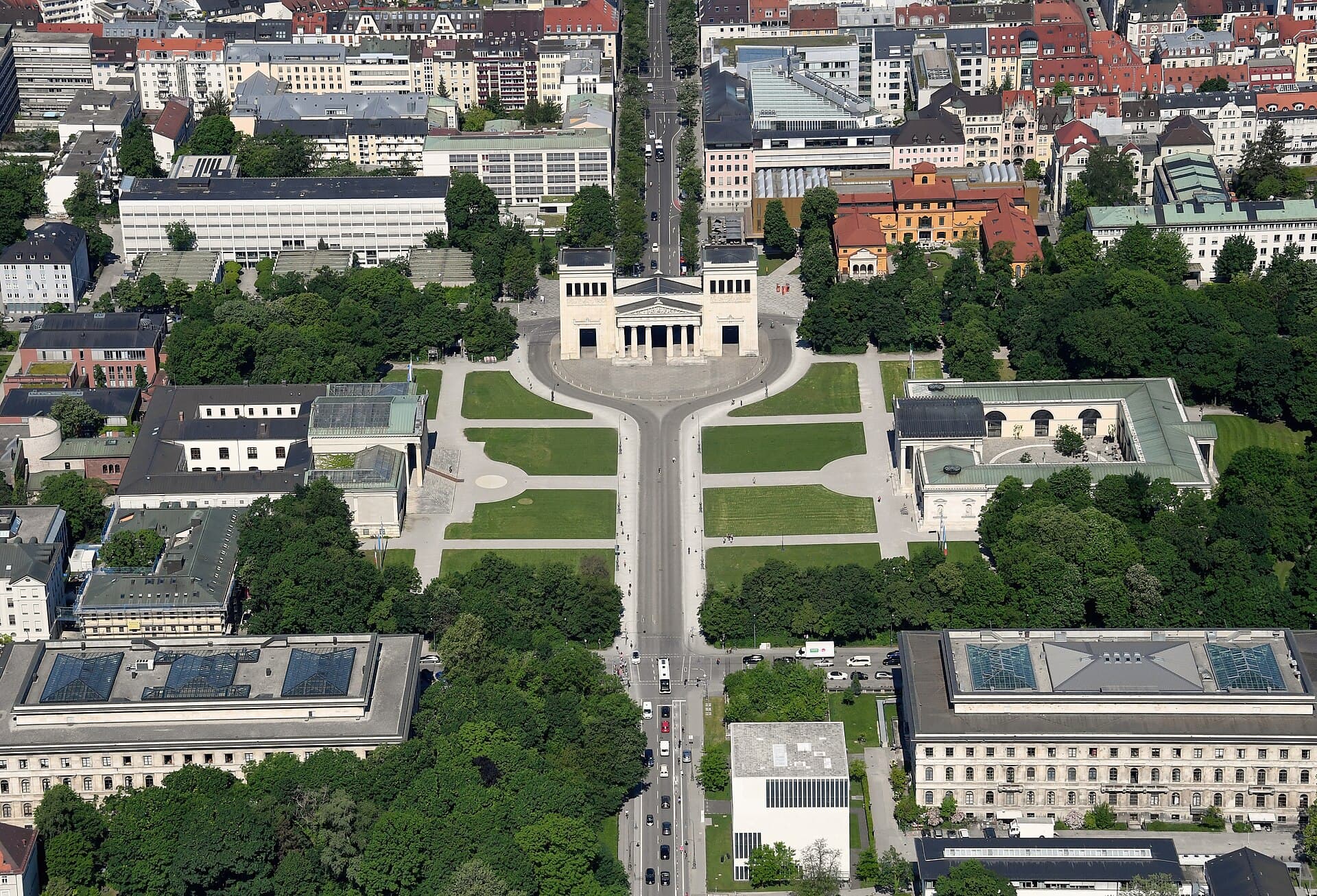 KönigsplatzKönigsplatz is a large open square in Munich, built in the nineteenth century in2 minutes walk4.5
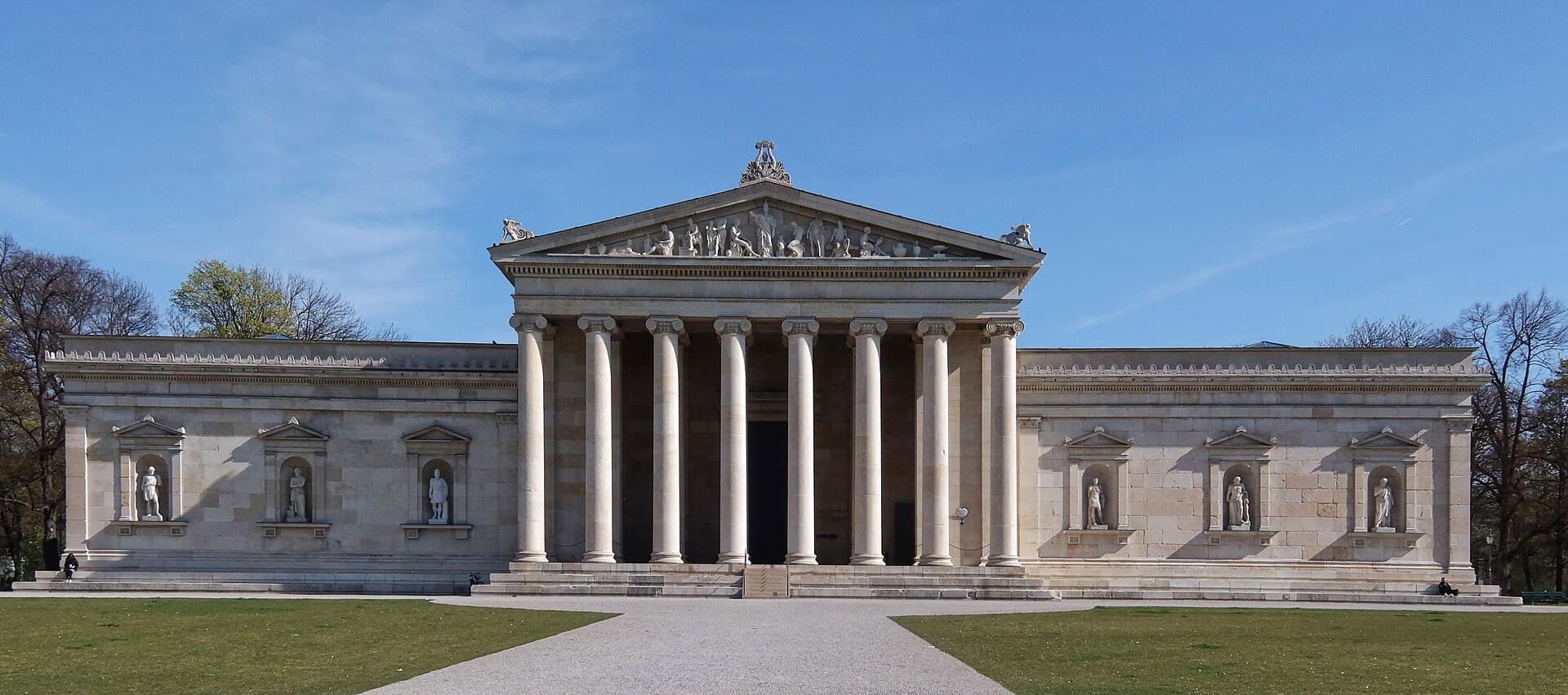 GlyptothekThe Glyptothek is Munich's oldest public museum, built by King Ludwig I and open2 minutes walk4.8
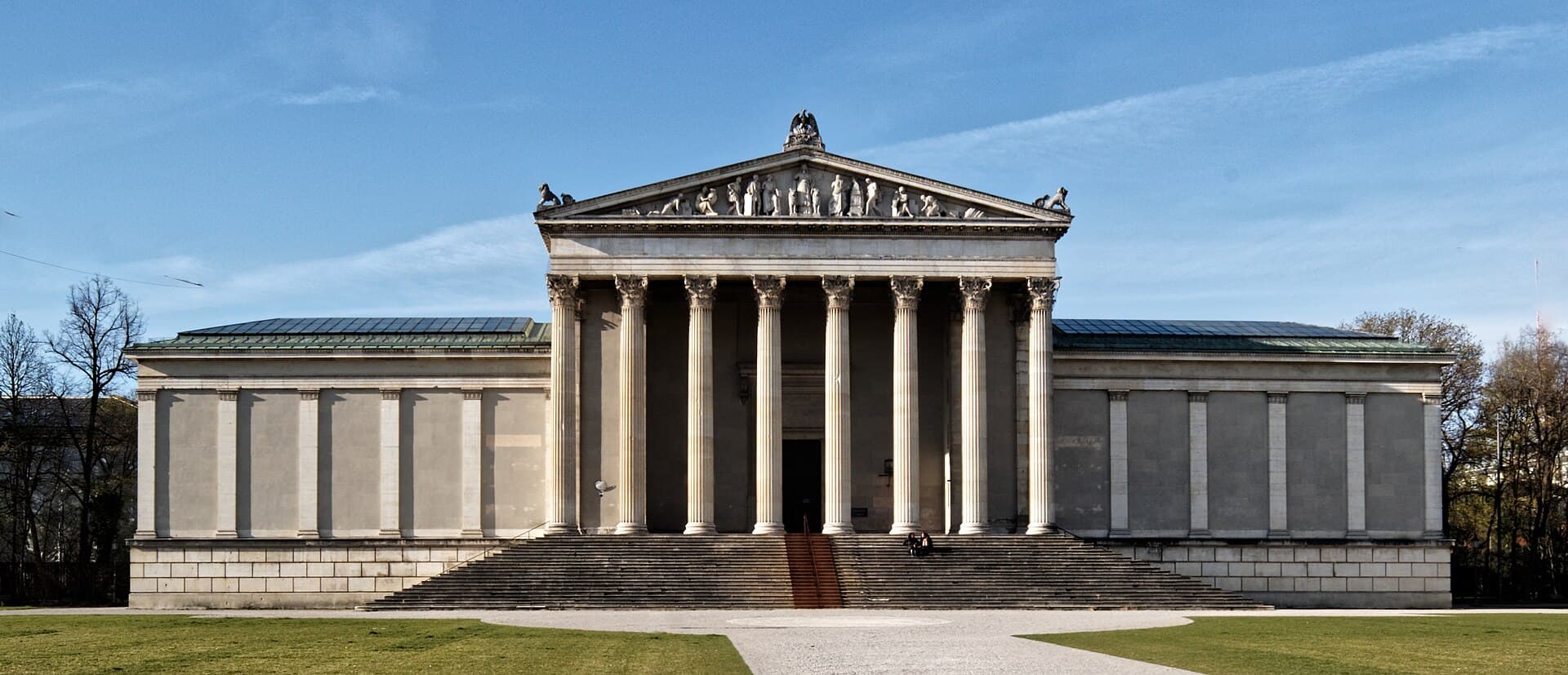 Staatliche AntikensammlungenOn the south side of Koenigsplatz stands a Corinthian-columned building put up b2 minutes walk4.3
Not for young children — images and content are harsh. For teenagers of about fourteen and up it is among the most important things they can see in Germany, ideally preceded by a short talk about the context.
Because Munich cannot be understood without it: the cheerful city you see built its cheer on an honest reckoning with its darkest chapter. Two hours here give everything you see afterwards a different depth — and the story of how extremism rises is hardly a German lesson alone.
Königsplatz, once used for the regime's rallies, is steps away, ringed by art museums — the irony is deliberate: the same square is now a precinct of art. End there to decompress.