
The lantern path
Stone and moss.
そらみみ — CC BY-SA 3.0 · Zairon — CC BY 4.0 · Akiotoi — CC BY-SA 4.0 · Akiotoi — CC BY-SA 4.0 · Marcin Chady — CC BY 2.0 · 唐戈 — CC BY-SA 4.0 · Adrián Pérez from Helsinki, Finland — CC BY-SA 2.0 · Christophe95 — CC BY-SA 4.0
A Shinto shrine in Nara, the shrine of the powerful Fujiwara family, founded in 768 and rebuilt many times over the centuries. Together with the neighbouring Kasugayama Primeval Forest it is one of the «Historic Monuments of Ancient Nara» on UNESCO's World Heritage List, and it gives its name to an architectural style, Kasuga-zukuri. It is famous for its lanterns: more than three thousand moss-covered stone lanterns line the approach through the forest, and many bronze lanterns hang in its red corridors. All the lanterns are lit at two festivals a year, per visitor guides. The approach passes through the deer park, as the deer are regarded in local belief as messengers of the gods who dwell in the shrine and the surrounding mountains. Its buildings stand out in bright red with white walls, and a botanical garden lies next door. The grounds are open free from 6:00 to 18:00; the special worship area near the main sanctuary costs 700 yen, 9:00-16:00, according to the official site. The lantern-shaded approach is lovely in the early morning.
Stone and moss.
In red corridors.
Messengers in belief.
East edge of Nara Park, at the foot of Mount Kasuga
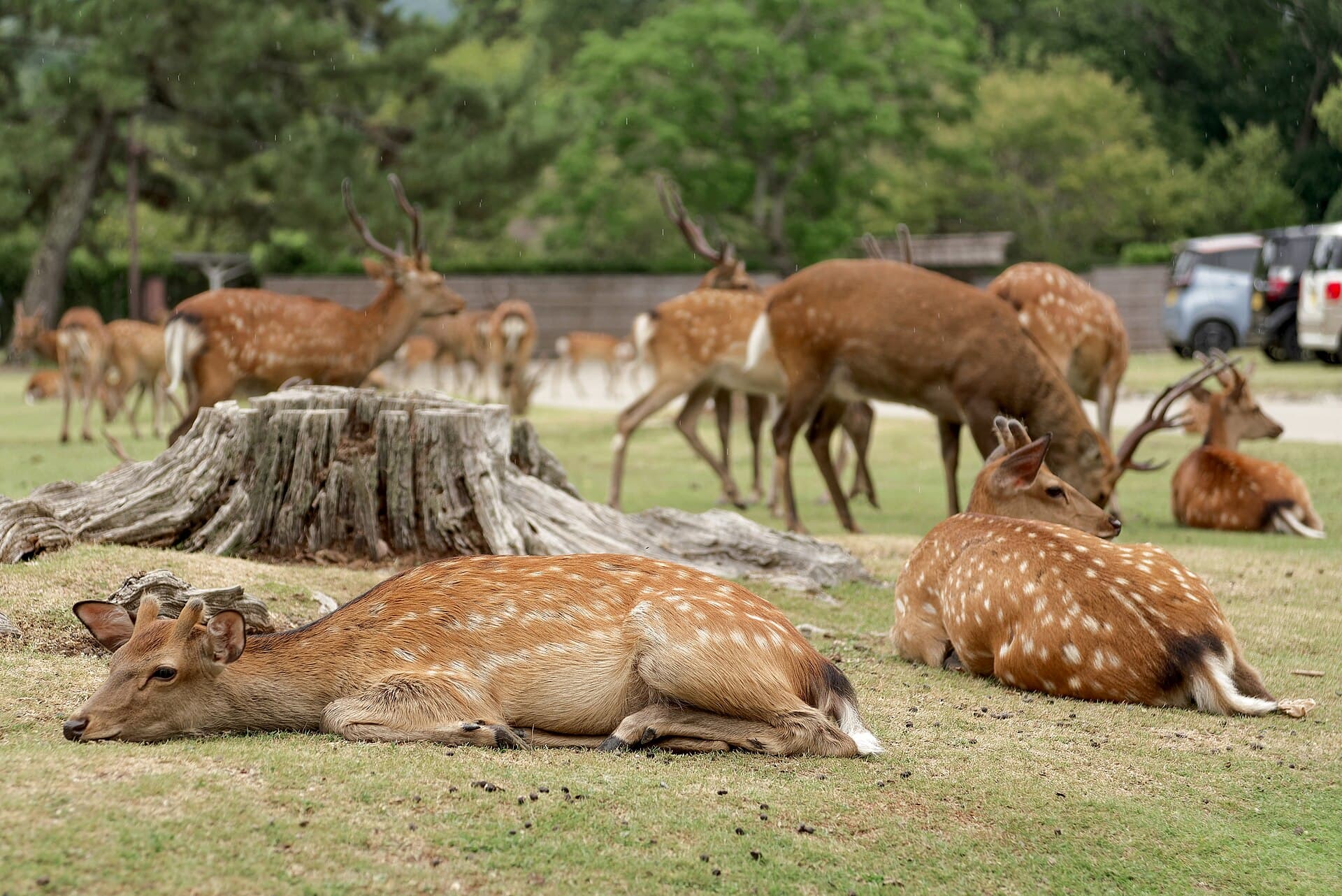 Nara Park and its DeerA large public park in Nara at the foot of Mount Wakakusa, established in 1880 a8 minutes walk4.7
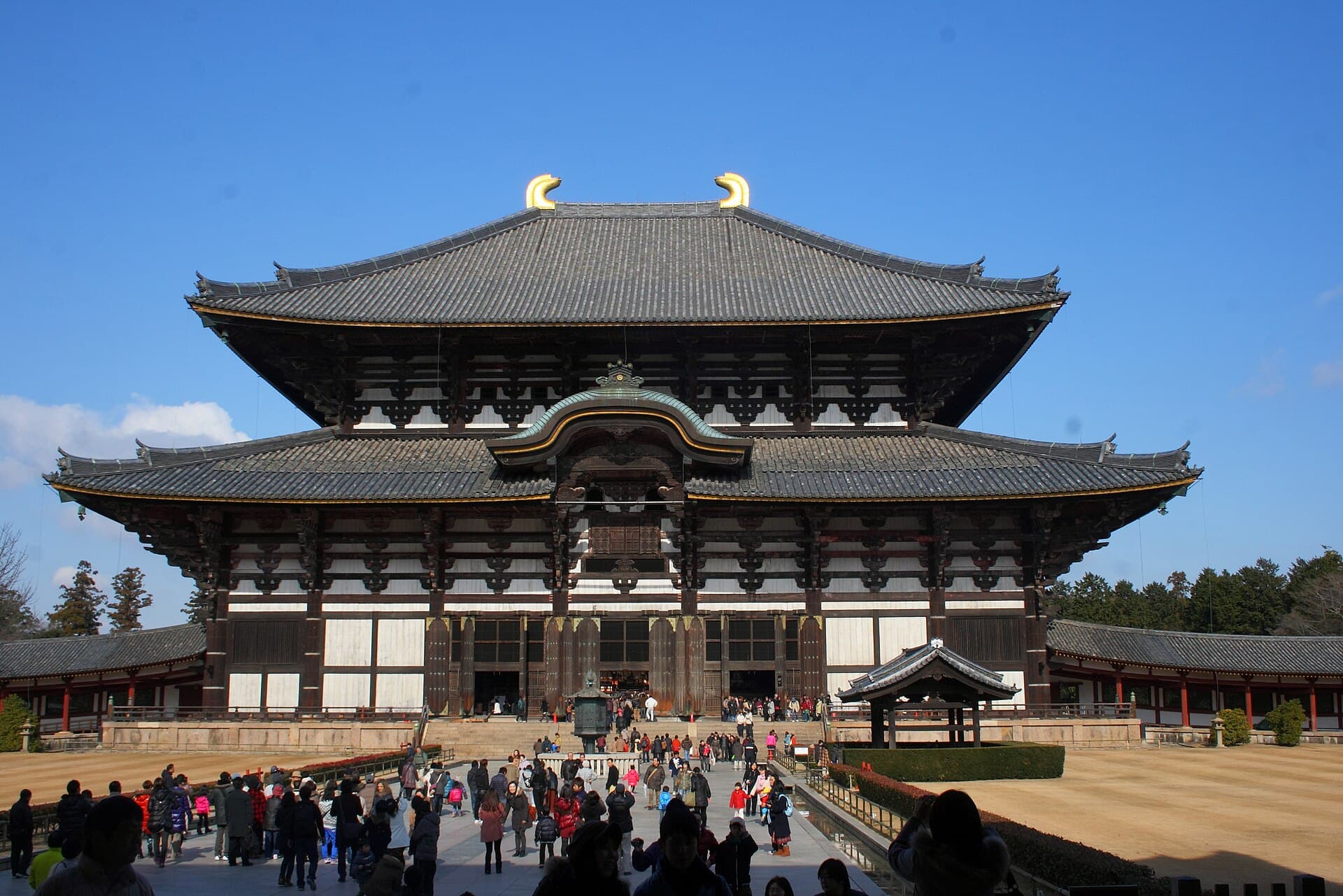 Tōdai-ji Temple and the Great Buddha HallA Buddhist temple complex in Nara, once one of the powerful Seven Great Temples,14 minutes walk4.6
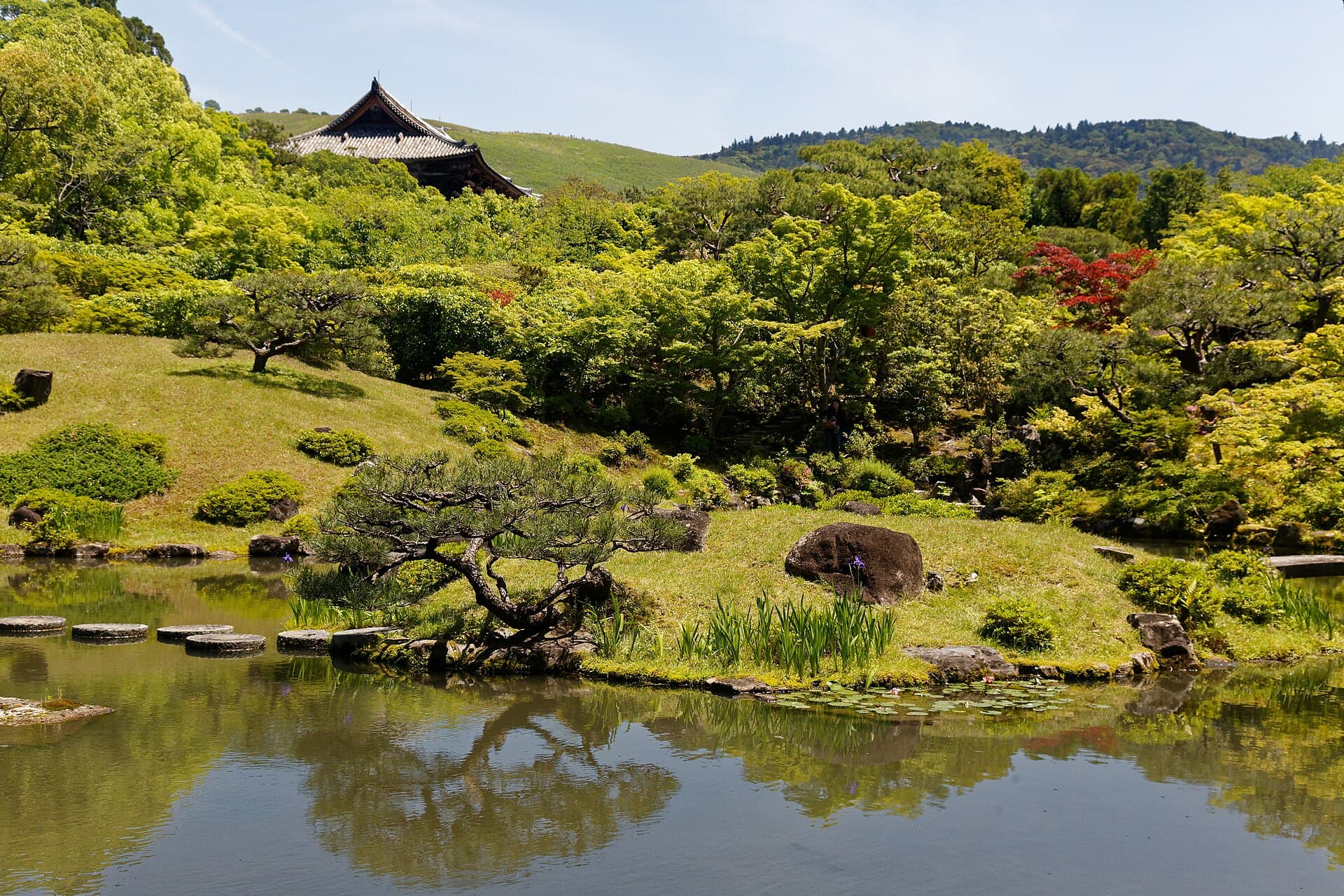 Isui-en GardenA Japanese garden in Nara and the city's only strolling garden, laid out so visi14 minutes walk4.4
The grounds are free from 6:00 to 18:00; the special worship area near the main sanctuary costs 700 yen, 9:00-16:00, according to the official site.