
Free-roaming deer
Among temples and lawns.
Jakub Hałun — CC BY 4.0 · Ludovic Lubeigt from Taiwan — CC BY-SA 2.0 · Jakub Hałun — CC BY-SA 4.0 · Syced — CC0 · Dariusz Jemielniak ("Pundit") — CC BY-SA 4.0 · xiquinhosilva from Cacau — CC BY 2.0 · mawique — CC BY 2.0 · Pöllö — CC BY 2.5
A large public park in Nara at the foot of Mount Wakakusa, established in 1880 and among the oldest public parks in Japan, officially designated a Place of Scenic Beauty. Its official area is about 502 hectares, reaching some 660 hectares with the temple and museum grounds around it. It is famous for its more than 1,200 wild sika deer, which roam freely across its lawns and between its temples, protected as a natural treasure and regarded in local belief as messengers of the gods of Kasuga Shrine. Some have learned to bow to visitors in hope of food. The park and its surroundings take in Tōdai-ji, Kasuga Shrine, Kōfuku-ji and the Nara National Museum, along with broad lawns, ponds, cherries and maples; it is the heart of sightseeing in Nara and easily fills a day. Entry is free and the park is always open. Special deer crackers (shika senbei) are sold at small stalls; do not feed the deer anything else. They are wild and may bite or butt when excited, especially the males in autumn, so stay calm around them and keep maps and bags out of reach.
Among temples and lawns.
Shika senbei.
Cherries and maples.
At the foot of Mount Wakakusa, east of central Nara
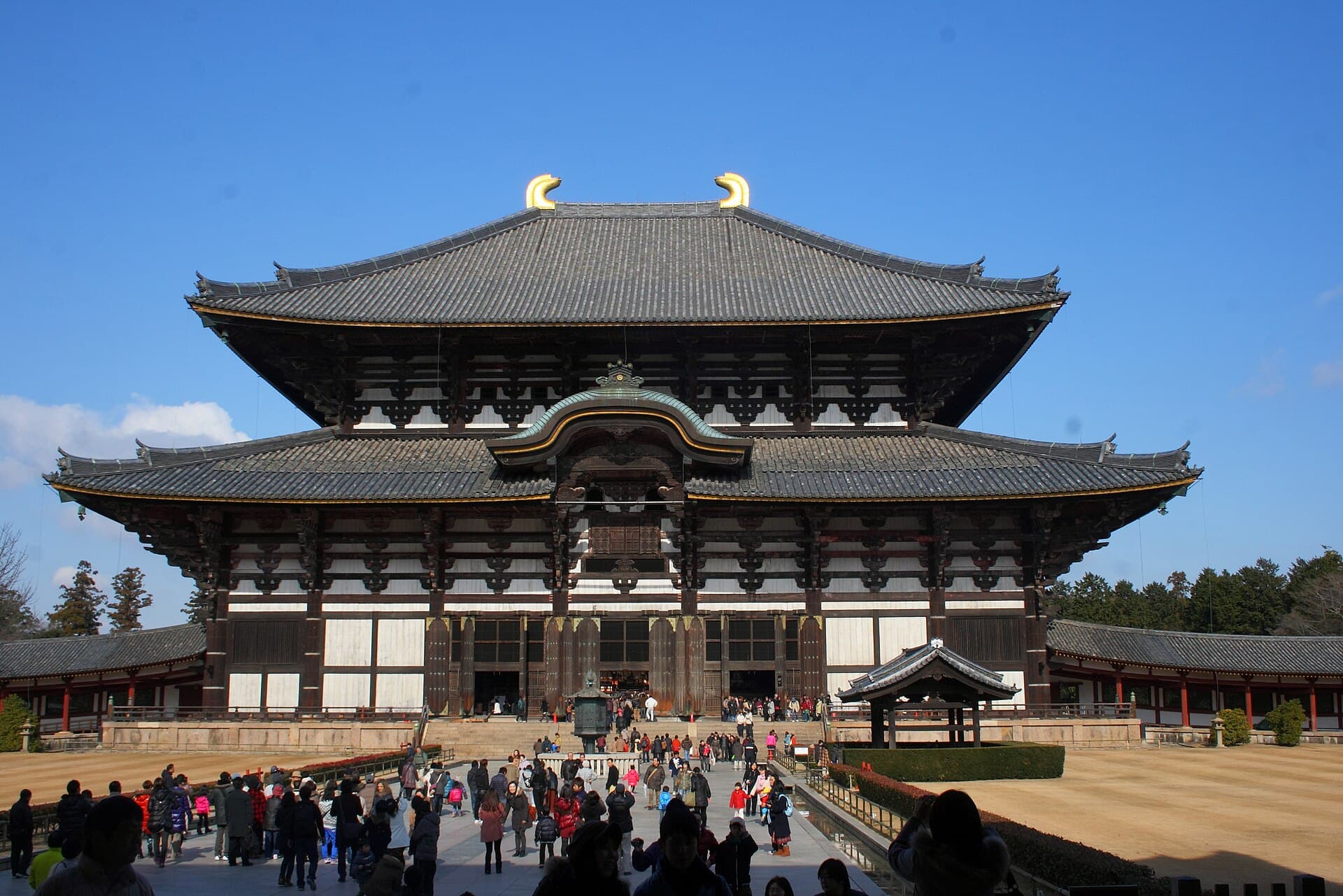 Tōdai-ji Temple and the Great Buddha HallA Buddhist temple complex in Nara, once one of the powerful Seven Great Temples,6 minutes walk4.6
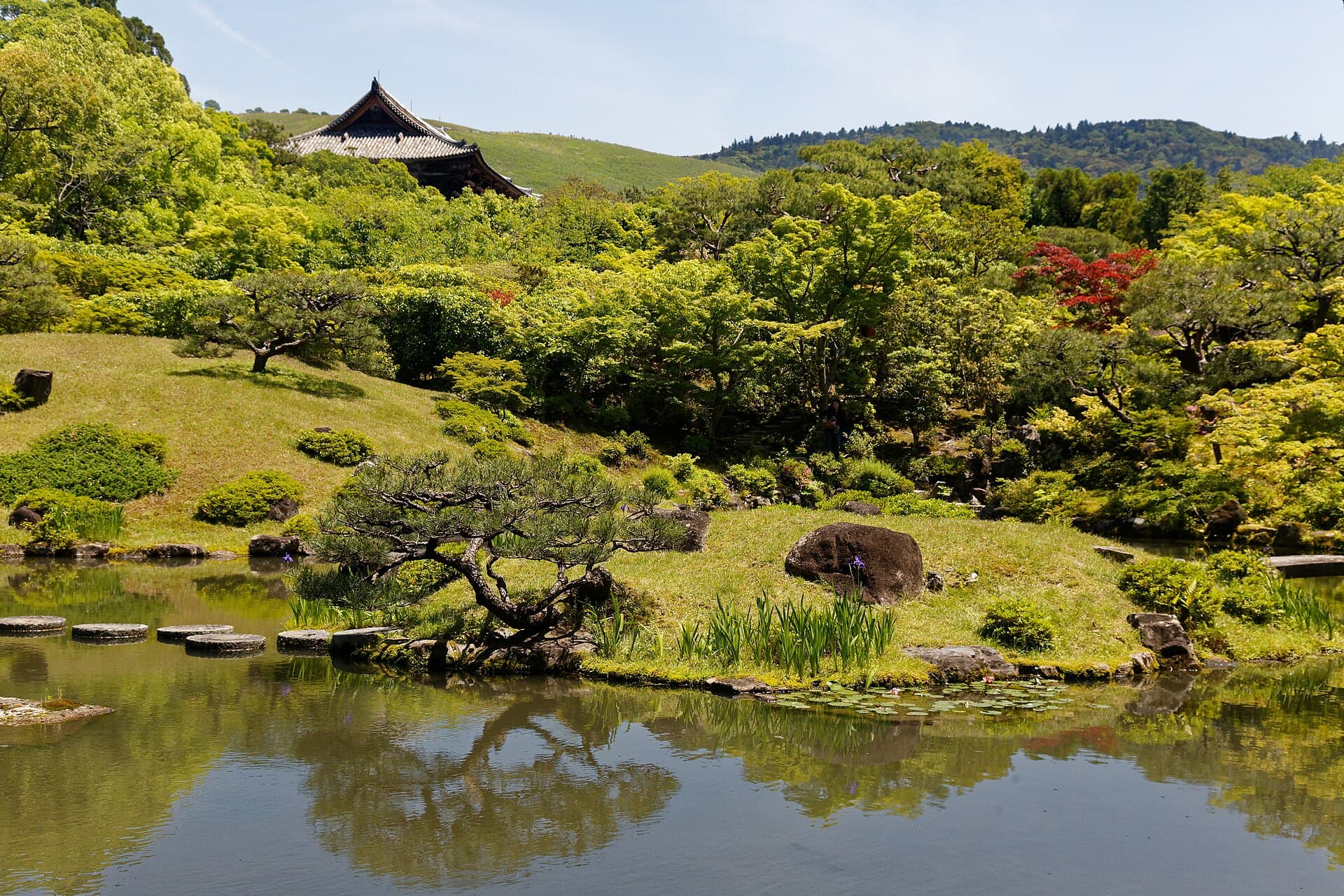 Isui-en GardenA Japanese garden in Nara and the city's only strolling garden, laid out so visi7 minutes walk4.4
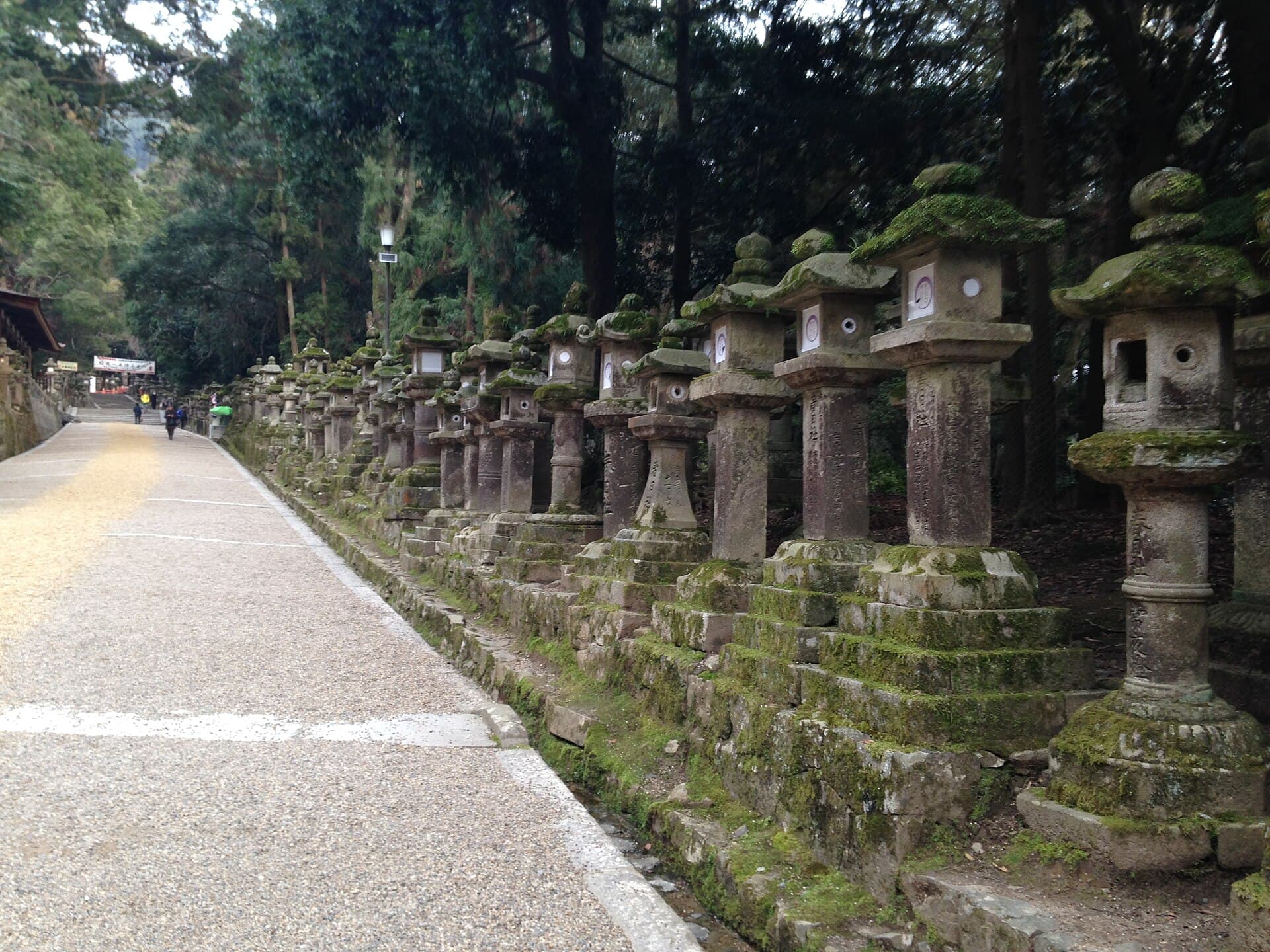 Kasuga Taisha Grand Shrine and its LanternsA Shinto shrine in Nara, the shrine of the powerful Fujiwara family, founded in 8 minutes walk4.6
Yes, but only with the special shika senbei crackers sold at stalls, nothing else. The deer are wild and may bite or butt, so stay calm around them.