
The Great Buddha
The largest in bronze.
Antti T. Nissinen — CC BY 2.0 · Zairon — CC BY 4.0 · LBM1948 — CC BY-SA 4.0 · Nekosuki — CC BY-SA 4.0 · Epicgenius — CC BY-SA 4.0 · TANAKA Juuyoh (田中十洋) — CC BY 2.0 · TANAKA Juuyoh (田中十洋) — CC BY 2.0 · TANAKA Juuyoh (田中十洋) — CC BY 2.0
A Buddhist temple complex in Nara, once one of the powerful Seven Great Temples, its name meaning «Great Eastern Temple». It was founded in 738 and opened in 752, modelled on the temples of Tang China, and it is one of the «Historic Monuments of Ancient Nara» on UNESCO's World Heritage List. Its Great Buddha Hall (Daibutsuden) houses the world's largest bronze statue of the Buddha Vairocana, known in Japan as the Daibutsu, seated in the shadows of the vast hall among huge guardian figures. The temple has been rebuilt many times, above all the Great Buddha Hall in 1709. By the late 19th century it was close to collapsing under the weight of its huge roof; a first restoration in 1904-1913 saved it, and its present form was completed with a steel frame in 1974-1980. On the way in, visitors pass the huge wooden Nandaimon gate, and Nara's deer roam freely around the temple. The Great Buddha Hall costs 800 yen for adults and opens 7:30-17:30 from April to October and 8:00-17:00 from November to March, according to the temple's official site. It is busiest at midday, so early morning is calmer.
The largest in bronze.
Towering timber.
On the way in.
Nara Park, northeast of central Nara
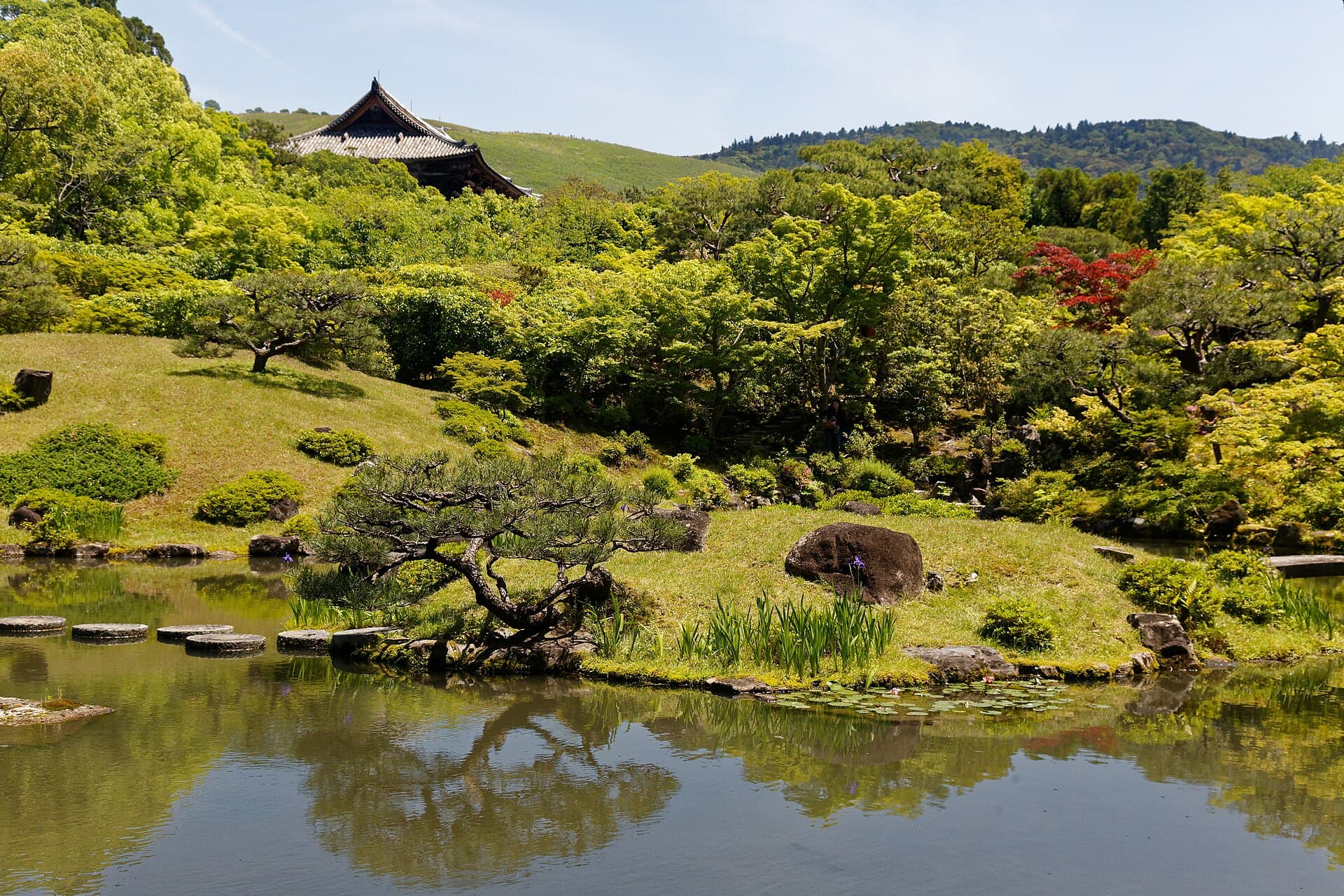 Isui-en GardenA Japanese garden in Nara and the city's only strolling garden, laid out so visi5 minutes walk4.4
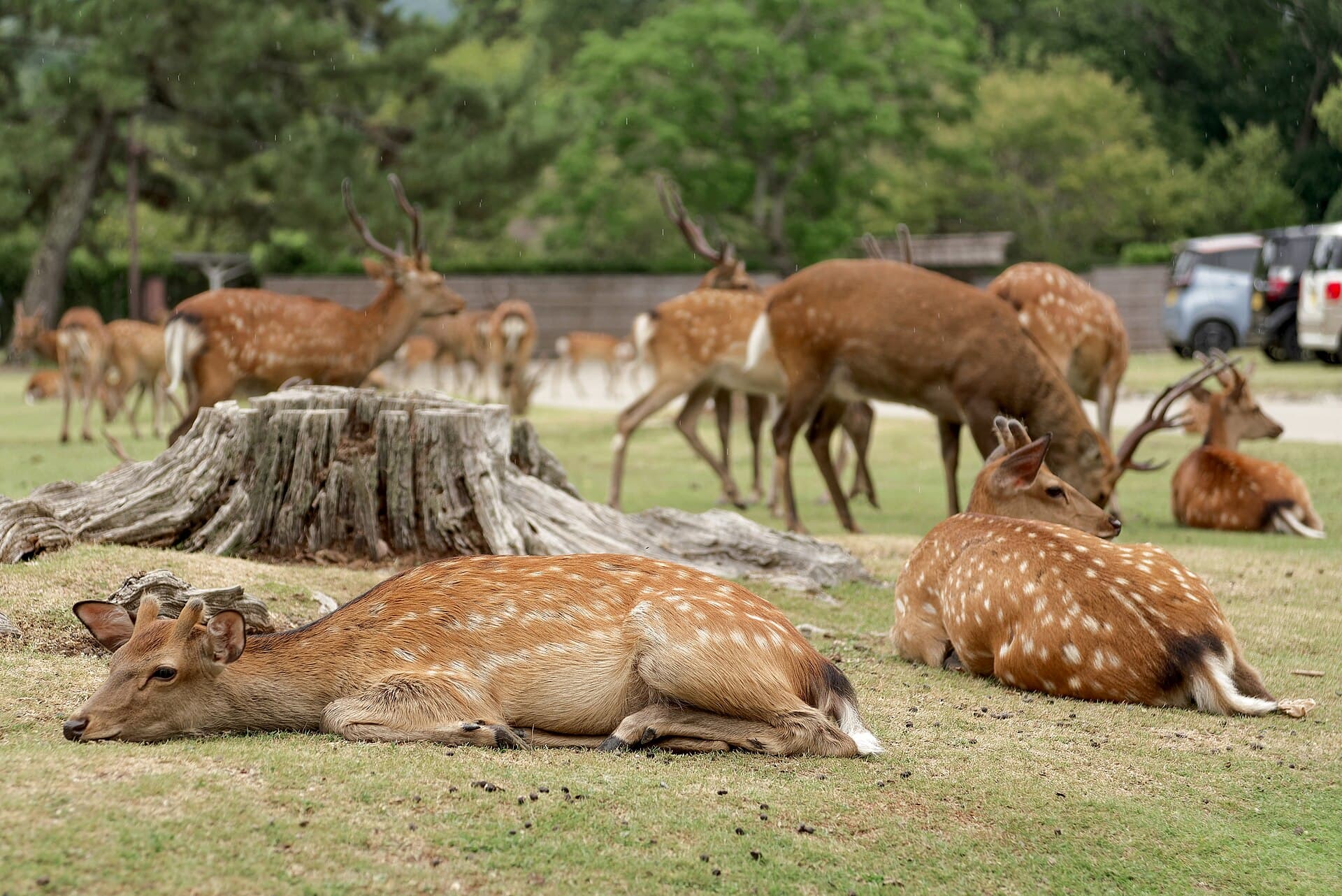 Nara Park and its DeerA large public park in Nara at the foot of Mount Wakakusa, established in 1880 a6 minutes walk4.7
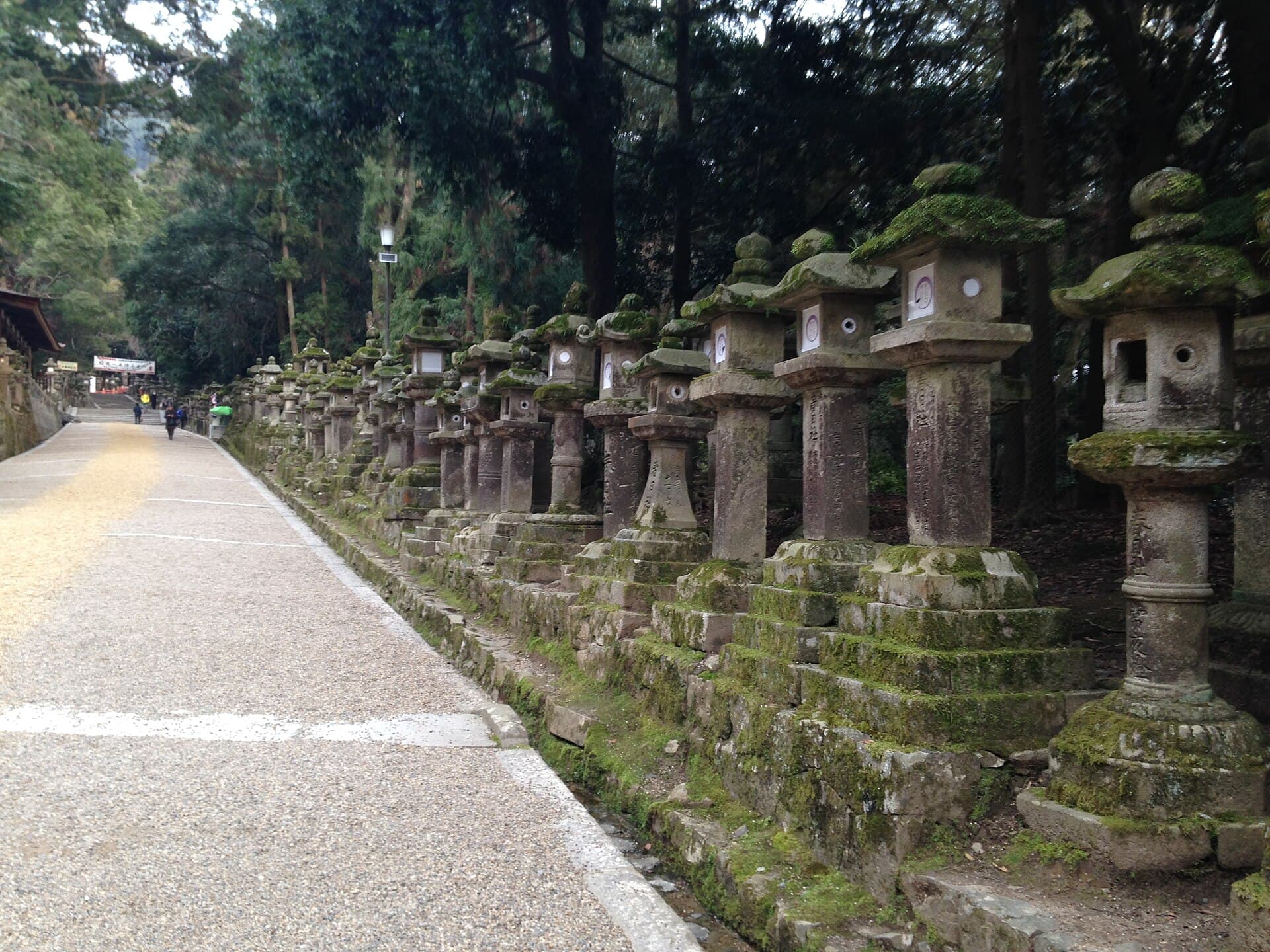 Kasuga Taisha Grand Shrine and its LanternsA Shinto shrine in Nara, the shrine of the powerful Fujiwara family, founded in 14 minutes walk4.6
The Great Buddha Hall costs 800 yen for adults and opens 7:30-17:30 from April to October and 8:00-17:00 from November to March, according to the official site.