
The printed work
Etchings and lithographs, near complete.
Raimond Spekking — CC BY-SA 4.0 · Acediscovery — CC BY 4.0 · Elke Wetzig (User:Elya) — CC BY-SA 4.0 · Elke Wetzig (User:Elya) — CC BY-SA 4.0
Kathe Kollwitz, who lived from eighteen sixty-seven to nineteen forty-five, was a draughtswoman, printmaker and sculptor who made poverty, grief and war almost her only subject. She lost her son Peter on the Flanders front in nineteen fourteen, weeks after he volunteered, then a grandson of the same name in nineteen forty-two, and she was forced out of the Prussian Academy of Arts in nineteen thirty-three. This museum holds the largest collection of her work anywhere: around three hundred drawings, virtually the complete printed graphic work, plus sculpture and posters. It opened in nineteen eighty-five, then closed for roughly three years of rebuilding and reopened on the eleventh of October, twenty twenty-five, under the name of its new address, the Kollwitz Forum, in the same block on Neumarkt. The work is mostly small and in black and white, and it needs time and proximity rather than a quick circuit. The rebuild added a workshop with a historic lithographic press and stations explaining etching and poster technique, which helps anyone who does not already know the difference between a metal-plate etching and a stone lithograph. St Aposteln basilica stands directly opposite.
Etchings and lithographs, near complete.
A historic lithographic press in use.
Neumarkt 18-24, 50667 Cologne
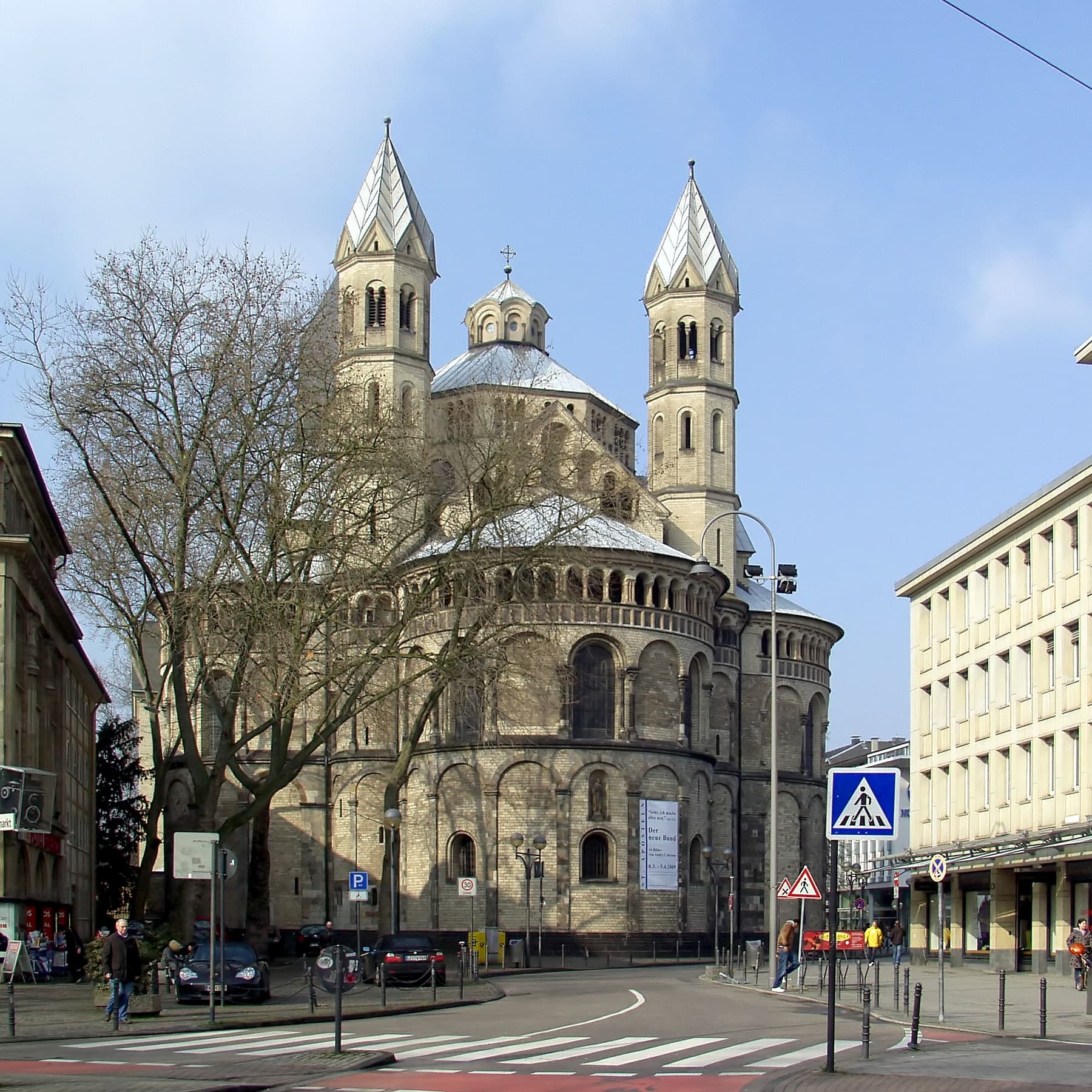 St Aposteln BasilicaSt Aposteln stands on the western edge of Neumarkt, Cologne's busiest shopping s1 minute walk4.7
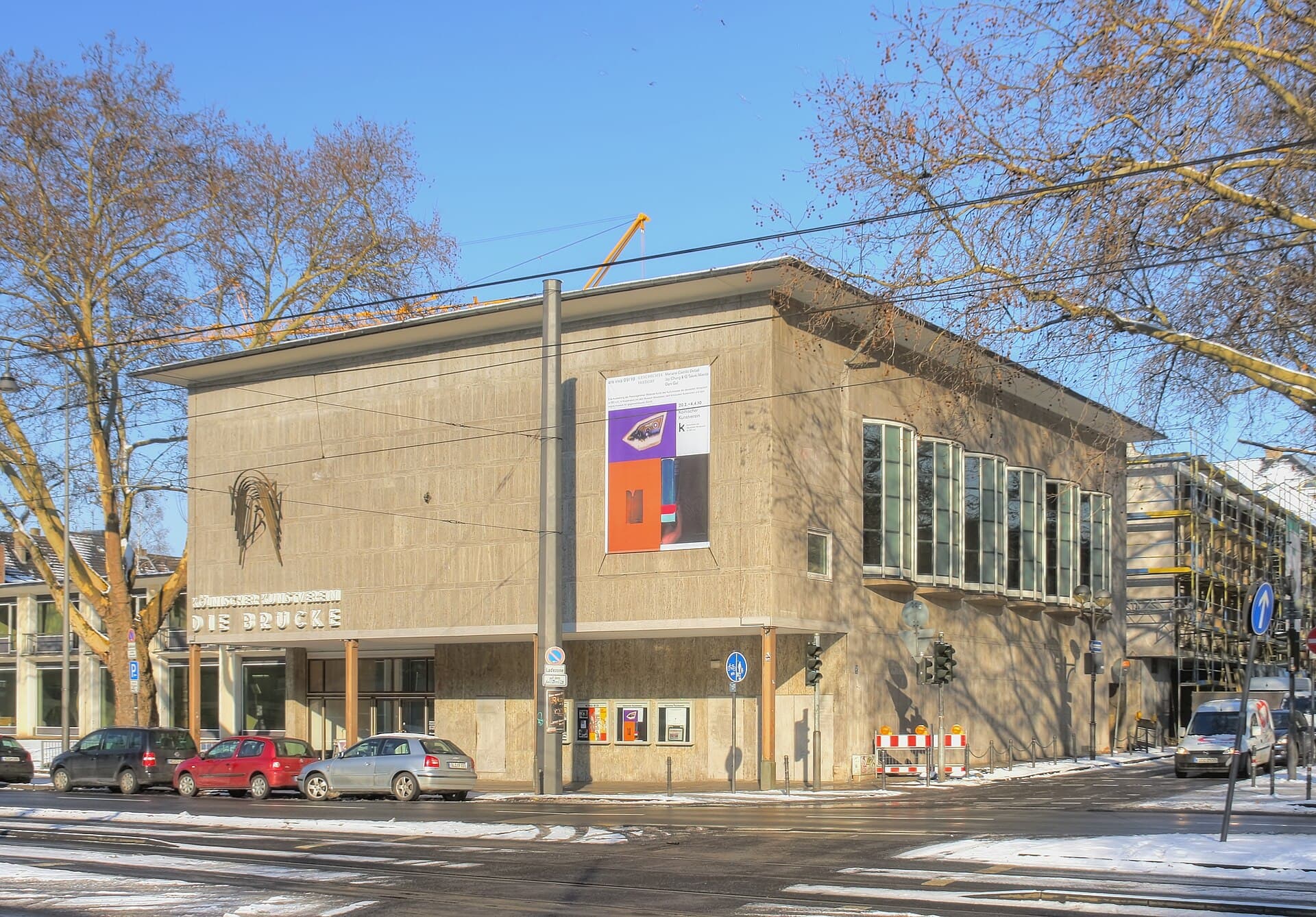 Kolnischer KunstvereinThe Kölnischer Kunstverein is among Germany's oldest contemporary art institutio3 minutes walk4.3
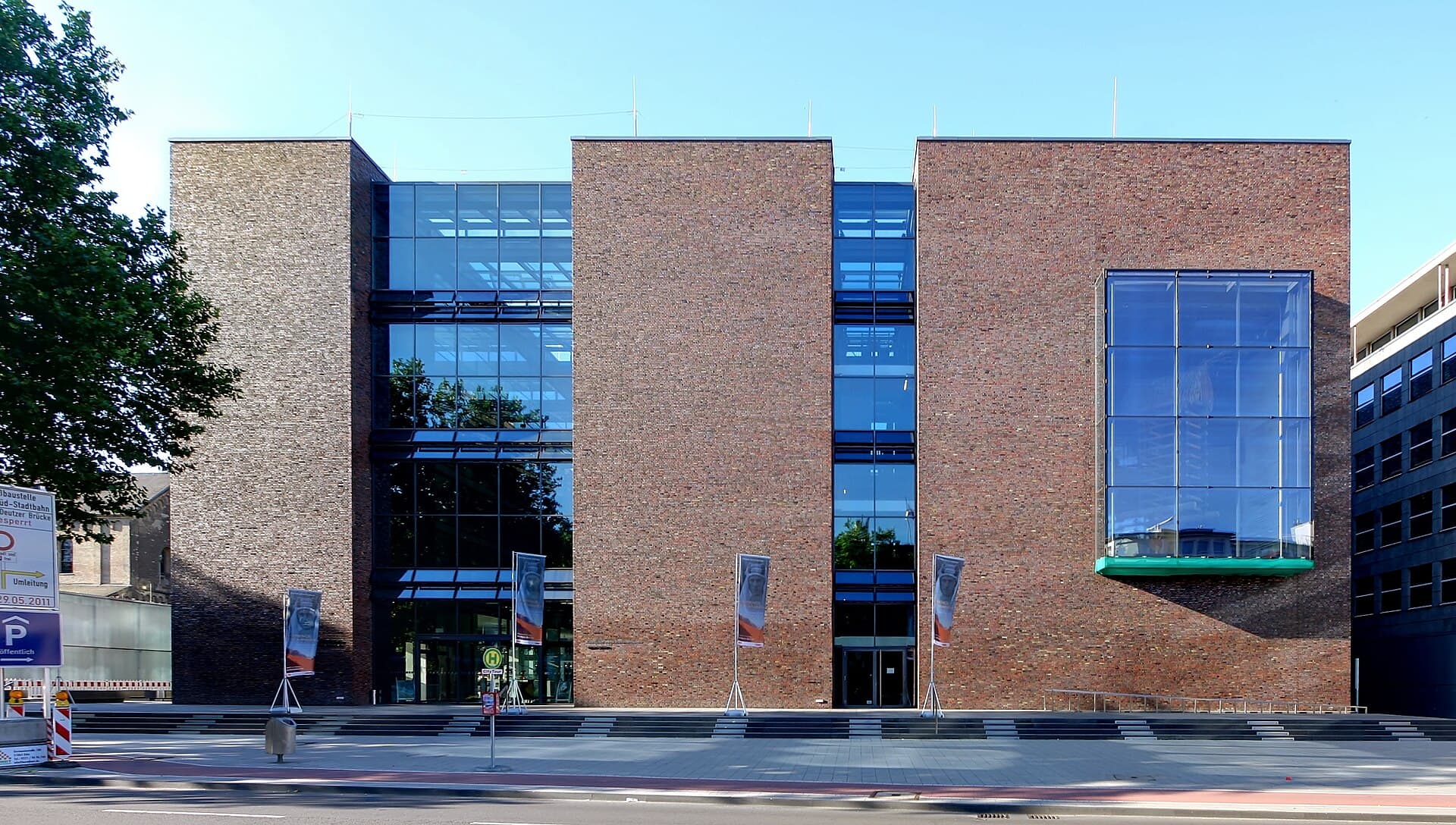 Rautenstrauch-Joest MuseumCologne's museum of world cultures grew out of a collection assembled by Wilhelm4 minutes walk4.6
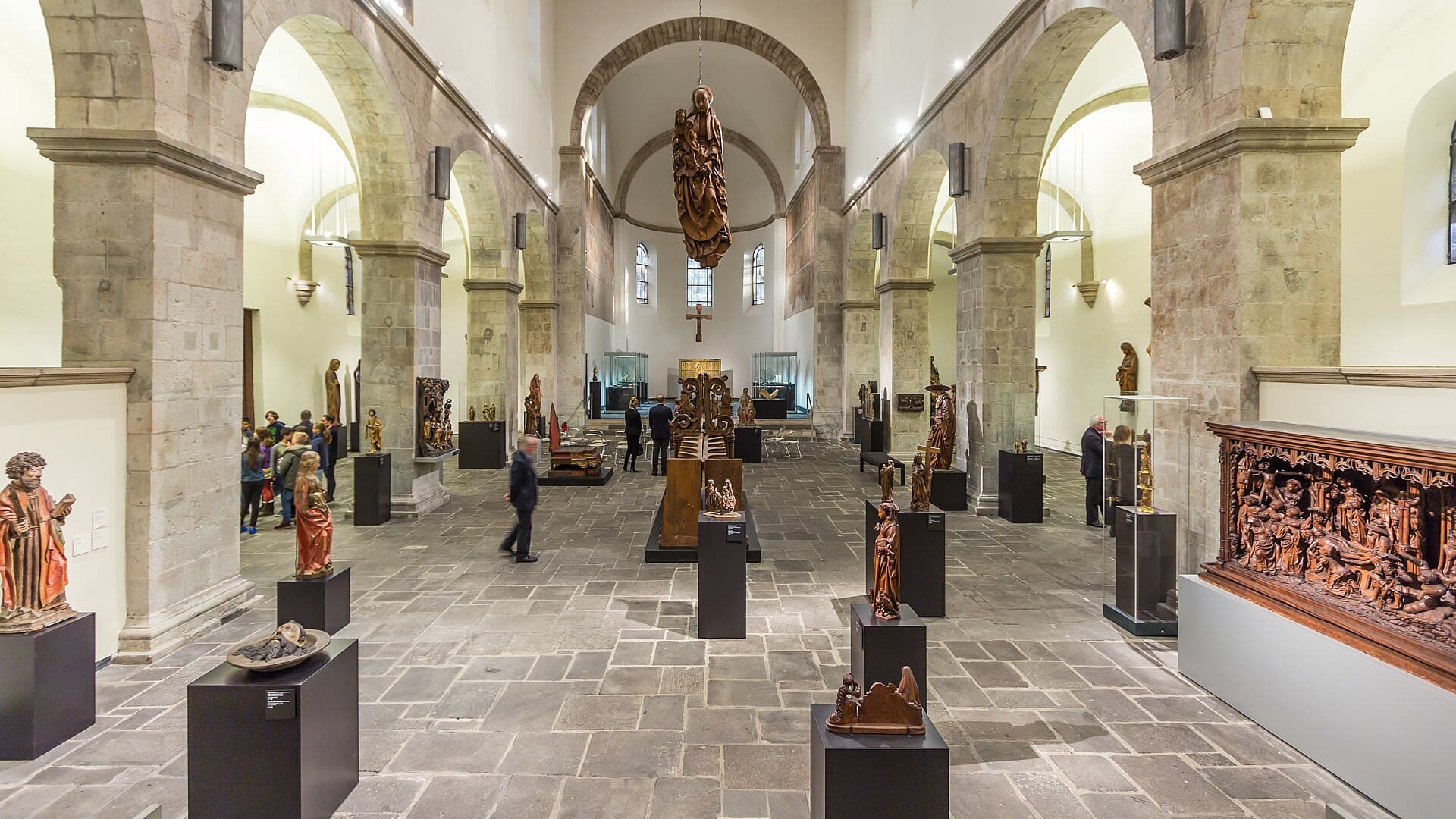 Museum SchnütgenThe Schnütgen is a double treasure: one of Europe's great medieval art collectio5 minutes walk4.7
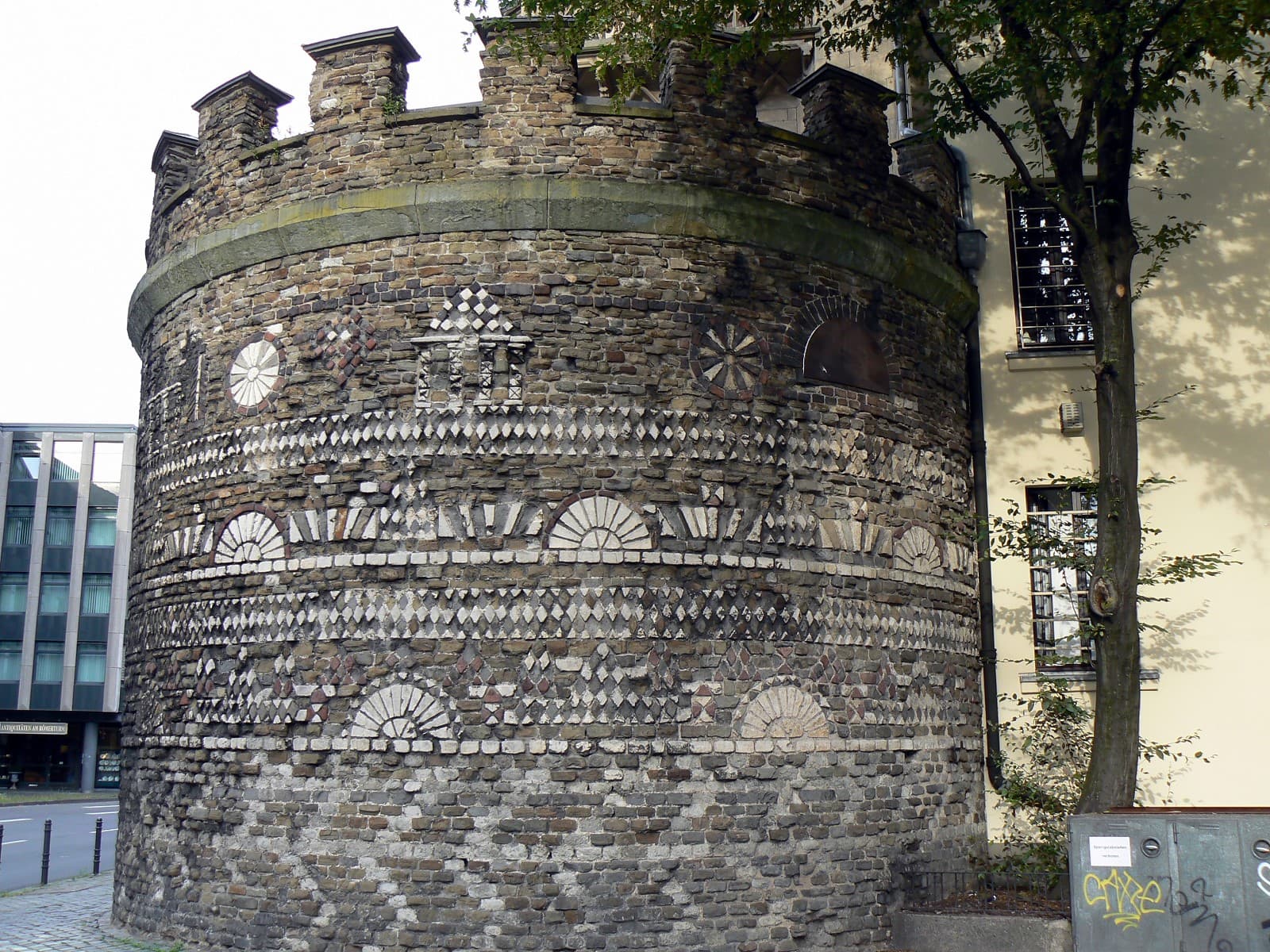 Roman TowerThe Roman Tower is the best surviving piece of Cologne's Roman wall. Cologne was5 minutes walk4.3
The two collections differ rather than duplicate. Cologne holds the largest body of her work in the world and shows it in newly rebuilt galleries; the Berlin museum is smaller and closer to the artist's own life and house. If you can only manage one and the art itself is the point, choose Cologne.