
The converted hall
A gymnasium turned exhibition space.
Raimond Spekking — CC BY-SA 4.0 · Rijksmuseum — CC0 · Rijksmuseum — CC0 · Rijksmuseum — CC0
The Kölnischer Kunstverein is among Germany's oldest contemporary art institutions, founded in 1839 on the initiative of citizens rather than the state — and this Kunstverein model, the civic art society, is an old German tradition built on members paying subscriptions to support the showing of living art. The society holds no permanent collection and does not seek one: its purpose is to show what is new and unproven, and many artists who later became international names were shown here early in their careers. The programme changes several times a year and leans more experimental than the city's major museums. Since 2005 it has occupied Die Brücke — a 1950s building that was a British forces sports club during the occupation, its gymnasium converted into an exhibition hall. The ticket is very cheap and the building holds a small cinema and a cafe. This is a destination for anyone who follows contemporary art, not for a general visitor seeking familiar names.
A gymnasium turned exhibition space.
Artists shown before they became names.
Hahnenstrasse 6, 50667 Cologne
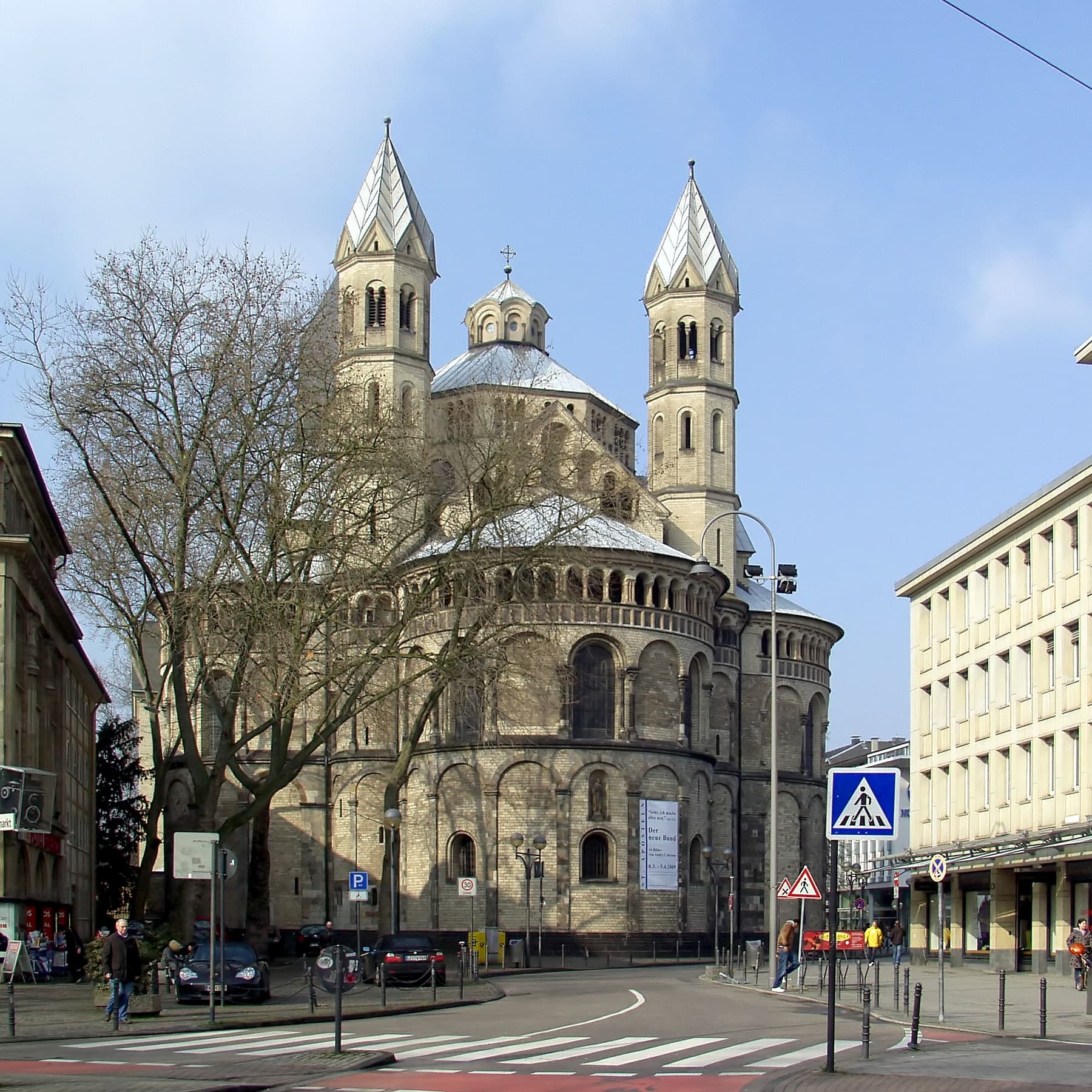 St Aposteln BasilicaSt Aposteln stands on the western edge of Neumarkt, Cologne's busiest shopping s1 minute walk4.7
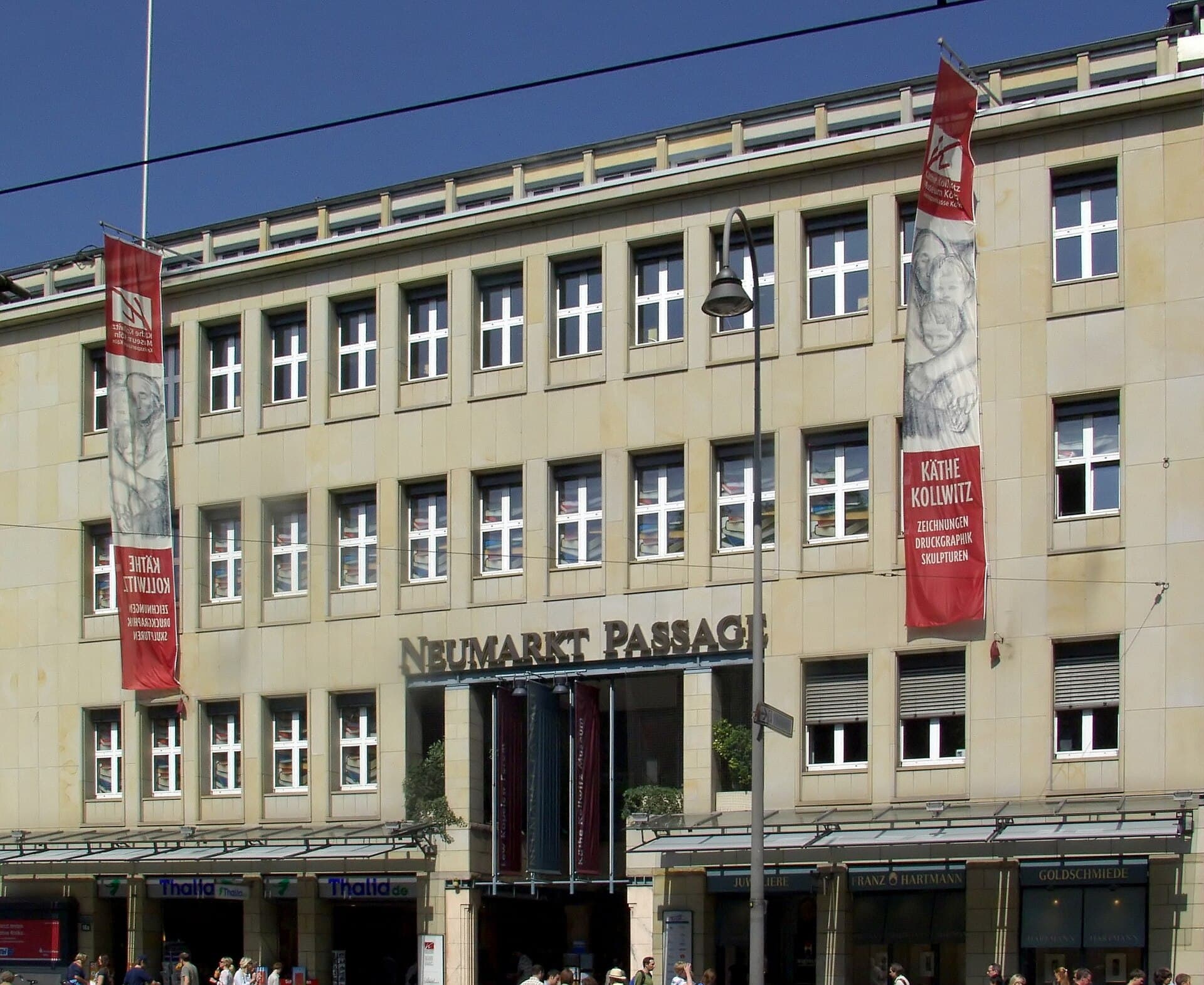 Kathe Kollwitz MuseumKathe Kollwitz, who lived from eighteen sixty-seven to nineteen forty-five, was 3 minutes walk4.6
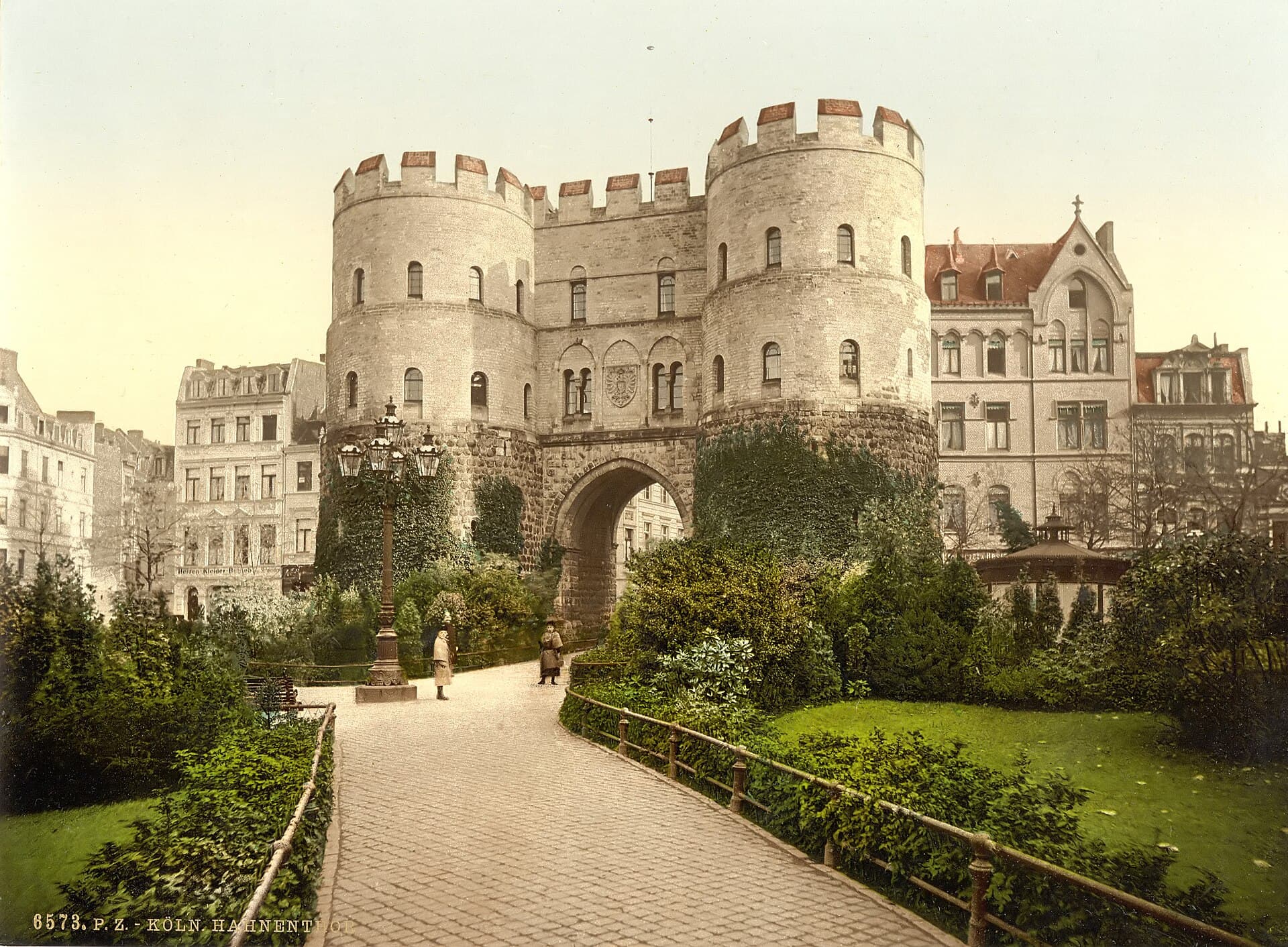 HahnentorburgThe Hahnentorburg is another of the four surviving gates of Cologne's wall, stan3 minutes walk4.6
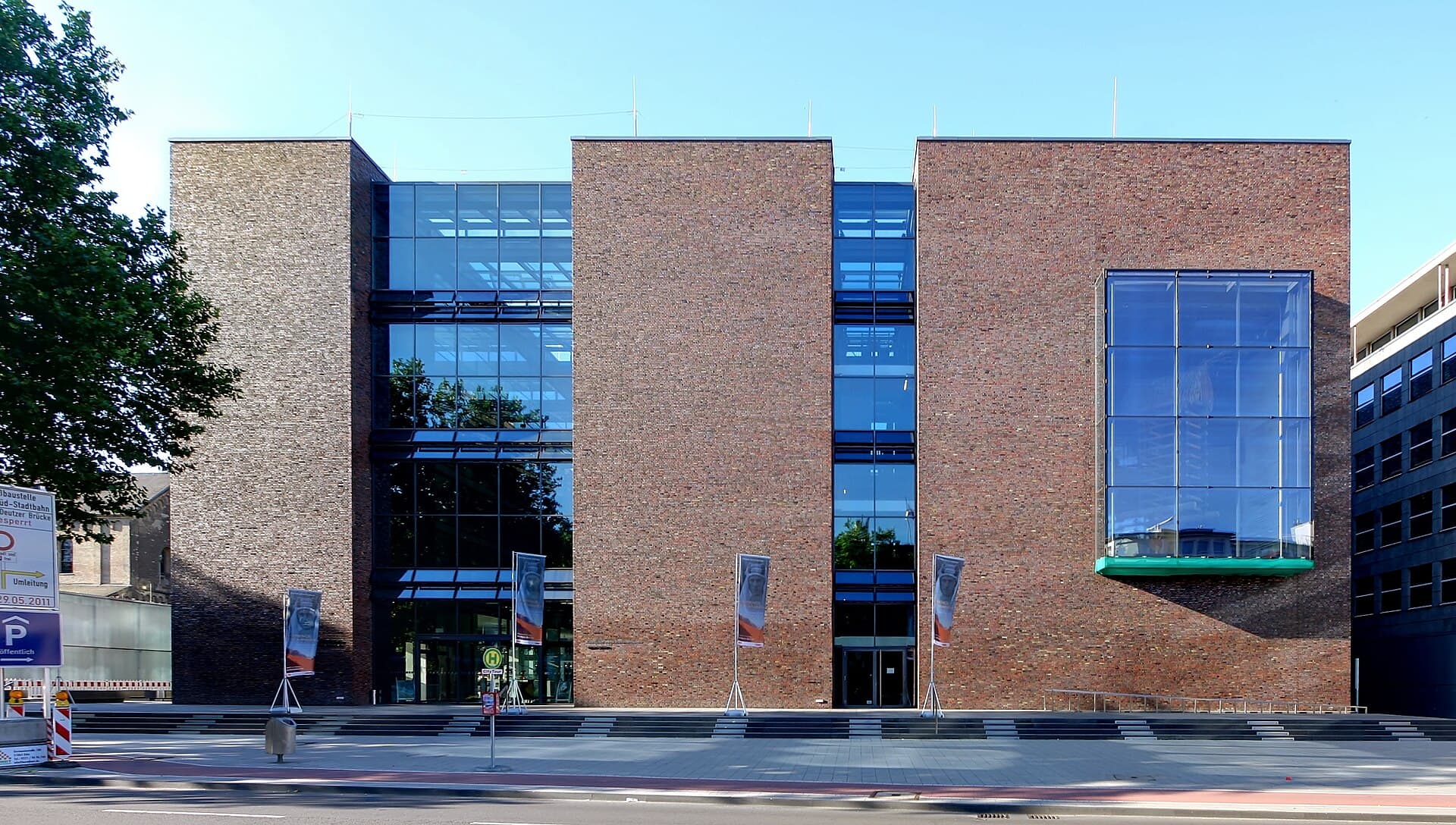 Rautenstrauch-Joest MuseumCologne's museum of world cultures grew out of a collection assembled by Wilhelm6 minutes walk4.6
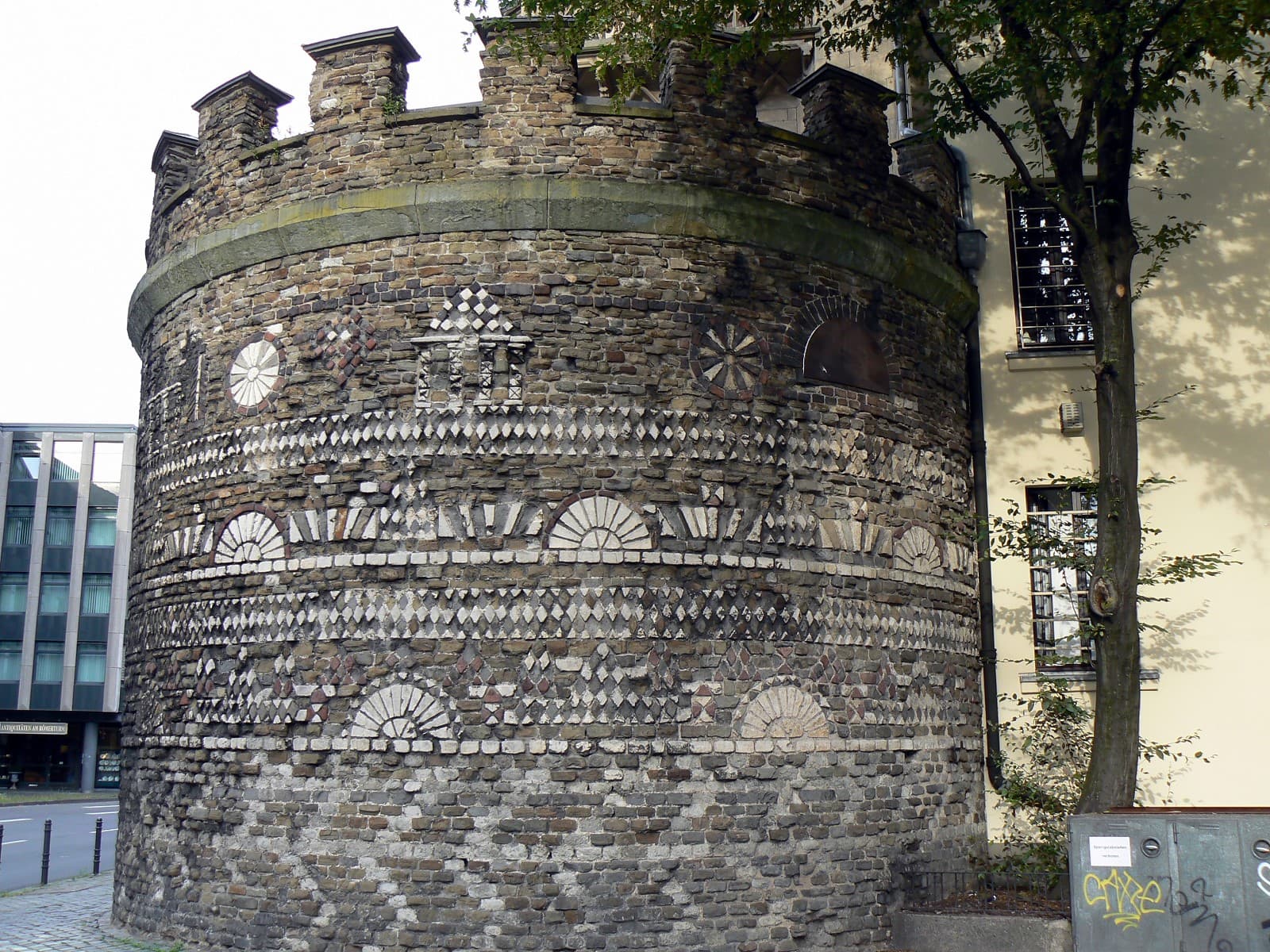 Roman TowerThe Roman Tower is the best surviving piece of Cologne's Roman wall. Cologne was7 minutes walk4.3
They are civic art societies run by subscription-paying members, which arose in the nineteenth century when the state did not fund contemporary art. Their purpose is to show living art rather than collect it, which makes them faster and bolder than museums because they carry no permanent collection. Germany has over three hundred today, and many are young artists' route to public exhibition.