
The stone patterning
Geometric designs in coloured stone, rare in Roman architecture north of the Alps.
VollwertBIT — CC BY-SA 2.5 · Raimond Spekking — CC BY-SA 4.0 · Bengt Oberger — CC BY-SA 4.0 · José Luiz — CC BY-SA 4.0
The Roman Tower is the best surviving piece of Cologne's Roman wall. Cologne was an important Roman city called Colonia Agrippina, ringed by a wall with towers, and this was one of its north-western corner towers. The tower dates from the first or second century AD, and what makes it notable is the decoration of its walls: geometric patterns made from different coloured stones, arranged in bands and squares. That kind of ornament is rare among Roman remains north of the Alps. The top of the tower is not Roman: it was added in the nineteenth century during restoration. You can see the difference clearly by looking at the stonework. The visit is free and very short — the tower stands open in the street and cannot be entered. Make it a stop on a walk around Cologne's Roman remains.
Geometric designs in coloured stone, rare in Roman architecture north of the Alps.
Other fragments of the Roman wall stand nearby and can be traced on foot.
Zeughausstraße, 50667 Köln
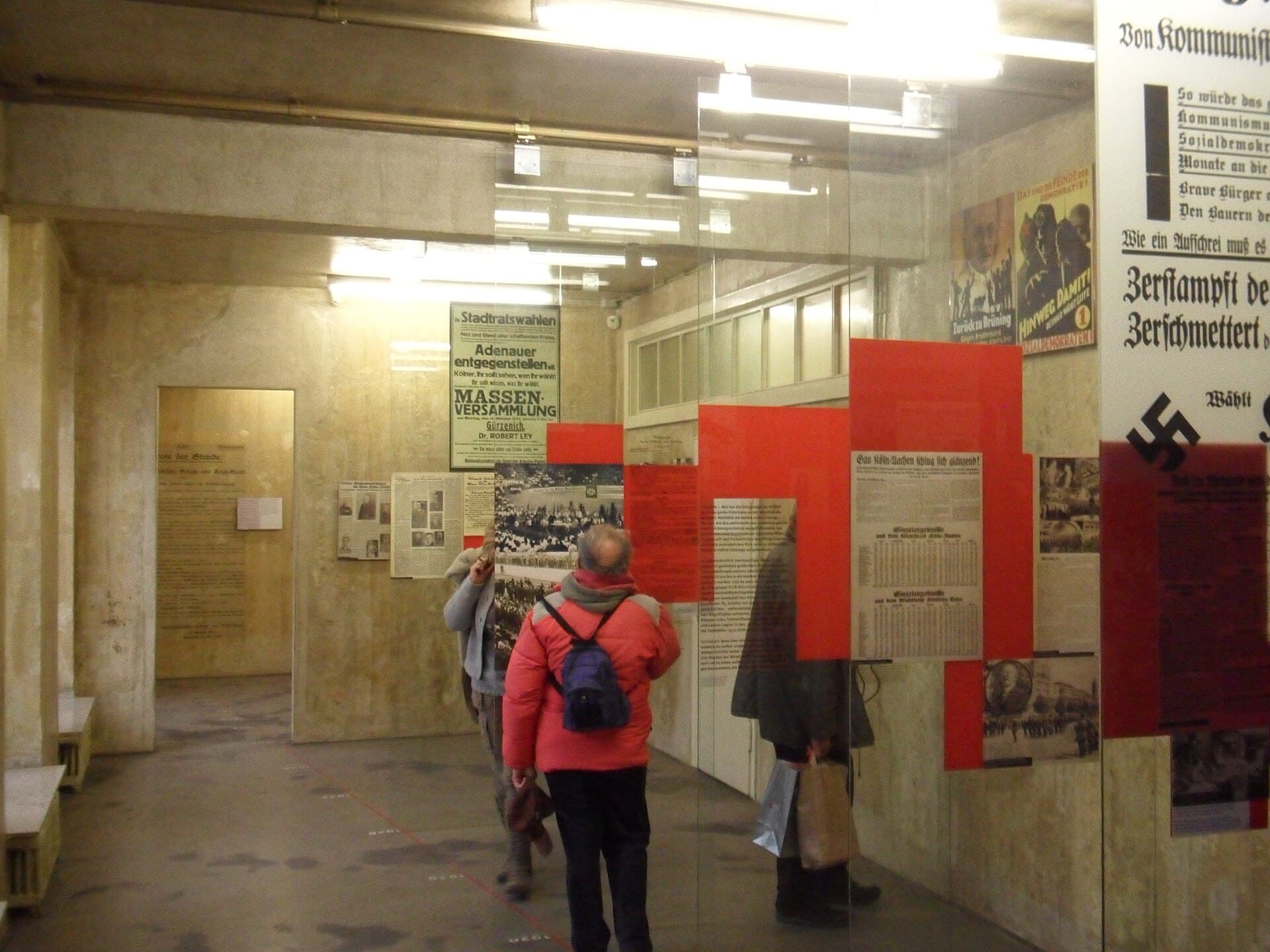 NS Documentation Centre (EL-DE Haus)The EL-DE House was the Gestapo's local headquarters in Cologne, and today it is3 minutes walk4.6
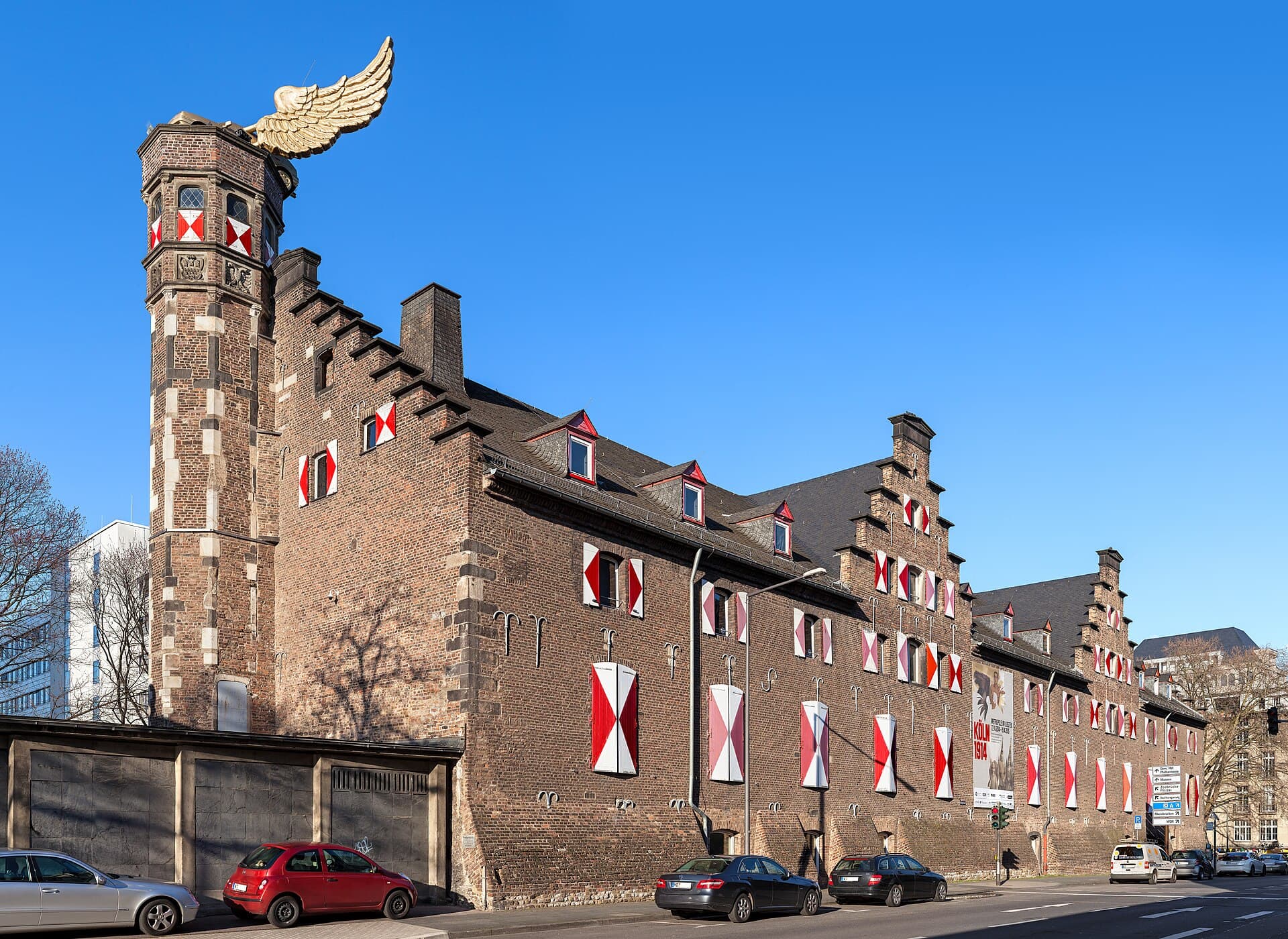 Cologne City MuseumA museum about Cologne itself: how it became a Roman colonia, then a rich mediev3 minutes walk4.2
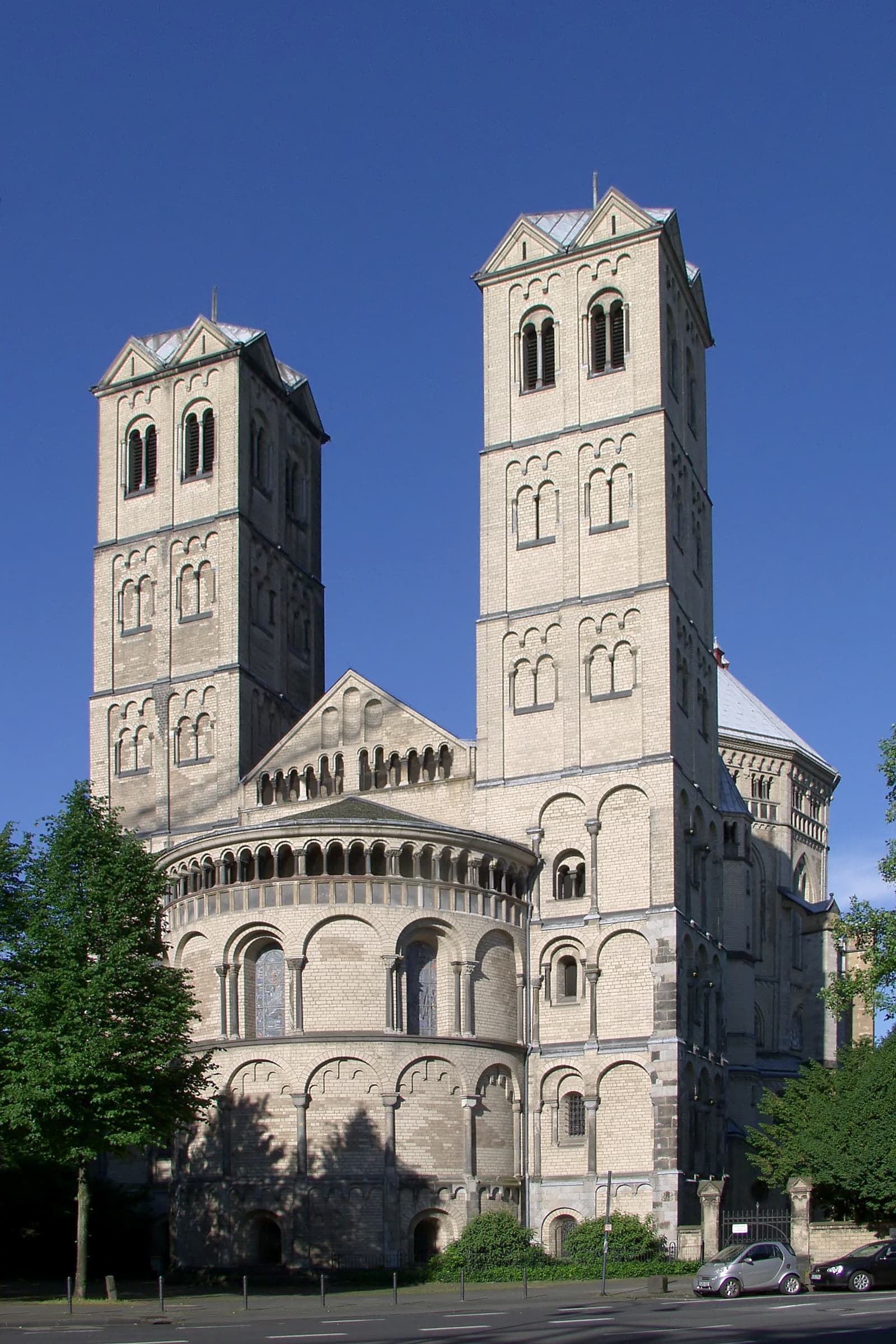 St Gereon's BasilicaThe strangest in shape of Cologne's twelve Romanesque churches, and the reason i4 minutes walk4.6
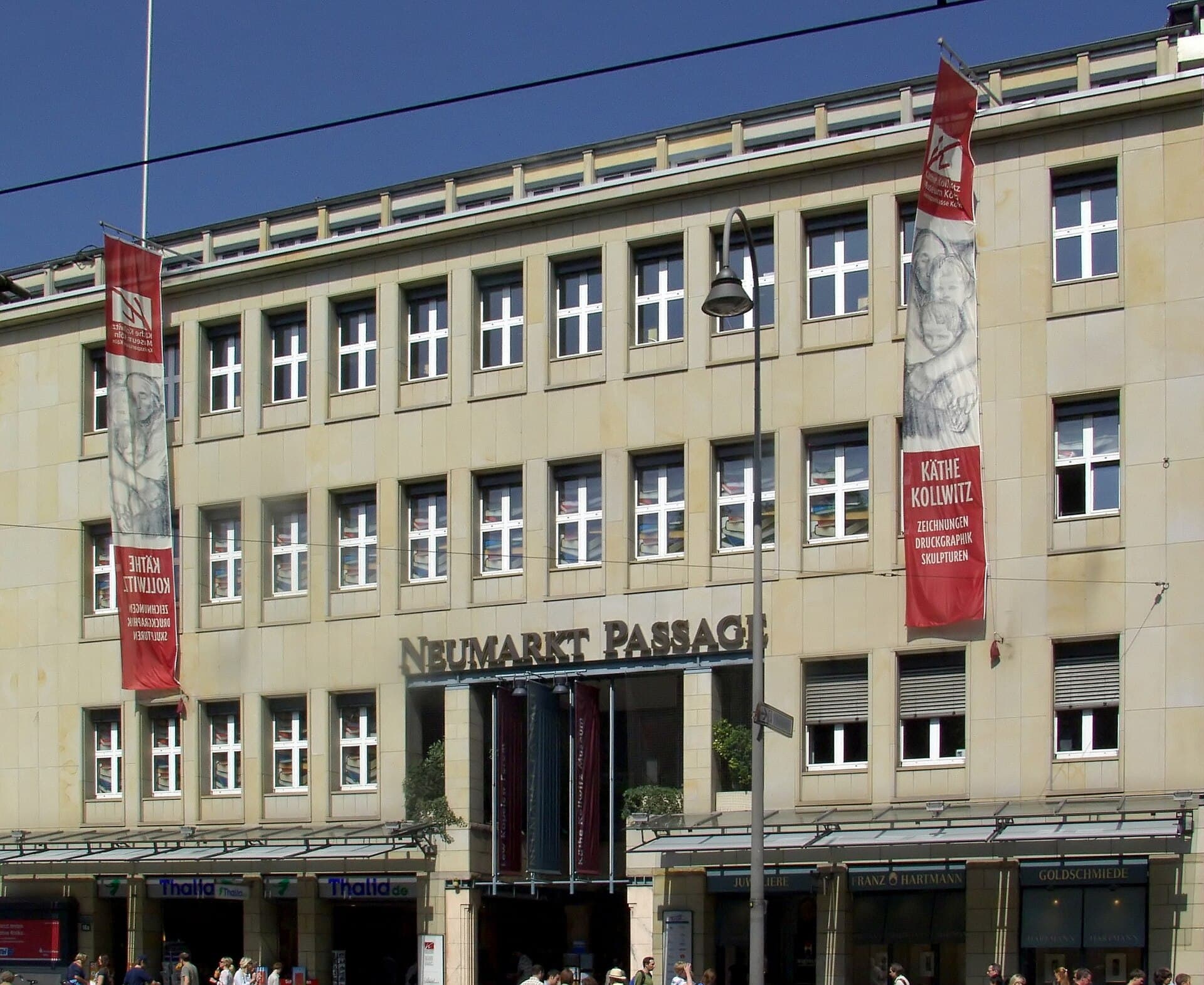 Kathe Kollwitz MuseumKathe Kollwitz, who lived from eighteen sixty-seven to nineteen forty-five, was 5 minutes walk4.6
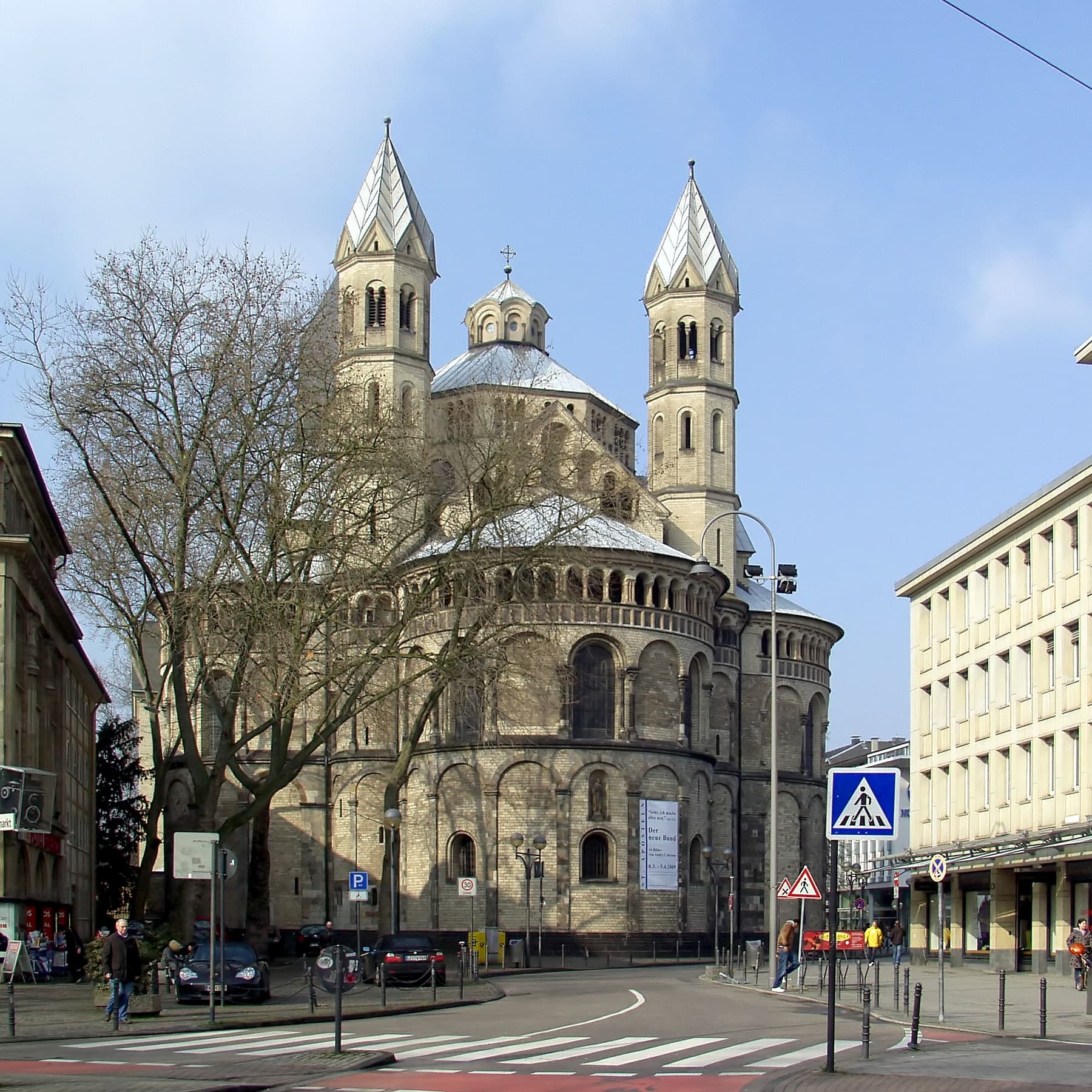 St Aposteln BasilicaSt Aposteln stands on the western edge of Neumarkt, Cologne's busiest shopping s6 minutes walk4.7
No. The lower part and its stone patterning are Roman, from the first or second century, while the top was added in the nineteenth during restoration. The difference is clear in the type and arrangement of the stone.
The Romano-Germanic Museum by the cathedral shows Cologne's Roman finds, including a huge mosaic floor. Other fragments of the wall are scattered through the quarter and can be traced on a short walk.