
A mosque from 1773
The sultanate's royal mosque.
Chainwit. — CC BY 4.0 · Chainwit. — CC BY 4.0 · Chainwit. — CC BY 4.0 · Chainwit. — CC BY 4.0
The great royal mosque of the Yogyakarta sultanate, built by Sultan Hamengkubuwono I in 1773 on the west side of the main square before the palace, following the custom of Java's Muslim towns of setting the main mosque beside the palace and square. Around it lies Kauman, the quarter of scholars and the learned, where the Muhammadiyah Islamic organisation was born in 1912. The mosque's architecture is purely traditional Javanese: a three-tiered roof without a dome, a broad prayer hall carried by massive teak pillars, an open front veranda, a stone gateway and a water channel once used to wash the feet before entering. It is one of the finest examples of old Javanese mosques. Entry is free; the mosque is open for prayer at prayer times, and non-Muslims visit outside prayer times in modest dress. Traditional ceremonies are held here on Islamic occasions, such as the Prophet's birthday, when royal rice processions come out from the palace. It is the handiest mosque for prayer during an old-town walk, minutes from the Kraton and Taman Sari, so make it part of the morning tour.
The sultanate's royal mosque.
A tiered roof and teak pillars.
Birthplace of Muhammadiyah.
West of the northern alun-alun, near the Kraton
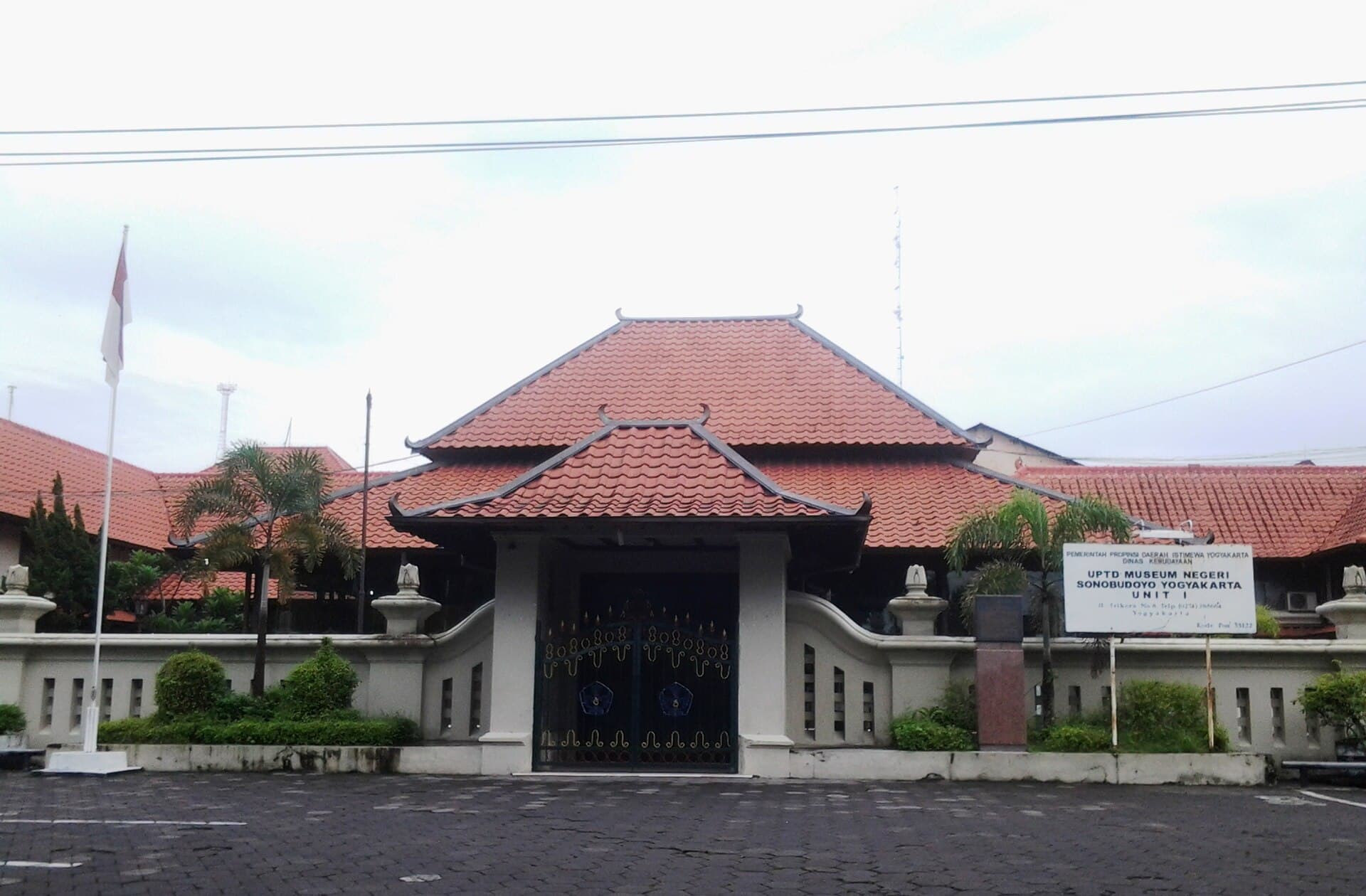 Sonobudoyo MuseumOne of the key museums of Javanese culture, opened in 1935 in a traditional Java3 minutes walk
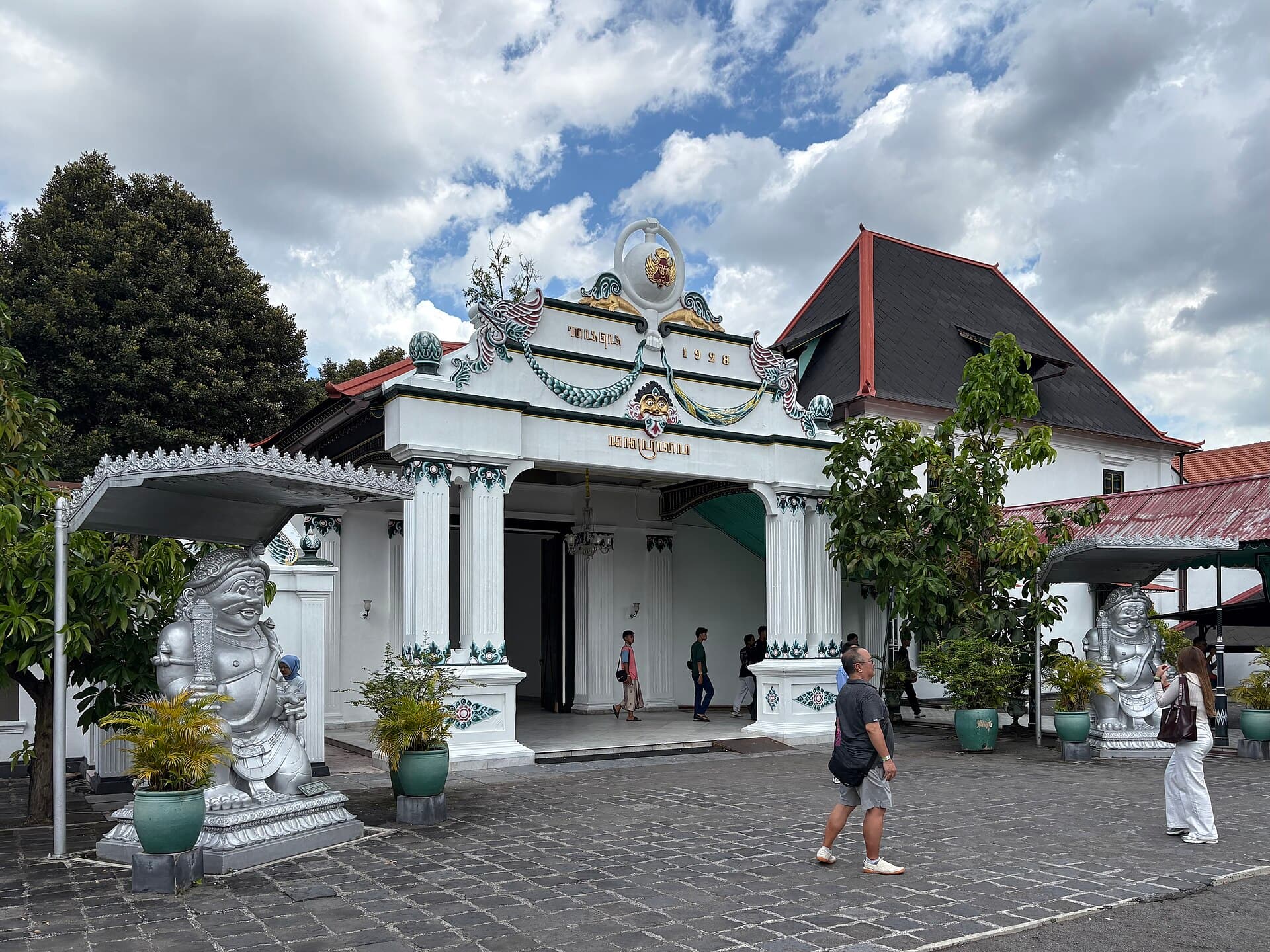 The Kraton, Yogyakarta Sultan's PalaceThe palace of the Sultan of Yogyakarta, the heart of the city and centre of its 3 minutes walk
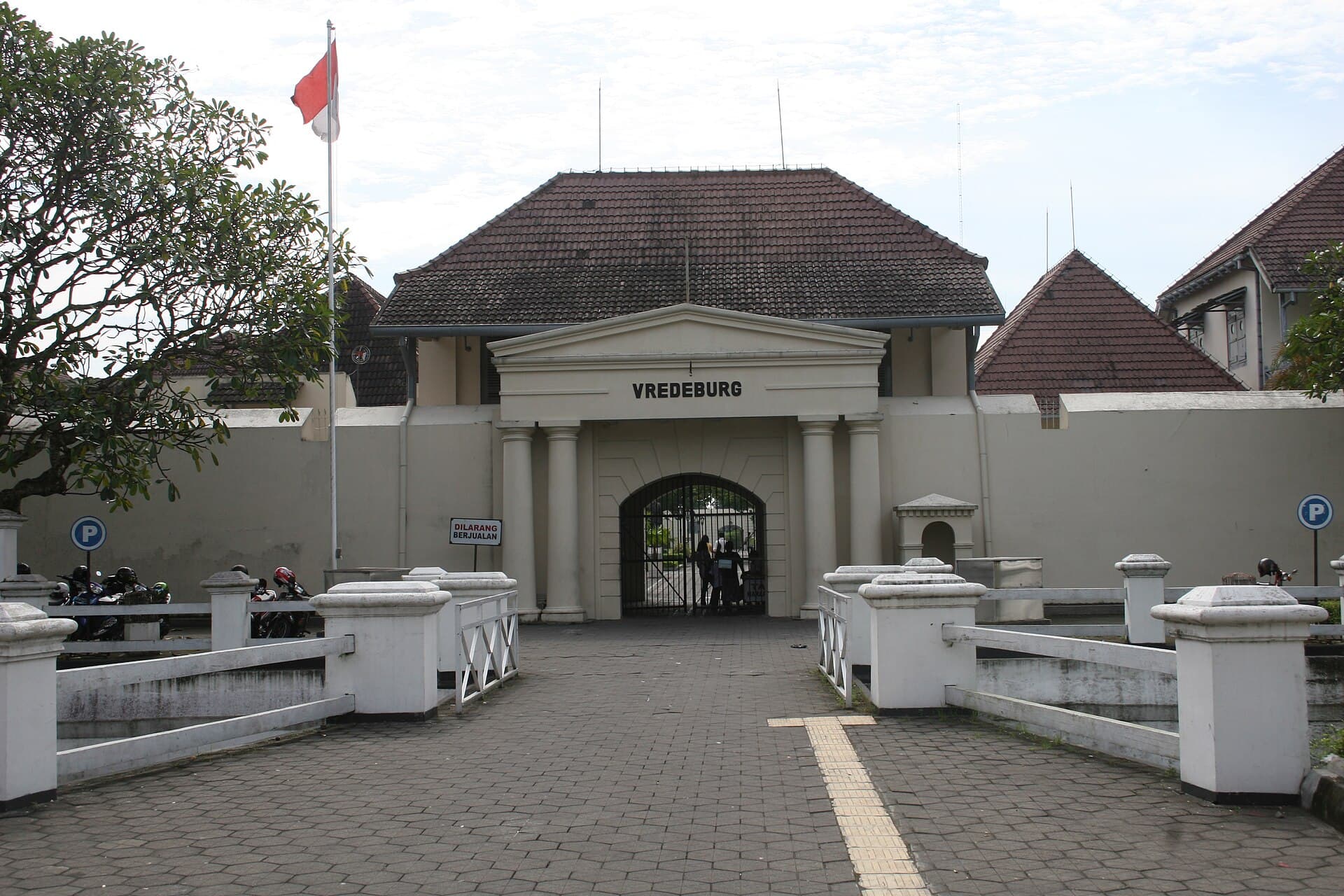 Fort Vredeburg and its MuseumA square Dutch fort with white walls and corner bastions, built by the Dutch in 7 minutes walk
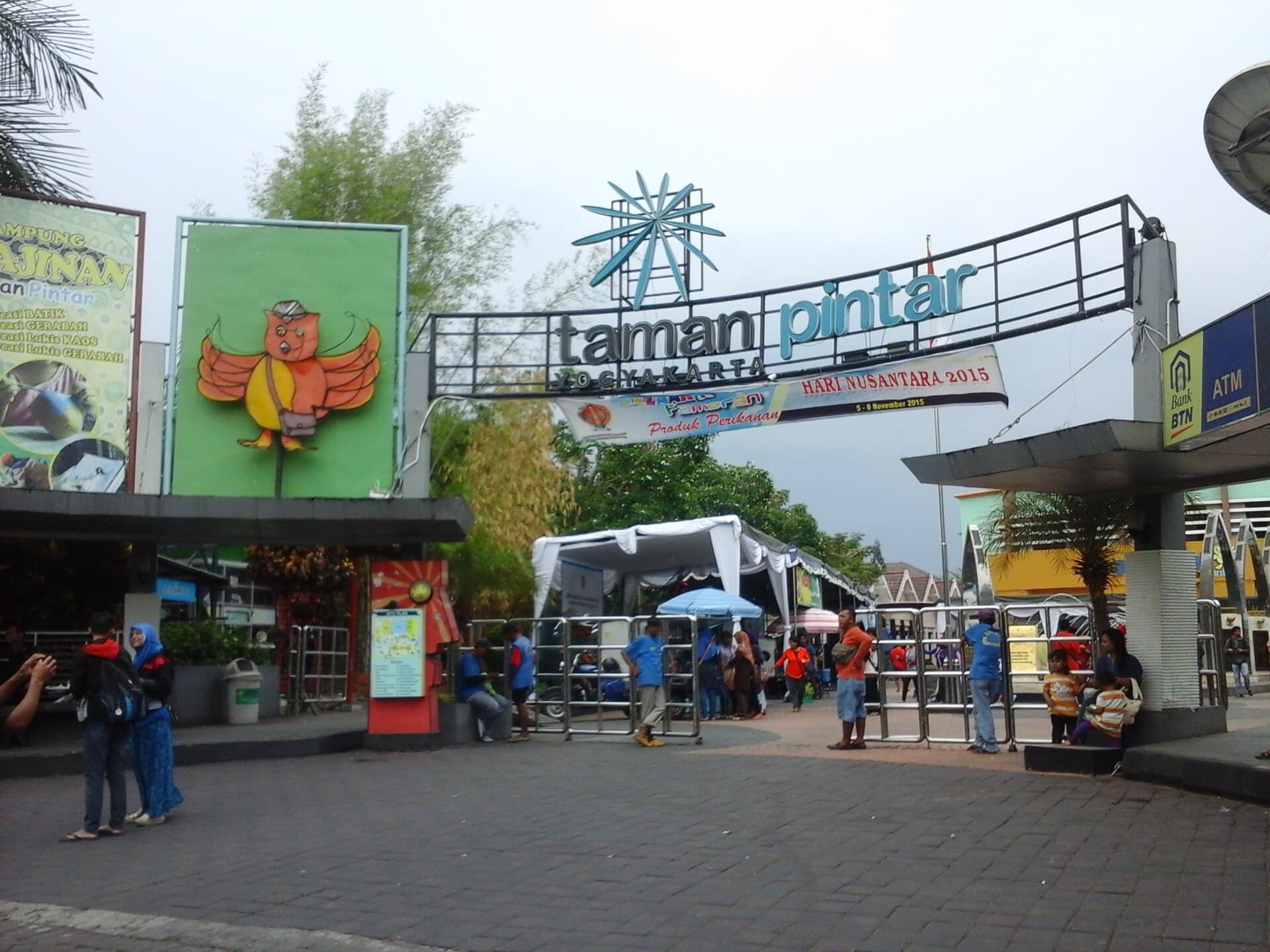 Taman Pintar Science ParkA children's educational science park at the heart of Yogyakarta, steps from Kil8 minutes walk
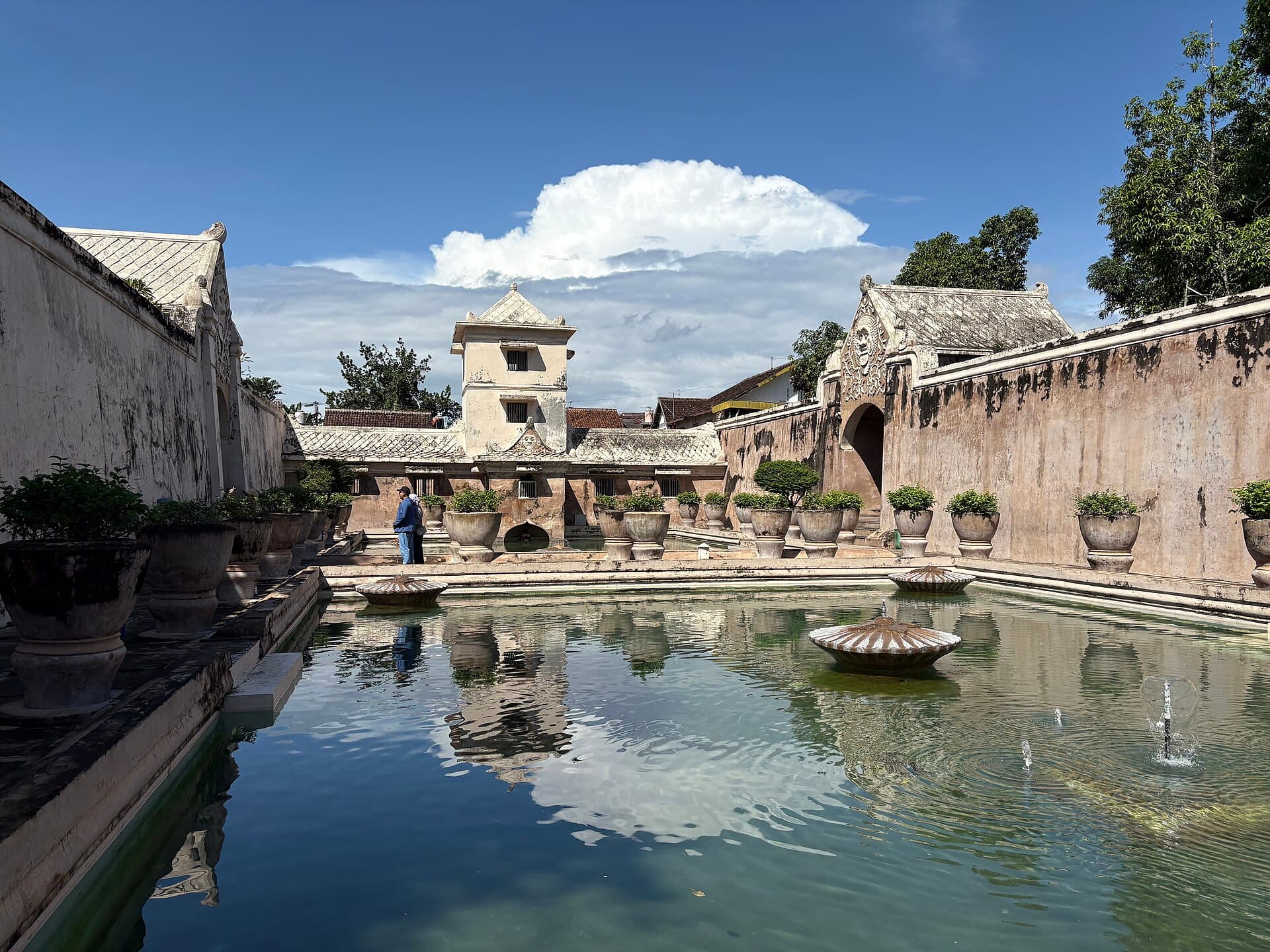 Taman Sari Water PalaceThe royal water garden of Yogyakarta's sultans, built between 1758 and 1765 unde10 minutes walk
Because Java's old mosques were built in the local style with tiered timber roofs, before domes spread in Indonesia. This style is a hallmark of Java's historic mosques.